Héctor Fernández L'Hoeste - Böcker
Visar alla böcker från författaren Héctor Fernández L'Hoeste. Handla med fri frakt och snabb leverans.
7 produkter
7 produkter
1 273 kr
Skickas inom 7-10 vardagar
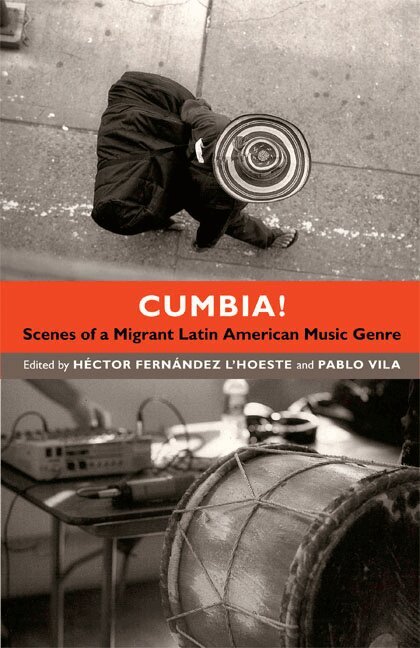
Cumbia is a musical form that originated in northern Colombia and then spread throughout Latin America and wherever Latin Americans travel and settle. It has become one of the most popular musical genre in the Americas. Its popularity is largely due to its stylistic flexibility. Cumbia absorbs and mixes with the local musical styles it encounters. Known for its appeal to workers, the music takes on different styles and meanings from place to place, and even, as the contributors to this collection show, from person to person. Cumbia is a different music among the working classes of northern Mexico, Latin American immigrants in New York City, Andean migrants to Lima, and upper-class Colombians, who now see the music that they once disdained as a source of national prestige. The contributors to this collection look at particular manifestations of cumbia through their disciplinary lenses of musicology, sociology, history, anthropology, linguistics, and literary criticism. Taken together, their essays highlight how intersecting forms of identity-such as nation, region, class, race, ethnicity, and gender-are negotiated through interaction with the music.Contributors. Cristian AlarcÓn, Jorge ArÉvalo Mateus, Leonardo D'Amico, HÉctor FernÁndez L'Hoeste, Alejandro L. Madrid, Kathryn Metz, JosÉ Juan Olvera GudiÑo, Cathy Ragland, Pablo SemÁn, Joshua Tucker, Matthew J. Van Hoose, Pablo Vila
557 kr
Skickas inom 3-6 vardagar
Cumbia is a musical form that originated in northern Colombia and then spread throughout Latin America and wherever Latin Americans travel and settle. It has become one of the most popular musical genre in the Americas. Its popularity is largely due to its stylistic flexibility. Cumbia absorbs and mixes with the local musical styles it encounters. Known for its appeal to workers, the music takes on different styles and meanings from place to place, and even, as the contributors to this collection show, from person to person. Cumbia is a different music among the working classes of northern Mexico, Latin American immigrants in New York City, Andean migrants to Lima, and upper-class Colombians, who now see the music that they once disdained as a source of national prestige. The contributors to this collection look at particular manifestations of cumbia through their disciplinary lenses of musicology, sociology, history, anthropology, linguistics, and literary criticism. Taken together, their essays highlight how intersecting forms of identity-such as nation, region, class, race, ethnicity, and gender-are negotiated through interaction with the music.Contributors. Cristian AlarcÓn, Jorge ArÉvalo Mateus, Leonardo D'Amico, HÉctor FernÁndez L'Hoeste, Alejandro L. Madrid, Kathryn Metz, JosÉ Juan Olvera GudiÑo, Cathy Ragland, Pablo SemÁn, Joshua Tucker, Matthew J. Van Hoose, Pablo Vila
Sound, Image, and National Imaginary in the Construction of Latin/o American Identities
Inbunden, Engelska, 2017
1 209 kr
Skickas inom 10-15 vardagar
Sound, Image, and National Imaginary in the Construction of Latin/o American Identities addresses a gap in the many narratives discussing the cultural histories of Latin American nations, particularly in terms of the birth, configuration, and perpetuation of national identities. It argues that these processes were not as gradual or constrained as traditionally conceived. The actual circumstances dictating the adoption of particular technologies for the representation of national ideas shifted and varied according to many factors including local circumstances, political singularities, economic disparities, and highly individualized cultural transitions. This book proposes a model of chronology that is valid not only for nations that underwent strong processes of nationalism during the early or mid-twentieth century, but also for those that experienced highly idiosyncratic cultural, economic, and political development into the early twenty-first century.
992 kr
Skickas inom 10-15 vardagar
As digital media and technologies transform the study of the humanities around the world, this volume provides the first hemispheric view of the practice of digital humanities in the Spanish- and Portuguese-speaking Americas. These essays examine how participation and research in new media have helped configure identities and collectivities in the region.Featuring case studies from throughout Latin America, including the United States Latinx community, contributors analyze documentary films, television series, and social media to show how digital technologies create hybrid virtual spaces and facilitate connections across borders. They investigate how Latinx bloggers and online activists navigate governmental restrictions in order to connect with the global online community. These essays also incorporate perspectives of race, gender, and class that challenge the assumption that technology is a democratizing force. Digital Humanities in Latin America illuminates the cultural, political, and social implications of the ways Latinx communities engage with new technologies. In doing so, it connects digital humanities research taking place in Latin America with that of the Anglophone world. A volume in the series Reframing Media, Technology, and Culture in Latin/o America, edited by Héctor Fernández L'Hoeste and Juan Carlos Rodríguez
294 kr
Skickas inom 10-15 vardagar
A hemispheric view of the practice of digital humanities in the Spanish- and Portuguese-speaking AmericasAs digital media and technologies transform the study of the humanities around the world, this volume provides the first hemispheric view of the practice of digital humanities in the Spanish- and Portuguese-speaking Americas. These essays examine how participation and research in new media have helped configure identities and collectivities in the region.Featuring case studies from throughout Latin America, including the United States Latinx community, contributors analyze documentary films, television series, and social media to show how digital technologies create hybrid virtual spaces and facilitate connections across borders. They investigate how Latinx bloggers and online activists navigate governmental restrictions in order to connect with the global online community.These essays also incorporate perspectives of race, gender, and class that challenge the assumption that technology is a democratizing force. Digital Humanities in Latin America illuminates the cultural, political, and social implications of the ways Latinx communities engage with new technologies. In doing so, it connects digital humanities research taking place in Latin America with that of the Anglophone world.Contributors: Paul Alonso | Morgan Ames | Eduard Arriaga | Anita Say Chan | Ricardo Dominguez | Orlando Luis Pardo Lazo | Héctor Fernández L’Hoeste | Jennifer M. Lozano | Ana Lígia Silva Medeiros | Gimena del Río Riande | Juan Carlos Rodríguez | Isabel Galina Russell | Angharad Valdivia | Anastasia Valecce | Cristina VenegasA volume in the series Reframing Media, Technology, and Culture in Latin/o America, edited by Héctor Fernández L’Hoeste and Juan Carlos Rodríguez
964 kr
Skickas inom 10-15 vardagar
This volume is the first to provide a comprehensive Latin American perspective on the role of humor in the Spanish- and Portuguese-language internet, highlighting how the production and circulation of online humor influence the region’s relation to democracy and civil society and the production of meaning in everyday life.Several case studies consider memes, including discussions of political cartoons in Mexico and imagery that portrays the mismanagement of natural disasters in Puerto Rico. Essays on Brazil examine how memes are shared on WhatsApp by Jair Bolsonaro supporters and how the Instagram account Barbie Fascionista offers memes as political commentary. Other case studies consider video content, including the sketches of Argentinian comedian Guillermo Aquino, the short-form material of Chilean vlogger Germán Garmendia, and a satirical YouTube column created by journalists in Colombia. Contributors also offer new methodologies for studying the laughable on social media, including a model for analyzing fake Twitter accounts.Internet, Humor, and Nation in Latin America demonstrates that internet humor can generate novel means of public interaction with the political and cultural spheres and create greater expectations of governmental accountability and democratic participation. This volume shows the importance of paying serious attention to humorous digital content as part of contemporary culture.Contributors: Eva Paulina Bueno | Juan Poblete | Alberto Centeno-Pulido | Damián Fraticelli | Juan Carlos Rodríguez | Viktor Chagas | Paul Alonso | Ulisses Sawczuk da Silva | Héctor Fernández L'Hoeste | Alejandra Nallely Collado Campos | R. Sánchez-Rivera | Mélodine Sommier | Fábio Marques de Souza
366 kr
Skickas inom 10-15 vardagar
This volume is the first to provide a comprehensive Latin American perspective on the role of humor in the Spanish- and Portuguese-language internet, highlighting how the production and circulation of online humor influence the region’s relation to democracy and civil society and the production of meaning in everyday life.Several case studies consider memes, including discussions of political cartoons in Mexico and imagery that portrays the mismanagement of natural disasters in Puerto Rico. Essays on Brazil examine how memes are shared on WhatsApp by Jair Bolsonaro supporters and how the Instagram account Barbie Fascionista offers memes as political commentary. Other case studies consider video content, including the sketches of Argentinian comedian Guillermo Aquino, the short-form material of Chilean vlogger Germán Garmendia, and a satirical YouTube column created by journalists in Colombia. Contributors also offer new methodologies for studying the laughable on social media, including a model for analyzing fake Twitter accounts.Internet, Humor, and Nation in Latin America demonstrates that internet humor can generate novel means of public interaction with the political and cultural spheres and create greater expectations of governmental accountability and democratic participation. This volume shows the importance of paying serious attention to humorous digital content as part of contemporary culture.Contributors: Eva Paulina Bueno | Juan Poblete | Alberto Centeno-Pulido | Damián Fraticelli | Juan Carlos Rodríguez | Viktor Chagas | Paul Alonso | Ulisses Sawczuk da Silva | Héctor Fernández L'Hoeste | Alejandra Nallely Collado Campos | R. Sánchez-Rivera | Mélodine Sommier | Fábio Marques de Souza