Helen Doe - Böcker
Visar alla böcker från författaren Helen Doe. Handla med fri frakt och snabb leverans.
17 produkter
17 produkter
909 kr
Skickas inom 5-8 vardagar
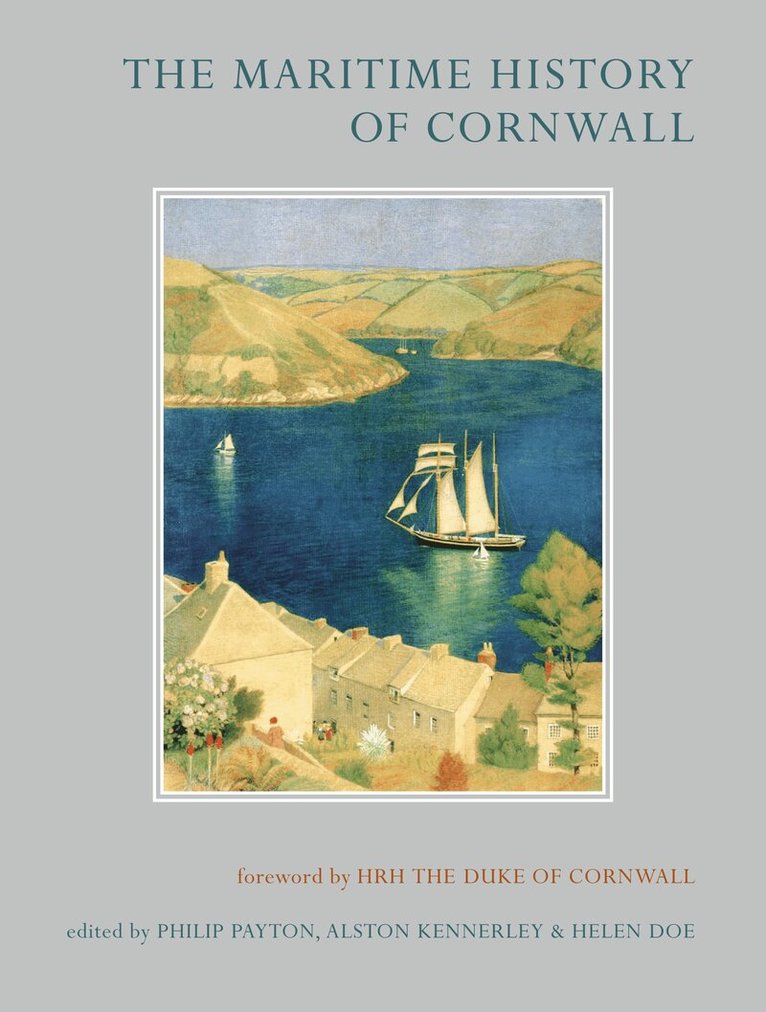
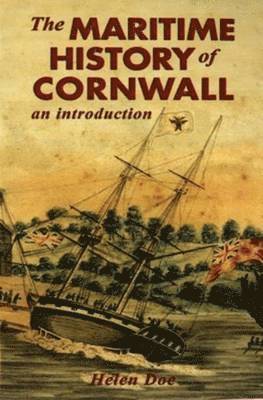
Cornwall is quintessentially a maritime region. Almost an island, nowhere in it is further than 25 miles from the sea. Cornwall’s often distinctive history has been moulded by this omnipresent maritime environment, while its strategic position at the western approaches—jutting out into the Atlantic—has given this history a global impact.It is perhaps surprising then, that, despite the central place of the sea in Cornwall’s history, there has not yet been a full maritime history of Cornwall. The Maritime History of Cornwall sets out to fill this gap, exploring the rich and complex maritime inheritance of this unique peninsula.In a beautifully illustrated volume, individually commissioned contributions from distinguished historians elaborate on the importance of different periods, from the Middle Ages to the twentieth century.The Maritime History of Cornwall is a significant addition to the literature of international maritime history and is indispensable to those with an interest in Cornwall past and present.Winner of the Holyer an Gof Non-Fiction Award 2015.
142 kr
Skickas
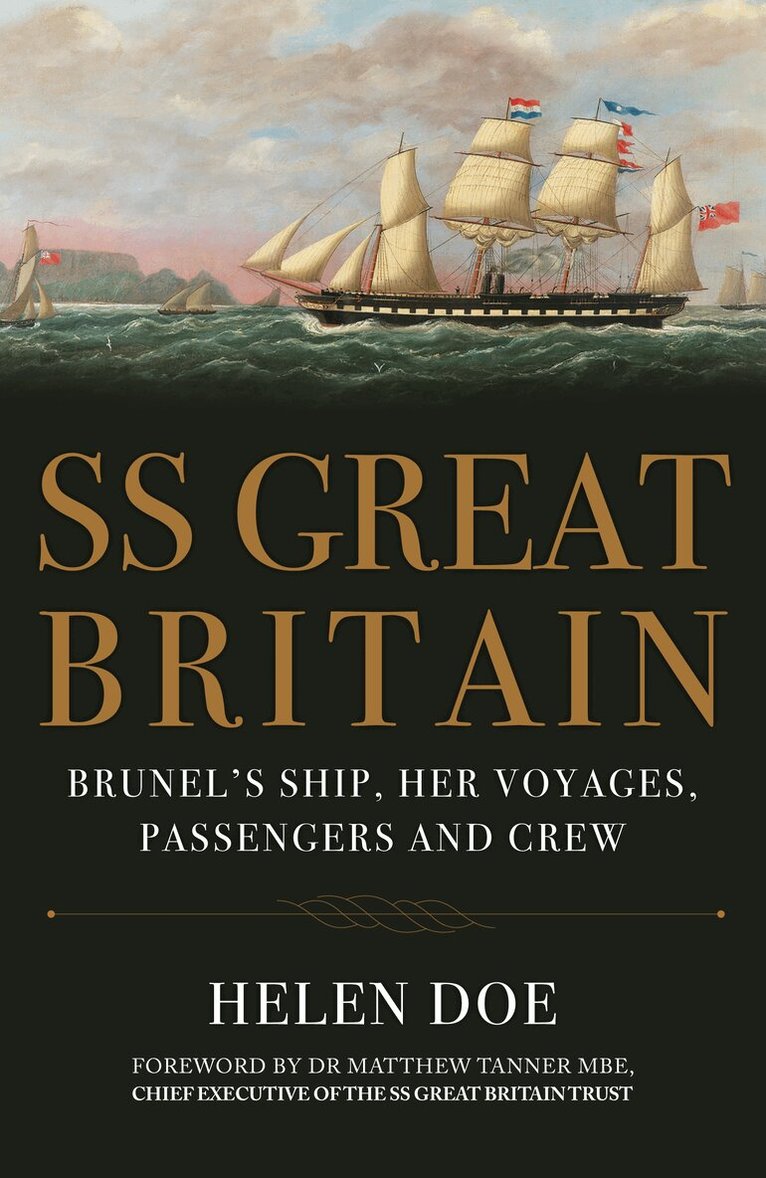
In SS Great Britain, Helen Doe provides a narrative account of this famous and historically important ship. Experimental and controversial, Great Britain led the way for iron shipbuilding and screw propulsion. The book charts the ship’s brilliant design and construction, and the tribulations of her owners as they battled financial crises to turn Isambard Kingdom Brunel’s vision into reality. Brunel was passionate about this ship and was devastated when a navigational error stranded her in Dundrum Bay, Ireland. She was rescued in a great feat of salvage and went on to a long life at sea, carrying passengers to New York, troops to the Crimea and India, and thousands of emigrants to Australia.Helen Doe highlights the contribution of the many individuals connected to the ship, ranging from crew members to passengers, at least one grand Victorian scandal, and the mysterious disappearance of her long-serving captain. In this way, the ship’s life and times are recreated and the history of a technical marvel is given a human face. The ship was salvaged a second time, when she was rescued from the Falkland Islands and towed home across the Atlantic. She now sits in splendour in her original dock in Bristol and is one of the most visited attractions in Britain. This a compelling account of an iconic ship and of an important moment in industrial history.
245 kr
Skickas
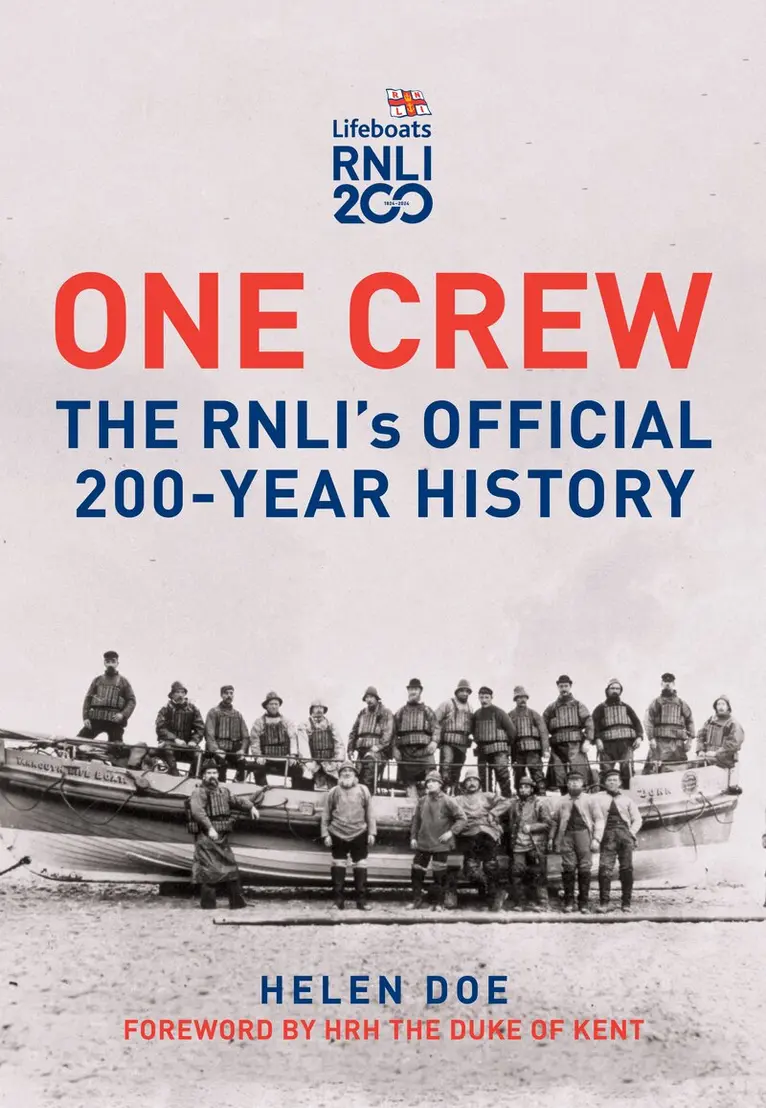
In the 200 years since it was founded, the RNLI has saved more than 144,000 lives.It all began with a meeting in London in 1824 to act on a proposal by Sir William Hillary: the formation of a National Institution for the Preservation of Life from Shipwreck. It is his vision that still drives the RNLI today. The vast majority of its crews are volunteers, backed up by large numbers of fundraisers from every walk of life. And the charity today saves lives in more ways, in more places – through lifeguards, water safety and international work. But, since the RNLI’s foundation, it has not always been plain sailing. In April 1852, the Lifeboat Journal observed that ‘lifeboats have been too few in number, of imperfect form and construction, and often unsuited to the nature of the locality where stationed’. This book takes a fresh look at the creation of the Institution and its early founders, and examines how it has responded over 200 years to the inevitable stresses and external pressures. It provides information on many hitherto unsung heroes and heroines and lesser-known rescues, as well as the well-known events.The RNLI has overcome many obstacles and is now one of the UK and Ireland’s most respected organisations. How it became so is a story of determination, acumen, skill and bravery. More than 700 names are inscribed on the RNLI Memorial at RNLI Support Centre in Poole, Dorset. The author and publishers hope that this book is a fitting tribute to such self-sacrifice.
121 kr
Skickas
In the 200 years since it was founded, the RNLI has saved more than 144,000 lives.It all began with a meeting in London in 1824 to act on a proposal by Sir William Hillary: the formation of a National Institution for the Preservation of Life from Shipwreck. It is his vision that still drives the RNLI today. The vast majority of its crews are volunteers, backed up by large numbers of fundraisers from all walks of life. And the charity today saves lives in more ways, in more places – through lifeguards, water safety and international work. But, since the RNLI’s foundation, it has not always been plain sailing. In April 1852, the Lifeboat Journal observed that ‘lifeboats have been too few in number, of imperfect form and construction, and often unsuited to the nature of the locality where stationed’. This book takes a fresh look at the creation of the Institution and its early founders, and examines how it has responded over 200 years to the inevitable stresses and external pressures. It provides information on many hitherto unsung heroes and heroines and lesser-known rescues, along with the well-known events.The RNLI has overcome many obstacles and is now one of the UK and Ireland’s most respected organisations. How it became so is a story of determination, acumen, skill and bravery. More than 700 names are inscribed on the RNLI Memorial at the RNLI Support Centre in Poole, Dorset. The author and publishers hope that this book is a fitting tribute to such self-sacrifice.
Del 14 - Arcturus Military History
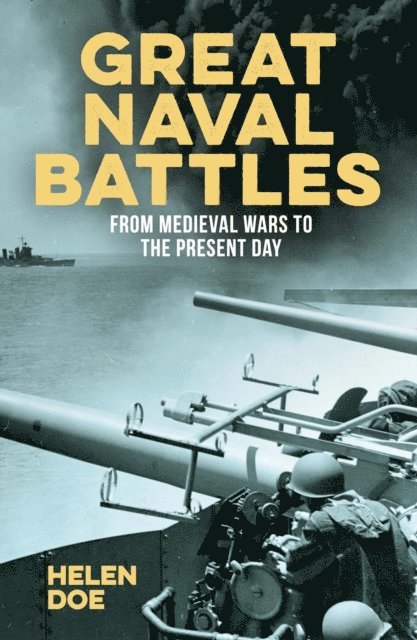
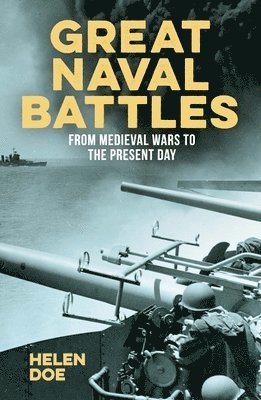
Great Naval Battles
From Medieval Wars to the Present Day
Häftad, Engelska, 2022
111 kr
Tillfälligt slut
274 kr
Skickas inom 11-20 vardagar
In June 1940, at the age of twenty, Bob Doe believed himself to be the worst pilot in his squadron. Just three months later he was a highly decorated hero of the Battle of Britain. This is the story of the pilot who, in his own estimation, was not promising material for a fighter pilot. He left school at fourteen and had none of the qualifications or background of his fellow officers. But he found his place in the Battle of Britain, shooting down fourteen enemy aircraft and sharing in two others (he was the third highest scoring pilot of the Battle). He was unusual in achieving these victories in both Spitfires and Hurricanes.This biography, written by his daughter, a noted professional historian, tells the story of Bob’s remarkable career, including his time in Burma leading an Indian Air Force squadron against the Japanese. He was a modest man who spoke for many veterans when he asked that they should not be considered as heroes but remembered for what they did. This book celebrates Bob’s achievements and also those of the men who fought alongside him.
121 kr
Skickas
‘I saw a mass of ME 109s and went up to attack. I looked behind and found three on each side diving to attack me.’ Bob Doe, Combat Report 16 August 1940In June 1940, at the age of twenty, Bob Doe believed himself to be the worst pilot in his squadron. Just three months later he was a highly decorated hero of the Battle of Britain. This is the story of the pilot who, in his own estimation, was not promising material for a fighter pilot. He left school at fourteen and had none of the qualifications or background of his fellow officers, but he found his place in the Battle of Britain, shooting down fourteen enemy aircraft and sharing in two others. He became the third-highest-scoring pilot of the Battle, and was unusual in achieving these victories in both Spitfires and Hurricanes.This biography, written by his daughter, a noted professional historian, tells the story of Bob’s remarkable career, including his time in Burma leading an Indian Air Force squadron against the Japanese. He was a modest man who spoke for many veterans when he asked that they should not be considered as heroes but remembered for what they did. This book celebrates Bob’s achievements and also those of the men who fought alongside him.
214 kr
Skickas inom 11-20 vardagar
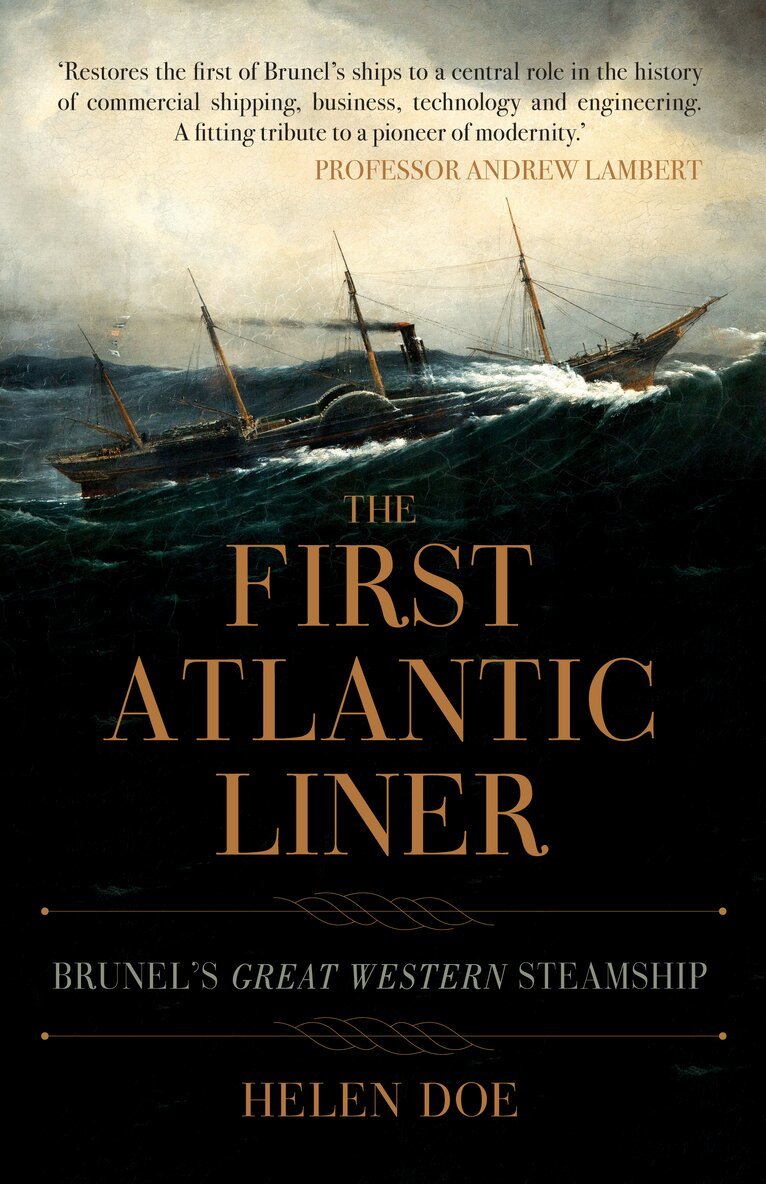
The Great Western is the least known of Isambard Kingdom Brunel’s three ships, being overshadowed by the later careers of the Great Britain and the Great Eastern. However, the Great Western was the first great success, confounding the critics in becoming the fastest ship to steam continuously across the Atlantic, and began the era of luxury transatlantic liners. It was a bold venture by Brunel and his colleagues, who were testing the limits of known technology.This book examines the businessmen, the shipbuilding committee and Brunel and looks at life on board for the crew and the passengers using diaries from the United States and England. The ship’s first voyage made headline news in New York and London and involved a race with the small steamship Sirius. The Great Western’s maiden voyage was a triumph, and this wooden paddle steamer became the wonder of her age. She linked antebellum New York with the London of Charles Dickens and the youthful Queen Victoria. The ship continued to carry the rich and the famous across the Atlantic for eighteen years.
168 kr
Skickas
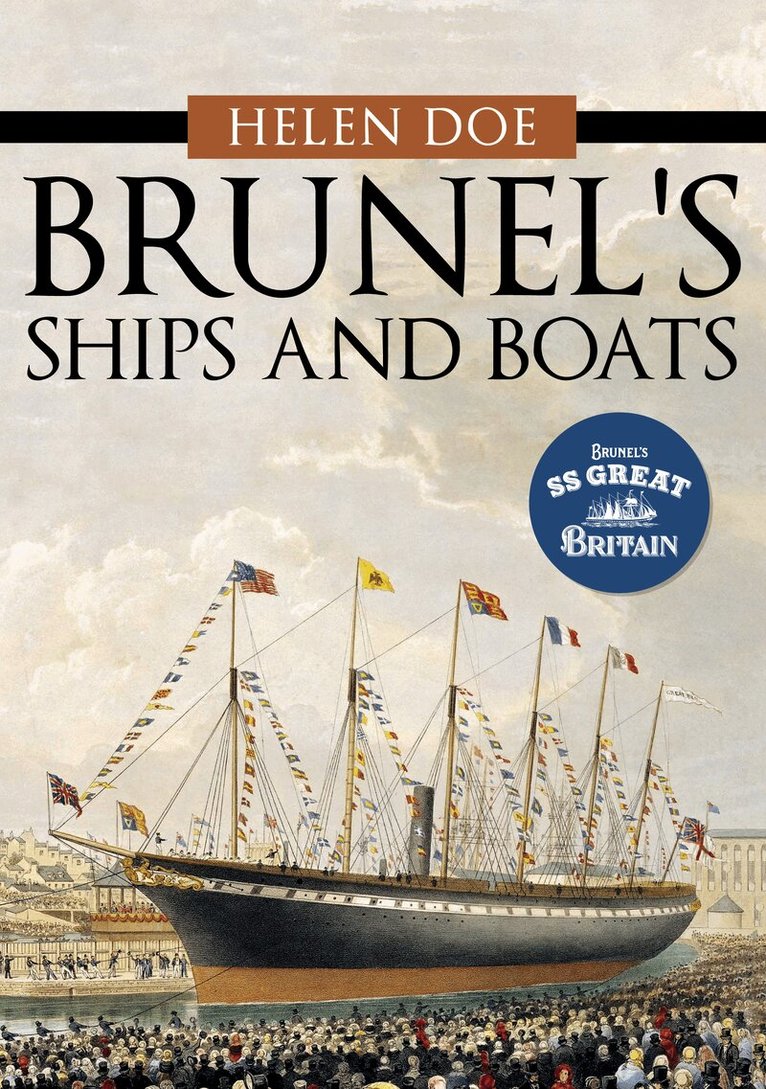
This book provides for the first time a complete look at all of Isambard Kingdom Brunel’s contributions to the great age of steamship design. From modelling boats as a child to his youthful dreams of leading a fleet of ships, he was excited by maritime ventures. Brunel was fortunate to be part of an exciting age of maritime steam and he was the great innovator, bringing together the best of the emerging technologies. His first ship was the Great Western, a wooden paddle steamer launched in 1837, and he is well known for the Great Britain and the Great Eastern. But these are not his only vessels and here they are all revealed. From humble industrial craft, his work with the Admiralty on the first screw propelled warships to vast ocean liners, Brunel was constantly sketching out his ideas. His ships travelled the world, speeding up communications and carrying large numbers of passengers across the oceans.This book provides an overview of all of Brunel’s vessels, small and large, from boats to ships, leisure craft to gunboats, and follows his progression as he pushed boundaries and tested new technology.Dr Helen Doe is a maritime historian, specialising in the nineteenth century. She is a Fellow of the University of Exeter, Vice Chairman of the British Commission for Maritime History, Fellow of the Royal Historical Society and a Trustee of the SS Great Britain. She has published extensively and her previous book was The First Atlantic Liner: Brunel’s Great Western Steamship.
111 kr
Skickas
The Great Western is the least known of Isambard Kingdom Brunel’s three ships, being overshadowed by the later careers of the Great Britain and the Great Eastern. However, the Great Westernwas the first great success, confounding the critics in becoming the fastest ship to steam continuously across the Atlantic, and began the era of luxury transatlantic liners. It was a bold venture by Brunel and his colleagues, who were testing the limits of known technology.This book examines the businessmen, the shipbuilding committee and Brunel and looks at life on board for the crew and the passengers using diaries from the United States and England. The ship’s first voyage made headline news in New York and London and involved a race with the small steamship Sirius. The Great Western’s maiden voyage was a triumph, and this wooden paddle steamer became the wonder of her age. She linked antebellum New York with the London of Charles Dickens and the youthful Queen Victoria. The ship continued to carry the rich and the famous across the Atlantic for eighteen years.
Royal National Lifeboat Institution, 1824-1897
Organisational Change and State Support
Inbunden, Engelska, 2026
1 883 kr
Skickas inom 10-15 vardagar
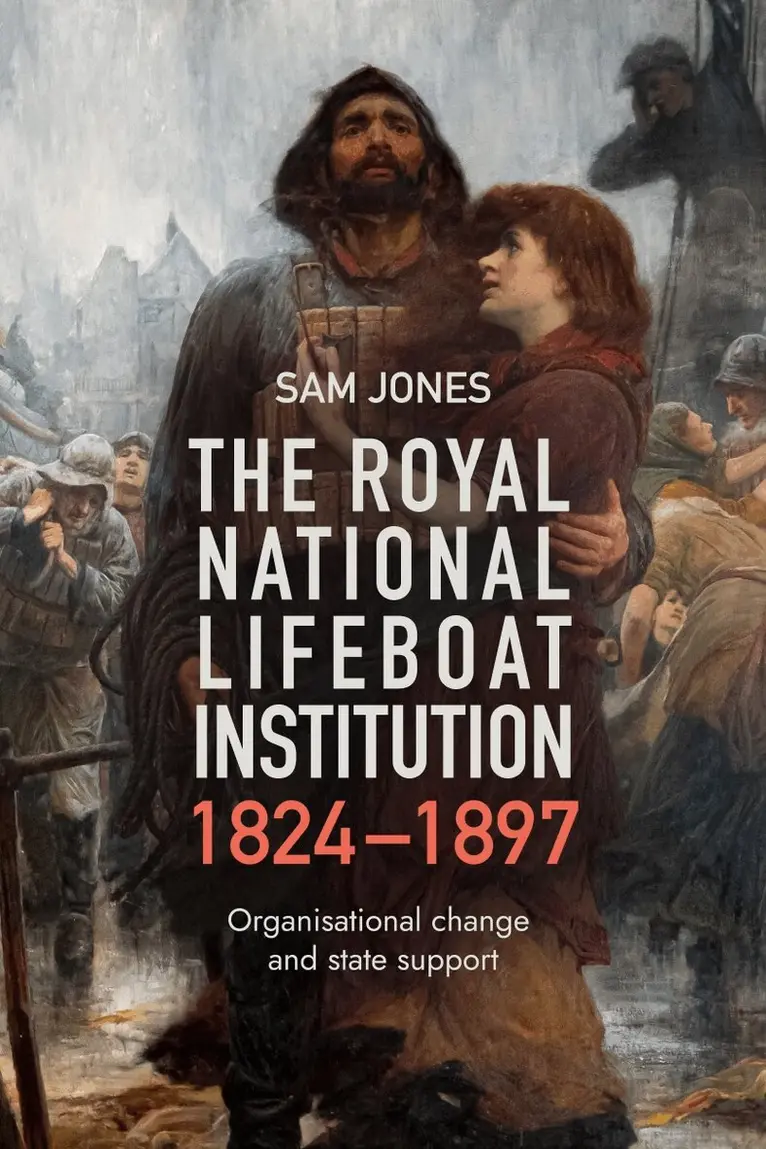
An overview of the early years of the Royal National Lifeboat Institution (RNLI), highlighting the debates about how far the organisation should be self-supporting or state-funded.One of the key dilemmas for the state in nineteenth century Britain was how far should it provide public services. The case of the Royal National Lifeboat Institution (RNLI), a private charity founded in 1824, demonstrates this dilemma in action. By 1850, despite a promising start, the RNLI was in danger of total collapse with a severe lack of funds, unable to provide the lifeboats required. This book, based on extensive original research, explores how the government, after some hesitation, funded the charity for a fifteen year period, withdrawing from involvement once the charity was back on its feet. The book examines how this limited support enabled the charity to re-organise and expand into a truly national service, absorbing many previously independent lifeboat organisations, so that by the end of the century the RNLI was a large, sophisticated and complex charity wielding considerable influence at the highest levels of the establishment, developing pioneering fundraising techniques and highly sophisticated publicity, branding and reputation management strategies. Overall, the book refines our understanding of how laissez-faire and state intervention worked in practice and shows how it came about that Britain and Ireland's lifeboat service is provided by a charity rather than the state.
214 kr
Skickas
1 212 kr
Skickas inom 10-15 vardagar
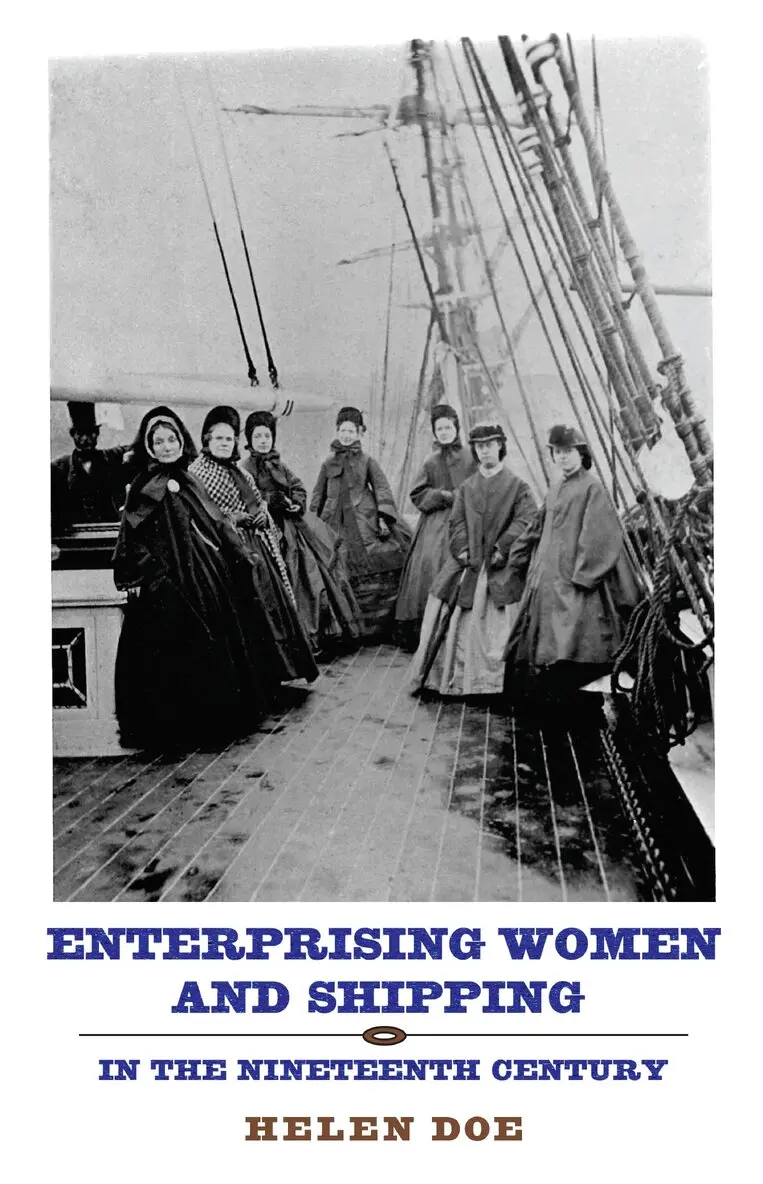
An examination of women entrepreneurs who invested in, and often managed, non-feminine businesses such as shipping and shipbuilding in the late eighteenth and nineteenth centuries.Far from the genteel notion of Victorian women as milliners and haberdashers, this book shows that women could and did manage male businesses and manage men. Women invested in the expanding shipping industry throughout the late eighteenth and the nineteenth century and actively ran non feminine businesses such as shipbuilding. By setting the businesswomen firmly in the context of the industry, the book examines the business challenges from the woman's perspective. It demonstrates how a woman needed to understand the business requirements while in some cases also being a single parent. As business managers, they had to manage a male workforce, deal with large and important customersand ensure they maintained their firm's reputation and continued to win orders. Nor were these women mere caretakers for the next generation, in many cases continuing to run the business in an active manner after their son or sons were of age. This book reveals communities of independent women in England who were active entrepreneurs and investors, in a period when women were increasingly supposed to be relegated to a more domestic role. It includes briefbiographies of many of these women entrepreneurs who were also conventional mothers, wives and daughters. Helen Doe is an Honorary Fellow of the Centre for Maritime Historical Studies, University of Exeter; a Council Member ofthe Society for Nautical Research; chair of their marketing committee; a member of the British Commission for Maritime History; on the Advisory Council of the SS Great Britain; and a Trustee of the National Maritime Museum Cornwall.
1 070 kr
Skickas inom 7-10 vardagar
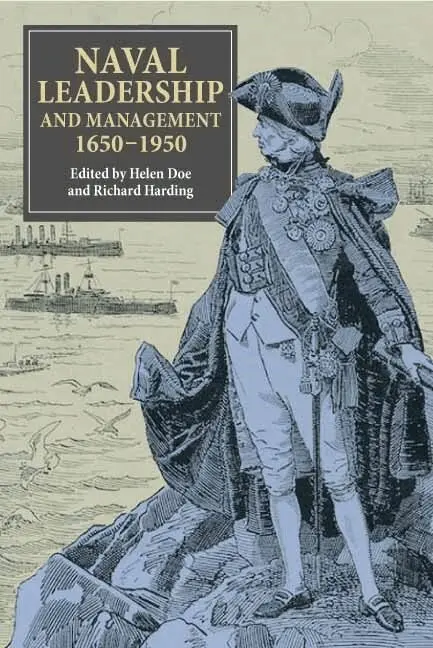
Considers naval leadership and management very widely, moving beyond a focus on leading admirals.Many works on naval history ascribe success to the special qualities of individual leaders, Nelson being the prime example. This book in contrast moves away from focusing on Nelson and other leading individuals to explore more fully how naval leadership worked in the context of a large, complex, globally-capable institution. It puts forward important original scholarship around four main themes: the place of the hero in naval leadership; organisational friction in matters of command; the role of management capability in the exercise of naval power; and the evolution of management and technical training in the Royal Navy. Besides providing much new, interesting material for naval and maritime historians, the book also offers important insights for management and leadership specialists more generally. HELEN DOE is a Fellow of the Centre for Maritime Historical Studies, University of Exeter and author of Enterprising Women and Shipping (Boydell, 2009). RICHARD HARDING is Professor of Organisational History at the University of Westminster and author of The Emergence of Britain's Global Naval Supremacy (Boydell, 2010), Amphibious Warfare in the Eighteenth Century (Royal Historical Society, 1991) and six other books. Contributors: GARETH COLE, MIKE FARQUHARSON-ROBERTS, MARY JONES, ROGER KNIGHT, ROGER MORRISS, ELINOR ROMANS, DAVID J. STARKEY, PETER WARD, OLIVER WALTON, BRITT ZERBE.
85 kr
Skickas
Stanford Tuck
Hero of the Battle of Britain: The Life of the Great Fighter Ace
Inbunden, Engelska, 2023
248 kr
Skickas inom 7-10 vardagar
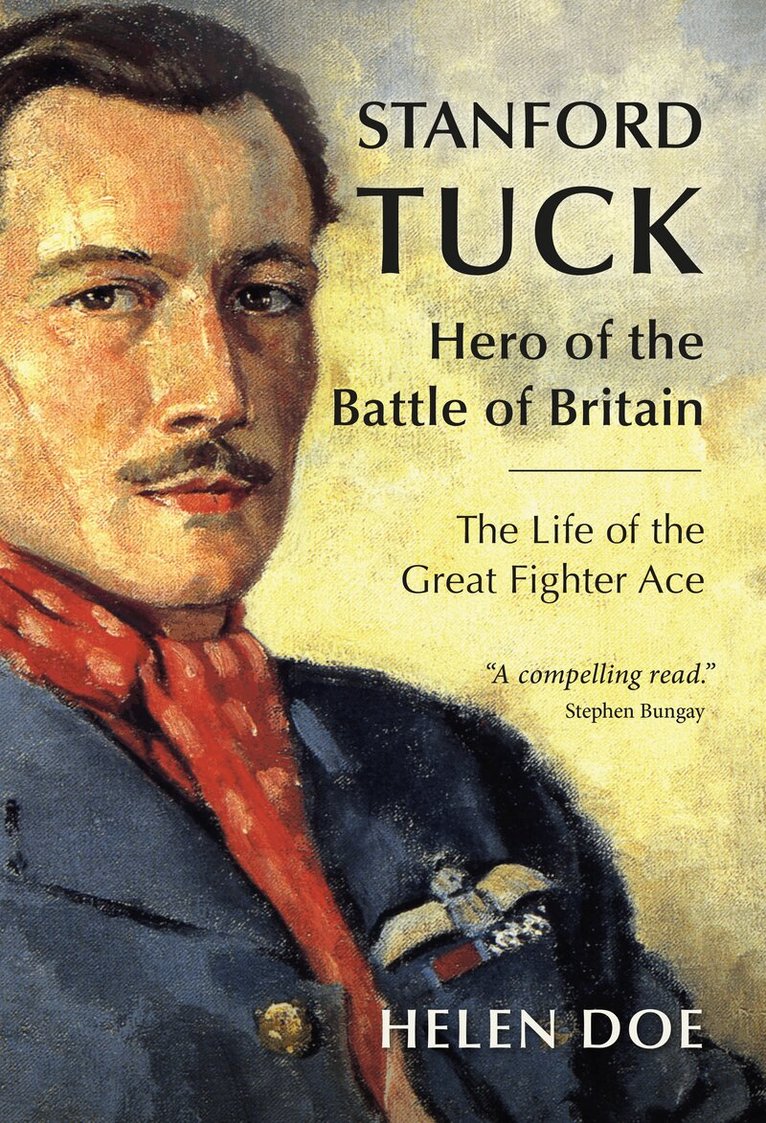
The first full reappraisal of one of Britain's great fighter aces, this book examines the truth behind Tuck's 1956 biography, Fly for Your Life. It looks at the evidence behind the myths, checks out some of the exaggerated stories and reveals the real Stanford Tuck.In January 1942 Bob Tuck was the top-scoring British fighter ace with an official score of 29 enemy aircraft destroyed. With film-star looks he was the glamorous role model for the RAF publicity machine and an eager press and public wanting wartime heroes. He had joined the RAF in 1935 and quickly showed his excellent flying skills. In 1940 his Spitfire squadron was fighting over Dunkirk where he proved himself an expert shot. During the Battle of Britain his legendary prowess grew and he was posted to command a leaderless and demoralised squadron, this time flying Hurricanes. He continued to prove he was an outstanding fighter ace, gaining the rare distinction of three DFCs and then the DSO for his leadership.He was shot down over France in January 1942. Imprisoned in Stalag Luft III. His room-mate was Roger Bushell, the mastermind of the Great Escape and Tuck worked with him on the committee and was to be his partner in the escape. In January 1944 however, around 20 POWs, including Tuck, were purged to a new camp. Still determined to escape, when his camp was moved out on the Long March westwards, Tuck and a Polish officer took a risky chance and made their way east to Russian forces and thence to England.This book reveals a more complex man than the one-dimensional hero of the previous biography. Post war, he became good friends with the Luftwaffe ace, Adolf Galland, and was a key advisor with him on the film, Battle of Britain, and, often with his other friend, Douglas Bader, made many media appearances. His health suffered in later years from the impact of his war service and his imprisonment and he died aged 70 in 1987.
152 kr
Skickas inom 7-10 vardagar
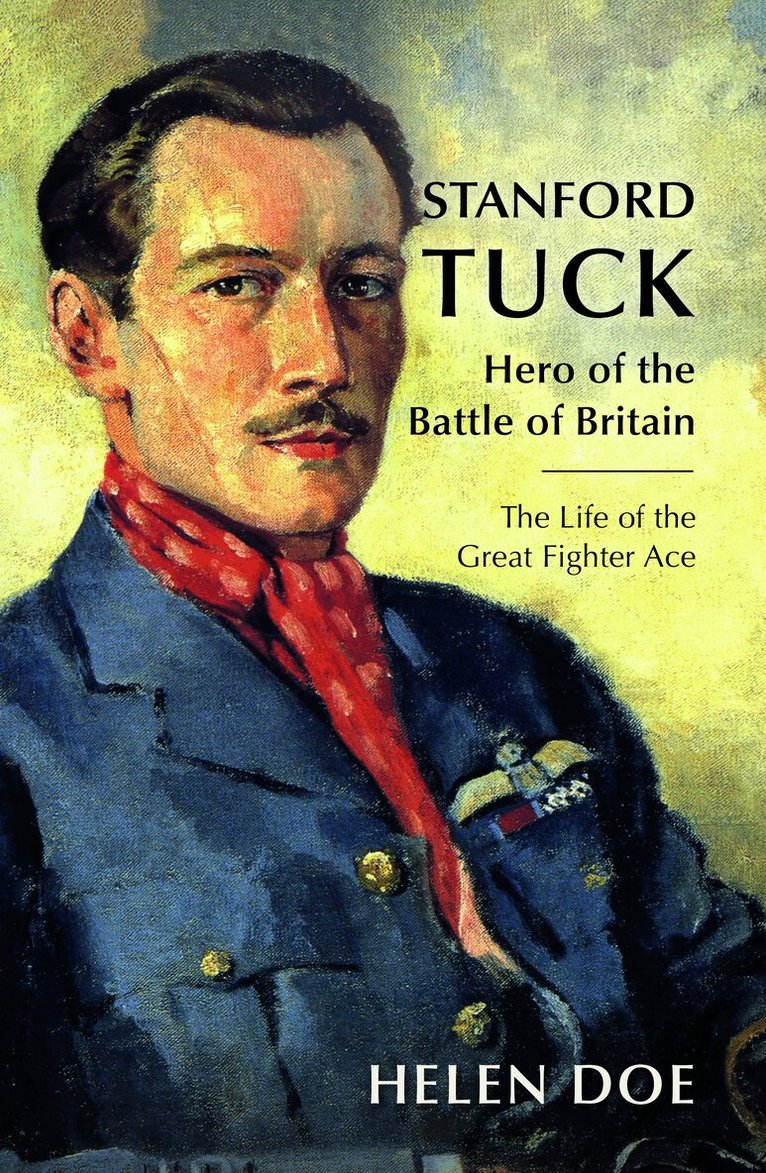
The first full reappraisal of one of Britain's great fighter aces, this book examines the truth behind Tuck's 1956 biography, Fly for Your Life. It looks at the evidence behind the myths, and reveals the real Stanford Tuck, a more complex man than the one-dimensional hero of the previous biography.During the Second World War, Bob Tuck was a top-scoring British fighter ace with an official score of 29 enemy aircraft destroyed by January 1942, and became the glamorous role model for the RAF publicity machine. He had joined the RAF in 1935 and quickly showed his excellent flying skills. In 1940 his Spitfire squadron was fighting over Dunkirk where he first proved himself an expert shot. During the Battle of Britain his legendary prowess grew and he was posted to command a leaderless and demoralised squadron, this time flying Hurricanes, where he continued to prove himself an outstanding fighter ace, gaining the rare distinction of three DFCs and then the DSO for his leadership.Shot down over France in January 1942, he was imprisoned in Stalag Luft III alongside Roger Bushell, the mastermind of the Great Escape. In January 1944, he was purged along with around 20 other POWs to a new camp. Still determined to escape, he took a risky chance during the Long March along with a Polish officer, making their way east to Russian forces and thence to England. Post-war he became good friends with the Luftwaffe ace, Adolf Galland, and was a key advisor with him on the film, Battle of Britain, and, often with his other friend, Douglas Bader, made many media appearances. His health suffered in later years from the impact of his war service and his imprisonment and he died aged 70 in 1987.