Hyon Joo Yoo – författare
Visar alla böcker från författaren Hyon Joo Yoo. Handla med fri frakt och snabb leverans.
4 produkter
4 produkter
9 084 kr
Skickas inom 7-10 vardagar
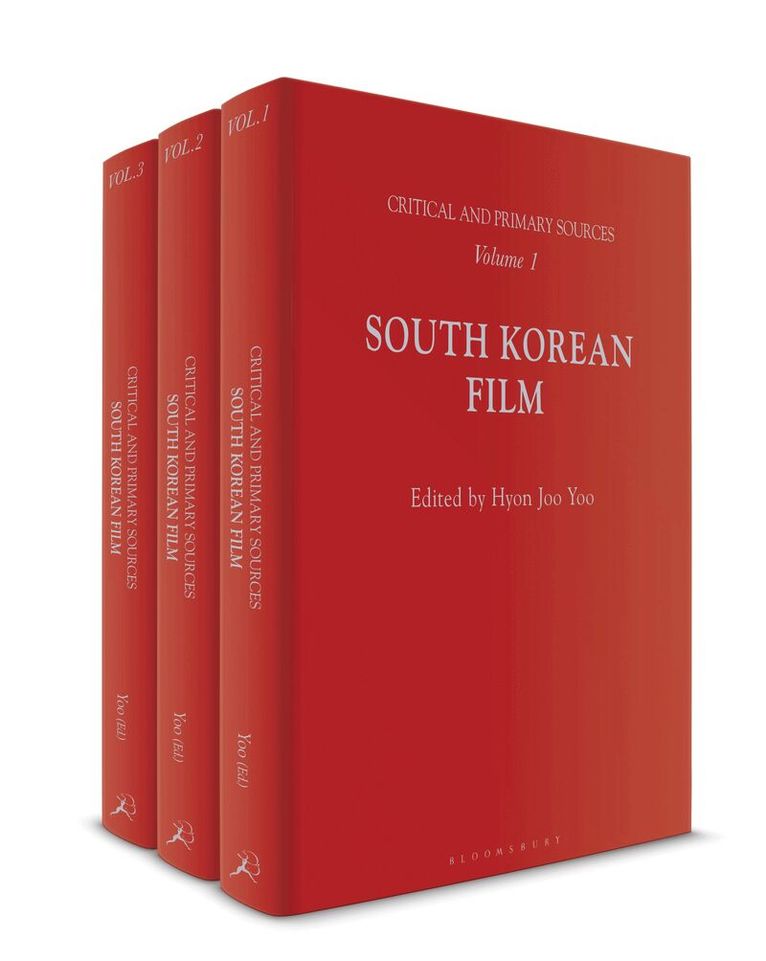
This three-volume reference collection represents three distinct phases in the development of South Korean national cinema. It foregrounds how epochal characteristics inform the way in which the national cinema represents the penetrating thematic concern of auteur-ship, genre, spectatorship, gender, and nation, as well as the way in which these themes find expression in distinct visual styles and forms.The pack reveals the emphasis in current research on the central themes of gender and nation and on the stylistic and representational strategies that articulate those paired themes in South Korean national cinema. This is an essential addition to libraries and a major scholarly resource for researchers involved in the study of South Korean film.
1 719 kr
Skickas inom 5-8 vardagar
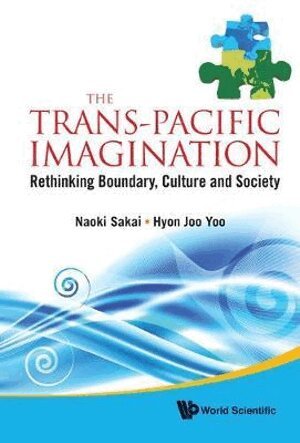
This anthology critically re-examines and re-articulates the discursive boundary that binds the region called East Asia in order to produce Trans-Pacific Studies. Recognizing that the creation of regional boundaries depends on a new configuration of both inter- and intra-national power relations and the ideological constructs that generate historical, ideological, and cultural effects, this volume proposes that the term “trans-Pacific” be mobilized to complicate the phrase “East Asian” as the boundary of academic discipline and socio-cultural discourse. The anthology also examines the historical conditions under which “East Asia” was constructed as an area and the trans-Pacific directives that nurtured the sense of nationality in each component nation of East Asia.With the contribution of: Sun Ge (The Institute of Literature, Chinese Academy of Social Sciences); Soyoung Kim (Korean National University of Arts); Hyoduk Lee (Tokyo University of Foreign Studies); Jie-Hyun Lim (Hanyang University); Lisa Lowe (University of California); Tessa Morris-Suzuki (The Australian National University); Naoki Sakai (Cornell University), Yuko Shibata (Saint John's University); Annmaria Shimabuku (University of California); Ikuo Shinjou (University of the Ryukyus); Hyon Joo Yoo (University of Vermont).
373 kr
Skickas
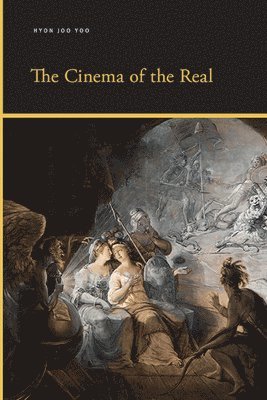
Alters the landscape of Lacanian film theory by revealing an "emancipatory drive" in transnational cinema.A significant intervention into Lacanian film studies, this book sets forth a new theory of the psychoanalytic Real in cinema. In psychoanalysis, the Real ruptures the Symbolic that organizes law, ideology, and other systems of belief, revealing fissures in this underlying order. The Cinema of the Real explores how transnational cinema and especially South Korean cinema facilitate an encounter with the Real, enabling the emergence of a new political subject. Paying close attention to form, Hyon Joo Yoo reveals the existence of an "emancipatory drive" in films by Jang Hun, Park Chan-wook, Lee Chang-dong, Jia Zhangke, Michael Haneke, Claire Denis, and Bong Joon-ho, among others. Their work in effect provides viewers with a picture of how it looks and feels to be on a trajectory in which the subject and her world can change. Far from being a passive consumer of images, Yoo's spectator enters the space of the Real. Theoretically rigorous and inventive, The Cinema of the Real offers new, transnationally attuned tools for conceptualizing the body, affect, femininity, and spectatorship, as well as fresh readings of both classic and contemporary films.
990 kr
Skickas
Alters the landscape of Lacanian film theory by revealing an "emancipatory drive" in transnational cinema.A significant intervention into Lacanian film studies, this book sets forth a new theory of the psychoanalytic Real in cinema. In psychoanalysis, the Real ruptures the Symbolic that organizes law, ideology, and other systems of belief, revealing fissures in this underlying order. The Cinema of the Real explores how transnational cinema and especially South Korean cinema facilitate an encounter with the Real, enabling the emergence of a new political subject. Paying close attention to form, Hyon Joo Yoo reveals the existence of an "emancipatory drive" in films by Jang Hun, Park Chan-wook, Lee Chang-dong, Jia Zhangke, Michael Haneke, Claire Denis, and Bong Joon-ho, among others. Their work in effect provides viewers with a picture of how it looks and feels to be on a trajectory in which the subject and her world can change. Far from being a passive consumer of images, Yoo's spectator enters the space of the Real. Theoretically rigorous and inventive, The Cinema of the Real offers new, transnationally attuned tools for conceptualizing the body, affect, femininity, and spectatorship, as well as fresh readings of both classic and contemporary films.