• Fri frakt över 249 kr
  • •
  • Snabba leveranser
  • •
  • Billiga böcker
Kundservice

Du är på sajten för privatpersoner.

Företag, bibliotek eller offentlig verksamhet?

Du handlar på classic.bokus.com, där alla dina funktioner finns intakta.
Till classic.bokus.com
Bokus logotyp. Gå till startsidan.
  • Erbjudanden
  • Nyheter
  • Student
  • Topplistor
  • Barn & ungdom
  • Bokus Play
  • E-böcker
  • Pocketböcker
  • Spel & pussel

10% rabatt på allt med kod: NYSTART10 →

Sidfot

Mina sidor

    Hjälp

    • Kundservice
    • Vanliga frågor och svar
    • Frakt och leverans
    • Retur vid ångerrätt
    • Reklamera vara
    • Betalning
    • Köpvillkor
    • Allmänna villkor
    • Information om webbplatsens tillgänglighet

    Om Bokus

    • Om oss
    • Pressrum
    • För studenter
    • För företag
    • För bibliotek och offentlig verksamhet
    • För leverantörer
    • Hållbarhet

    Populärt

    • Aktuella erbjudanden
    • Presentkort
    • Studentlitteratur
    • Nya böcker
    • Topplistor
    • Signerade böcker
    • Engelska böcker

    Inspiration

    • Boktips
    • BookTok
    • Populära bokserier
    • Barnbokskaraktärer
    • Populära författare
    Logotyp för Bokus
    Följ oss på Facebook (extern länk)Följ oss på Instagram (extern länk)Följ oss på YouTube (extern länk)Följ oss på TikTok (extern länk)
    bokus @ CookiesAnpassa cookiesIntegritetspolicyKöpvillkor
    Till Citymail hemsida (extern länk)Till Budbee hemsida (extern länk)Till Postnord hemsida (extern länk)Till Schenker hemsida (extern länk)Till Early Bird hemsida (extern länk)Till Walleys hemsida (extern länk)
    1. Kultur
    2. Scenkonst och film
    3. Film

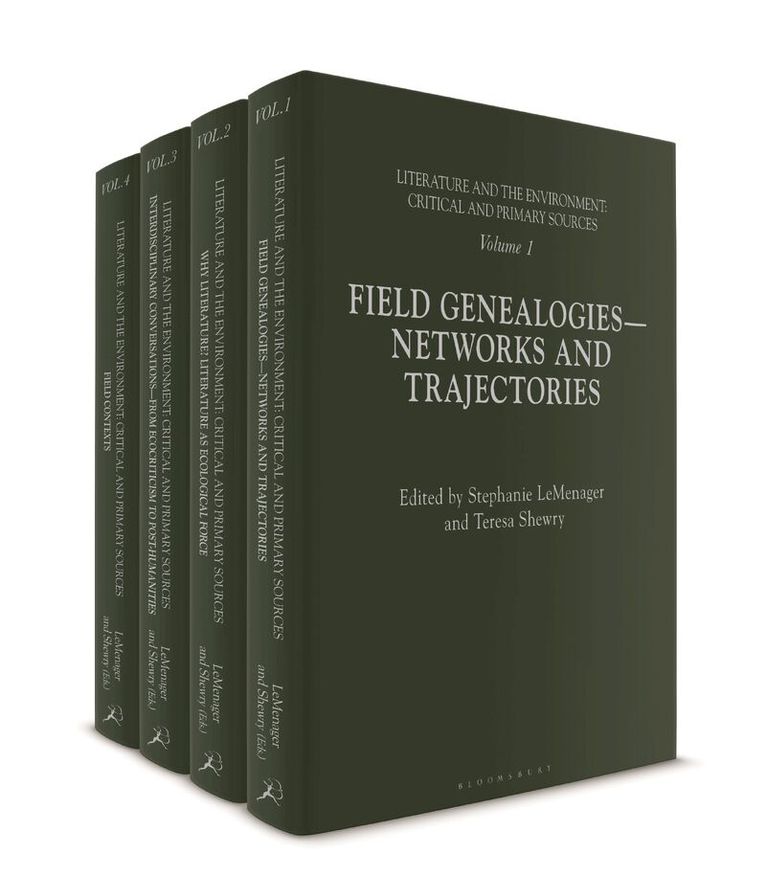
    South Korean Film

    Critical and Primary Sources

    AvHyon Joo Yoo

    Bloomsbury Publishing Plc

    2021

    Del i serien Critical and Primary Sources

    9 427 kr

    Beställningsvara. Skickas inom 5-8 vardagar. Fri frakt över 249 kr.
    Beskrivning

    This three-volume reference collection represents three distinct phases in the development of South Korean national cinema. It foregrounds how epochal characteristics inform the way in which the national cinema represents the penetrating thematic concern of auteur-ship, genre, spectatorship, gender, and nation, as well as the way in which these themes find expression in distinct visual styles and forms.The pack reveals the emphasis in current research on the central themes of gender and nation and on the stylistic and representational strategies that articulate those paired themes in South Korean national cinema. This is an essential addition to libraries and a major scholarly resource for researchers involved in the study of South Korean film.

    Produktinformation

    • Märke:Bloomsbury Publishing Plc
    • Utgivningsdatum:2021-09-09
    • Höjd:162 x 238 x 90 mm
    • Vikt:2 460 g
    • Språk:Engelska
    • Serie:Critical and Primary Sources
    • Antal sidor:3
    • Förlag:Bloomsbury Publishing Plc
    • EAN:9781501322617

    Utforska kategorier

    • Film inom Kultur

    Mer om författaren

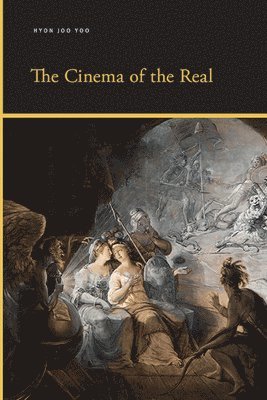
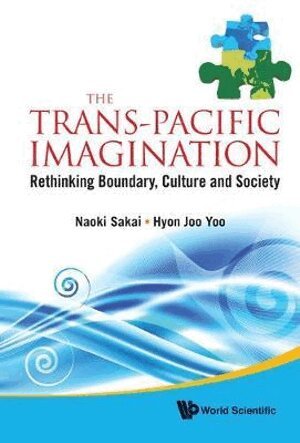
    Hyon Joo Yoo is Associate Professor of Film and Television Studies at The University of Vermont, USA. She is the author of Cinema at the Crossroads: Nation and the Subject in East Asian Cinema (2012) and co-editor of The Trans-Pacific Imagination: Rethinking Boundary, Culture and Society (2012).

    Innehållsförteckning

    • I. Modernity in Golden Age South Korean CinemaSoyoung Kim “Questions of Woman’s Film: The Maid, Madam Freedom, and Women” in Postcolonial Classics of Korean Cinema. Ed. C. Choi. Irvine: Korean Film Festival Committee at the UC Irvine (1998).Kelly Jeong “Nation Rebuilding and Postwar South Korean Cinema: The Coachman and The Stray Bullet” in Kelley Jeong Crisis of Gender and the Nation in Korean Literature and Cinema: Modernity Arrives Again, Lexington Books (2010).Steven Chung “Regimes within Regimes: Film and Fashion in the Korean 1950s” in The Korean Popular Culture Reader, ed. Young-min Choe and Kyung Hyun Kim, pp.103-125, Duke University Press (2013).Chris Berry “Scream and Scream Again: Korean Modernity as a House of Horrors in the Films of Kim Ki-young” in Seoul Searching: Culture and Identity in Contemporary Korean Cinema. Ed. Frances Gateward. Albany: SUNY Press (2007). II. New Korean CinemaKyung Hyun Kim “Lethal Work: Domestic Space and Gender Troubles in Happy End and The Housemaid” in South Korean Golden Age Melodrama: Gender, Genre, and National Cinema. Eds. Kathleen McHugh & Nancy Abelmann. Wayne State University Press (2005).Kyung Hyun Kim “Virtual Landscapes: Soponje, The Power of Kangwon Province, and The Host” in Kyung Hyun Kim Virtual Hallyu: Korean Cinema of the Global Era. Duke University Press (2011).Hyon Joo Yoo “Transnational Cultural Production and the Politics of Moribund Masculinity” in positions: east asia cultures critique, vol.16, no.3 (2008).Hyon Joo Yoo “The Incurable Feminine: Women without a Country in East Asian Cinema” in The Trans-Pacific Imagination: Rethinking Boundary, Culture and Society. Eds. Naoki Sakai & Hyon Joo Yoo. World Scientific Publishing (2012).Youngmin Choe “Postmemory DMZ in South Korean Cinema, 1999-2003” in The Journal of Korean Studies, vol. 18. no.2 (2013). Jinhee Choi “Blockbusters, Korean Style” in Jinhee Choi The South Korean Film Renaissance. Wesleyan University Press (2010).III. South Korean Auteurs in a Global EraDavid E. James “Im Kwon-Taek: Korean National Cinema and Buddhism” in Im Kwon-Taek: The Making of a Korean National Cinema. Eds. David E. James & Kyung Hyun Kim. Wayne State University Press (2002). Todd McGowan “Affirmation of the Lost Object: Peppermint Candy and the End of Progress” in symploke, vol 15, no.1-2 (2007).Hye Seung Chung “Beyond ‘Extreme’: Re-reading Kim Ki-duk’s Cinema of Ressentiment” in Journal of Film and Video, vol 62, no.1-2 (2010). David Scott Diffrient “The Unbearable Lightness of Hong Sang-soo’s HaHaHa: Awkward Humor, Nervous Laughter, and Self Critique in Contemporary Korean Comedy” in New Review of Film and Television Studies, vol. 12, no. 1, (2014).Joseph Jonghyun Jeon “Residual Selves: Trauma and Forgetting in Park Chan-wook’s Oldboy” in positions: east asia cultures critique, vol 17. No.3 (2009).Christina Klein “Why American Studies Needs to Think about Korean Cinema, or, Transnational Genres in the Films of Bong Joon-ho” in American Quarterly, vol. 60, no.4 (2008).Michelle Cho “Genre, Translation, and Transnational Cinema: Kim Jee-woon’s The Good, the Bad, the Weird” in Cinema Journal, vol.54, no.3 (2015).