Ian B. M. Ralston - Böcker
Visar alla böcker från författaren Ian B. M. Ralston. Handla med fri frakt och snabb leverans.
3 produkter
3 produkter
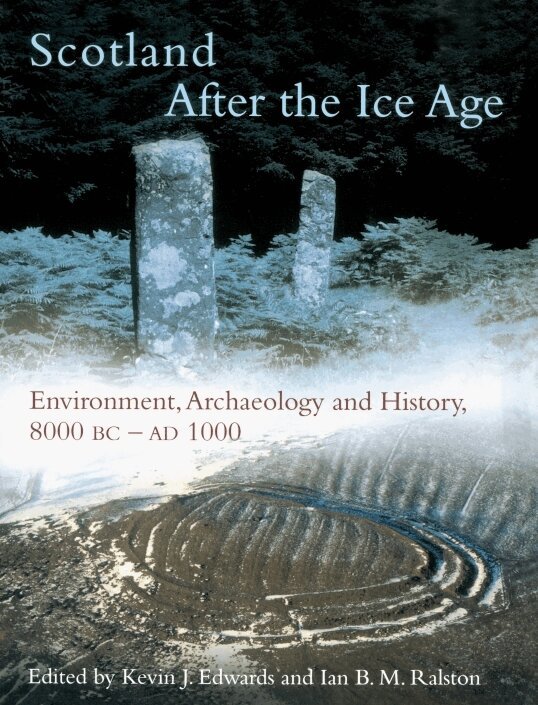
Scotland After the Ice Age
Environment, Archaeology and History 8000 BC - AD 1000
Häftad, Engelska, 2003
870 kr
Skickas inom 3-6 vardagar
This book charts the environmental transformation of Scotland from the end of the ice age in an empty land 10,000 years ago to the Viking invasions of an established society 9,000 years later. When the icefields and glaciers disappeared forests covered the land and sea level rose to create the Hebridean islands. Elk, aurochs, bear, boar, red deer, beaver and horse crossed the land bridge from Europe to colonise the land, first followed by hunter gatherers and later by waves of Celts, Romans, Scots, and Normans, each marking the landscape in distinctive ways. This book brings together environmental, ecological, historical, geological, and archaeological approaches to show how changing climatic conditions and this sequence of cultural impacts shaped the succession of Scottish landscapes which have led to its present unique, beautiful, fleeting forms and variety.The seventeen authors are scholars from a range of fields, all writing for students and general readers. The first six chapters consider interactions of human ecology, climate, landscape, soils, vegetation and faunal change. The next seven are a chronological narrative history of Scotland’s environment over 9,000 years. The final chapter unites these systematic and historical approaches. The book is extensively illustrated with maps and photographs. The paperback edition includes a new and extensive guide to further reading.
318 kr
Skickas
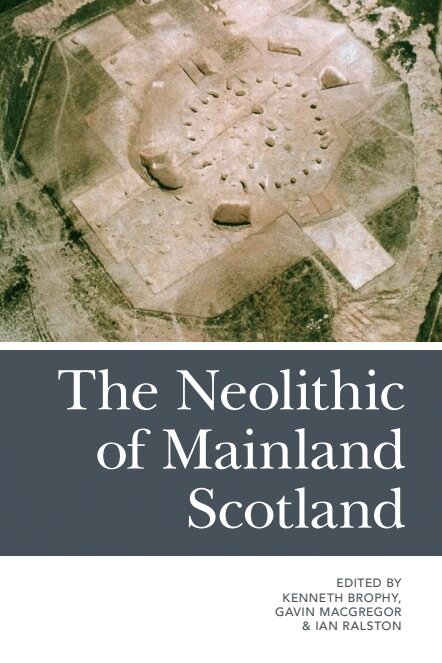
Archaeologists show us how the Neolithic human lived in mainland ScotlandWhat was life like in Scotland between 4000 and 2000BC? Where were people living? How did they treat their dead? Why did they spend so much time building extravagant ritual monuments? What was special about the relationship people had with trees and holes in the ground? What can we say about how people lived in the Neolithic and early Bronze Age of mainland Scotland where much of the evidence we have lies beneath the ploughsoil, or survives as slumped banks and ditches, or ruinous megaliths?Each contribution to this volume presents fresh research and radical new interpretations of the pits, postholes, ditches, rubbish dumps, human remains and broken potsherds left behind by our Neolithic forebears.From the APFWhat was life like in Scotland between 4000 and 2000BC? Where were people living? How did they treat their dead? Why did they spend so much time building extravagant ritual monuments? What was special about the relationship people had with trees? Why was so much time and effort spent digging holes and filling them back up again? What can we say about how people lived in the Neolithic and early Bronze Age of mainland Scotland where much of the evidence we have lies beneath the plough soil, or survives as slumped banks and filled ditches, or ruinous megaliths?This book will draw together leading experts and young researchers to present fresh research and outline radical new interpretations of the pits, postholes, ditches, rubbish dumps, human remains and broken potsherds left behind by our Neolithic forebears. Much of this evidence has come to light in the past few decades, putting the emphasis very much lowland, mainland Scotland as opposed to more famous Orcadian Neolithic sites. Inspired by the work of Gordon Barclay, the leading scholars of Scotland’s Neolithic in the last 40 years, the chapters in this book offer a wide-ranging analysis of the evidence we have for the first farmers in Scotland.
2 275 kr
Skickas inom 7-10 vardagar
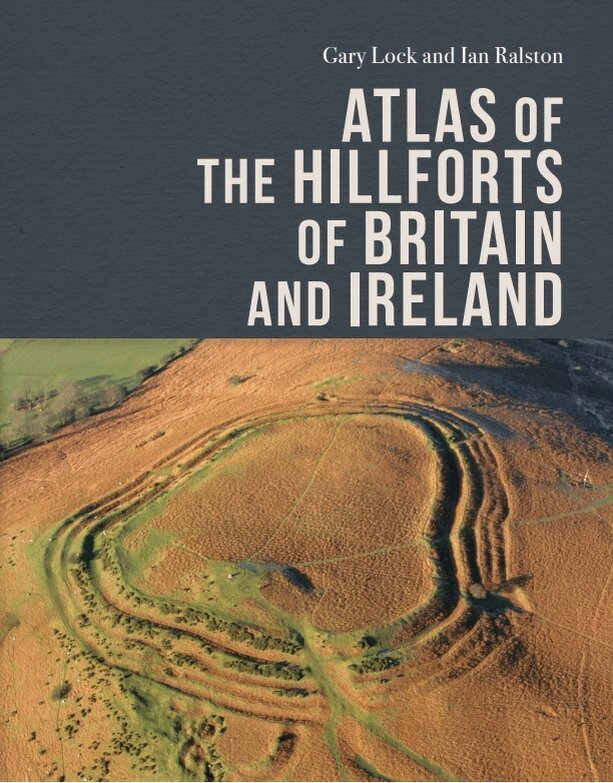
This book provides the first comprehensive series of maps of the hillforts of Britain and Ireland, with accompanying commentaries and broader overviews which interpret the survival and detection of this evidence in its later prehistoric and early historic contexts. The authors expertly assess and analyse the available evidence for over 4,000 hillforts from Shetland to Cornwall to County Clare to a single standard and present their findings in both map and descriptive form. Further detailed information is available to search online via our website.