Immanuel Kim – författare
Visar alla böcker från författaren Immanuel Kim. Handla med fri frakt och snabb leverans.
5 produkter
5 produkter
887 kr
Skickas inom 7-10 vardagar
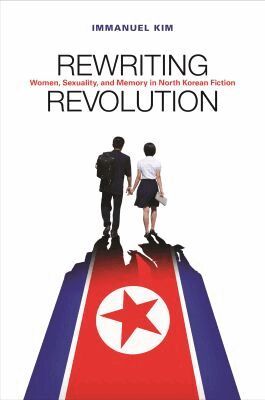
North Korea, the Democratic People’s Republic of Korea (DPRK), is firmly fixed in the Western imagination as a barbaric vestige of the Cold War, a “rogue” nation that refuses to abide by international norms. It is seen as belligerent and oppressive, a poor nation bent on depriving its citizens of their basic human rights and expanding its nuclear weapons program at the expense of a faltering economy. Even the North’s literary output is stigmatized and dismissed as mere propaganda literature praising the Great Leader.Immanuel Kim’s book confronts these stereotypes, offering a more complex portrayal of literature in the North based on writings from the 1960s to the present. The state, seeking to “write revolution,” prescribes grand narratives populated with characters motivated by their political commitments to the leader, the Party, the nation, and the collective. While acknowledging these qualities, Kim argues for deeper readings. In some novels and stories, he finds, the path to becoming a revolutionary hero or heroine is no longer a simple matter of formulaic plot progression; instead it is challenged, disrupted, and questioned by individual desires, decisions, doubts, and imaginations. Fiction in the 1980s in particular exhibits refreshing story lines and deeper character development along with creative approaches to delineating women, sexuality, and the family. These changes are so striking that they have ushered in what Kim calls a Golden Age of North Korean fiction.Rewriting Revolution charts the insightful literary frontiers that critically portray individuals negotiating their political and sexual identities in a revolutionary state. In this fresh and thought-provoking analysis of North Korean fiction, Kim looks past the ostensible state propaganda to explore the dynamic literary world where individuals with human emotions reside. His book fills a major lacuna and will be of interest to literary scholars and historians of East Asia, as well as to scholars of global and comparative studies in socialist countries.
754 kr
Skickas inom 7-10 vardagar
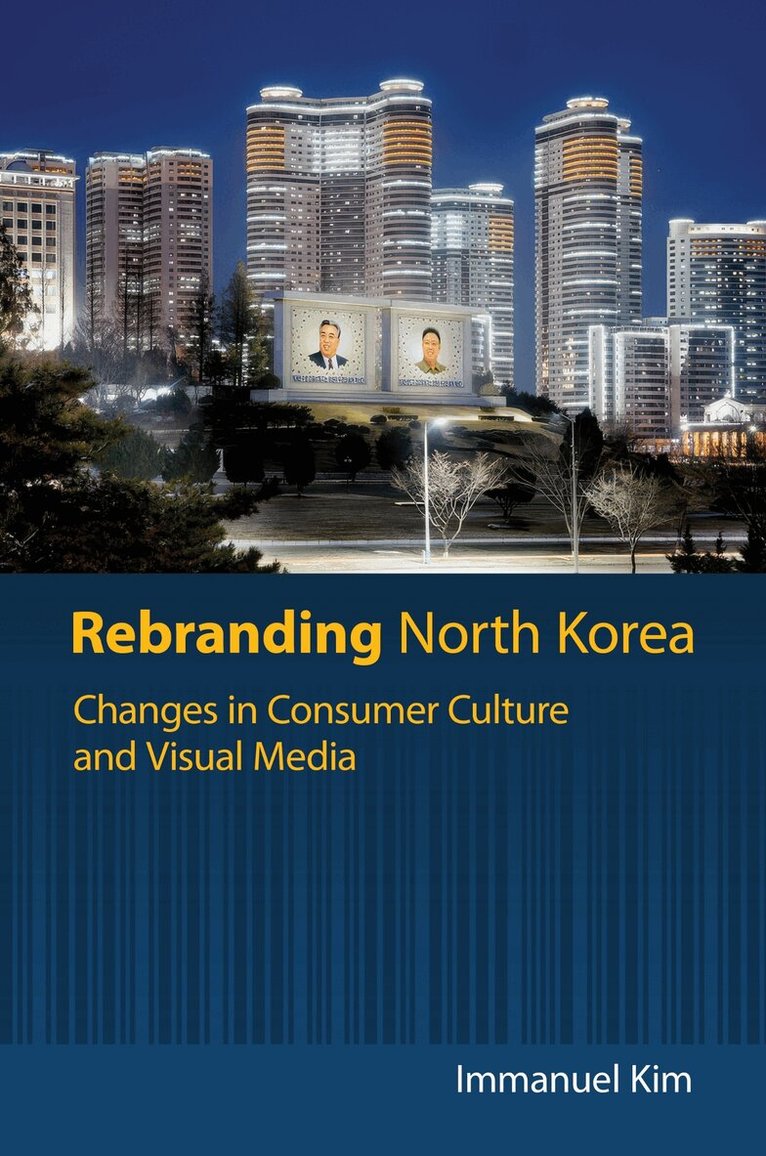
"Everything for the people, everything according to the people!" —Kim Jong UnUnder Kim Jong Un, North Korea has undertaken significant efforts to elevate the standard of living for its citizens. This shift has led to notable advancements in production and the quality of visual media, teaching North Koreans the "language" of consumerism and new methods of consumption. In Rebranding North Korea, Immanuel Kim delves into the implications of a thoroughly modernized North Korea for its citizens and the world as the country strives to participate in global modernity and technological advancements. Kim traces two parallel trajectories illustrating the most significant changes in North Korean consumer culture: the expansion of modern urban development projects and increased social amenities, alongside the technologically advanced aesthetic qualities of visual media. These changes reveal the transition from the politics-centric society of the Kim Jong Il regime to the consumer-centric one under Kim Jong Un. The country’s revamping of visual culture—as seen in the move from celluloid to digital formats, improved filmmaking techniques, advanced editing, drone usage, and artistic photographic renditions, coupled with an emphasis on digital literacy—highlights North Korea’s attempts to educate itself and rebrand the DPRK. Its revamped cityscapes, gentrified living conditions, fashionable consumer goods, and transformed film and television industries signal a strong and stable economy where citizens are not just getting by but actively customizing their consumerist lifestyles according to the images portrayed in visual media.
502 kr
Skickas inom 10-15 vardagar
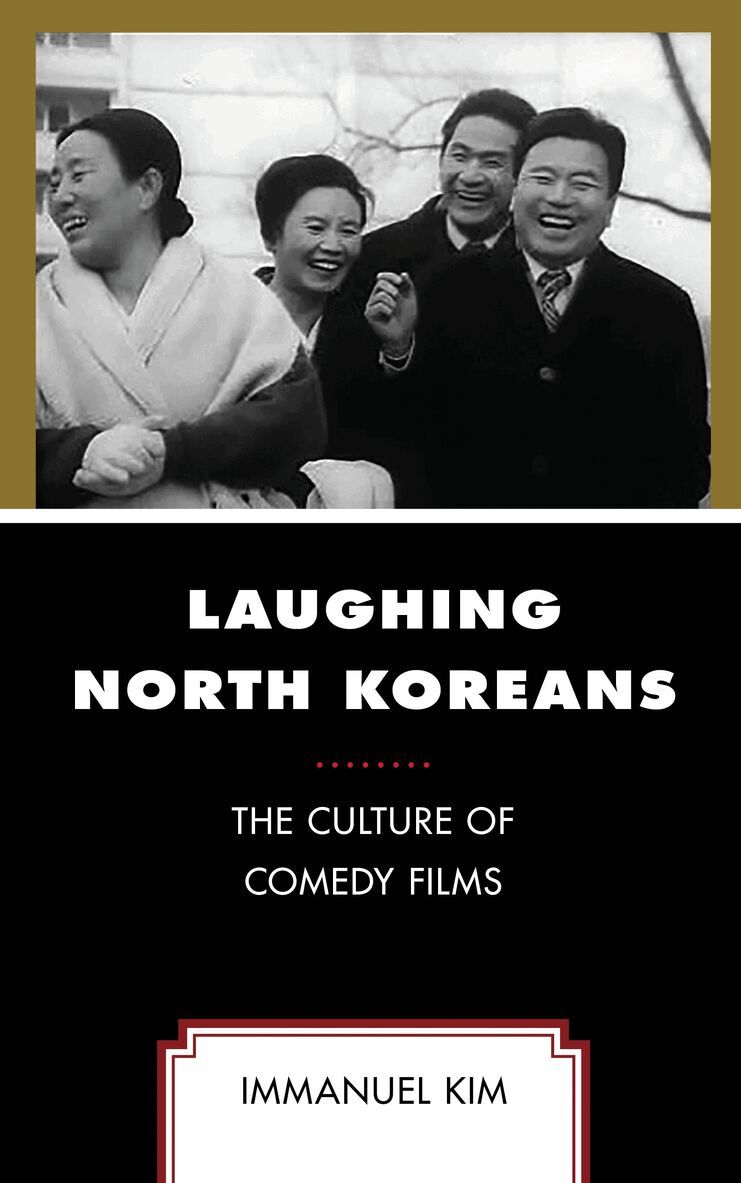
This study analyzes North Korean comedy films from the late 1960s to present day. It examines the most iconic comedy films and comedians to show how North Koreans have enjoyed themselves and have established a culture of humor that challenges, subverts, and, at times, reinforces the dominant political ideology. The author argues that comedy films, popular comedians, and the viewers have an intricate interdependent relationship that shaped the film culture—the pre/post production of filmmaking, film-watching experience, and the legacies of actors—in North Korea.
1 946 kr
Skickas inom 10-15 vardagar
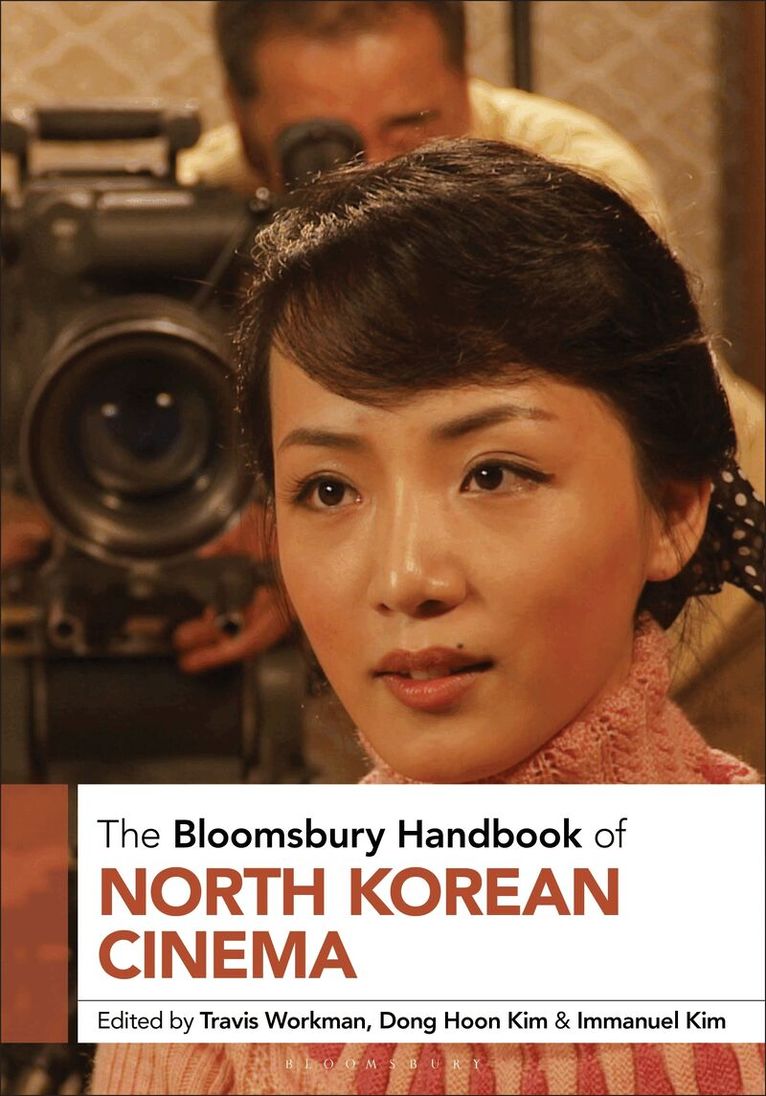
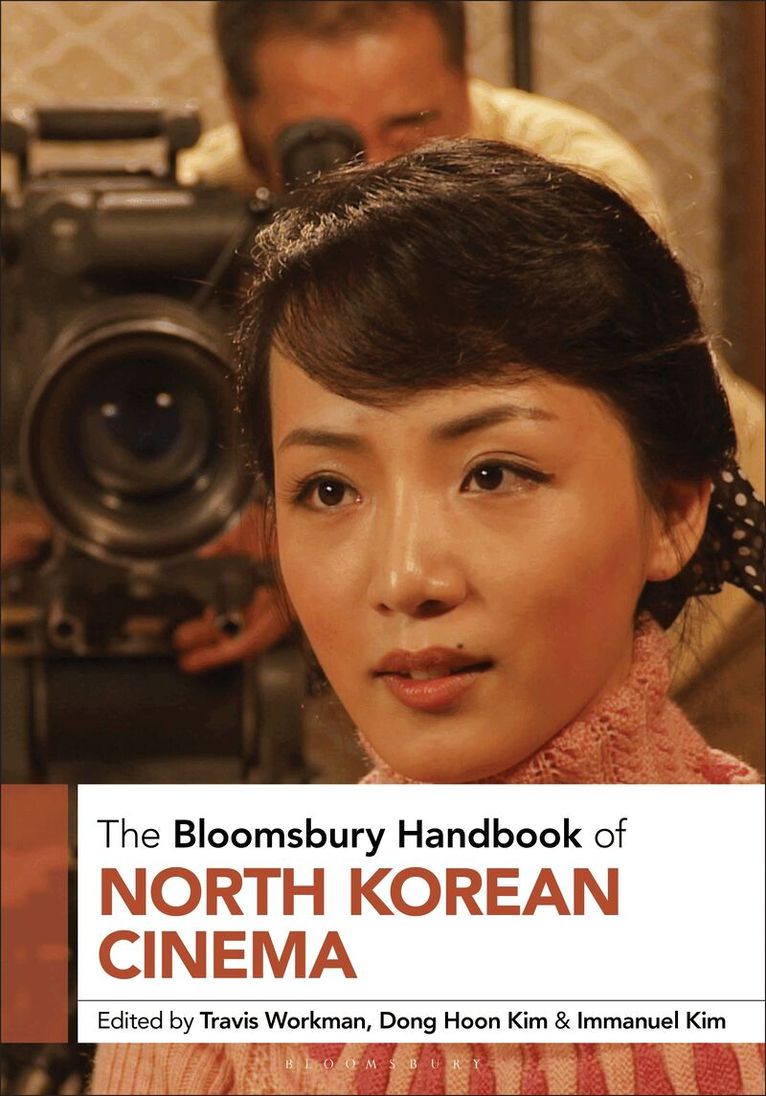
This first handbook on North Korean cinema contests the assumption that North Korean film is “unwatchable,” in terms of both quality and accessibility, refusing to reduce North Korean cinema to political propaganda and focusing on its aesthetic forms and cultural meanings. Since its founding in 1948, the Democratic People’s Republic of Korea (North Korea) has played diverse roles: a Cold War communist threat to the US, the other half of a divided nation to South Korea, an ally to the Soviet Union and China, one model for anti-colonialism to national liberation movements, an exotic political and cultural anomaly in the era of globalization. This handbook provides a solid and diverse foundation for the expanding scholarship on North Korean cinema. It is also a road map for connecting this field to broader issues in film and media studies: film history, affect and ideology, genre, and transnational cinema cultures. By connecting the worlds of North Korean cinema to broader questions in global cinema studies, this book explores the complexity of a national cinema too often reduced to a single image.
665 kr
Kommande
This first handbook on North Korean cinema contests the assumption that North Korean film is “unwatchable,” in terms of both quality and accessibility, refusing to reduce North Korean cinema to political propaganda and focusing on its aesthetic forms and cultural meanings. Since its founding in 1948, the Democratic People’s Republic of Korea (North Korea) has played diverse roles: a Cold War communist threat to the US, the other half of a divided nation to South Korea, an ally to the Soviet Union and China, one model for anti-colonialism to national liberation movements, an exotic political and cultural anomaly in the era of globalization. This handbook provides a solid and diverse foundation for the expanding scholarship on North Korean cinema. It is also a road map for connecting this field to broader issues in film and media studies: film history, affect and ideology, genre, and transnational cinema cultures. By connecting the worlds of North Korean cinema to broader questions in global cinema studies, this book explores the complexity of a national cinema too often reduced to a single image.