• Fri frakt över 249 kr
  • •
  • Snabba leveranser
  • •
  • Billiga böcker
Kundservice

Du är på sajten för privatpersoner.

Företag, bibliotek eller offentlig verksamhet?

Du handlar på classic.bokus.com, där alla dina funktioner finns intakta.
Till classic.bokus.com
Bokus logotyp. Gå till startsidan.
  • Erbjudanden
  • Nyheter
  • Student
  • Topplistor
  • Barn & ungdom
  • Bokus Play
  • E-böcker
  • Pocketböcker
  • Spel & pussel

Må bättre, för mindre! Upp till 50% rabatt på hälsoböcker

Sidfot

Mina sidor

    Hjälp

    • Kundservice
    • Vanliga frågor och svar
    • Frakt och leverans
    • Retur vid ångerrätt
    • Reklamera vara
    • Betalning
    • Köpvillkor
    • Allmänna villkor
    • Information om webbplatsens tillgänglighet

    Om Bokus

    • Om oss
    • Pressrum
    • För studenter
    • För företag
    • För bibliotek och offentlig verksamhet
    • För leverantörer
    • Hållbarhet

    Populärt

    • Aktuella erbjudanden
    • Presentkort
    • Studentlitteratur
    • Nya böcker
    • Topplistor
    • Signerade böcker
    • Engelska böcker

    Inspiration

    • Boktips
    • BookTok
    • Populära bokserier
    • Barnbokskaraktärer
    • Populära författare
    Logotyp för Bokus
    Följ oss på Facebook (extern länk)Följ oss på Instagram (extern länk)Följ oss på YouTube (extern länk)Följ oss på TikTok (extern länk)
    bokus @ CookiesAnpassa cookiesIntegritetspolicyKöpvillkor
    Till Citymail hemsida (extern länk)Till Budbee hemsida (extern länk)Till Postnord hemsida (extern länk)Till Schenker hemsida (extern länk)Till Early Bird hemsida (extern länk)Till Walleys hemsida (extern länk)
    1. Kultur
    2. Scenkonst och film
    3. Film

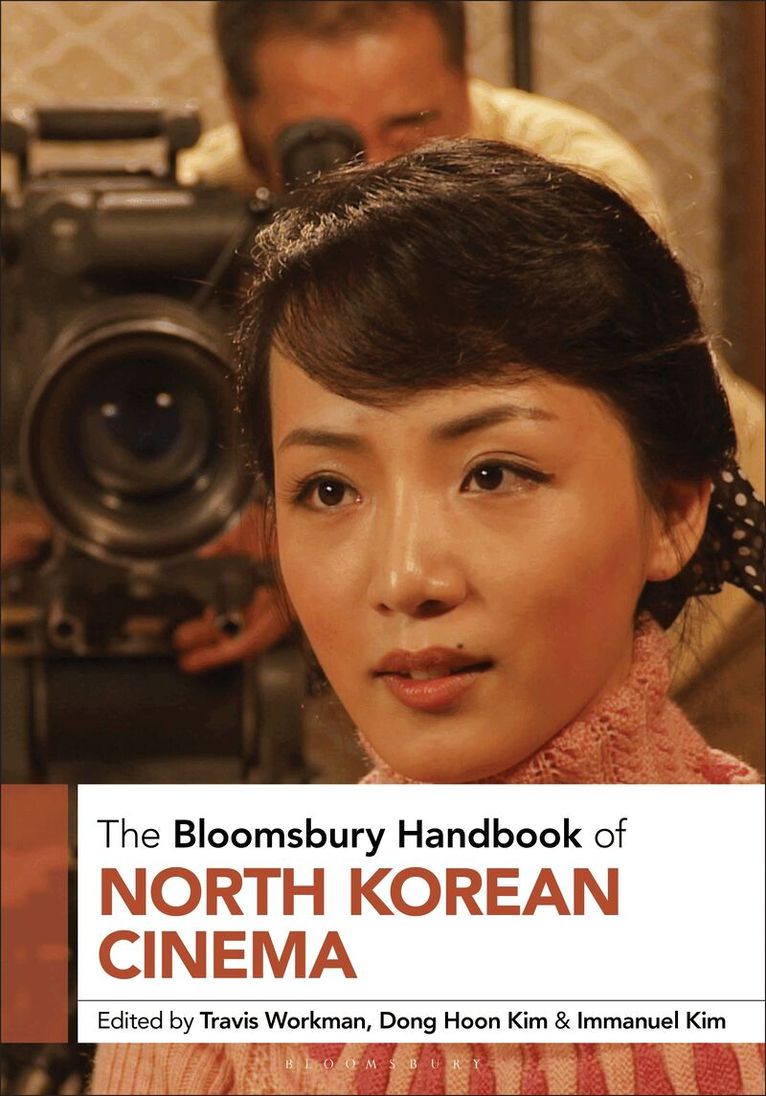
    Bloomsbury Handbook of North Korean Cinema

    AvTravis Workman,Dong Hoon Kim

    Inbunden, Engelska, 2025

    Del i serien Bloomsbury Handbooks

    2 070 kr

    Beställningsvara. Skickas inom 10-15 vardagar. Fri frakt över 249 kr.

    Beskrivning

    This first handbook on North Korean cinema contests the assumption that North Korean film is “unwatchable,” in terms of both quality and accessibility, refusing to reduce North Korean cinema to political propaganda and focusing on its aesthetic forms and cultural meanings. Since its founding in 1948, the Democratic People’s Republic of Korea (North Korea) has played diverse roles: a Cold War communist threat to the US, the other half of a divided nation to South Korea, an ally to the Soviet Union and China, one model for anti-colonialism to national liberation movements, an exotic political and cultural anomaly in the era of globalization. This handbook provides a solid and diverse foundation for the expanding scholarship on North Korean cinema. It is also a road map for connecting this field to broader issues in film and media studies: film history, affect and ideology, genre, and transnational cinema cultures. By connecting the worlds of North Korean cinema to broader questions in global cinema studies, this book explores the complexity of a national cinema too often reduced to a single image.

    Produktinformation

    • Utgivningsdatum:2025-02-20
    • Mått:175 x 254 x 25 mm
    • Vikt:900 g
    • Format:Inbunden
    • Språk:Engelska
    • Serie:Bloomsbury Handbooks
    • Antal sidor:376
    • Förlag:Bloomsbury Publishing Plc
    • ISBN:9798765102824

    Utforska kategorier

    • Film inom Kultur

    Mer om författaren

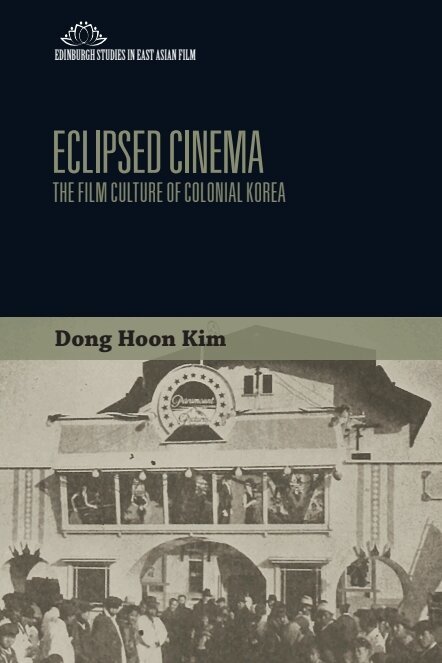
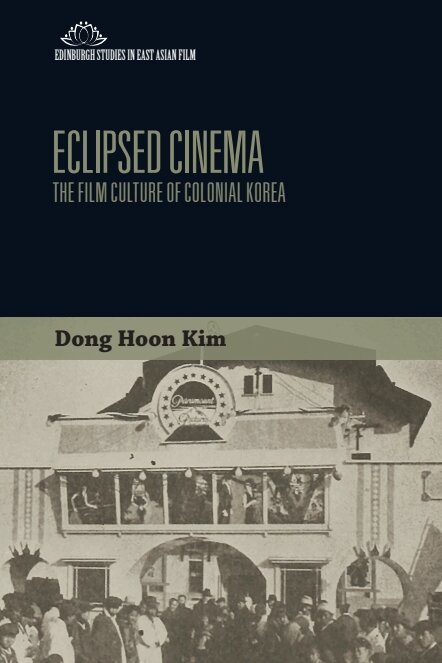
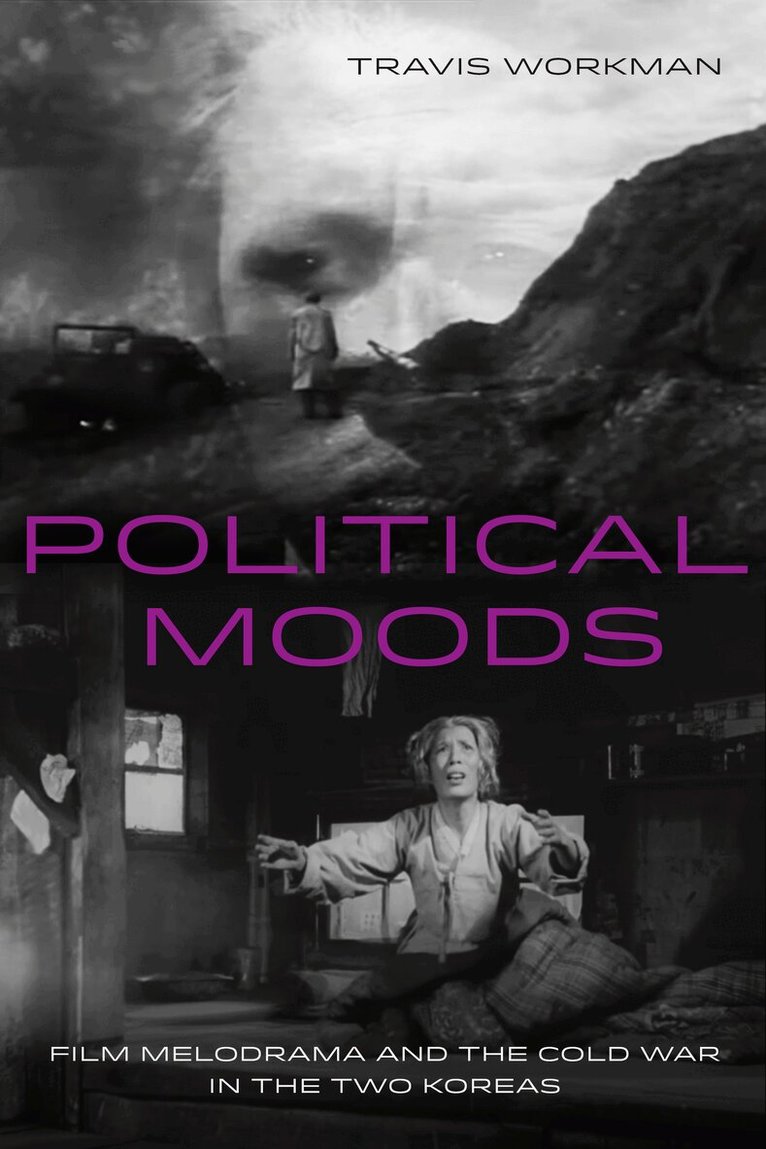
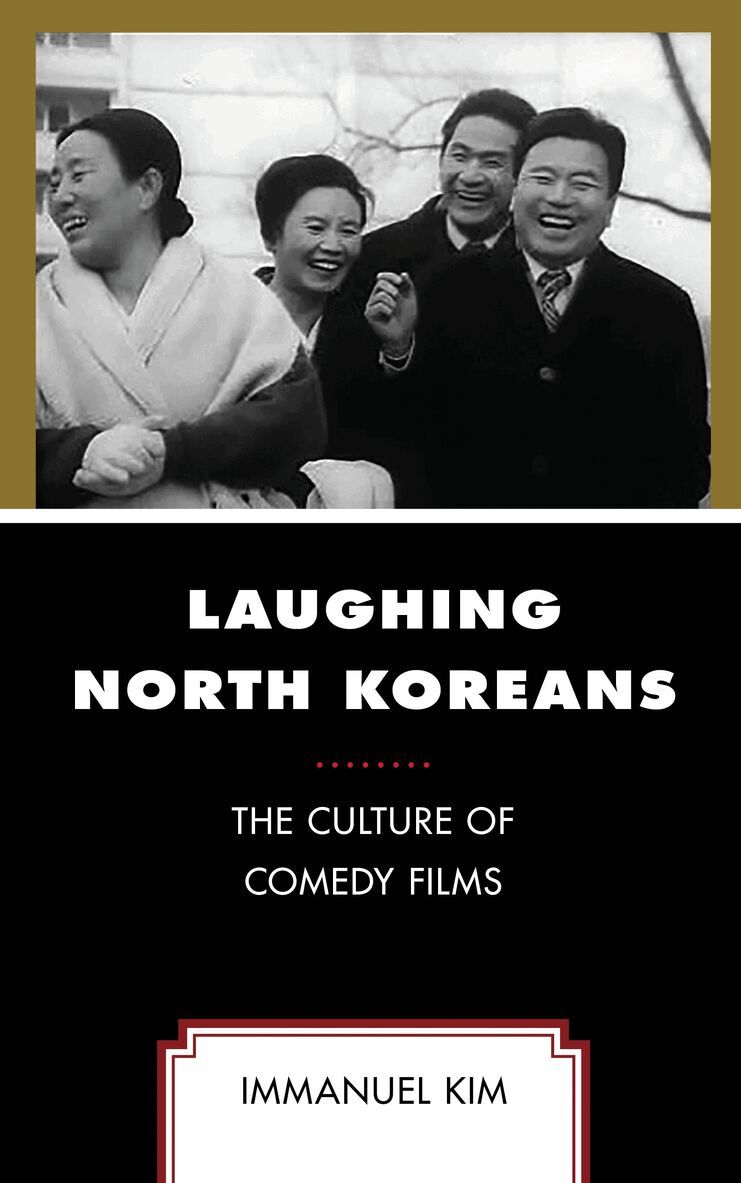
    Travis Workman is Professor in the Department of Asian and Middle Eastern Studies at the University of Minnesota, Twin Cities, USA. He is the author of Political Moods: Film Melodrama and the Cold War in the Two Korea (2023) and Imperial Genus: The Formation and Limits of the Human in Modern Korea and Japan (2016). He is currently working on debt, neo-feudal economies, and contemporary media.Dong Hoon Kim is Associate Professor in the Department of Cinema Studies at the University of Oregon, USA. His research and teaching interests include visual culture, early cinema, animation, film and media spectatorship, and East Asian film, media, and popular culture. Kim is the author of Eclipsed Cinema: The Film Culture of Colonial Korea (2017).Immanuel Kim is the Korea Foundation and Kim Renaud Professor of Korean literature and culture studies in the Department of East Asian Languages and Literatures at the George Washington University, USA. He is a specialist in North Korean literature, cinema, and culture. His first book Rewriting Revolution (2018) explores the complex and dynamic literary culture, and his second book Laughing North Koreans (2020) is on the ways in which humor has been an integral component of everyday life.

    Recensioner i media

    This is a must-read for any student of North Korean culture, or socialist cinema globally. It persuasively demonstrates that North Korean films are not simply reducible to state propaganda. Even if they carry a propagandist message, they rely on affective impact and on sophisticated techniques intended to maximize it. Far from being isolated, North Korean cinema is a part of a long history of transborder exchanges and cross-fertilisation. It remains to be hoped that books like this will nuance our understanding of what North Korean culture is and how it works.

    Innehållsförteckning

    • List of Illustrations Acknowledgements Note on Text and Translation IntroductionTravis Workman (University of Minnesota, Twin Cities, USA), Dong Hoon Kim (University of Oregon, USA) and Immanuel Kim (George Washington University, USA)Section I: Film History, History in Film 1. Stars without Glamor: Moon Ye-bong and the Making of Socialist Stars in North Korea Dong Hoon Kim (University of Oregon, USA) 2. Pleasure, Flexibility, Didacticism, and the Lingering Impact of Socialist Realist Narrative Trajectories on DPRK Film Andrew David Jackson (Monash University, Australia) 3. The Reproduction of History and the Restructuring of the Cold War in the North Korean Historical Spy Film, Red Maple Leaves Hana Lee (Seoul National University, South Korea) 4. Land, Workers, and Revolutionary Culture in North Korean Cinema Eunha Jeong Wood (Writer and independent scholar, USA) Section II: Ideology and Affect5. Religion on the North Korean Screen: Different Approaches to Christianity and Buddhism in The Ch’oe Hak-sin Family and We Met at Mt. Myohyang Roman Husarski (Jagiellonian University, Poland) 6. A Study of the Spectatorship of North Korean Cinema: A Schoolgirl’s Diary (2006) Sunah Kim (Dongseo University, Busan, South Korea) 7. North Korean Cinema Intermedial: Revolutionary Opera Film Hyunseon Lee (University of London, UK)8. Female Leaders, and the “Unawakened” Male: Gender, Power, and Persuasion in Kim Jong Il’s Juche CinemaAnna Broinowski (Sydney University, Australia) 9. Vigilant Melody: On DPRK Film Music Adam Cathcart (University of Leeds, UK) and Alexandra Leonzini (University of Cambridge, UK) Section III: Genre Conventions 10. Son’gun Cinema: Portraying the Ideal Soldier in North Korea’s Military Genre Film Makayla Cherry (The Ohio State University, USA) and Pil Ho Kim (The Ohio State University, USA) 11. Spy Films of North Korea: Classic Tropes and Conventions Tatiana Gabroussenko (Korea University, South Korea)12. Four Weddings and Propaganda: Satire in North Korean Comedy Films Immanuel Kim (George Washington University, USA)13. North Korean Documentary Film Seung Kim (Konkuk University, South Korea)Section IV: Transnational Exchanges 14. Cinematic Exchanges Between North Korea and China (1945-1959): Screenings of Chinese Films in North Korea Yu Liu (Hanyang University, South Korea)15. North Korean Cinema in China: The Logic of Cultural Exchange Chris Berry (King’s College London, UK)16. World Cinema and Realism in 1950s and 1960s North Korean Film Criticism Travis Workman (University of Minnesota, Twin Cities, USA)17. Uncommon Crossroads of North Korean Film: Cinematic Dreaming with the Big Brother Gabor Sebo (Korea University, South Korea)Section V: Interviews 18. Filmmaker and film scholar Soyoung Kim19. Producer and director Nicholas Bonner List of Contributors Index