Dong Hoon Kim – författare
Visar alla böcker från författaren Dong Hoon Kim. Handla med fri frakt och snabb leverans.
6 produkter
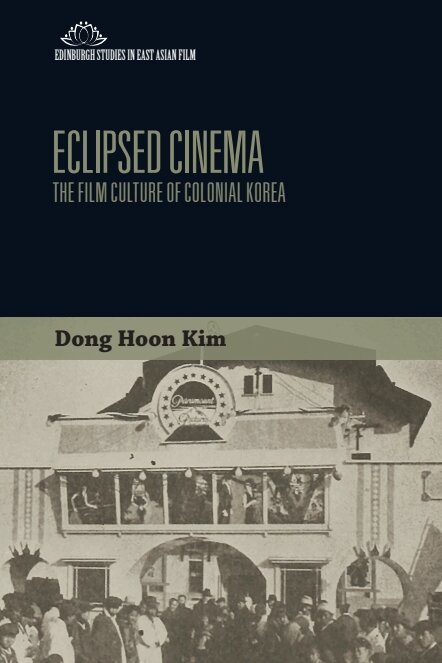
Eclipsed Cinema
The Film Culture of Colonial Korea
Inbunden, 2017
2033 kr
Lägg i varukorg
In this ground-breaking investigation into the seldom-studied film culture of colonial Korea (1910-1945), Dong Hoon Kim brings new perspectives to the associations between colonialism, modernity, film historiography and national cinema. By reconstructing the lost intricacies of colonial film …
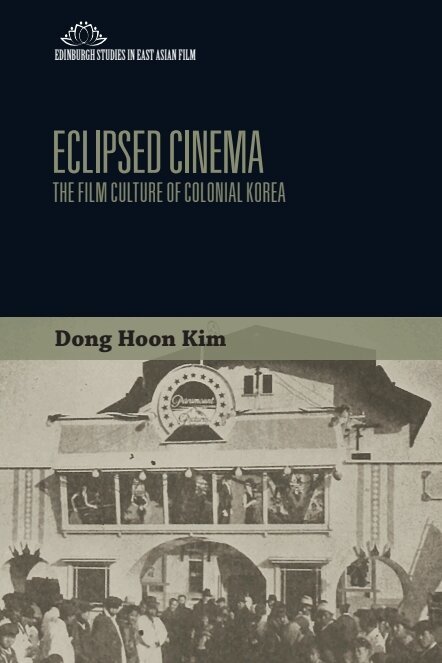
Eclipsed Cinema
The Film Culture of Colonial Korea
Av Dong Hoon Kim, Dong Hoon Kim
Häftad, 2018
443 kr
Lägg i varukorg
In this ground-breaking investigation into the seldom-studied film culture of colonial Korea (1910-1945), Dong Hoon Kim brings new perspectives to the associations between colonialism, modernity, film historiography and national cinema. By reconstructing the lost intricacies of colonial film …
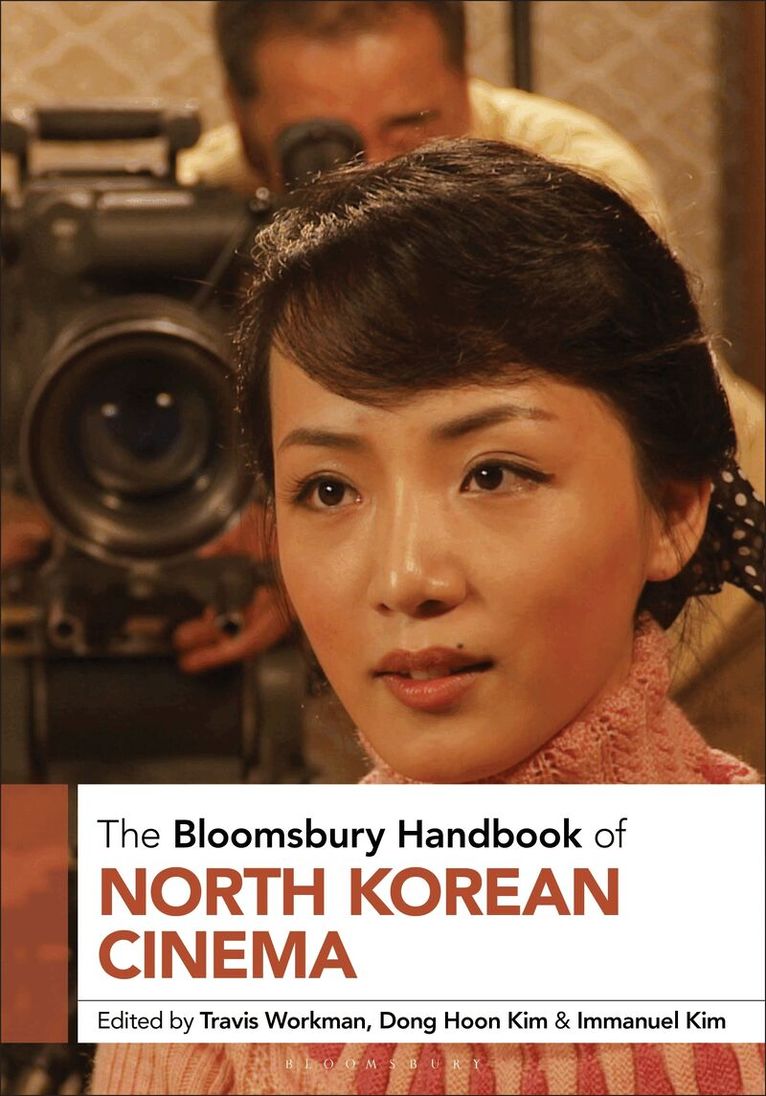
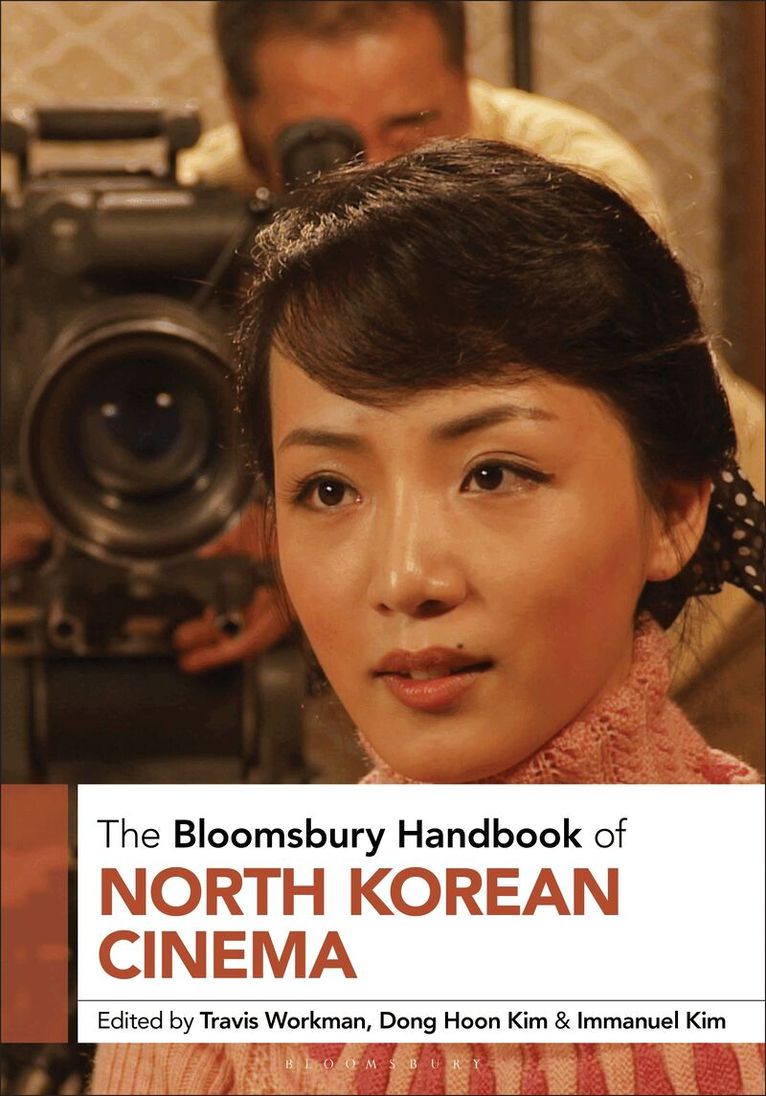
Bloomsbury Handbook of North Korean Cinema
Av Travis Workman, Dong Hoon Kim m. fl.
Inbunden, 2025
2107 kr
Lägg i varukorg
This first handbook on North Korean cinema contests the assumption that North Korean film is “unwatchable,” in terms of both quality and accessibility, refusing to reduce North Korean cinema to political propaganda and focusing on its aesthetic forms and cultural meanings. Since its founding in …
Bloomsbury Handbook of North Korean Cinema
Av Travis Workman, Dong Hoon Kim m. fl.
E-bok, 2025
662 kr
Lägg i varukorg
This first handbook on North Korean cinema contests the assumption that North Korean film is “unwatchable,” in terms of both quality and accessibility, refusing to reduce North Korean cinema to political propaganda and focusing on its aesthetic forms and cultural meanings. Since its founding in …
Bloomsbury Handbook of North Korean Cinema
Av Travis Workman, Dong Hoon Kim m. fl.
E-bok, 2025
2316 kr
Lägg i varukorg
This first handbook on North Korean cinema contests the assumption that North Korean film is “unwatchable,” in terms of both quality and accessibility, refusing to reduce North Korean cinema to political propaganda and focusing on its aesthetic forms and cultural meanings. Since its founding in …
Bloomsbury Handbook of North Korean Cinema
Av Travis Workman, Dong Hoon Kim m. fl.
Häftad, 2026
607 kr
Lägg i varukorg
This first handbook on North Korean cinema contests the assumption that North Korean film is “unwatchable,” in terms of both quality and accessibility, refusing to reduce North Korean cinema to political propaganda and focusing on its aesthetic forms and cultural meanings. Since its founding in …