Irina Reyfman – författare
Visar alla böcker från författaren Irina Reyfman. Handla med fri frakt och snabb leverans.
16 produkter
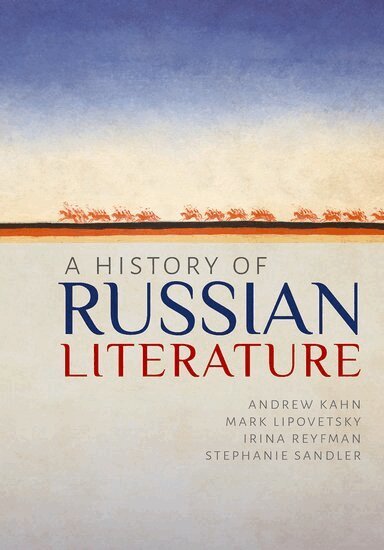
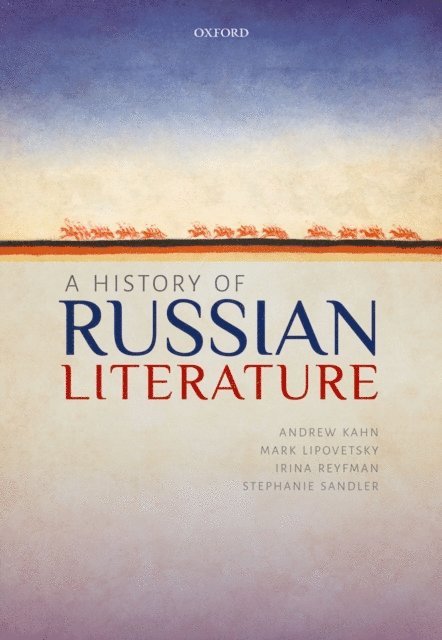
A History of Russian Literature
Av Andrew Kahn, Mark Lipovetsky m. fl.
Häftad, 2023
549 kr
Lägg i varukorg
Russia possesses one of the richest and most admired literatures of Europe, reaching back to the eleventh century. A History of Russian Literature provides a comprehensive account of Russian writing from its earliest origins in the monastic works of Kiev up to the present day, still rife with the …
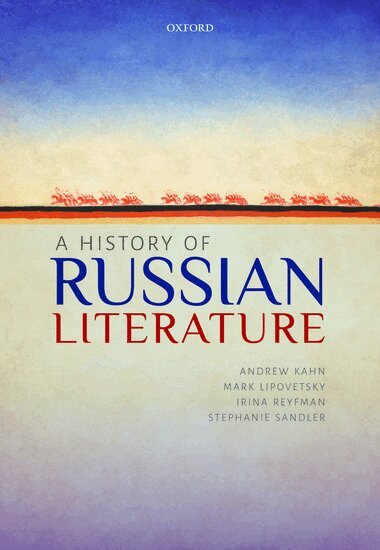
History of Russian Literature
Av Stephanie Sandler, Irina Reyfman m. fl.
E-bok, 2018
431 kr
Lägg i varukorg
Russia possesses one of the richest and most admired literatures of Europe, reaching back to the eleventh century. A History of Russian Literature provides a comprehensive account of Russian writing from its earliest origins in the monastic works of Kiev up to the present day, still rife with the …
History of Russian Literature
Av Stephanie Sandler, Irina Reyfman m. fl.
E-bok, 2018
431 kr
Lägg i varukorg
Russia possesses one of the richest and most admired literatures of Europe, reaching back to the eleventh century. A History of Russian Literature provides a comprehensive account of Russian writing from its earliest origins in the monastic works of Kiev up to the present day, still rife with the …
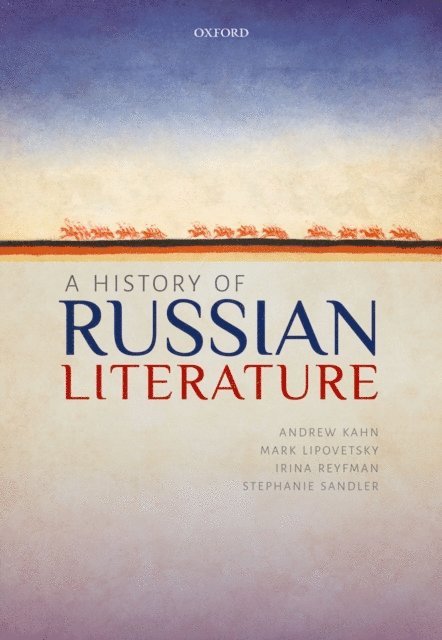
A History of Russian Literature
Av Andrew Kahn, Mark Lipovetsky m. fl.
Inbunden, 2018
1976 kr
Lägg i varukorg
Russia possesses one of the richest and most admired literatures of Europe, reaching back to the eleventh century. A History of Russian Literature provides a comprehensive account of Russian writing from its earliest origins in the monastic works of Kiev up to the present day, still rife with the …
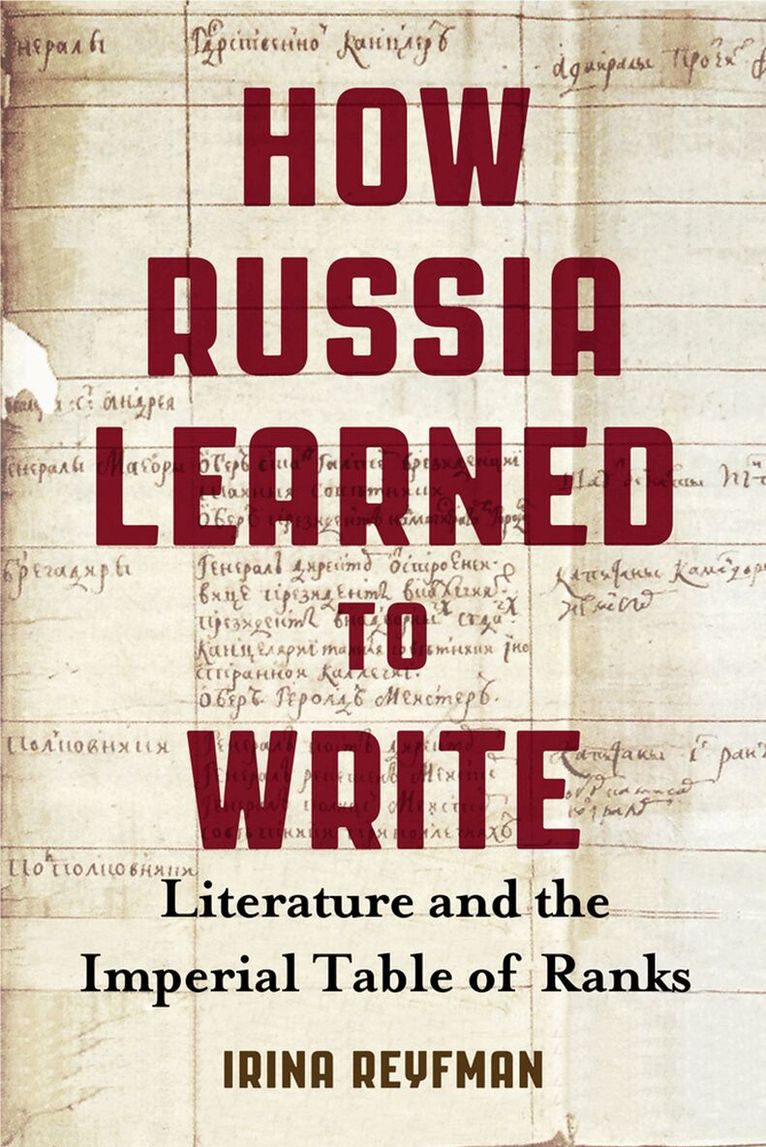
How Russia Learned to Write
Literature and the Imperial Table of Ranks
Inbunden, 2016
850 kr
Lägg i varukorg
In the eighteenth century, as modern forms of literature began to emerge in Russia, most of the writers producing it were members of the nobility. But their literary pursuits competed with strictly enforced obligations to imperial state service. Unique to Russia was the Table of Ranks, introduced …
How Russia Learned to Write
Literature and the Imperial Table of Ranks
Häftad, 2021
283 kr
Lägg i varukorg
In the eighteenth century, as modern forms of literature began to emerge in Russia, most of the writers producing it were members of the nobility. But their literary pursuits competed with strictly enforced obligations to imperial state service. Unique to Russia was the Table of Ranks, introduced …
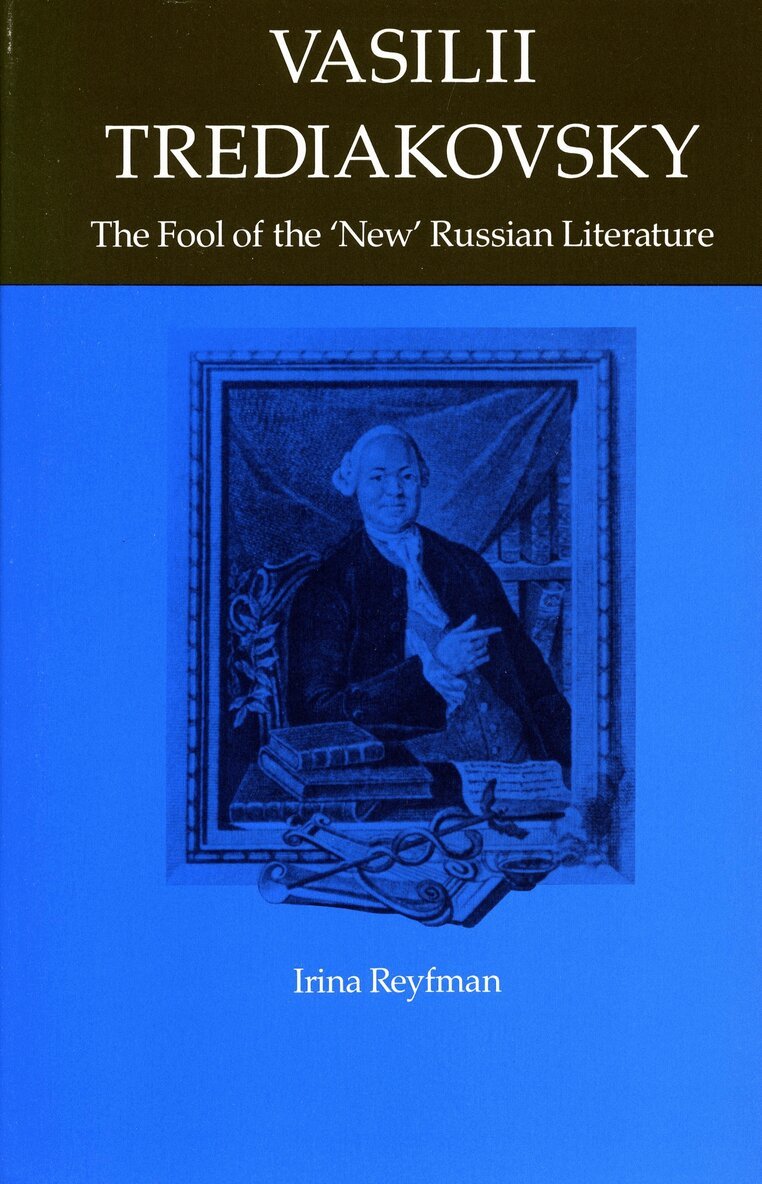
Vasilii Trediakovsky
The Fool of the "New" Russian Literature
Inbunden, 1991
1174 kr
Lägg i varukorg
A Stanford University Press classic.
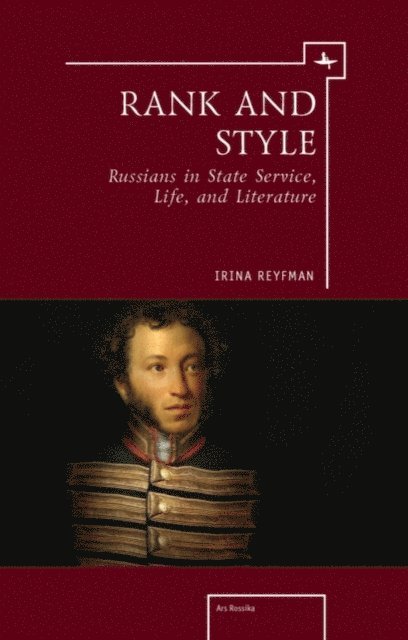
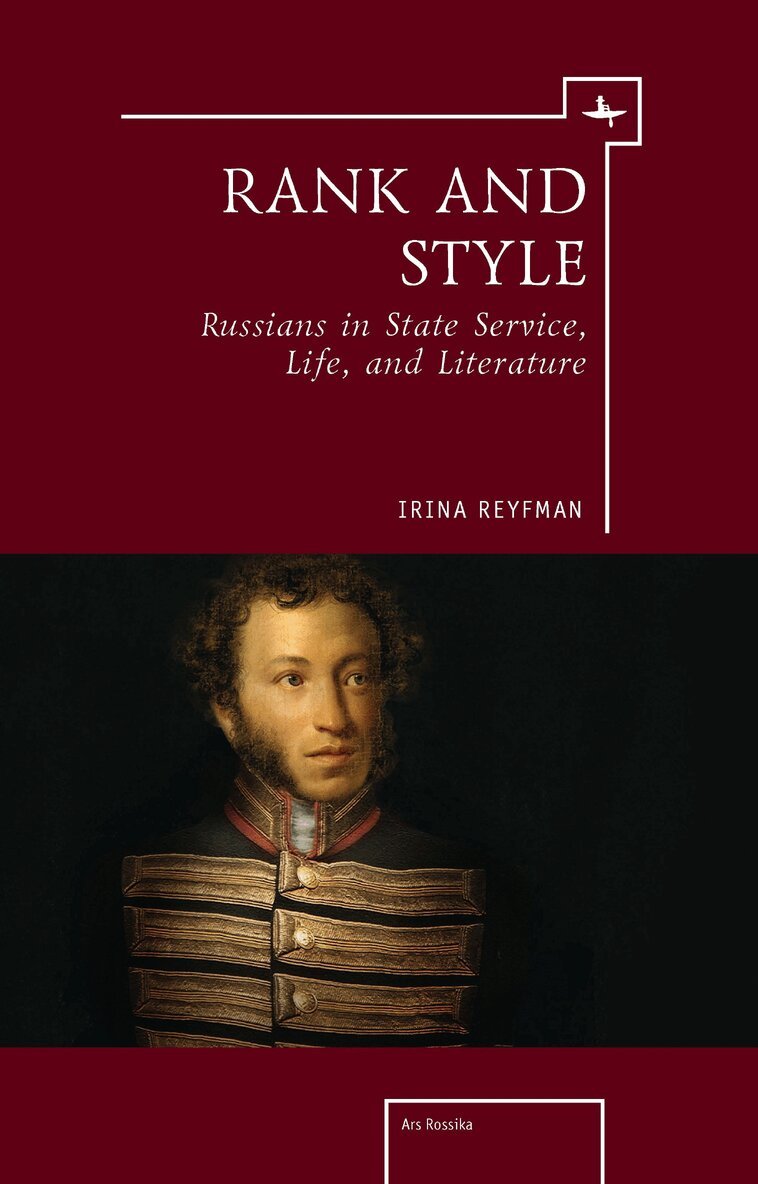
Rank and Style
Russians in State Service, Life, and Literature
E-bok, 2012
3982 kr
Lägg i varukorg
Rank and Style is a collection of essays by Irina Reyfman, a leading scholar of Russian literature and culture. Ranging in topic from the eighteenth to the twentieth century, the essays focus on the interaction of life and literature. In the first part, Reyfman examines how obligatory state service …
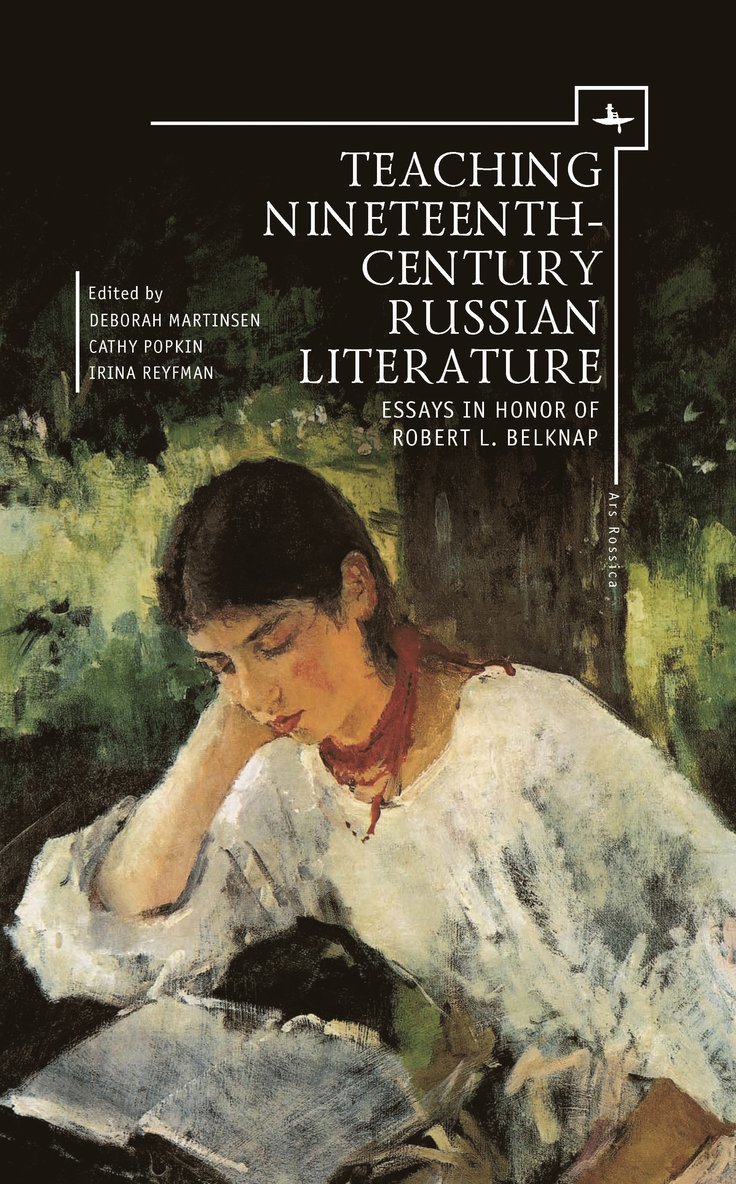
Teaching Nineteenth-Century Russian Literature
Essays in Honor of Robert L. Belknap
Av Deborah A. Martinsen, Cathy Popkin m. fl.
Inbunden, 2014
1483 kr
Lägg i varukorg
Teaching Nineteenth-Century Russian Literature: Essays in Honor of Robert L. Belknap grew out of a conference in honor of Robert Belknap, an outstanding teacher and scholar. The collected essays present concrete strategies for teaching the works of some of Russia’s best-known writers: Pushkin, …
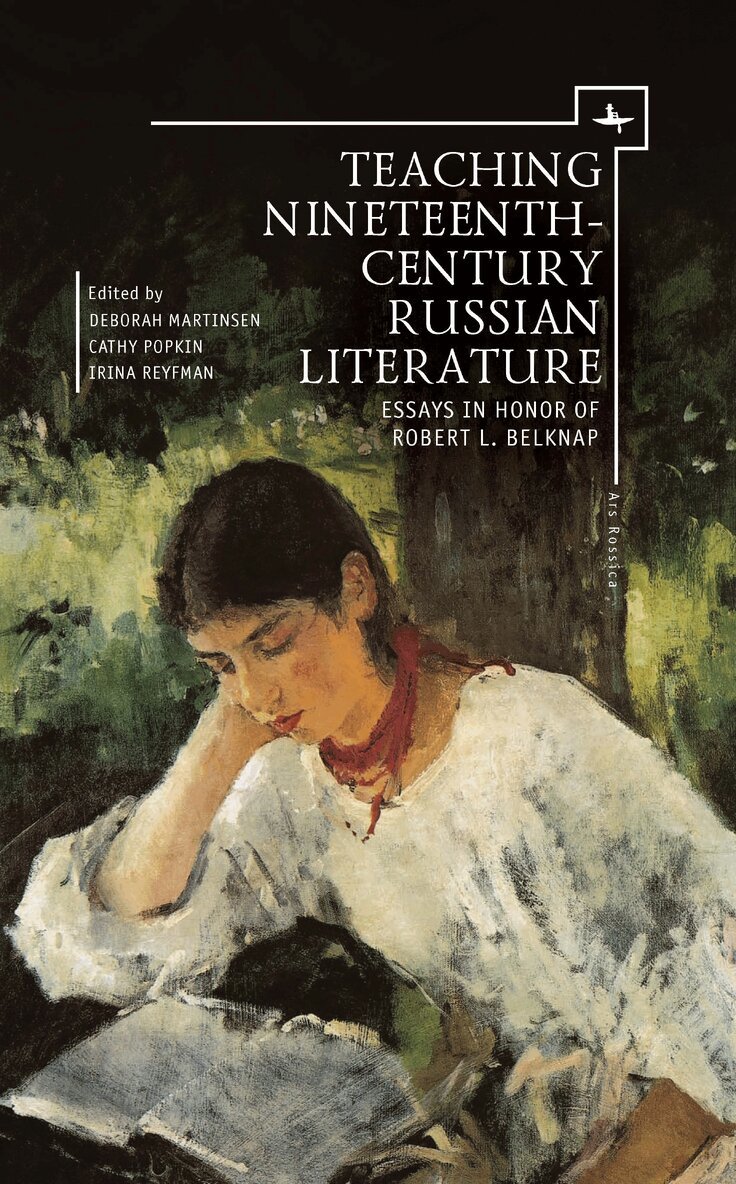
Teaching Nineteenth-Century Russian Literature
Essays in Honor of Robert L. Belknap
Av Irina Reyfman, Cathy Popkin m. fl.
E-bok, 2014
3186 kr
Lägg i varukorg
Teaching Nineteenth-Century Russian Literature: Essays in Honor of Robert L. Belknap grew out of a conference in honor of Robert Belknap, an outstanding teacher and scholar. The collected essays present concrete strategies for teaching the works of some of Russia’s best-known writers: Pushkin, …
Teaching Nineteenth-Century Russian Literature
Essays in Honor of Robert L. Belknap
Av Deborah A. Martinsen, Cathy Popkin m. fl.
Häftad, 2019
465 kr
Lägg i varukorg
Teaching Nineteenth-Century Russian Literature: Essays in Honor of Robert L. Belknap grew out of a conference in honor of Robert Belknap, an outstanding teacher and scholar. The collected essays present concrete strategies for teaching the works of some of Russia’s best-known writers: Pushkin, …
Rank and Style
Russians in State Service, Life, and Literature
Inbunden, 2012
1741 kr
Lägg i varukorg
Rank and Style is a collection of essays by Irina Reyfman, a leading scholar of Russian literature and culture. Ranging in topic from the eighteenth to the twentieth century, the essays focus on the interaction of life and literature. In the first part, Reyfman examines how obligatory state service …
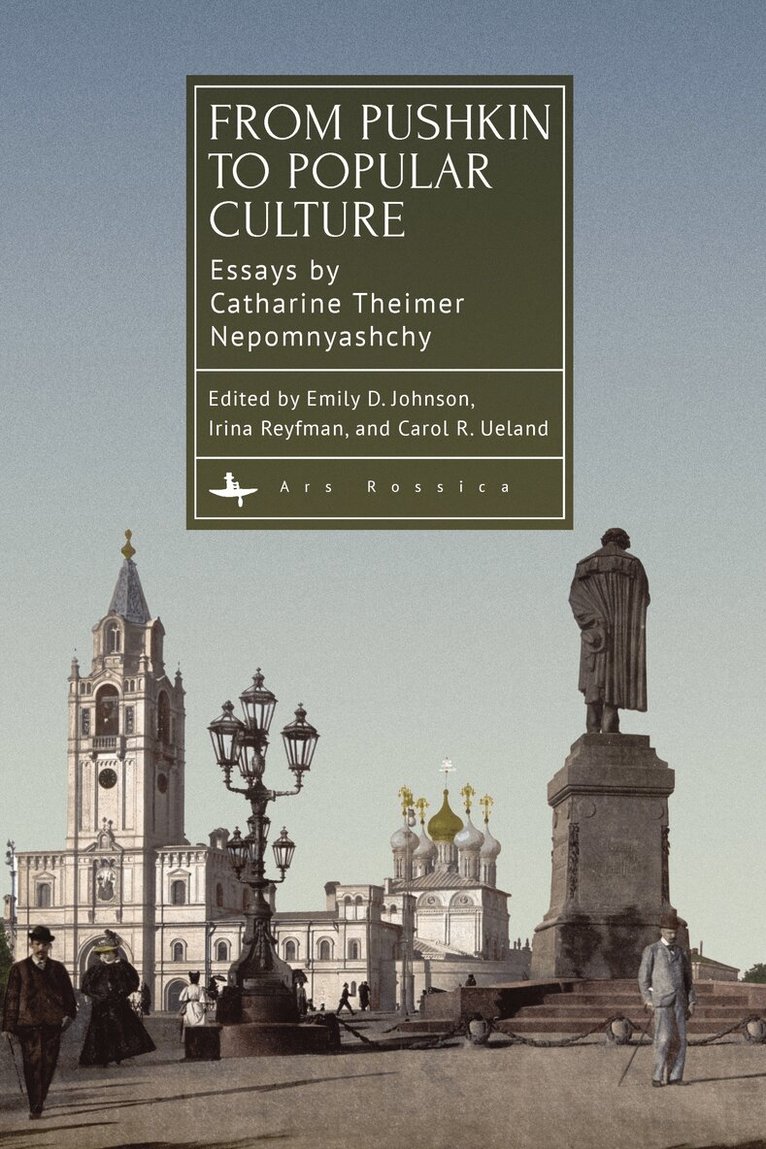
From Pushkin to Popular Culture
Essays by Catharine Theimer Nepomnyashchy
Av Catharine Theimer Nepomnyashchy, Emily D. Johnson m. fl.
Inbunden, 2024
1559 kr
Lägg i varukorg
This volume includes many of the best essays by Catharine Theimer Nepomnyashchy (1951-2015), one of the most original scholars of Russian culture of her generation. Nepomnyashchy’s broad interests ranged from Pushkin to contemporary Russian popular culture. Her work speaks to issues that remain …
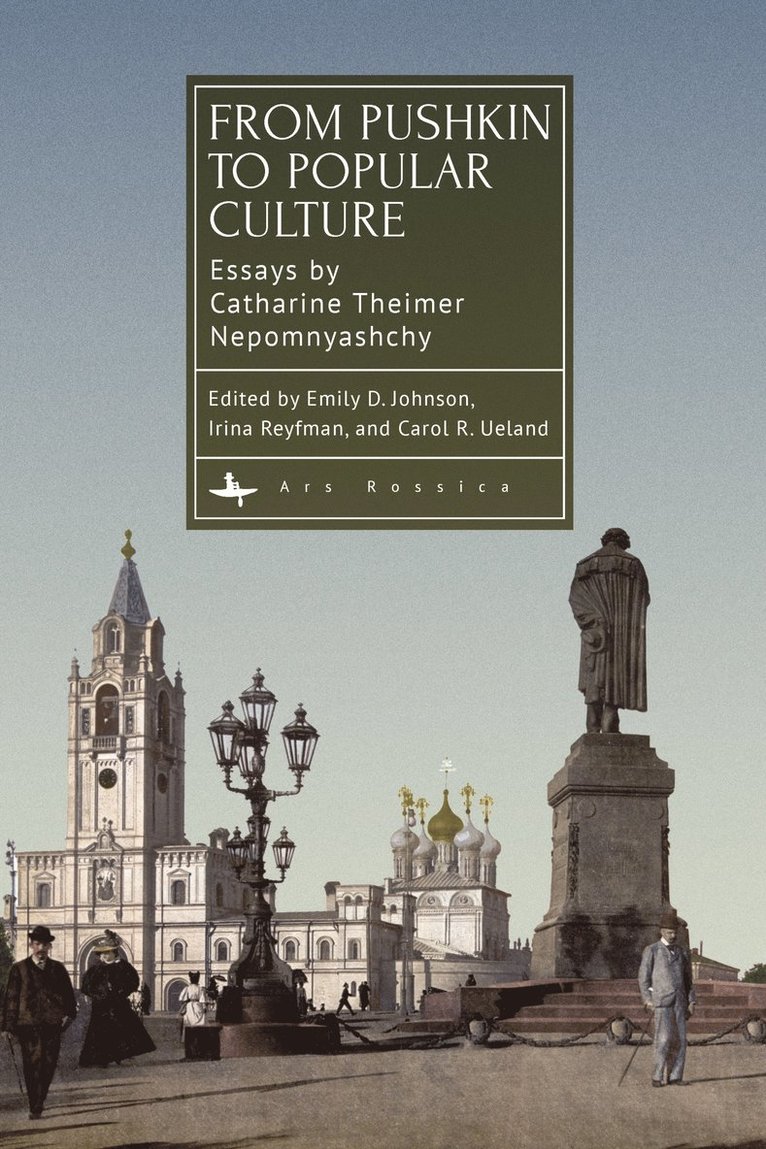
From Pushkin to Popular Culture
Essays by Catharine Theimer Nepomnyashchy
Av Catharine Theimer Nepomnyashchy, Emily D. Johnson m. fl.
Häftad, 2024
428 kr
Lägg i varukorg
This volume includes many of the best essays by Catharine Theimer Nepomnyashchy (1951-2015), one of the most original scholars of Russian culture of her generation. Nepomnyashchy’s broad interests ranged from Pushkin to contemporary Russian popular culture. Her work speaks to issues that remain …
From Pushkin to Popular Culture
Essays by Catharine Theimer Nepomnyashchy
Av Catharine Theimer Nepomnyashchy, Carol R. Ueland m. fl.
E-bok, 2024
2845 kr
Lägg i varukorg
This volume includes many of the best essays by Catharine Theimer Nepomnyashchy (1951-2015), one of the most original scholars of Russian culture of her generation. Nepomnyashchy’s broad interests ranged from Pushkin to contemporary Russian popular culture. Her work speaks to issues that remain …
From Pushkin to Popular Culture
Essays by Catharine Theimer Nepomnyashchy
Av Catharine Theimer Nepomnyashchy, Carol R. Ueland m. fl.
E-bok, 2024
743 kr
Lägg i varukorg
This volume includes many of the best essays by Catharine Theimer Nepomnyashchy (1951-2015), one of the most original scholars of Russian culture of her generation. Nepomnyashchy’s broad interests ranged from Pushkin to contemporary Russian popular culture. Her work speaks to issues that remain …