James C. Giesen - Böcker
Visar alla böcker från författaren James C. Giesen. Handla med fri frakt och snabb leverans.
5 produkter
5 produkter
460 kr
Skickas inom 7-10 vardagar
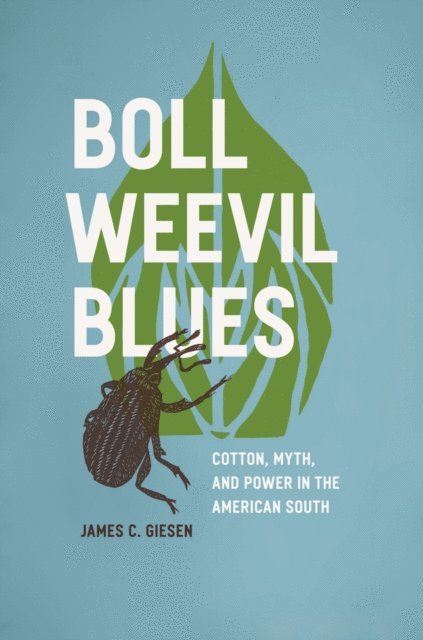
Between the 1890s and the early 1920s, the boll weevil slowly ate its way across the Cotton South from Texas to the Atlantic Ocean. At the turn of the century, some Texas counties were reporting crop losses of over 70 percent, as were areas of Louisiana, Arkansas, and Mississippi. By the time the boll weevil reached the limits of the cotton belt, it had destroyed much of the region's chief cash crop - tens of billions of pounds of cotton, worth nearly a trillion dollars. As staggering as these numbers may seem, James C. Giesen demonstrates that it was the very idea of the boll weevil and the struggle over its meanings that most profoundly changed the South - as different groups, from policymakers to blues singers, projected onto this natural disaster the consequences they feared and the outcomes they sought. Giesen asks how the myth of the boll weevil's lasting impact helped obscure the real problems of the region - those caused not by insects, but by landowning patterns, antiquated credit systems, white supremacist ideology, and declining soil fertility."Boll Weevil Blues" brings together these cultural, environmental, and agricultural narratives in a novel and important way that allows us to reconsider the making of the modern American South.
2 040 kr
Kommande
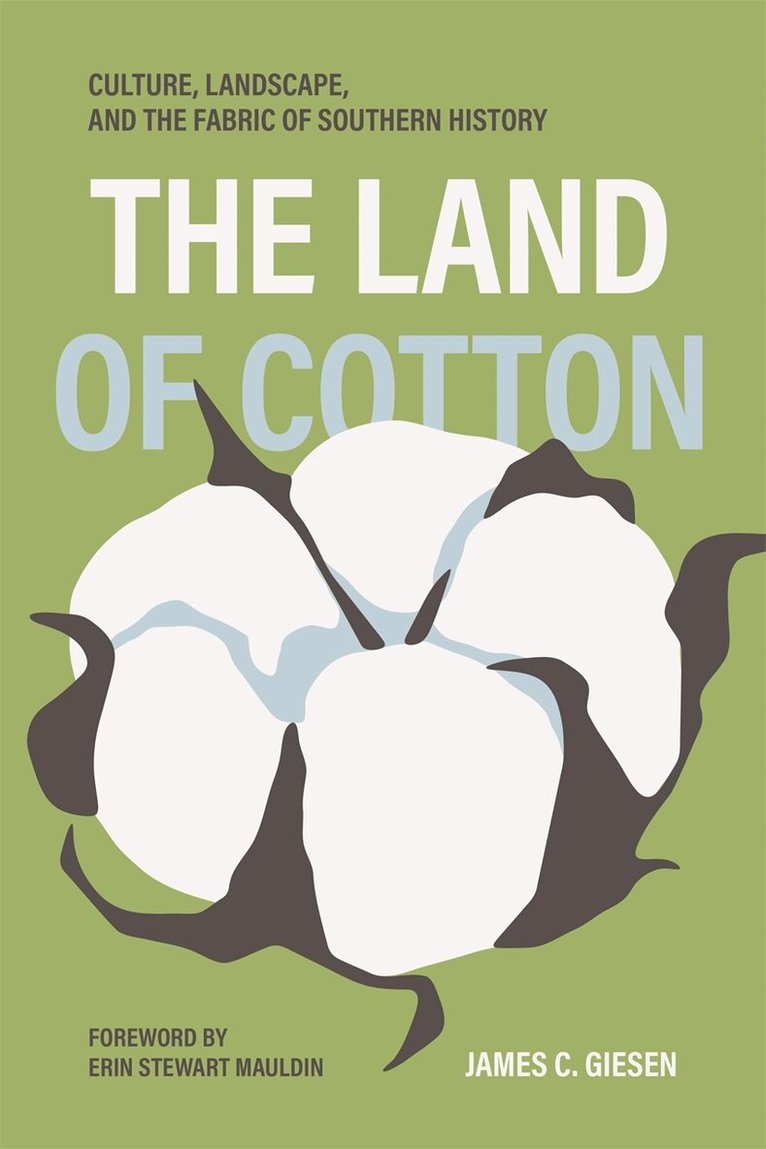
The Land of Cotton is a sweeping environmental and cultural history of cotton’s power in the American South. More than the region’s signature crop, cotton was a material, symbolic, economic, and ideological force. James. C. Giesen’s central claim is that the culture of cotton—the ways planters, laborers, boosters, tourist boards, musicians, and a host of others representing the crop—shifted not only with the political moment but in response to the physical world. Cotton lands eroding and becoming forests, labor and technological upheaval, and the rise and fall of constructed environments all changed the rhetorical possibility of the thin white fiber. Cotton festivals, country songs, and sharecroppers’ memories shaped and were shaped by the conditions of Southern landscapes. By grounding this history in two distinct Southern landscapes—the South Carolina Piedmont and the Mississippi Delta—Giesen reveals how these local conditions forged cotton’s cultural power and practical uses. Spanning one-hundred-fifty years, this study shows how the South’s most iconic crop remained a literal and figurative site for debates over environmental change, political ideology, and historical memory.
344 kr
Kommande
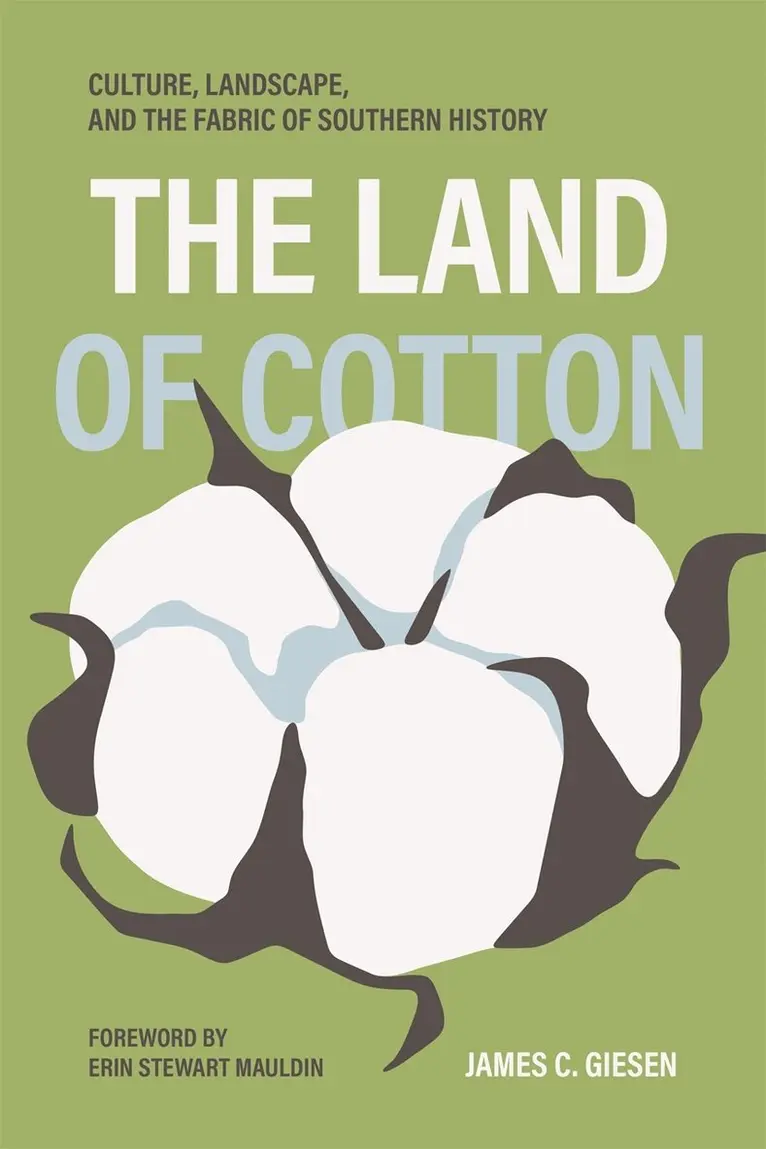
The Land of Cotton is a sweeping environmental and cultural history of cotton’s power in the American South. More than the region’s signature crop, cotton was a material, symbolic, economic, and ideological force. James. C. Giesen’s central claim is that the culture of cotton—the ways planters, laborers, boosters, tourist boards, musicians, and a host of others representing the crop—shifted not only with the political moment but in response to the physical world. Cotton lands eroding and becoming forests, labor and technological upheaval, and the rise and fall of constructed environments all changed the rhetorical possibility of the thin white fiber. Cotton festivals, country songs, and sharecroppers’ memories shaped and were shaped by the conditions of Southern landscapes. By grounding this history in two distinct Southern landscapes—the South Carolina Piedmont and the Mississippi Delta—Giesen reveals how these local conditions forged cotton’s cultural power and practical uses. Spanning one-hundred-fifty years, this study shows how the South’s most iconic crop remained a literal and figurative site for debates over environmental change, political ideology, and historical memory.
1 189 kr
Skickas inom 7-10 vardagar
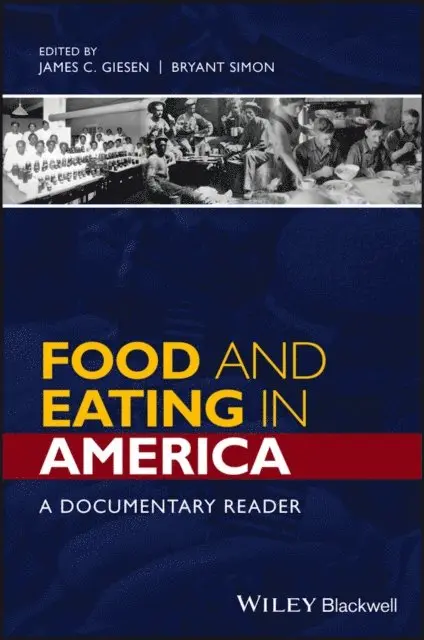
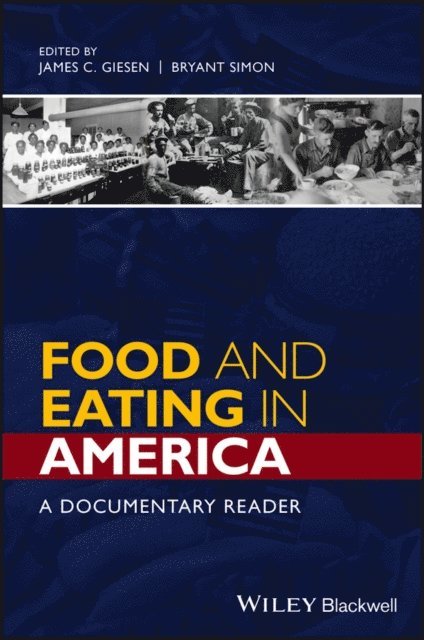
Guides students through a rich menu of American history through food and eatingThis book features a wide and diverse range of primary sources covering the cultivation, preparation, marketing, and consumption of food from the time before Europeans arrived in North America to the present-day United States. It is organized around what the authors label the “Four P’s”—production, politics, price, and preference—in order to show readers that food represents something more than nutrition and the daily meals that keep us alive. The documents in this book demonstrate that food we eat is a “highly condensed social fact” that both reflects and is shaped by politics, economics, culture, religion, region, race, class, and gender.Food and Eating in America covers more than 500 years of American food and eating history with sections on: An Appetizer: What Food and Eating Tell Us About America; Hunting, Harvesting, Starving, and the Occasional Feast: Food in Early America; Fields and Foods in the Nineteenth Century; Feeding a Modern World: Revolutions in Farming, Food, and Famine; and Counterculture Cuisines and Culinary Tourism. Presents primary sources from a wide variety of perspectives—Native Americans, explorers, public officials, generals, soldiers, slaves, slaveholders, clergy, businessmen, workers, immigrants, activists, African Americans, Hispanics, Asian Americans, artists, writers, investigative reporters, judges, the owners of food trucks, and prison inmatesIllustrates the importance of eating and food through speeches, letters, diaries, memoirs, newspaper and magazine articles, illustrations, photographs, song lyrics, advertisements, legislative statutes, court rulings, interviews, manifestoes, government reports, and recipesOffers a new way of exploring how people lived in the past by looking closely and imaginatively at foodFood and Eating in America: A Documentary Reader is an ideal book for students of United States history, food, and the social sciences. It will also appeal to foodies and those with a curiosity for documentary-style books of all kinds.
538 kr
Skickas inom 7-10 vardagar
Guides students through a rich menu of American history through food and eatingThis book features a wide and diverse range of primary sources covering the cultivation, preparation, marketing, and consumption of food from the time before Europeans arrived in North America to the present-day United States. It is organized around what the authors label the “Four P’s”—production, politics, price, and preference—in order to show readers that food represents something more than nutrition and the daily meals that keep us alive. The documents in this book demonstrate that food we eat is a “highly condensed social fact” that both reflects and is shaped by politics, economics, culture, religion, region, race, class, and gender.Food and Eating in America covers more than 500 years of American food and eating history with sections on: An Appetizer: What Food and Eating Tell Us About America; Hunting, Harvesting, Starving, and the Occasional Feast: Food in Early America; Fields and Foods in the Nineteenth Century; Feeding a Modern World: Revolutions in Farming, Food, and Famine; and Counterculture Cuisines and Culinary Tourism. Presents primary sources from a wide variety of perspectives—Native Americans, explorers, public officials, generals, soldiers, slaves, slaveholders, clergy, businessmen, workers, immigrants, activists, African Americans, Hispanics, Asian Americans, artists, writers, investigative reporters, judges, the owners of food trucks, and prison inmatesIllustrates the importance of eating and food through speeches, letters, diaries, memoirs, newspaper and magazine articles, illustrations, photographs, song lyrics, advertisements, legislative statutes, court rulings, interviews, manifestoes, government reports, and recipesOffers a new way of exploring how people lived in the past by looking closely and imaginatively at foodFood and Eating in America: A Documentary Reader is an ideal book for students of United States history, food, and the social sciences. It will also appeal to foodies and those with a curiosity for documentary-style books of all kinds.