Jessi J. Halligan – författare
Visar alla böcker från författaren Jessi J. Halligan. Handla med fri frakt och snabb leverans.
6 produkter
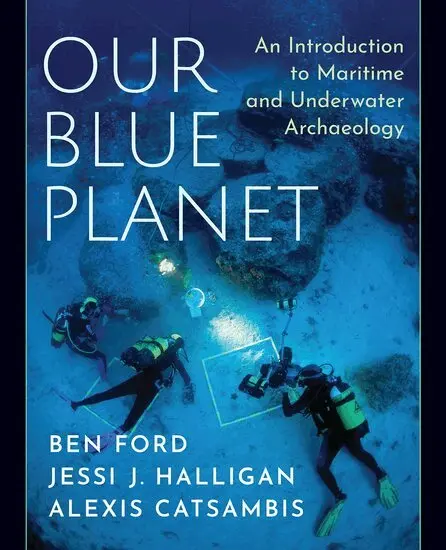
Our Blue Planet: An Introduction to Maritime and Underwater Archaeology
Av Ben Ford, Jessi J. Halligan m. fl.
Inbunden, 2020
2509 kr
Lägg i varukorg
Our Blue Planet provides a comprehensive introduction to the field of maritime and underwater archaeology. Situating the field within the broader study of history and archaeology, this book advocates that an understanding of how our ancestors interacted with rivers, lakes, and oceans is integral to …
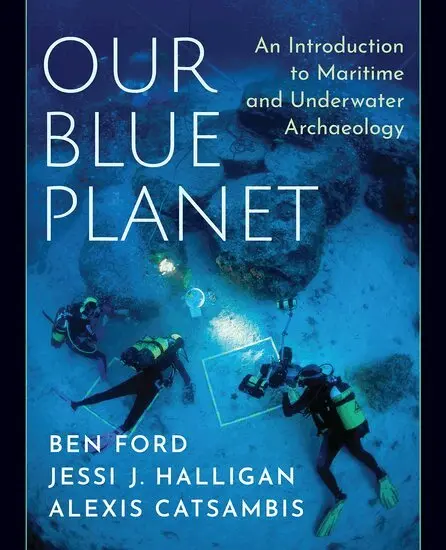
Our Blue Planet: An Introduction to Maritime and Underwater Archaeology
Av Ben Ford, Jessi J. Halligan m. fl.
Häftad, 2020
846 kr
Lägg i varukorg
Our Blue Planet provides a comprehensive introduction to the field of maritime and underwater archaeology. Situating the field within the broader study of history and archaeology, this book advocates that an understanding of how our ancestors interacted with rivers, lakes, and oceans is integral to …
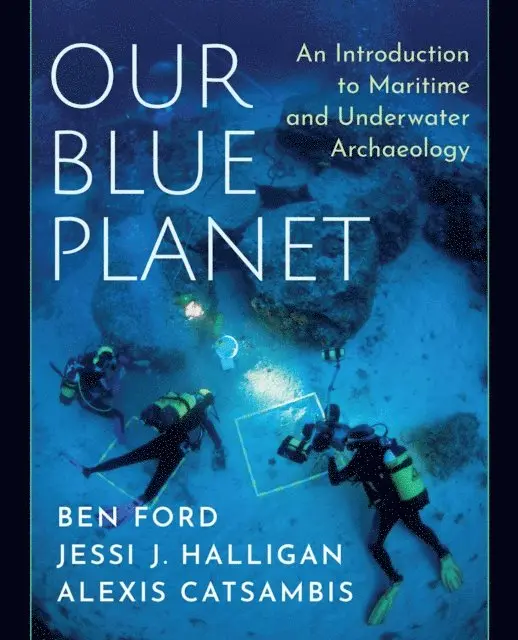
Our Blue Planet: An Introduction to Maritime and Underwater Archaeology
Av Alexis Catsambis, Jessi J. Halligan m. fl.
E-bok, 2020
586 kr
Lägg i varukorg
Our Blue Planet provides a comprehensive introduction to the field of maritime and underwater archaeology. Situating the field within the broader study of history and archaeology, this book advocates that an understanding of how our ancestors interacted with rivers, lakes, and oceans is integral to …
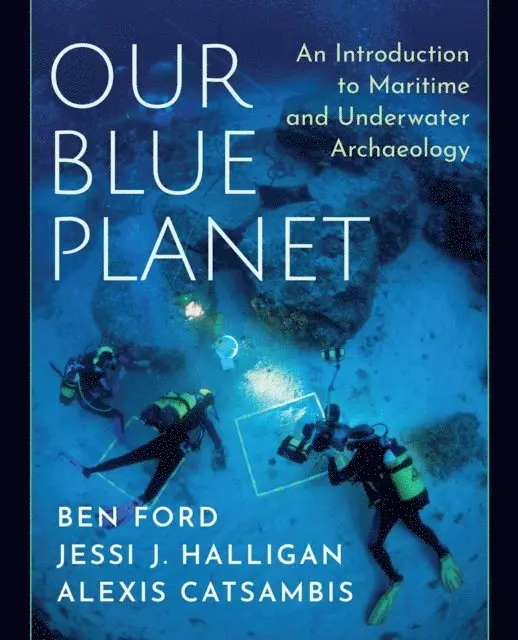
Our Blue Planet: An Introduction to Maritime and Underwater Archaeology
Av Alexis Catsambis, Jessi J. Halligan m. fl.
E-bok, 2020
586 kr
Lägg i varukorg
Our Blue Planet provides a comprehensive introduction to the field of maritime and underwater archaeology. Situating the field within the broader study of history and archaeology, this book advocates that an understanding of how our ancestors interacted with rivers, lakes, and oceans is integral to …
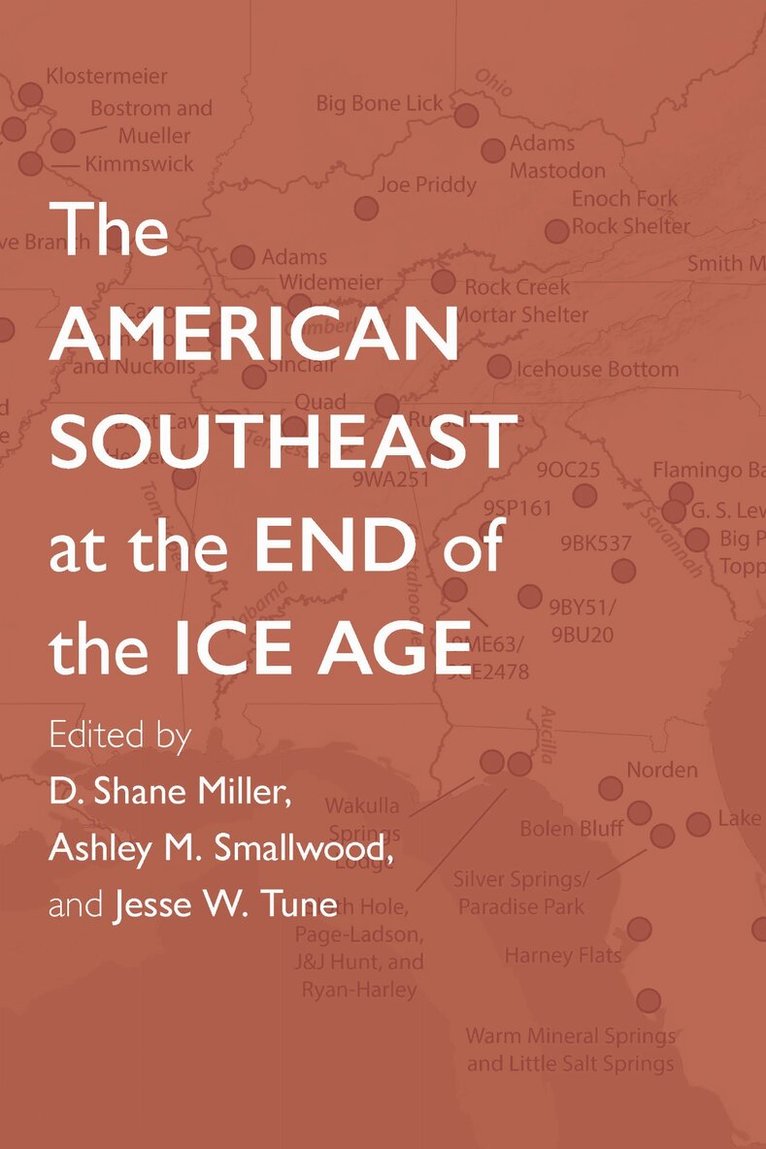
American Southeast at the End of the Ice Age
Av David G. Anderson, Derek T. Anderson m. fl.
Häftad, 2024
454 kr
Lägg i varukorg
The definitive book on what is known about the Late Pleistocene and Early Holocene archaeological record in the SoutheastThe 1996 benchmark volume The Paleoindian and Early Archaic Southeast, edited by David G. Anderson and Kenneth E. Sassaman, was the first study to summarize what was known of the …
Paleoamerican Odyssey, 100 Years Beyond Folsom
Av Jessi J. Halligan, Lily E. Dempsey m. fl.
Häftad, 2026
674 kr
Kommande
Since the first Paleoamerican Odyssey conference, new research has deepened our understanding of the peopling of the Americas. Revolutionary genetic methodologies, combined with developments in archaeology, geology, and paleoecology, have generated new insights into the timing and patterns of early …