Jinying Li – författare
Visar alla böcker från författaren Jinying Li. Handla med fri frakt och snabb leverans.
3 produkter
3 produkter
3 414 kr
Kommande
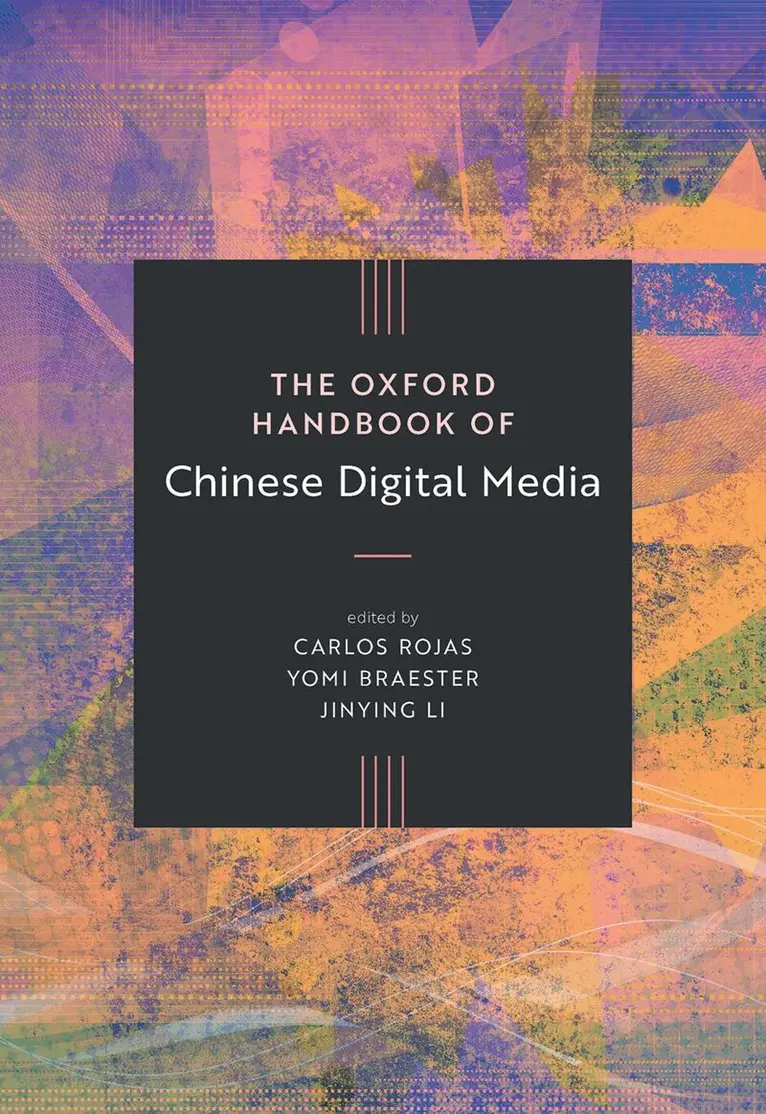
With forty-four original articles by contributors from Asia, Europe, and North America and working in a variety of different disciplines, the Oxford Handbook of Chinese Digital Media offers the most comprehensive exploration to-date of the burgeoning field of Chinese digital media. Each chapter uses cutting-edge research to illustrate a different concept, principle, or methodology relevant to this interdisciplinary field, and collectively the chapters showcase some of the field's most exciting work while at the same time looking ahead to new directions the field may take in the future. While many of the chapters focus on phenomena related to mainland China, several look beyond mainland China to consider phenomena linked to Hong Kong, Taiwan, and the global Chinese diaspora. Topics include digital photography, internet literature, digital games, and social media, as well digital videos, documentaries, animation, and feature films. Themes include internet censorship, internet activism, digital ethnography, and piracy. Even as it attends carefully to many of the regional, national, linguistic, and cultural specificities of different digital formations associated with the Chinese nation, the Chinese language, Chinese culture, or technologies associated with Chinese corporations, the Handbook also offers a roadmap for how one might approach the broader category of digital media itself.
1 272 kr
Skickas inom 7-10 vardagar
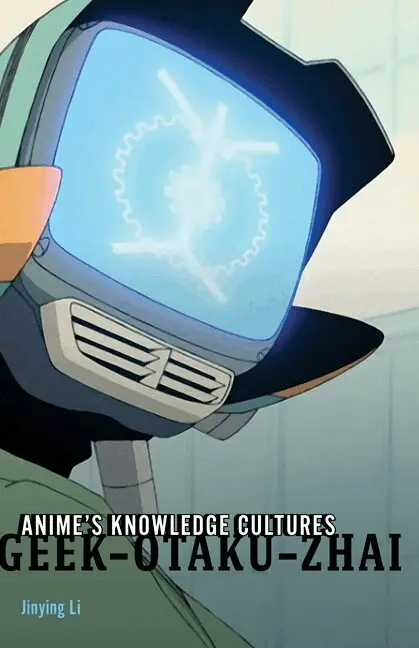
Unlocking the technosocial implications of global geek culturesWhy has anime, a “low-tech” medium from last century, suddenly become the cultural “new cool” in the information age? Through the lens of anime and its transnational fandom, Jinying Li explores the meanings and logics of “geekdom” as one of the most significant sociocultural groups of our time. In Anime’s Knowledge Cultures, Li shifts the center of global geography in knowledge culture from the computer boys in Silicon Valley to the anime fandom in East Asia. Drawing from film studies, animation studies, media theories, fan studies, and area studies, she provides broad cultural and theoretical explanations of anime’s appeal to a new body of tech-savvy knowledge workers and consumers commonly known as geeks, otaku, or zhai. Examining the forms, techniques, and aesthetics of anime, as well as the organization, practices, and sensibilities of its fandom, Anime’s Knowledge Cultures is at once a theorization of anime as a media environment as well as a historical and cultural study of transnational geekdom as a knowledge culture. Li analyzes anime culture beyond the national and subcultural frameworks of Japan or Japanese otaku, instead theorizing anime’s transnational, transmedial network as the epitome of the postindustrial knowledge culture of global geekdom. By interrogating the connection between the anime boom and global geekdom, Li reshapes how we understand the meanings and significance of anime culture in relation to changing social and technological environments.
310 kr
Skickas inom 7-10 vardagar
Unlocking the technosocial implications of global geek culturesWhy has anime, a “low-tech” medium from last century, suddenly become the cultural “new cool” in the information age? Through the lens of anime and its transnational fandom, Jinying Li explores the meanings and logics of “geekdom” as one of the most significant sociocultural groups of our time. In Anime’s Knowledge Cultures, Li shifts the center of global geography in knowledge culture from the computer boys in Silicon Valley to the anime fandom in East Asia. Drawing from film studies, animation studies, media theories, fan studies, and area studies, she provides broad cultural and theoretical explanations of anime’s appeal to a new body of tech-savvy knowledge workers and consumers commonly known as geeks, otaku, or zhai. Examining the forms, techniques, and aesthetics of anime, as well as the organization, practices, and sensibilities of its fandom, Anime’s Knowledge Cultures is at once a theorization of anime as a media environment as well as a historical and cultural study of transnational geekdom as a knowledge culture. Li analyzes anime culture beyond the national and subcultural frameworks of Japan or Japanese otaku, instead theorizing anime’s transnational, transmedial network as the epitome of the postindustrial knowledge culture of global geekdom. By interrogating the connection between the anime boom and global geekdom, Li reshapes how we understand the meanings and significance of anime culture in relation to changing social and technological environments.