Kimberly M. Lukaszewski - Böcker
Visar alla böcker från författaren Kimberly M. Lukaszewski. Handla med fri frakt och snabb leverans.
12 produkter
12 produkter
664 kr
Skickas inom 7-10 vardagar
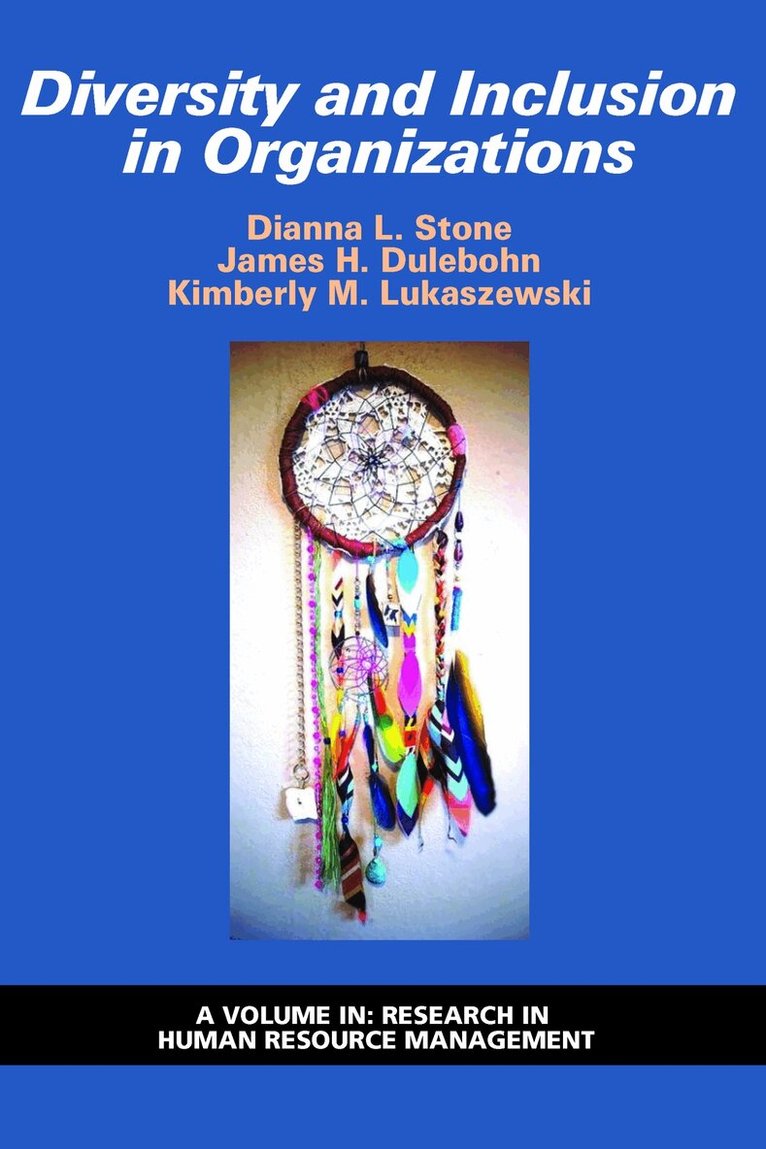
It is evident that organizations are becoming increasingly diverse because of the growing numbers of ethnic minorities in the U. S. and the rise in immigration around the world (U. S. Bureau of Census, 2019). Some estimates indicate that by 2060 ethnic minorities in the U. S. will actually make up the majority of the population (U. S. Bureau of Census, 2019), and national minority group members will constitute over 14% of the 770 million people in the European Union (Worldwide Population Estimates, 2017). Thus, organizations around the world are faced with numerous challenges associated with attracting, motivating, and retaining employees who are culturally diverse, and we need a better understanding of how to increase the inclusion of diverse group members in organizations.This edited book includes twelve cutting edge articles written by subject matter experts on an array of topics including: (a) the influence of multiculturalism on HR practices, (b) factors affecting the success of corporate women, (c) stereotypes of racial minorities, (d) effect sizes in diversity research, ( e) true identities of stigmatized persons, (f) diversity training, (g) LGBTQ issues, (h) age, (I) strategies for creating inclusive climates, (j) the development of measure of reactions to perceived discrimination, (k) racial harassment, and (l) unfair discrimination against immigrants. This timely book provides a critical resource for undergraduate and graduate classes in diversity and inclusion in organizations, human resource management, organizational behavior, organizational sociology, and industrial and organizational psychology. Apart from theories and research on diversity and inclusion, the book also considers implications for designing HR policies and processes in organizations. Therefore, the book is especially relevant for practitioners and human resource professionals because it provides guidance on HR practices that can help organizations attract and retain these new organizational members.
1 125 kr
Skickas inom 7-10 vardagar
It is evident that organizations are becoming increasingly diverse because of the growing numbers of ethnic minorities in the U. S. and the rise in immigration around the world (U. S. Bureau of Census, 2019). Some estimates indicate that by 2060 ethnic minorities in the U. S. will actually make up the majority of the population (U. S. Bureau of Census, 2019), and national minority group members will constitute over 14% of the 770 million people in the European Union (Worldwide Population Estimates, 2017). Thus, organizations around the world are faced with numerous challenges associated with attracting, motivating, and retaining employees who are culturally diverse, and we need a better understanding of how to increase the inclusion of diverse group members in organizations.This edited book includes twelve cutting edge articles written by subject matter experts on an array of topics including: (a) the influence of multiculturalism on HR practices, (b) factors affecting the success of corporate women, (c) stereotypes of racial minorities, (d) effect sizes in diversity research, ( e) true identities of stigmatized persons, (f) diversity training, (g) LGBTQ issues, (h) age, (I) strategies for creating inclusive climates, (j) the development of measure of reactions to perceived discrimination, (k) racial harassment, and (l) unfair discrimination against immigrants. This timely book provides a critical resource for undergraduate and graduate classes in diversity and inclusion in organizations, human resource management, organizational behavior, organizational sociology, and industrial and organizational psychology. Apart from theories and research on diversity and inclusion, the book also considers implications for designing HR policies and processes in organizations. Therefore, the book is especially relevant for practitioners and human resource professionals because it provides guidance on HR practices that can help organizations attract and retain these new organizational members.
969 kr
Skickas inom 7-10 vardagar
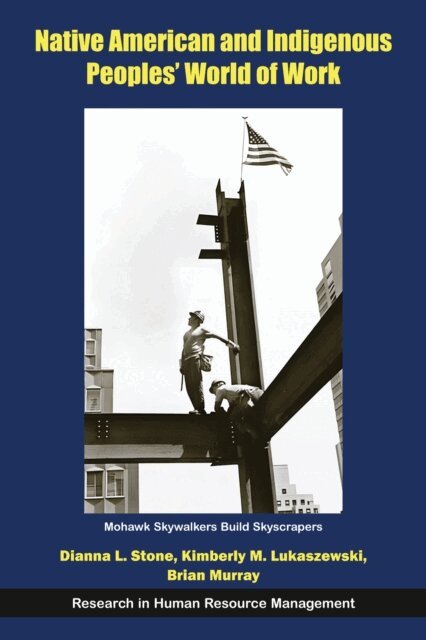
This book contains an Open Access Chapter.The UN estimates that there are approximately 476 million indigenous people around the world, and there are 1.8 million Native Americans in the USA. These individuals face recurring challenges with high rates of unemployment, poverty, unequal access to health care, low educational levels, and housing and food insecurity. They also face cultural dominance by one or more European countries, the confiscation of indigenous lands, environmental degradation, racism, higher suicide rates, shorter longevity rates, and countless indignities.Another one of the biggest challenges facing Native Americans and indigenous people is that they often experience unfair discrimination in the employment process and exclusion from work organizations, which perpetuates their high rates of poverty. Despite these problems, there has been little or no research on Native American work issues in human resource management or related fields. Native American and Indigenous Peoples' World of Work aims to fill these research gaps. It considers the factors that affect unfair discrimination, racism, and the exclusion of indigenous people in work organizations; highlights the benefits of including indigenous people in organizations; develops a better understanding of indigenous people’s work values, job choices, and reward preferences so organizations can attract and retain them; and offers directions for future research and practice on the plight of indigenous people in organizations. Along with The Dignity of Native Americans and Indigenous Peoples' Experiences at Work these volumes are unique in being the first titles on Native American or indigenous work issues, and many authors are indigenous people.
576 kr
Skickas inom 7-10 vardagar
This book contains an Open Access Chapter.The UN estimates that there are approximately 476 million indigenous people around the world, and there are 1.8 million Native Americans in the USA. These individuals face recurring challenges with high rates of unemployment, poverty, unequal access to health care, low educational levels, and housing and food insecurity. They also face cultural dominance by one or more European countries, the confiscation of indigenous lands, environmental degradation, racism, higher suicide rates, shorter longevity rates, and countless indignities.Another one of the biggest challenges facing Native Americans and indigenous people is that they often experience unfair discrimination in the employment process and exclusion from work organizations, which perpetuates their high rates of poverty. Despite these problems, there has been little or no research on Native American work issues in human resource management or related fields. Native American and Indigenous Peoples' World of Work aims to fill these research gaps. It considers the factors that affect unfair discrimination, racism, and the exclusion of indigenous people in work organizations; highlights the benefits of including indigenous people in organizations; develops a better understanding of indigenous people’s work values, job choices, and reward preferences so organizations can attract and retain them; and offers directions for future research and practice on the plight of indigenous people in organizations. Along with The Dignity of Native Americans and Indigenous Peoples' Experiences at Work these volumes are unique in being the first titles on Native American or indigenous work issues, and many authors are indigenous people.
1 158 kr
Skickas inom 7-10 vardagar
The UN estimates that there are approximately 476 million indigenous people around the world, and there are 1.8 million Native Americans in the USA. These individuals face recurring challenges with high rates of unemployment, poverty, unequal access to health care, low educational levels, and housing and food insecurity. They also face cultural dominance by one or more European countries, the confiscation of indigenous lands, environmental degradation, racism, higher suicide rates, shorter longevity rates, and countless indignities.Another one of the biggest challenges facing Native Americans and indigenous people is that they often experience unfair discrimination in the employment process and exclusion from work organizations, which perpetuates their high rates of poverty. Despite these problems, there has been little or no research on Native American work issues in human resource management or related fields. The Dignity of Native Americans and Indigenous Peoples' Experiences at Work considers the factors that affect unfair discrimination, racism, and the exclusion of indigenous people in work organizations; highlights the benefits of including indigenous people in organizations; develops a better understanding of indigenous people’s work values, job choices, and reward preferences so organizations can attract and retain them; and offers directions for future research and practice on the plight of indigenous people in organizations.Along with Native American and Indigenous Peoples' World of Work these volumes are unique in being the first titles on Native American or indigenous work issues, and many authors are indigenous people.
684 kr
Skickas inom 7-10 vardagar
The UN estimates that there are approximately 476 million indigenous people around the world, and there are 1.8 million Native Americans in the USA. These individuals face recurring challenges with high rates of unemployment, poverty, unequal access to health care, low educational levels, and housing and food insecurity. They also face cultural dominance by one or more European countries, the confiscation of indigenous lands, environmental degradation, racism, higher suicide rates, shorter longevity rates, and countless indignities.Another one of the biggest challenges facing Native Americans and indigenous people is that they often experience unfair discrimination in the employment process and exclusion from work organizations, which perpetuates their high rates of poverty. Despite these problems, there has been little or no research on Native American work issues in human resource management or related fields. The Dignity of Native Americans and Indigenous Peoples' Experiences at Work considers the factors that affect unfair discrimination, racism, and the exclusion of indigenous people in work organizations; highlights the benefits of including indigenous people in organizations; develops a better understanding of indigenous people’s work values, job choices, and reward preferences so organizations can attract and retain them; and offers directions for future research and practice on the plight of indigenous people in organizations.Along with Native American and Indigenous Peoples' World of Work these volumes are unique in being the first titles on Native American or indigenous work issues, and many authors are indigenous people.
649 kr
Skickas inom 7-10 vardagar
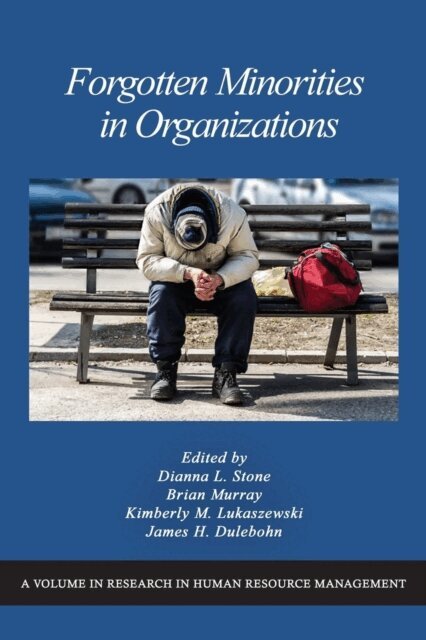
People have long made invidious distinctions between individuals (e.g., the clean and the unclean, good and evil, black and white, sacred and profane, etc.) (Smith, 1996), and these distinctions affect the degree to which individuals experience prejudice, unfair discrimination, and oppression in organizations and society as a whole. As a result, there has been an increased interest in research on these distinctions and unfair discrimination in organizations. Despite this research, most of the studies have focused on only a subset of minorities including African Americans, women, older workers, and people with physical disabilities (Dipboye & Colella, 2005). A number of other minorities have been forgotten or neglected by organizational researchers including people with neurological or psychological disabilities, veterans, Native Americans, people with a criminal history, and those who come from low socioeconomic or poor backgrounds. Thus, the primary purposes of this issue of Research in HRM is to foster research on “Forgotten Minorities” or those who are members of groups that have been excluded from organizations and neglected by organizational research. In view of these arguments, this issue (a) presents a brief review of the organizational research on the exclusion and repudiation of people who are forgotten minorities, (b) offers directions for future research on these outgroup members, and (c) considers key implications for practice that can facilitate the inclusion of forgotten minorities in organizations.
1 098 kr
Skickas inom 7-10 vardagar
People have long made invidious distinctions between individuals (e.g., the clean and the unclean, good and evil, black and white, sacred and profane, etc.) (Smith, 1996), and these distinctions affect the degree to which individuals experience prejudice, unfair discrimination, and oppression in organizations and society as a whole. As a result, there has been an increased interest in research on these distinctions and unfair discrimination in organizations. Despite this research, most of the studies have focused on only a subset of minorities including African Americans, women, older workers, and people with physical disabilities (Dipboye & Colella, 2005). A number of other minorities have been forgotten or neglected by organizational researchers including people with neurological or psychological disabilities, veterans, Native Americans, people with a criminal history, and those who come from low socioeconomic or poor backgrounds. Thus, the primary purposes of this issue of Research in HRM is to foster research on “Forgotten Minorities” or those who are members of groups that have been excluded from organizations and neglected by organizational research. In view of these arguments, this issue (a) presents a brief review of the organizational research on the exclusion and repudiation of people who are forgotten minorities, (b) offers directions for future research on these outgroup members, and (c) considers key implications for practice that can facilitate the inclusion of forgotten minorities in organizations.
649 kr
Skickas inom 7-10 vardagar
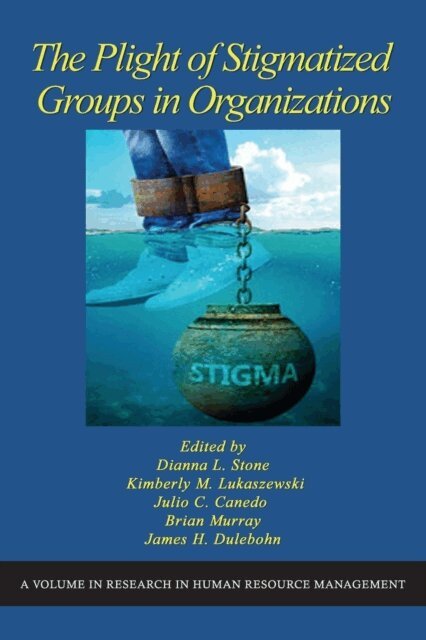
People are often stigmatized by virtue of their status on such dimensions as race, ethnicity, gender, age, weight, disability, or sexual orientation, and this book deals with the plight of those who are stigmatized in organizations. For example, they often experience prejudice, unfair discrimination, mistreatment, and exclusion from organizations and society as a whole. As a result, there has been an increased interest in developing ways to decrease the negative experiences of stigmatized groups, increase their inclusion in organizations, and ensure that they have the opportunity to enjoy a satisfying work life. Despite an increased interest in decreasing the negative experiences of stigmatized groups, most of the studies in human resource management (HR) and organizational behavior (OB) have focused on only a subset of these individuals including African-Americans, women, older workers, and people with physical disabilities (Dipboye & Colella, 2005). A number of other stigmatized groups have been practically neglected by organizational research including people with psychological disabilities (e.g., anxiety and depressive disorders), Asian Americans, immigrants, those with foreign accents, individuals with different sexual orientations, people who are single in organizations, women entering the corporate suite, and adolescents. Thus, the primary purposes of this issue of Research in HRM is to consider research on The plight of stigmatized groups in organizations, and foster research on those groups who have been neglected in organizational research.In view of these arguments, this issue (a) presents a brief review of the research on the plight of several stigmatized groups in organizations (e.g., Asian Americans, those with psychological disabilities, people who are single, women entering the corporate suite, and individuals with different sexual orientations, (b) identify needed research on these stigmatized groups, (c) offer directions for future research, and (d) consider the implications for practice that can decrease the negative experiences of these group members, and facilitate their inclusion in organizational settings.
1 098 kr
Skickas inom 7-10 vardagar
People are often stigmatized by virtue of their status on such dimensions as race, ethnicity, gender, age, weight, disability, or sexual orientation, and this book deals with the plight of those who are stigmatized in organizations. For example, they often experience prejudice, unfair discrimination, mistreatment, and exclusion from organizations and society as a whole. As a result, there has been an increased interest in developing ways to decrease the negative experiences of stigmatized groups, increase their inclusion in organizations, and ensure that they have the opportunity to enjoy a satisfying work life. Despite an increased interest in decreasing the negative experiences of stigmatized groups, most of the studies in human resource management (HR) and organizational behavior (OB) have focused on only a subset of these individuals including African-Americans, women, older workers, and people with physical disabilities (Dipboye & Colella, 2005). A number of other stigmatized groups have been practically neglected by organizational research including people with psychological disabilities (e.g., anxiety and depressive disorders), Asian Americans, immigrants, those with foreign accents, individuals with different sexual orientations, people who are single in organizations, women entering the corporate suite, and adolescents. Thus, the primary purposes of this issue of Research in HRM is to consider research on The plight of stigmatized groups in organizations, and foster research on those groups who have been neglected in organizational research.In view of these arguments, this issue (a) presents a brief review of the research on the plight of several stigmatized groups in organizations (e.g., Asian Americans, those with psychological disabilities, people who are single, women entering the corporate suite, and individuals with different sexual orientations, (b) identify needed research on these stigmatized groups, (c) offer directions for future research, and (d) consider the implications for practice that can decrease the negative experiences of these group members, and facilitate their inclusion in organizational settings.
701 kr
Skickas inom 7-10 vardagar
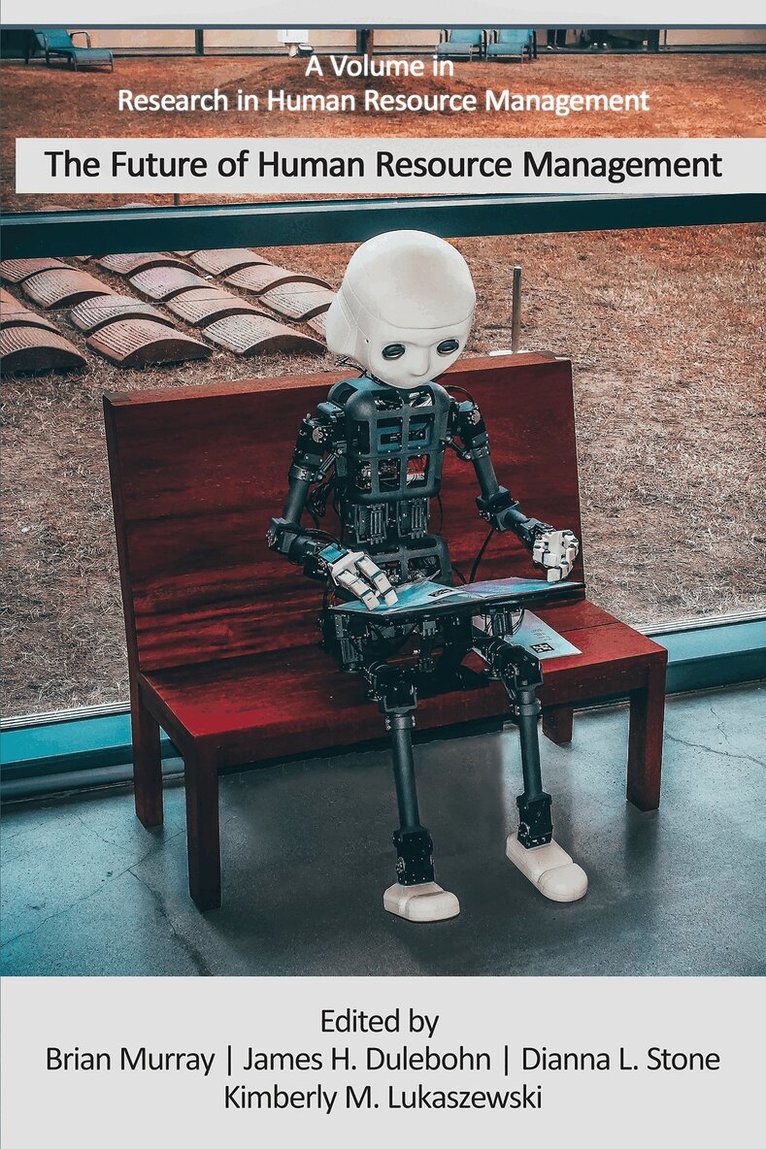
This book contains an Open Access chapterThe landscape of human resource management (HRM) is evolving more rapidly than ever. Human resource managers are facing new and previously unimagined challenges ranging from the rise of artificial intelligence to the shift to work-from-home arrangements. As the HR profession changes, research in the field must keep pace to provide relevant evidence to inform planning and decision making. The authors in this volume of Research in Human Resource Management identify important emerging issues and offer an agenda the future of HRM studies. This fifteen article volume includes an outstanding roster of established and emerging HR scholars who define the future of the profession. The editors open the volume with a question of how HR research can best serve current evidence needs while preparing practitioners and scholars for emerging issues. They present the volume in four sets of articles. Authors in part one pose the questions of how the world of work changed due to the pandemic period and what lessons we can learn having emerged from it. Authors in part two examine the emerging role of artificial intelligence in HRM, how stakeholders respond to it, and how it supports a growing interest in HR analytics. Authors in part three provide direction for diversity research in support of understudied groups and the enduring influence of inclusion, power, and performance. The volume closes with two articles guiding new ways of thinking about HR research, including a reconsideration of HR function research based on relational theory and challenges to how we think about goal setting theory. The volume is designed primarily for scholars in the field of human resource management. It also serves the needs of instructors and students in master's and doctoral courses in industrial-organizational psychology, human resource management, or organizational behavior. Each article is grounded in managerial context that will appeal to practitioners in the field.
1 150 kr
Skickas inom 7-10 vardagar
This book contains an Open Access chapterThe landscape of human resource management (HRM) is evolving more rapidly than ever. Human resource managers are facing new and previously unimagined challenges ranging from the rise of artificial intelligence to the shift to work-from-home arrangements. As the HR profession changes, research in the field must keep pace to provide relevant evidence to inform planning and decision making. The authors in this volume of Research in Human Resource Management identify important emerging issues and offer an agenda the future of HRM studies. This fifteen article volume includes an outstanding roster of established and emerging HR scholars who define the future of the profession. The editors open the volume with a question of how HR research can best serve current evidence needs while preparing practitioners and scholars for emerging issues. They present the volume in four sets of articles. Authors in part one pose the questions of how the world of work changed due to the pandemic period and what lessons we can learn having emerged from it. Authors in part two examine the emerging role of artificial intelligence in HRM, how stakeholders respond to it, and how it supports a growing interest in HR analytics. Authors in part three provide direction for diversity research in support of understudied groups and the enduring influence of inclusion, power, and performance. The volume closes with two articles guiding new ways of thinking about HR research, including a reconsideration of HR function research based on relational theory and challenges to how we think about goal setting theory. The volume is designed primarily for scholars in the field of human resource management. It also serves the needs of instructors and students in master's and doctoral courses in industrial-organizational psychology, human resource management, or organizational behavior. Each article is grounded in managerial context that will appeal to practitioners in the field.