James H. Dulebohn – författare
Visar alla böcker från författaren James H. Dulebohn. Handla med fri frakt och snabb leverans.
32 produkter
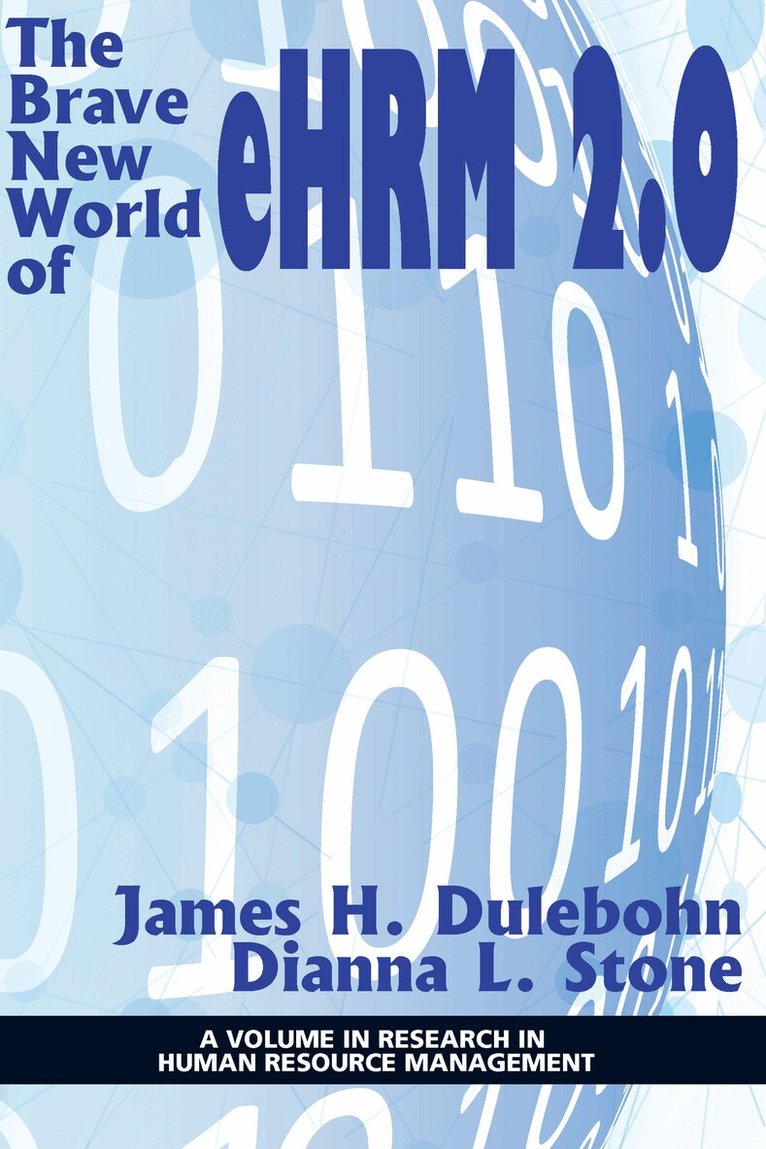
Brave New World of eHRM 2.0
Av James H. Dulebohn, Dianna L. Stone
Häftad, 2018
621 kr
Lägg i varukorg
Information technology has had a profound effect on almost every aspect of our lives including the way we purchase products, communicate with others, receive health care services, and deliver education and training. It has also had a major impact on human resource management (HR) processes, and it …
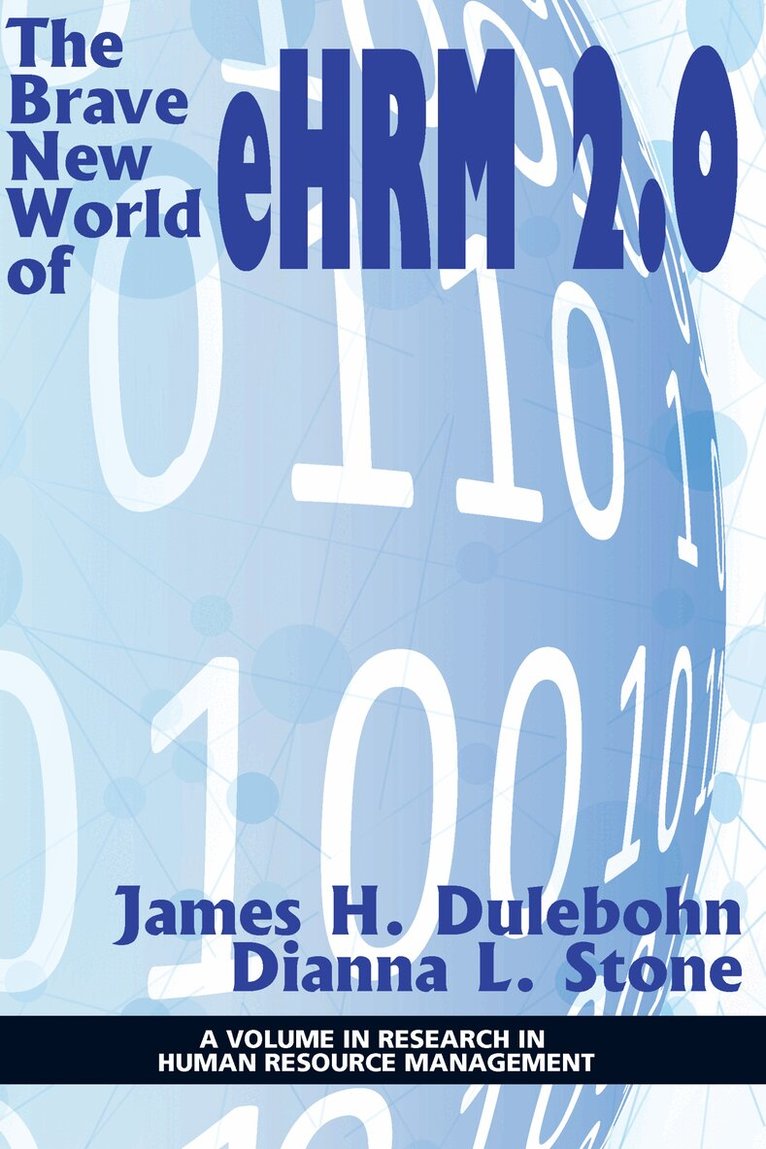
Brave New World of eHRM 2.0
Av James H. Dulebohn, Dianna L. Stone
Inbunden, 2018
1099 kr
Lägg i varukorg
Information technology has had a profound effect on almost every aspect of our lives including the way we purchase products, communicate with others, receive health care services, and deliver education and training. It has also had a major impact on human resource management (HR) processes, and it …
Brave New World of eHRM 2.0
Av Dianna L. Stone, James H. Dulebohn
E-bok, 2018
436 kr
Lägg i varukorg
Information technology has had a profound effect on almost every aspect of our lives including the way we purchase products, communicate with others, receive health care services, and deliver education and training. It has also had a major impact on human resource management (HR) processes, and it …
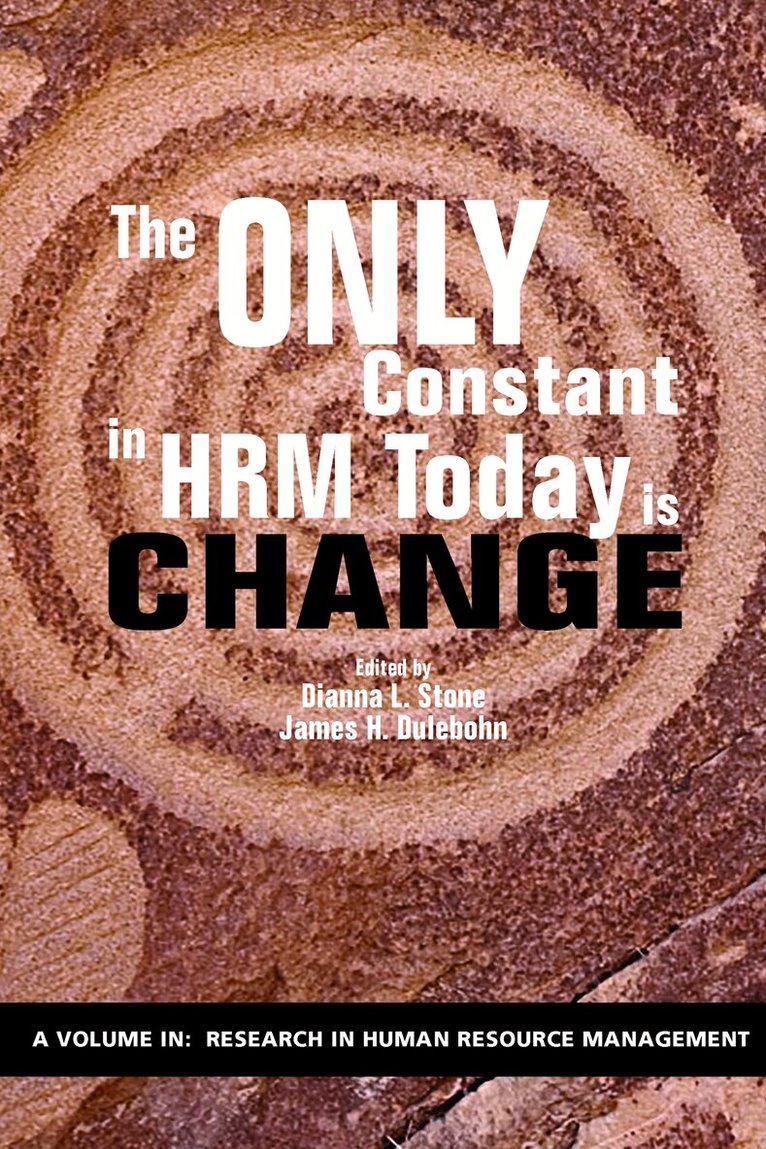
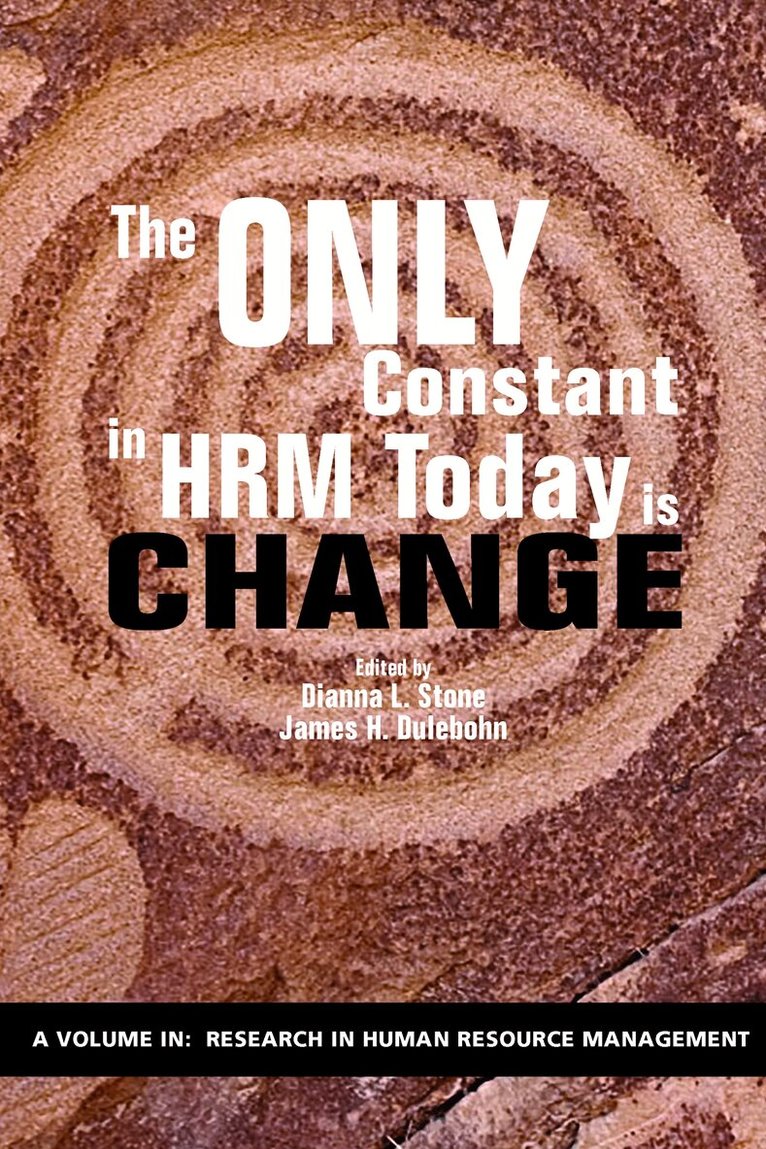
Only Constant in HRM Today is Change
Av Dianna L. Stone, James H. Dulebohn
Häftad, 2019
586 kr
Lägg i varukorg
In this issue of Research Human Resource Management we consider some of the challenges facing organizations today including changes in the population, the increased competition for talent, and the rise in the use of technology. The issue also includes a number of thought-provoking articles that …
Only Constant in HRM Today is Change
Av Dianna L. Stone, James H. Dulebohn
Inbunden, 2019
1092 kr
Lägg i varukorg
In this issue of Research Human Resource Management we consider some of the challenges facing organizations today including changes in the population, the increased competition for talent, and the rise in the use of technology. The issue also includes a number of thought-provoking articles that …
Only Constant in HRM Today is Change
Av James H. Dulebohn, Dianna L. Stone
E-bok, 2019
411 kr
Lägg i varukorg
In this issue of Research Human Resource Management we consider some of the challenges facing organizations today including changes in the population, the increased competition for talent, and the rise in the use of technology. The issue also includes a number of thought-provoking articles that …
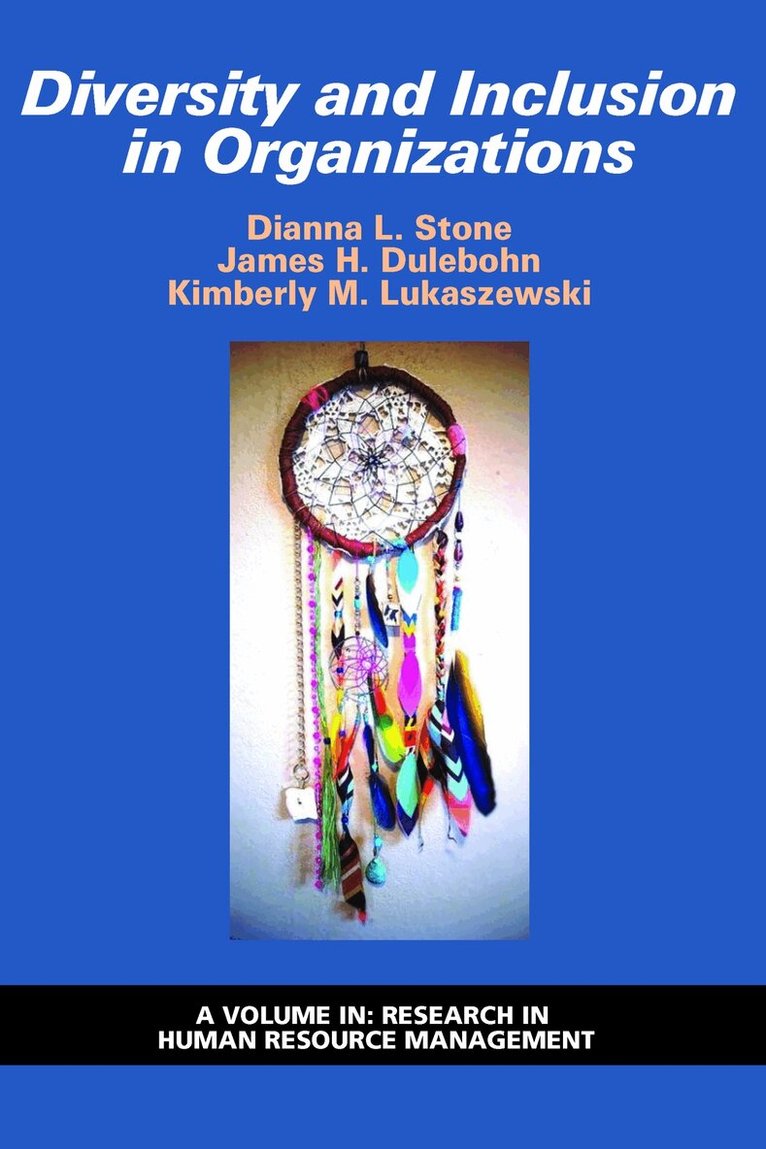
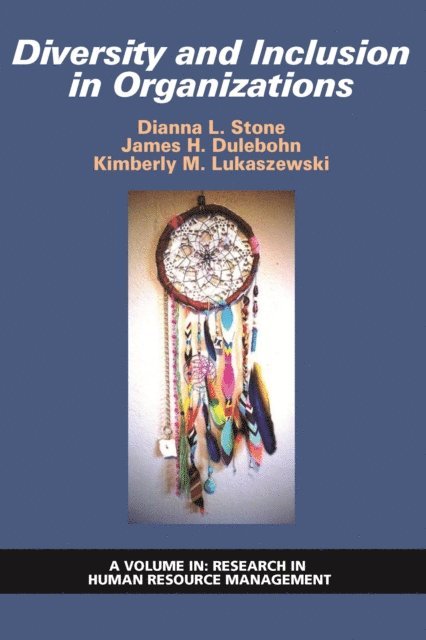
Diversity and Inclusion in Organizations
Av Dianna L. Stone, James H. Dulebohn m. fl.
Häftad, 2020
709 kr
Lägg i varukorg
It is evident that organizations are becoming increasingly diverse because of the growing numbers of ethnic minorities in the U. S. and the rise in immigration around the world (U. S. Bureau of Census, 2019). Some estimates indicate that by 2060 ethnic minorities in the U. S. will actually make up …
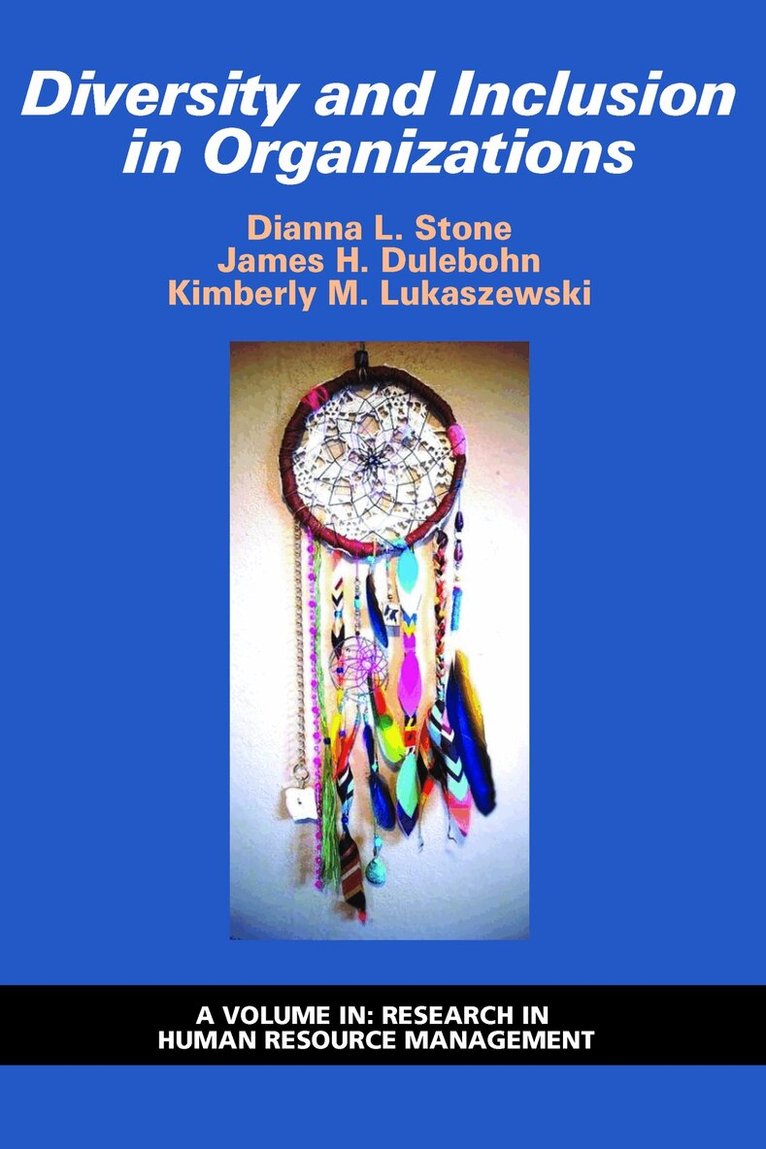
Diversity and Inclusion in Organizations
Av Dianna L. Stone, James H. Dulebohn m. fl.
Inbunden, 2020
1201 kr
Lägg i varukorg
It is evident that organizations are becoming increasingly diverse because of the growing numbers of ethnic minorities in the U. S. and the rise in immigration around the world (U. S. Bureau of Census, 2019). Some estimates indicate that by 2060 ethnic minorities in the U. S. will actually make up …
Diversity and Inclusion in Organizations
Av Kimberly M. Lukaszewski, James H. Dulebohn m. fl.
E-bok, 2020
662 kr
Lägg i varukorg
It is evident that organizations are becoming increasingly diverse because of the growing numbers of ethnic minorities in the U. S. and the rise in immigration around the world (U. S. Bureau of Census, 2019). Some estimates indicate that by 2060 ethnic minorities in the U. S. will actually make up …
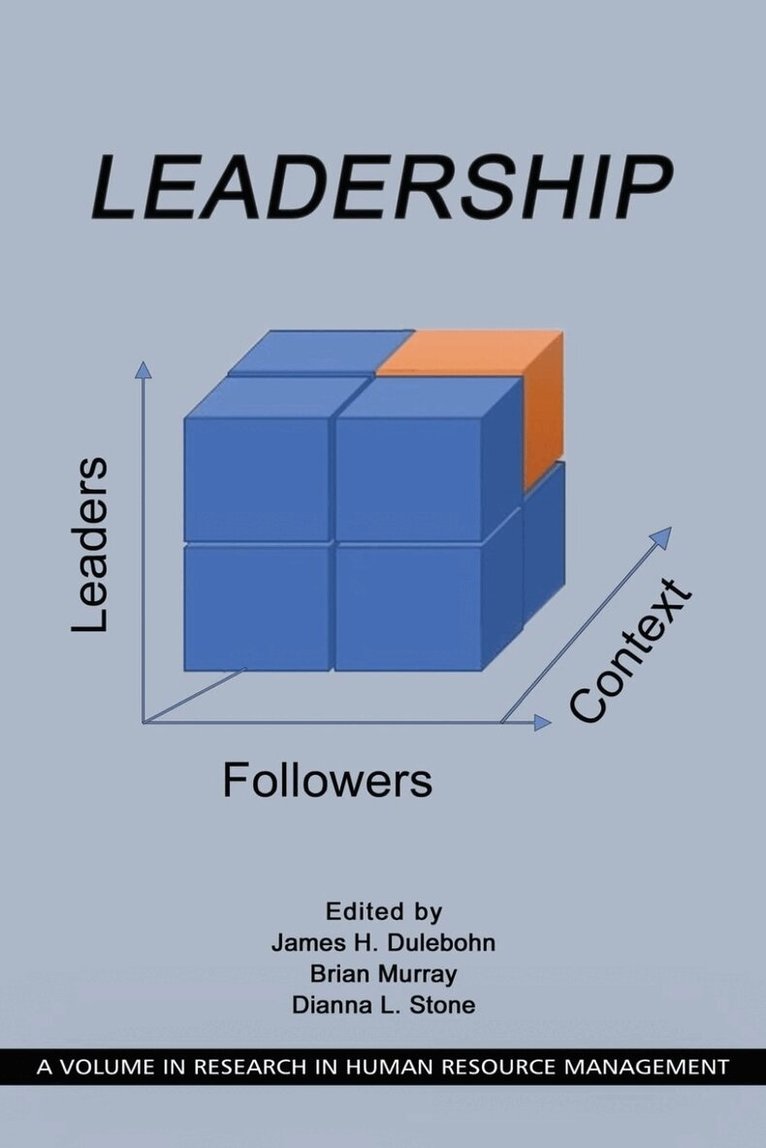
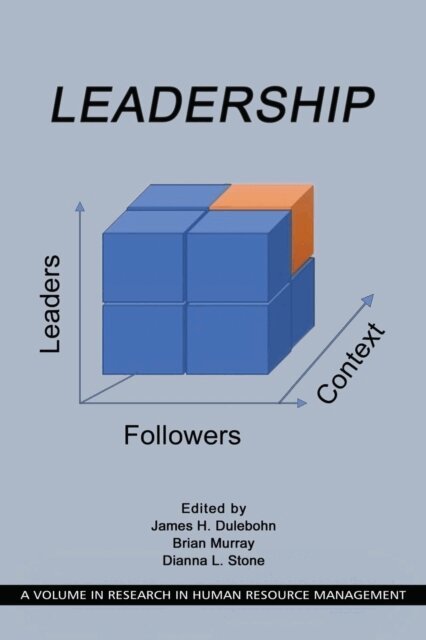
Leadership
Leaders, Followers, and Context
Av James H. Dulebohn, Brian Murray m. fl.
Häftad, 2021
730 kr
Lägg i varukorg
As we enter the third decade of the twenty-first century, we are seeing a renaissance of context in influencing leadership, leader-follower relations, and leader effectiveness as well as a recognition of the tripartite nature of leadership. To fully understand and appreciate leadership, one must …
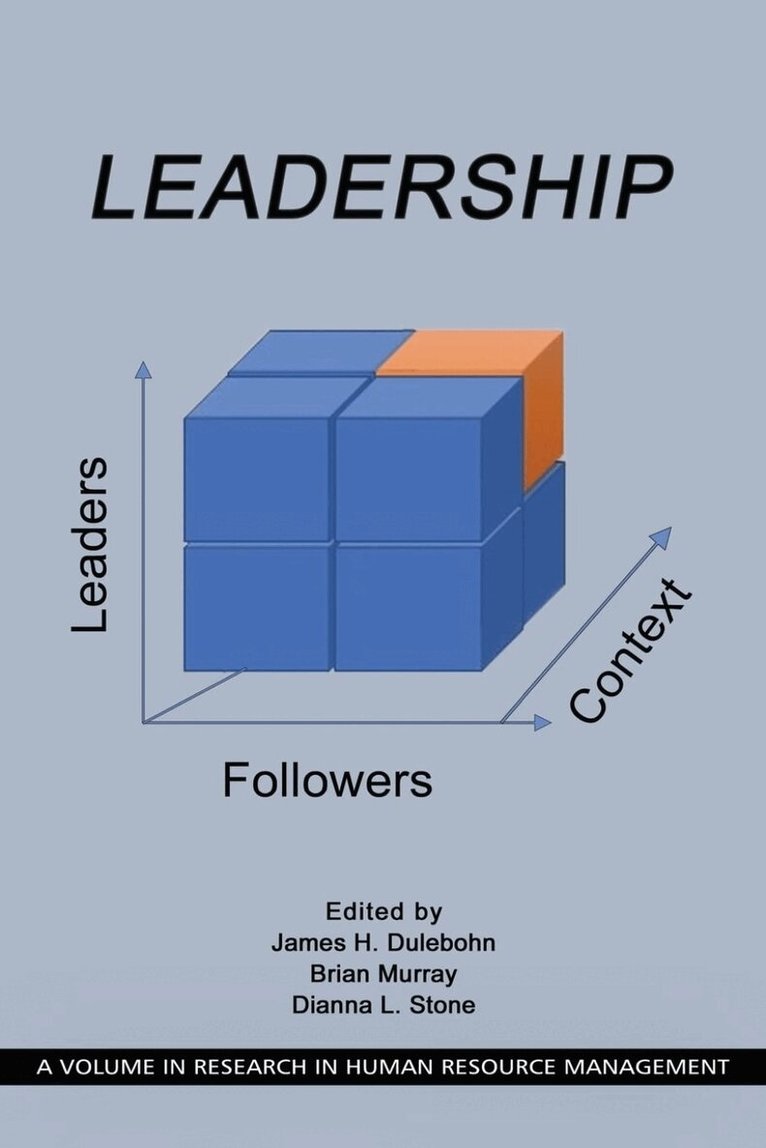
Leadership
Leaders, Followers, and Context
Av James H. Dulebohn, Brian Murray m. fl.
Inbunden, 2021
1237 kr
Lägg i varukorg
As we enter the third decade of the twenty-first century, we are seeing a renaissance of context in influencing leadership, leader-follower relations, and leader effectiveness as well as a recognition of the tripartite nature of leadership. To fully understand and appreciate leadership, one must …
Leadership
Leaders, Followers, and Context
Av Dianna L. Stone, Brian Murray m. fl.
E-bok, 2021
667 kr
Lägg i varukorg
As we enter the third decade of the twenty-first century, we are seeing a renaissance of context in influencing leadership, leader-follower relations, and leader effectiveness as well as a recognition of the tripartite nature of leadership. To fully understand and appreciate leadership, one must …
Human Resource Management Theory and Research on New Employment Relationships
Av Dianna L. Stone, James H. Dulebohn
Häftad, 2016
657 kr
Lägg i varukorg
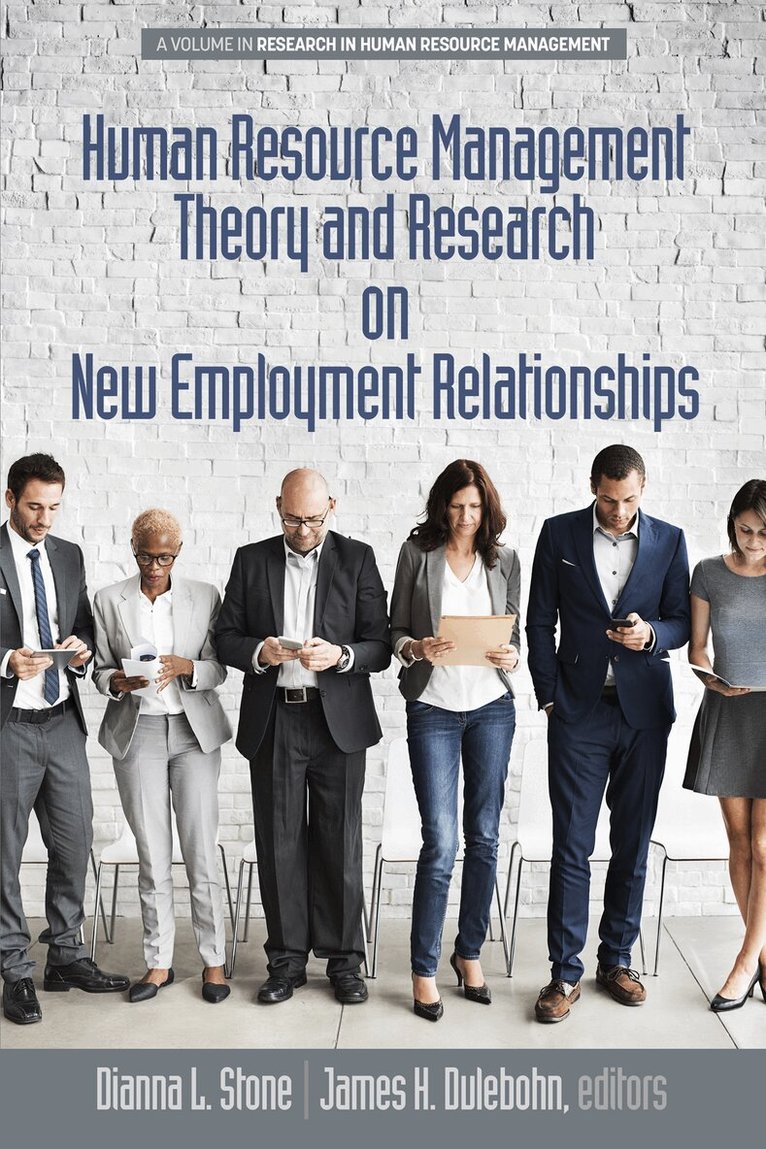
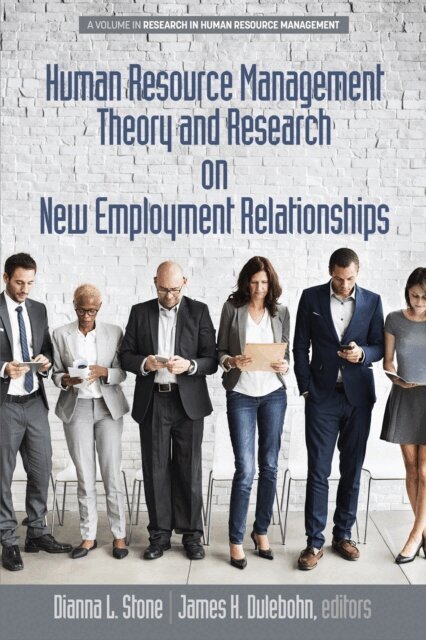
This volume of the series Research in Human Resource Management (HRM) focuses on a number of important issues in HRM and OB including performance appraisal, political skill, gratitude, psychological contracts, the philosophical underpinnings of HRM, pay and compensation messages, and electronic …
Human Resource Management Theory and Research on New Employment Relationships
Av Dianna L. Stone, James H. Dulebohn
Inbunden, 2016
1162 kr
Lägg i varukorg
This volume of the series Research in Human Resource Management (HRM) focuses on a number of important issues in HRM and OB including performance appraisal, political skill, gratitude, psychological contracts, the philosophical underpinnings of HRM, pay and compensation messages, and electronic …
Human Resource Management Theory and Research on New Employment Relationships
Av James H. Dulebohn, Dianna L. Stone
E-bok, 2016
472 kr
Lägg i varukorg
This volume of the series Research in Human Resource Management (HRM) focuses on a number of important issues in HRM and OB including performance appraisal, political skill, gratitude, psychological contracts, the philosophical underpinnings of HRM, pay and compensation messages, and electronic …
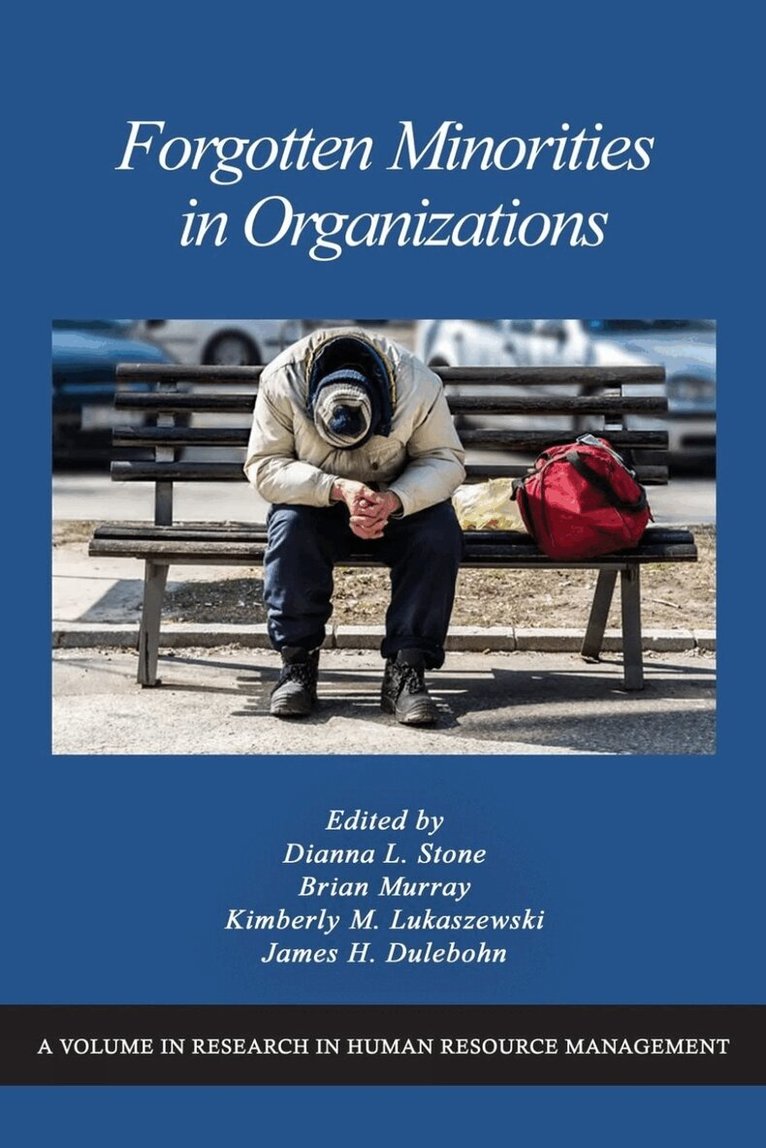
Forgotten Minorities in Organizations
Av James H. Dulebohn, Kimberly M. Lukaszewski m. fl.
E-bok, 2023
743 kr
Lägg i varukorg
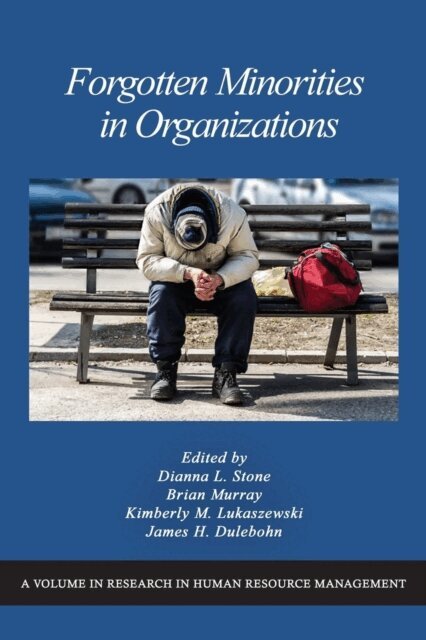
People have long made invidious distinctions between individuals (e.g., the clean and the unclean, good and evil, black and white, sacred and profane, etc.) (Smith, 1996), and these distinctions affect the degree to which individuals experience prejudice, unfair discrimination, and oppression in …
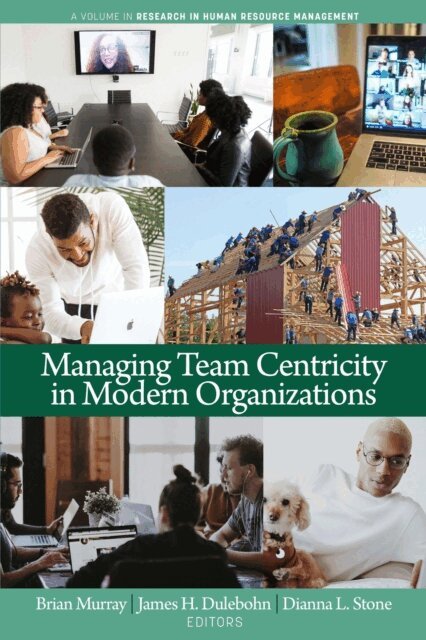
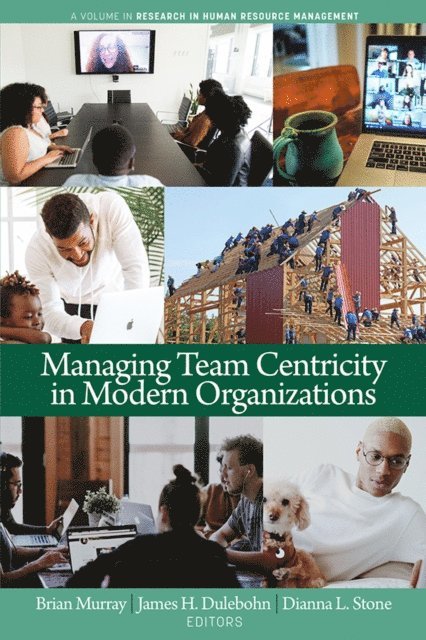
Managing Team Centricity in Modern Organizations
Av Dianna L. Stone, James H. Dulebohn m. fl.
E-bok, 2022
654 kr
Lägg i varukorg
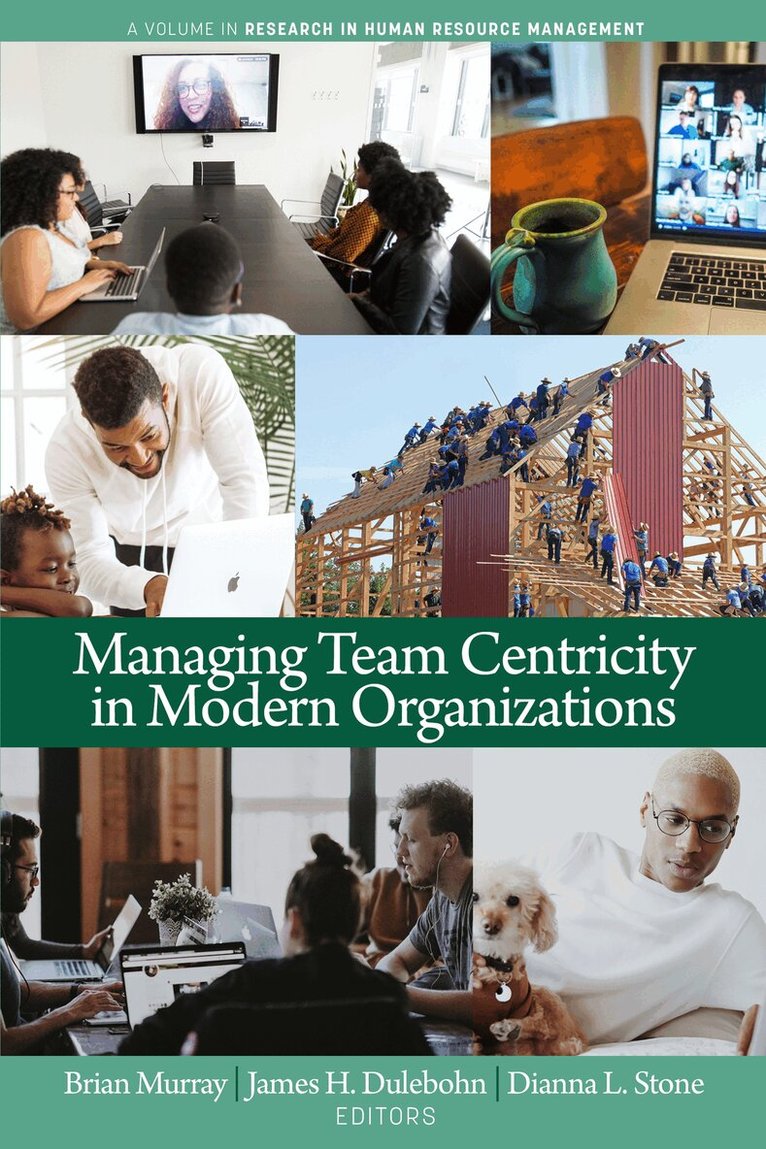
Managers are increasingly employing teams as a primary work unit in organizations, but they are struggling with how to effectively lead the emerging team structures. Intensifying the challenges that they are facing, work restrictions due to the Covid-19 pandemic hastened the move to remote work, …
Leadership
Leaders, Followers, and Context
Av Dianna L. Stone, Brian Murray m. fl.
E-bok, 2021
787 kr
Lägg i varukorg
As we enter the third decade of the twenty-first century, we are seeing a renaissance of context in influencing leadership, leader-follower relations, and leader effectiveness as well as a recognition of the tripartite nature of leadership. To fully understand and appreciate leadership, one must …
Diversity and Inclusion in Organizations
Av Kimberly M. Lukaszewski, James H. Dulebohn m. fl.
E-bok, 2020
764 kr
Lägg i varukorg
It is evident that organizations are becoming increasingly diverse because of the growing numbers of ethnic minorities in the U. S. and the rise in immigration around the world (U. S. Bureau of Census, 2019). Some estimates indicate that by 2060 ethnic minorities in the U. S. will actually make up …
Only Constant in HRM Today is Change
Av James H. Dulebohn, Dianna L. Stone
E-bok, 2019
630 kr
Lägg i varukorg
In this issue of Research Human Resource Management we consider some of the challenges facing organizations today including changes in the population, the increased competition for talent, and the rise in the use of technology. The issue also includes a number of thought-provoking articles that …
Brave New World of eHRM 2.0
Av Dianna L. Stone, James H. Dulebohn
E-bok, 2018
669 kr
Lägg i varukorg
Information technology has had a profound effect on almost every aspect of our lives including the way we purchase products, communicate with others, receive health care services, and deliver education and training. It has also had a major impact on human resource management (HR) processes, and it …
Human Resource Management Theory and Research on New Employment Relationships
Av James H. Dulebohn, Dianna L. Stone
E-bok, 2016
708 kr
Lägg i varukorg
This volume of the series Research in Human Resource Management (HRM) focuses on a number of important issues in HRM and OB including performance appraisal, political skill, gratitude, psychological contracts, the philosophical underpinnings of HRM, pay and compensation messages, and electronic …
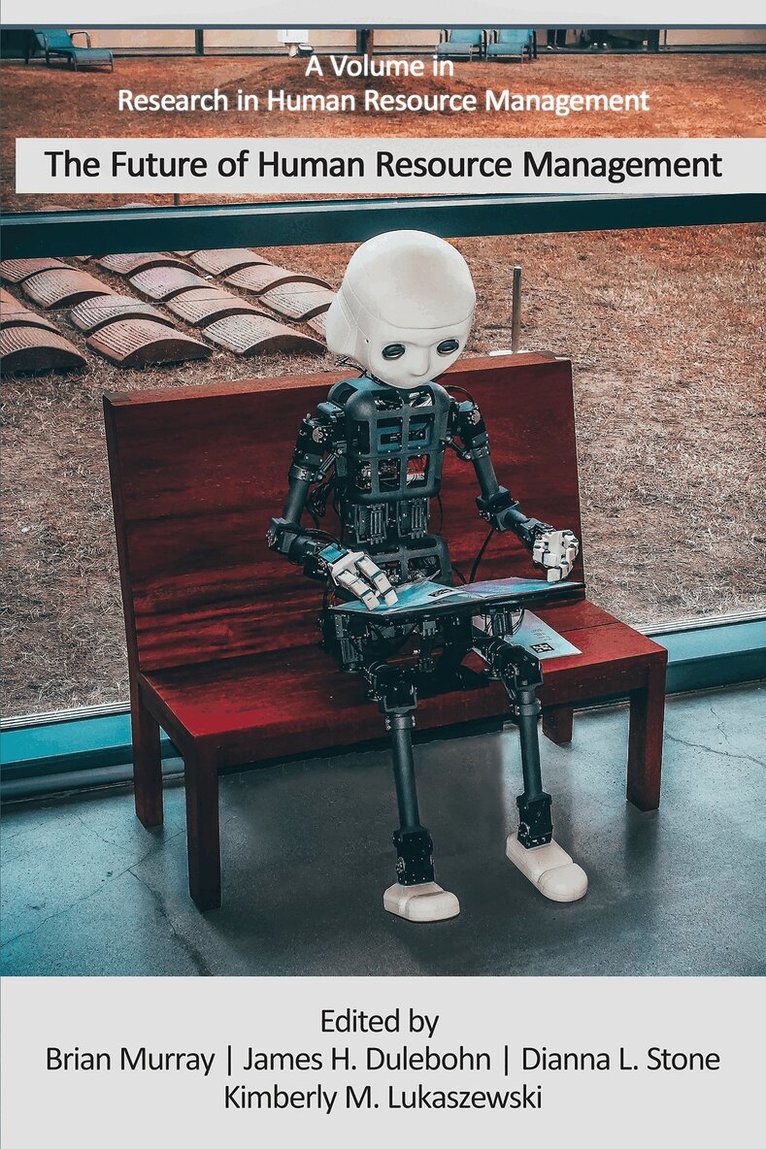
Future of Human Resource Management
Av Kimberly M. Lukaszewski, Brian Murray m. fl.
E-bok, 2025
803 kr
Lägg i varukorg
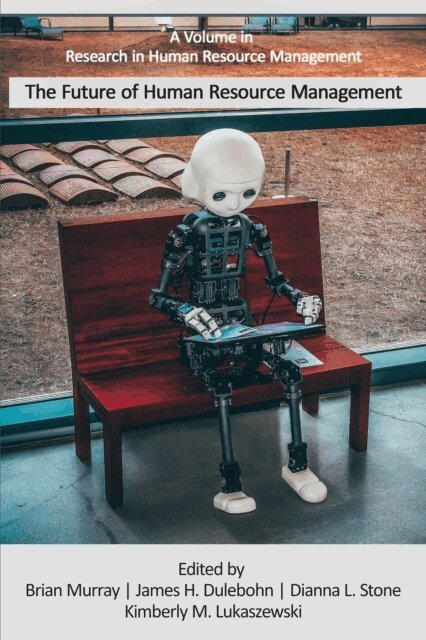
This book contains an Open Access chapter The landscape of human resource management (HRM) is evolving more rapidly than ever. Human resource managers are facing new and previously unimagined challenges ranging from the rise of artificial intelligence to the shift to work-from-home arrangements. As …
Managing Team Centricity in Modern Organizations
Av Brian Murray, James H. Dulebohn m. fl.
Häftad, 2022
621 kr
Lägg i varukorg
Managers are increasingly employing teams as a primary work unit in organizations, but they are struggling with how to effectively lead the emerging team structures. Intensifying the challenges that they are facing, work restrictions due to the Covid-19 pandemic hastened the move to remote work, …
Managing Team Centricity in Modern Organizations
Av Brian Murray, James H. Dulebohn m. fl.
Inbunden, 2022
1099 kr
Lägg i varukorg
Managers are increasingly employing teams as a primary work unit in organizations, but they are struggling with how to effectively lead the emerging team structures. Intensifying the challenges that they are facing, work restrictions due to the Covid-19 pandemic hastened the move to remote work, …
Managing Team Centricity in Modern Organizations
Av Dianna L. Stone, James H. Dulebohn m. fl.
E-bok, 2022
579 kr
Lägg i varukorg
Managers are increasingly employing teams as a primary work unit in organizations, but they are struggling with how to effectively lead the emerging team structures. Intensifying the challenges that they are facing, work restrictions due to the Covid-19 pandemic hastened the move to remote work, …
Forgotten Minorities in Organizations
Av Dianna L. Stone, Brian Murray m. fl.
Häftad, 2023
689 kr
Lägg i varukorg
People have long made invidious distinctions between individuals (e.g., the clean and the unclean, good and evil, black and white, sacred and profane, etc.) (Smith, 1996), and these distinctions affect the degree to which individuals experience prejudice, unfair discrimination, and oppression in …
Forgotten Minorities in Organizations
Av Dianna L. Stone, Brian Murray m. fl.
Inbunden, 2023
1167 kr
Lägg i varukorg
People have long made invidious distinctions between individuals (e.g., the clean and the unclean, good and evil, black and white, sacred and profane, etc.) (Smith, 1996), and these distinctions affect the degree to which individuals experience prejudice, unfair discrimination, and oppression in …
Forgotten Minorities in Organizations
Av James H. Dulebohn, Kimberly M. Lukaszewski m. fl.
E-bok, 2023
644 kr
Lägg i varukorg
People have long made invidious distinctions between individuals (e.g., the clean and the unclean, good and evil, black and white, sacred and profane, etc.) (Smith, 1996), and these distinctions affect the degree to which individuals experience prejudice, unfair discrimination, and oppression in …
Future of Human Resource Management
Av Dianna L. Stone, James H. Dulebohn m. fl.
Häftad, 2025
745 kr
Lägg i varukorg
This book contains an Open Access chapterThe landscape of human resource management (HRM) is evolving more rapidly than ever. Human resource managers are facing new and previously unimagined challenges ranging from the rise of artificial intelligence to the shift to work-from-home arrangements. As …