Luis C. Corchón – författare
Visar alla böcker från författaren Luis C. Corchón. Handla med fri frakt och snabb leverans.
6 produkter
6 produkter
4 209 kr
Skickas inom 7-10 vardagar
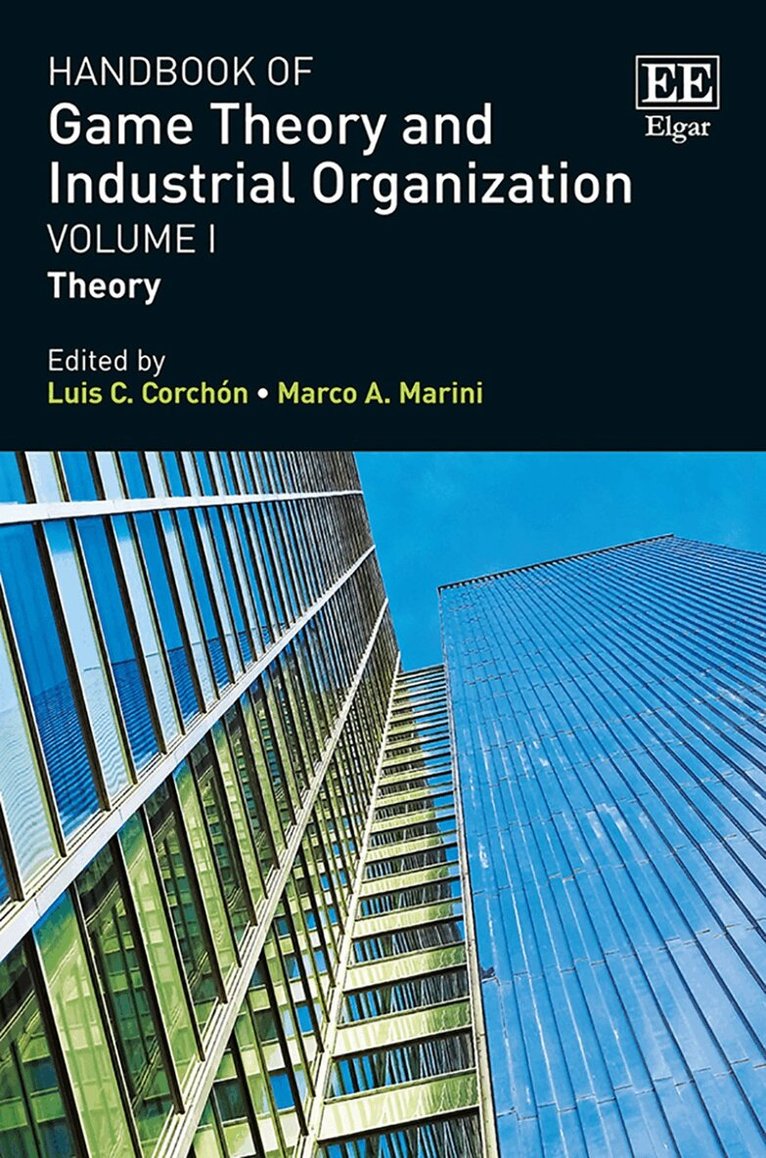
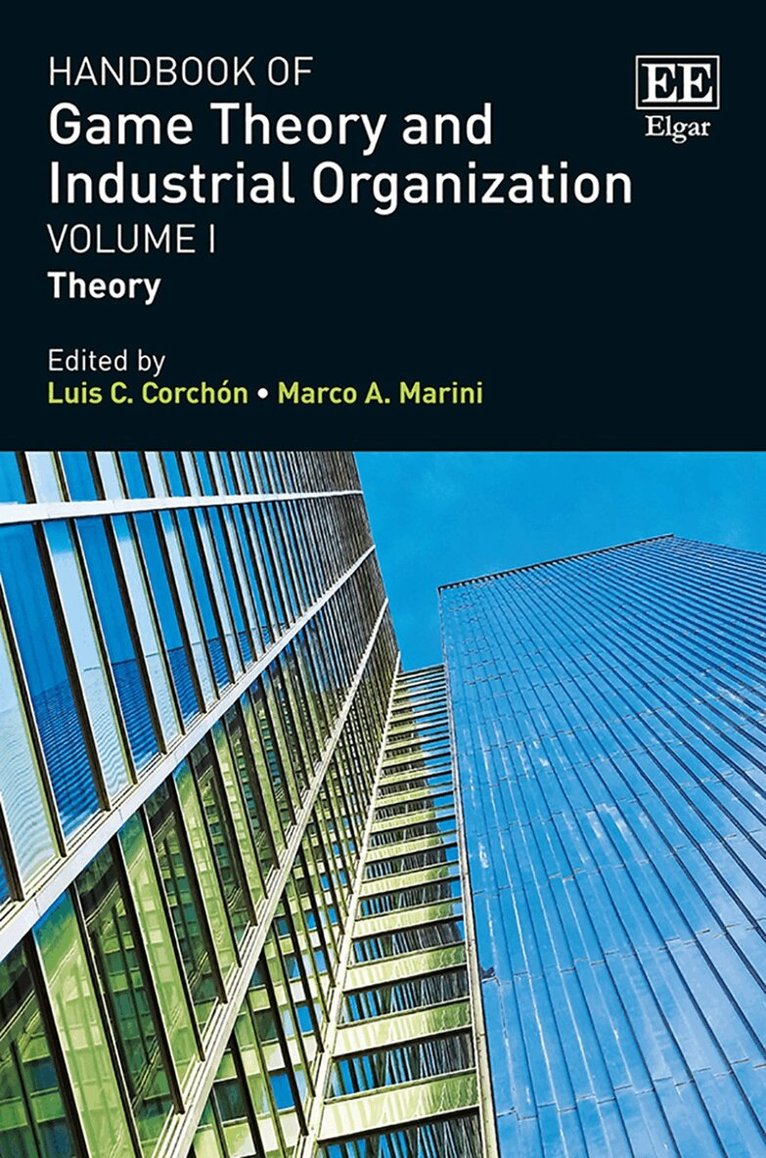
Industrial organization studies how markets allocate resources, specifically when there are few agents or when there are frictions that render the price-taking paradigm unsuitable. Game theory explores situations in which agents interact strategically and provides a useful foundation for studying many traditional industrial organization topics.The first volume of this wide-ranging Handbook contains original contributions by world-class specialists. It provides up-to-date surveys of the main tools of game theory that are used to model industrial organization topics. The Handbook covers numerous subjects in detail including, among others, the tools of lattice programming, supermodular and aggregative games, monopolistic competition, horizontal and vertically differentiated good models, dynamic and Stackelberg games, entry games, evolutionary games with adaptive players, asymmetric information, moral hazard, and learning and information sharing models.Technical yet accessible, this comprehensive resource will be required reading for both established researchers as well as graduate or advanced undergraduate students in industrial economics and game theory.Contributors incude: R. Amir, A. Attar, G.I. Bischi, F. Bloch, L. Corchón, S. Currarini, C. d'Aspremont, F. Feri, J. Gabszewicz, M. Jensen, L. Julien, F. Lamantia, I. Macho-Stadler, M. Marini, E. Maskin, D. Perez-Castrillo, C. Pimienta, D. Radi, R.A. Ritz, K. Ritzberger, O. Tarola, J. Thisse, A. Urbano, P. Ushchev, X. Vives, J. Zhao
801 kr
Skickas inom 7-10 vardagar
Industrial organization studies how markets allocate resources, specifically when there are few agents or when there are frictions that render the price-taking paradigm unsuitable. Game theory explores situations in which agents interact strategically and provides a useful foundation for studying many traditional industrial organization topics.The first volume of this wide-ranging Handbook contains original contributions by world-class specialists. It provides up-to-date surveys of the main tools of game theory that are used to model industrial organization topics. The Handbook covers numerous subjects in detail including, among others, the tools of lattice programming, supermodular and aggregative games, monopolistic competition, horizontal and vertically differentiated good models, dynamic and Stackelberg games, entry games, evolutionary games with adaptive players, asymmetric information, moral hazard, and learning and information sharing models.Technical yet accessible, this comprehensive resource will be required reading for both established researchers as well as graduate or advanced undergraduate students in industrial economics and game theory.Contributors incude: R. Amir, A. Attar, G.I. Bischi, F. Bloch, L. Corchón, S. Currarini, C. d'Aspremont, F. Feri, J. Gabszewicz, M. Jensen, L. Julien, F. Lamantia, I. Macho-Stadler, M. Marini, E. Maskin, D. Perez-Castrillo, C. Pimienta, D. Radi, R.A. Ritz, K. Ritzberger, O. Tarola, J. Thisse, A. Urbano, P. Ushchev, X. Vives, J. Zhao
4 209 kr
Skickas inom 7-10 vardagar
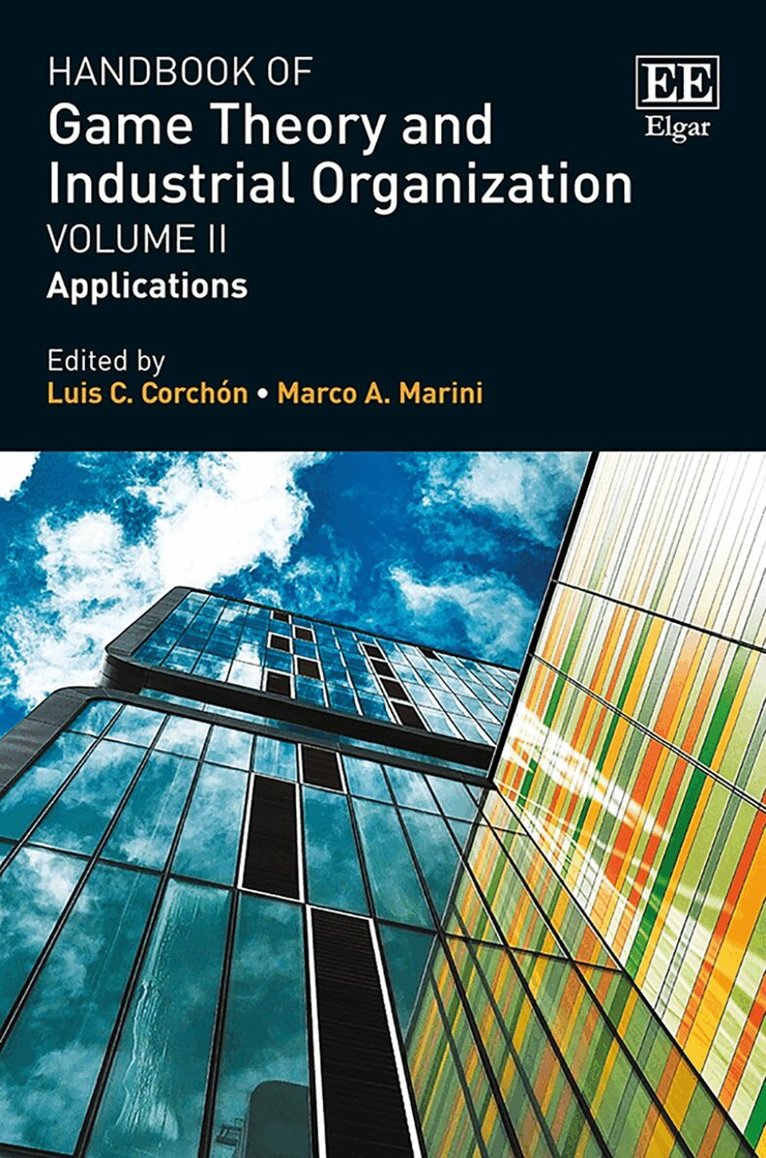
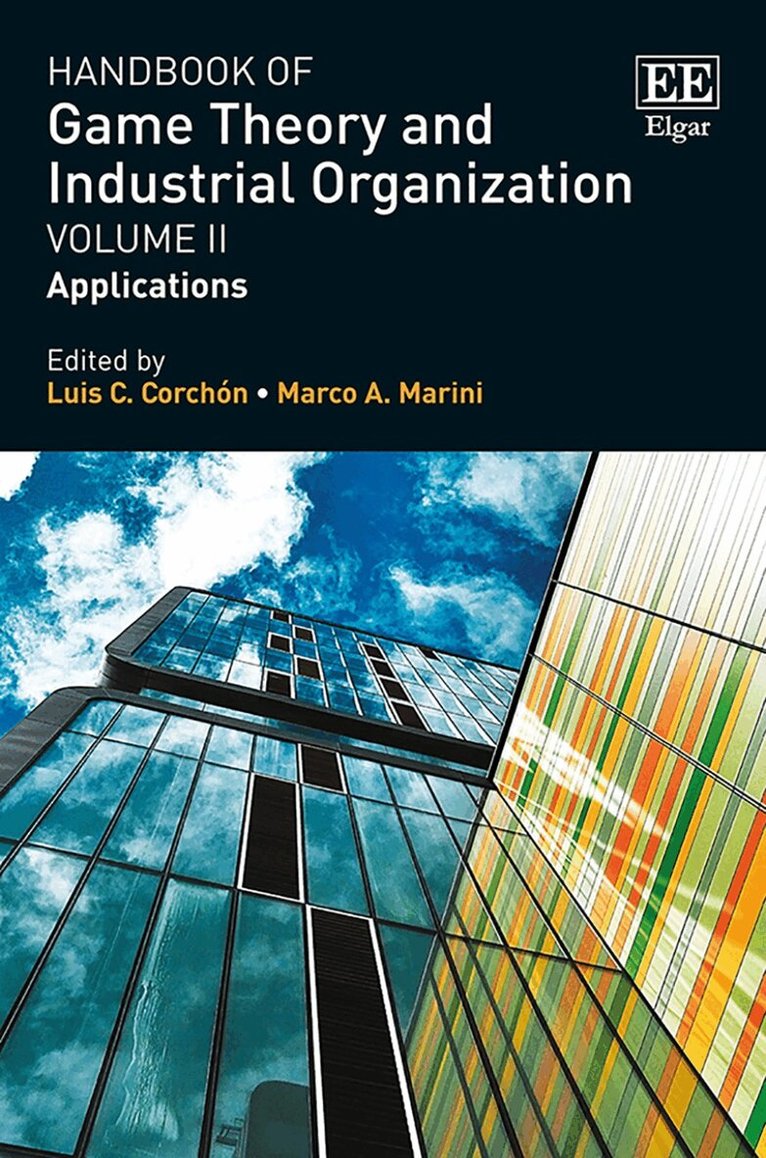
Game theory explores situations in which agents interact strategically and provides a useful foundation for studying many traditional industrial organization topics. This approach has also enabled the emergence of new areas of enquiry including law and economics, networks, the digital economy, auctions, experimental game theory and many others.This second volume of the Handbook includes original contributions by experts in the field. It provides up-to-date surveys of the most relevant applications of game theory to industrial organization. The book covers both classical and industrial organization topics such as mergers in markets with homogeneous and differentiated goods, leniency and coordinated effects in cartels and mergers, static and dynamic contests, consumer search and product safety, strategic delegation, platforms and network effects, auctions, environmental and resource economics, intellectual property, healthcare, corruption, experimental industrial organization, and empirical models of research and development.Authoritative and engaging, this unique Handbook will be an indispensable resource for all serious academics, researchers and students of industrial economics and game theory.Contributors incude: S. Anderson, A. Barge-Gil, P. Belleflamme, J. Brandts, R. Burguet, L. Corchón, A. Daughety, N. Fabra, R. Fauli-Oller, J.-J. Ganuza, M.l. Gonzalez Maestre, A. Hernando-Veciana, M. Hoffmann, E. Huergo, M. Kopel, L. Lambertini, A. Lopez, M. Marini, C. Marvao, E. Maskin, J.G. Montalvo, L. Moreno, M. Motta, P. Olivella, M. Peitz, M. Pezzino, M. Polo, J. Potters, J. Reinganum, R. Renault, G. Rota Preziosi, J. Sandonis, M. Serena, G. Spagnolo
737 kr
Skickas inom 7-10 vardagar
Game theory explores situations in which agents interact strategically and provides a useful foundation for studying many traditional industrial organization topics. This approach has also enabled the emergence of new areas of enquiry including law and economics, networks, the digital economy, auctions, experimental game theory and many others.This second volume of the Handbook includes original contributions by experts in the field. It provides up-to-date surveys of the most relevant applications of game theory to industrial organization. The book covers both classical and industrial organization topics such as mergers in markets with homogeneous and differentiated goods, leniency and coordinated effects in cartels and mergers, static and dynamic contests, consumer search and product safety, strategic delegation, platforms and network effects, auctions, environmental and resource economics, intellectual property, healthcare, corruption, experimental industrial organization, and empirical models of research and development.Authoritative and engaging, this unique Handbook will be an indispensable resource for all serious academics, researchers and students of industrial economics and game theory.Contributors incude: S. Anderson, A. Barge-Gil, P. Belleflamme, J. Brandts, R. Burguet, L. Corchón, A. Daughety, N. Fabra, R. Fauli-Oller, J.-J. Ganuza, M.l. Gonzalez Maestre, A. Hernando-Veciana, M. Hoffmann, E. Huergo, M. Kopel, L. Lambertini, A. Lopez, M. Marini, C. Marvao, E. Maskin, J.G. Montalvo, L. Moreno, M. Motta, P. Olivella, M. Peitz, M. Pezzino, M. Polo, J. Potters, J. Reinganum, R. Renault, G. Rota Preziosi, J. Sandonis, M. Serena, G. Spagnolo
1 062 kr
Skickas inom 10-15 vardagar
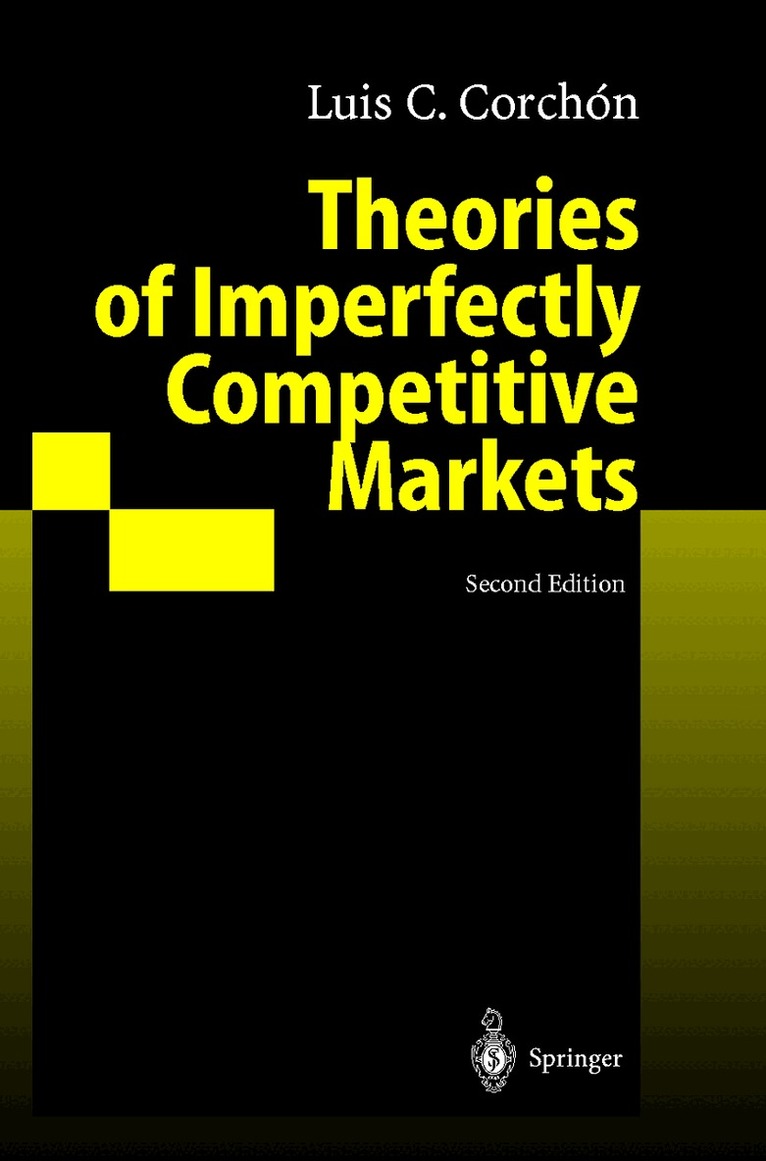
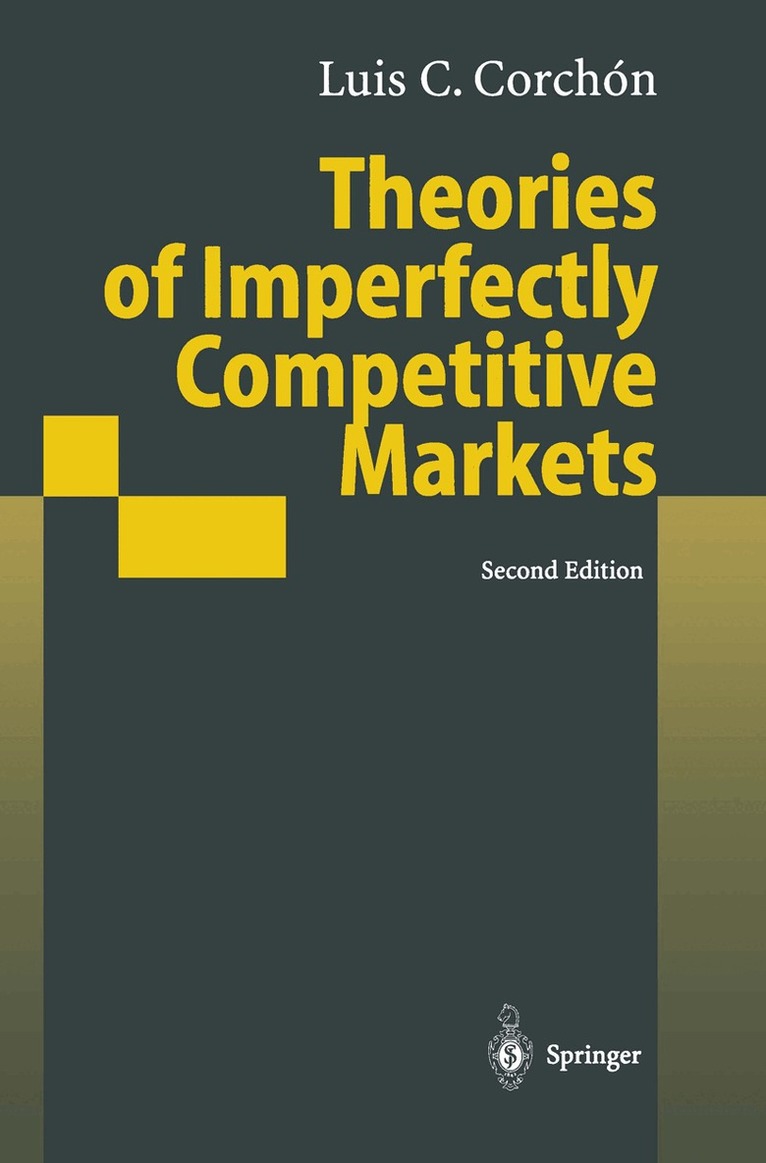
This book presents the theory of Industrial Organization in a unified and concise way. It presents the main models and results in the area, using game theory as a unifying theoretical background. Besides corrections and new sections, the new edition contains a new chapter on games of incomplete information. More than 200 excercises help the reader to understand the results of the book.
1 062 kr
Skickas inom 10-15 vardagar
This book presents the theory of Industrial Organization in a unified and concise way. It presents the main models and results in the area, using game theory as a unifying theoretical background. Besides corrections and new sections, the new edition contains a new chapter on games of incomplete information. More than 200 excercises help the reader to understand the results of the book.