Miriam T. Stark - Böcker
Visar alla böcker från författaren Miriam T. Stark. Handla med fri frakt och snabb leverans.
6 produkter
6 produkter
3 202 kr
Skickas inom 10-15 vardagar
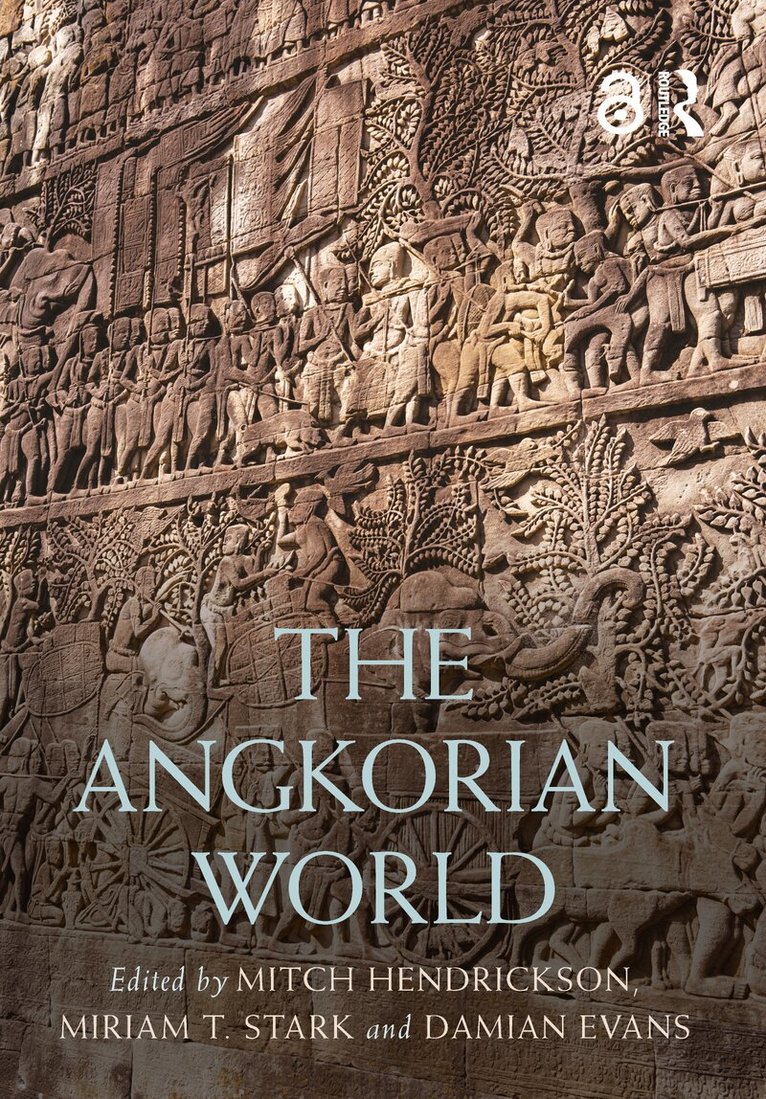
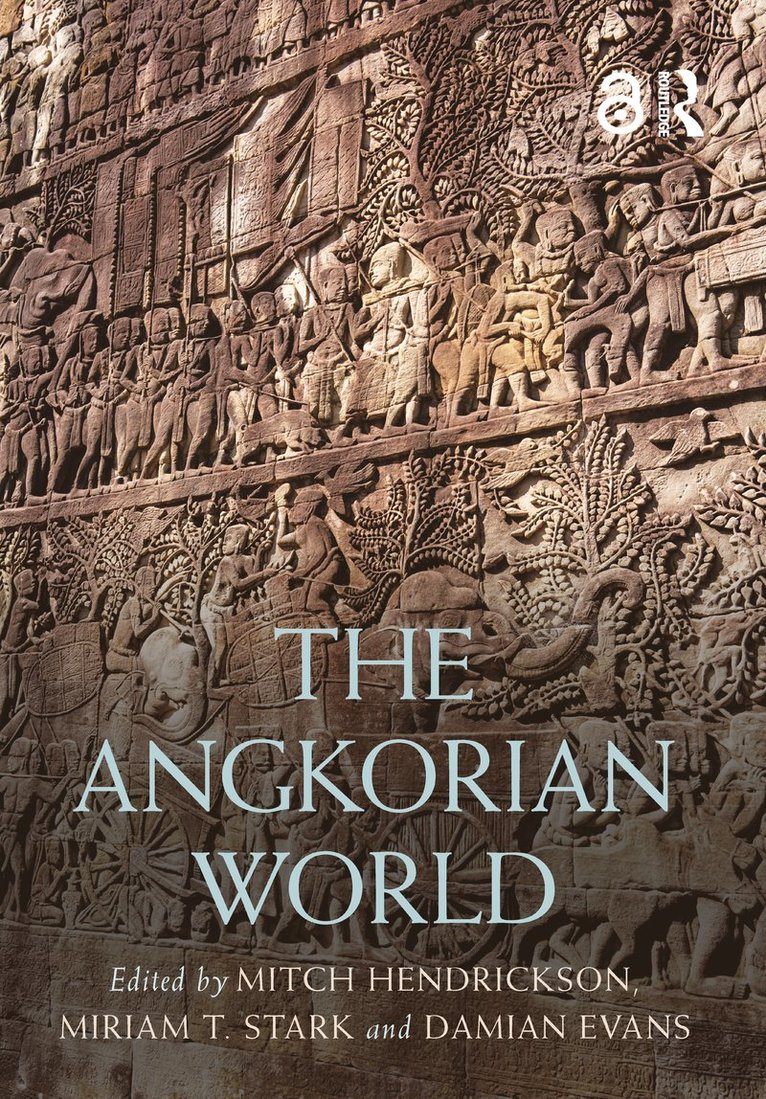
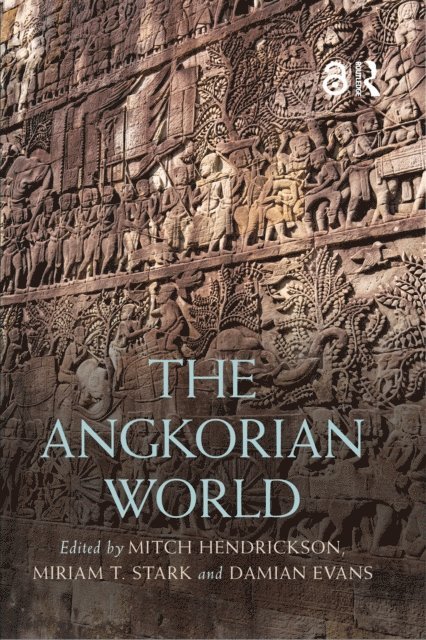
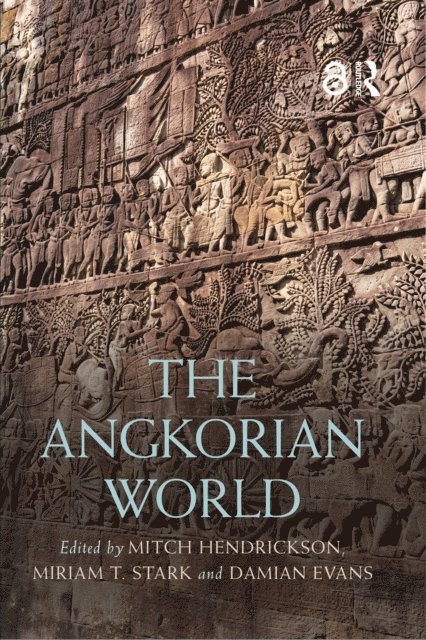
The Angkorian World explores the history of Southeast Asia’s largest ancient state from the first to mid-second millennium CE. Chapters by leading scholars combine evidence from archaeology, texts, and the natural sciences to introduce the Angkorian state, describe its structure, and explain its persistence over more than six centuries.Comprehensive and accessible, this book will be an indispensable resource for anyone studying premodern Asia. The volume’s first of six sections provides historical and environmental contexts and discusses data sources and the nature of knowledge production. The next three sections examine the anthropogenic landscapes of Angkor (agrarian, urban, and hydraulic), the state institutions that shaped the Angkorian state, and the economic foundations on which Angkor operated. Part V explores Angkorian ideologies and realities, from religion and nation to identity. The volume’s last part reviews political and aesthetic Angkorian legacies in an effort to explain why the idea of Angkor remains central to its Cambodian descendants. Maps, graphics, and photographs guide readers through the content of each chapter. Chapters in this volume synthesise more than a century of work at Angkor and in the regions it influenced.The Angkorian World will satisfy students, researchers, academics, and the knowledgeable layperson who seeks to understand how this great Angkorian Empire arose and functioned in the premodern world.The Prologue and Chapters 2, 10, 15, 23, 30 and 32 of this book are freely available as a downloadable Open Access PDF at http://www.taylorfrancis.com under a Creative Commons (CC-BY-NC-ND) 4.0 license.
631 kr
Skickas inom 11-20 vardagar
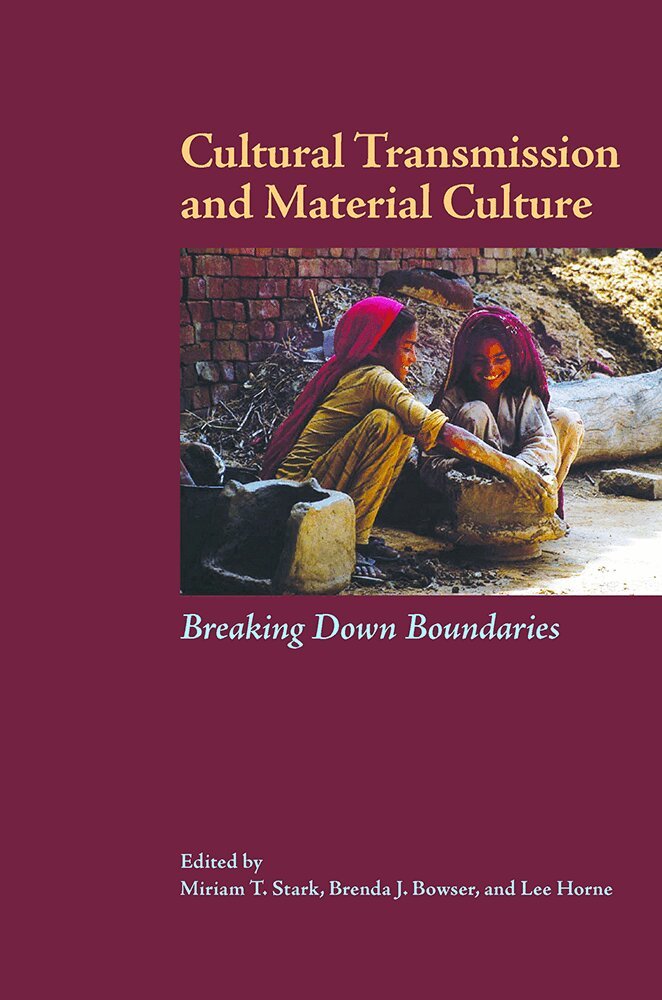
How and why people develop, maintain, and change cultural boundaries through time are central issues in the social and behavioral sciences in generaland anthropological archaeology in particular. What factors influence people to imitate or deviate from the behaviors of other group members? How are social group boundaries produced, perpetuated, and altered by the cumulative outcomeof these decisions? Answering these questions is fundamental to understanding cultural persistence and change. The chapters included in this stimulating, multifaceted book address these questions. Working in several subdisciplines, contributors report on research in the areas of cultural boundaries, cultural transmission, and the socially organized nature of learning. Boundaries are found not only within and between the societies in these studies but also within and between the communities of scholars who study them. To break down these boundaries, this volume includes scholars who use multiple theoretical perspectives, including practice theory and evolutionary traditions, which are sometimes complementary and occasionally clashing. Geographic coverage ranges from the indigenous Americas to Africa, the Near East, and South Asia, and the time frame extends from the prehistoric or precontact to colonial periods and up to the ethnographic present. Contributors include leading scholars from the United States, Canada, the United Kingdom, and Europe. Together, they employ archaeological, ethnographic, ethnoarchaeological,experimental, and simulation data to link micro-scale processes of cultural transmission to macro-scale processes of social group boundary formation, continuity, and change.
334 kr
Skickas inom 7-10 vardagar
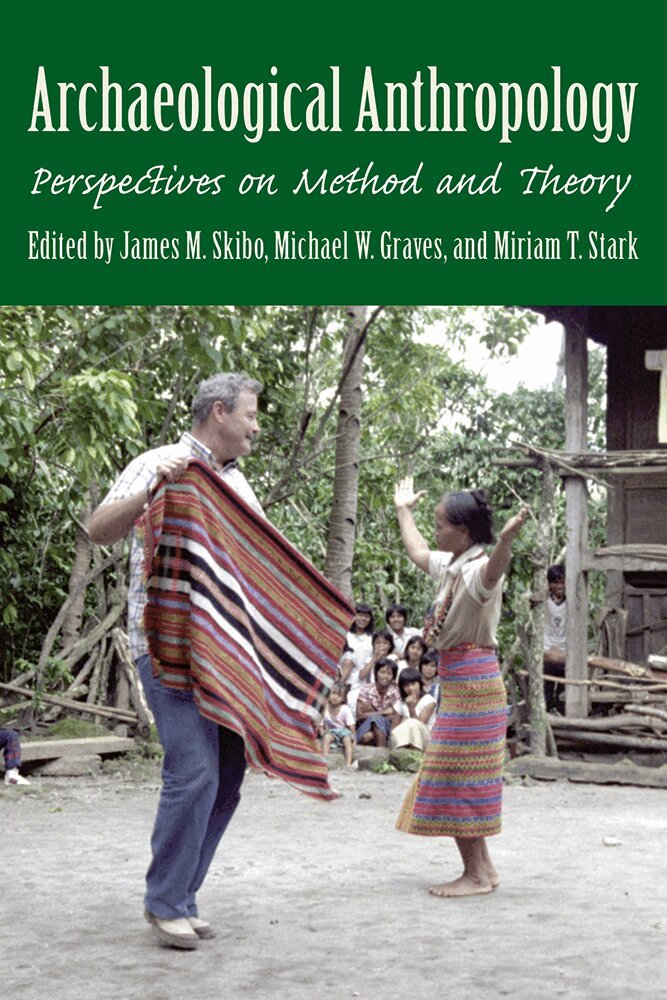
For centuries, the goal of archaeologists was to document and describe material artifacts, and at best to make inferences about the origins and evolution of human culture and about prehistoric and historic societies. During the 1960s, however, a number of young, primarily American archaeologists, including William Longacre, rebelled against this simplistic approach. Wanting to do more than just describe, Longacre and others believed that genuine explanations could be achieved by changing the direction, scope, and methodology of the field. What resulted was the New Archaeology, which blended scientific method and anthropology. It urged those working in the field to formulate hypotheses, derive conclusions deductively and, most important, to test them. While, over time the New Archaeology has had its critics, one point remains irrefutable: archaeology will never return to what has since been called its “state of innocence.”In this collection of twelve new chapters, four generations of Longacre protégés show how they are building upon and developing but also modifying the theoretical paradigm that remains at the core of Americanist archaeology. The contributions focus on six themes prominent in Longacre’s career: the intellectual history of the field in the late twentieth century, archaeological methodology, analogical inference, ethnoarchaeology, cultural evolution, and reconstructing ancient society.More than a comprehensive overview of the ideas developed by one of the most influential scholars in the field, however, Archaeological Anthropology makes stimulating contributions to contemporary research. The contributors do not unequivocally endorse Longacre’s ideas; they challenge them and expand beyond them, making this volume a fitting tribute to a man whose robust research and teaching career continues to resonate.
666 kr
Skickas inom 10-15 vardagar
The Angkorian World explores the history of Southeast Asia’s largest ancient state from the first to mid-second millennium CE. Chapters by leading scholars combine evidence from archaeology, texts, and the natural sciences to introduce the Angkorian state, describe its structure, and explain its persistence over more than six centuries.Comprehensive and accessible, this book will be an indispensable resource for anyone studying premodern Asia. The volume’s first of six sections provides historical and environmental contexts and discusses data sources and the nature of knowledge production. The next three sections examine the anthropogenic landscapes of Angkor (agrarian, urban, and hydraulic), the state institutions that shaped the Angkorian state, and the economic foundations on which Angkor operated. Part V explores Angkorian ideologies and realities, from religion and nation to identity. The volume’s last part reviews political and aesthetic Angkorian legacies in an effort to explain why the idea of Angkor remains central to its Cambodian descendants. Maps, graphics, and photographs guide readers through the content of each chapter. Chapters in this volume synthesise more than a century of work at Angkor and in the regions it influenced.The Angkorian World will satisfy students, researchers, academics, and the knowledgeable layperson who seeks to understand how this great Angkorian Empire arose and functioned in the premodern world.The Prologue and Chapters 2, 10, 15, 23, 30 and 32 of this book are freely available as a downloadable Open Access PDF at http://www.taylorfrancis.com under a Creative Commons (CC-BY-NC-ND) 4.0 license.
578 kr
Skickas inom 7-10 vardagar
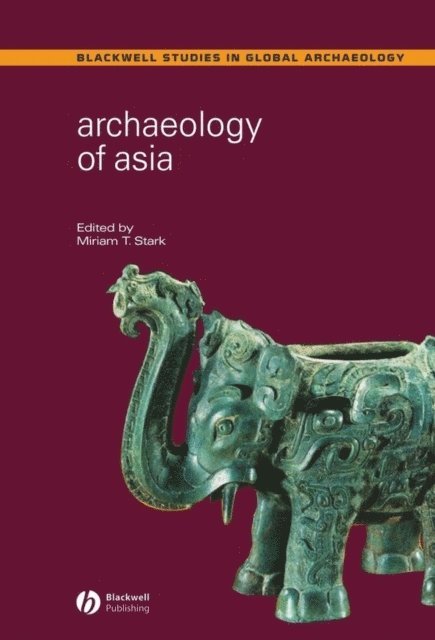
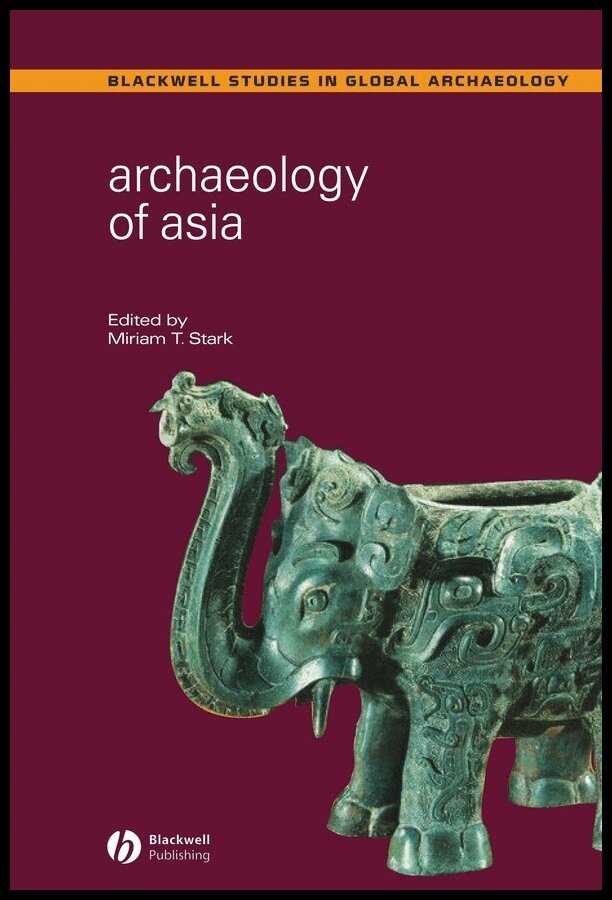
This introduction to the archaeology of Asia focuses on case studies from the region’s last 10,000 years of history. Comprises fifteen chapters by some of the world’s foremost Asia archaeologistsSheds light on the most compelling aspects of Asian archaeology, from the earliest evidence of plant domestication to the emergence of states and empiresExplores issues of cross-cultural significance, such as migration, urbanism, and technologyPresents original research data that challenges readers to think beyond national and regional boundariesSynthesizes work previously unavailable to western readers
531 kr
Skickas inom 5-8 vardagar
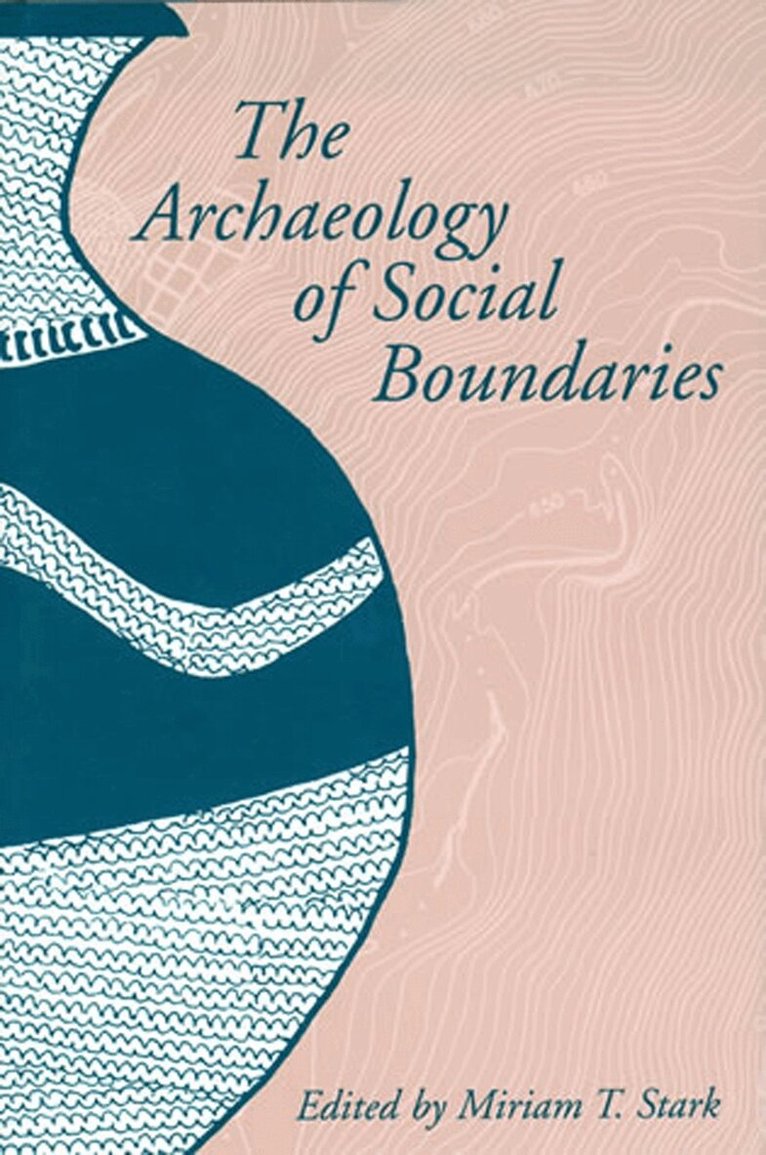
Mapping the boundaries between ancient societies through studies of "ethnicity," migration, or economic systems is of perennial interest to archaeologists, who typically have taken two divergent approaches. North American archaeologists have studies formal variation in the style of finished products, while the French tradition, exploring links between cognition and technical choice, has focused on how variation occurs during the manufacturing process.Fourteen contributors examine an array of media -- from ceramics and personal ornaments to architecture and site structure -- in small-scale societies and apply methods from both sides of the Atlantic to explore how technical choices made in the creation of everyday objects can both reflect and define social boundaries. In chapters on pre-historic and historic societies that range from North America to Africa to Oceania, the authors suggest that variation in technical systems corresponds more closely than stylistic variation does to the boundaries between groups. They also address the question of whether modern concepts of ethnicity can be translated into archaeological terms.The Archaeology of Social Boundaries demonstrates that the search for social boundaries in material culture patterning can benefit from the study of both technological and stylistic qualities. By uniting two disparate intellectual traditions, this book contributes to a growing archaeological theory of material culture.