Nancy Edwards – författare
Visar alla böcker från författaren Nancy Edwards. Handla med fri frakt och snabb leverans.
18 produkter
Life in Early Medieval Wales
E-bok, 2023
1454 kr
Lägg i varukorg
Research for and the writing of this book was funded by the award of a Leverhulme Trust Major Research Fellowship. The period c. AD300--1050, spanning the collapse of Roman rule to the coming of the Normans, was formative in the development of Wales. Life in Early Medieval Wales considers how …
Life in Early Medieval Wales
E-bok, 2023
1454 kr
Lägg i varukorg
Research for and the writing of this book was funded by the award of a Leverhulme Trust Major Research Fellowship. The period c. AD300--1050, spanning the collapse of Roman rule to the coming of the Normans, was formative in the development of Wales. Life in Early Medieval Wales considers how …
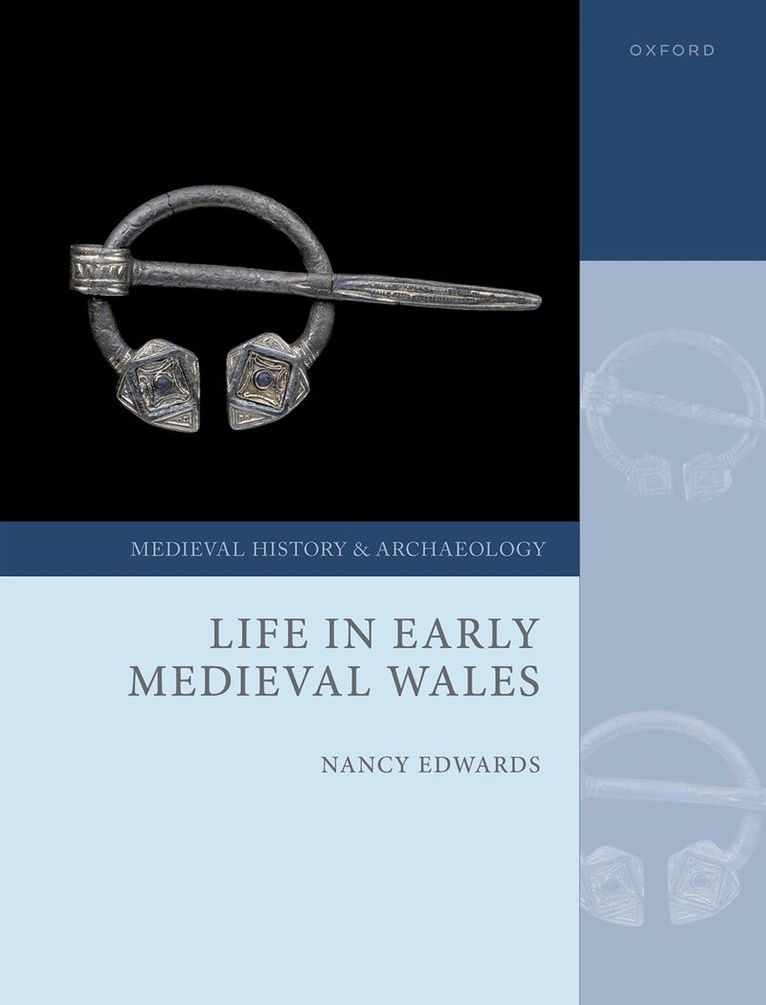
Life in Early Medieval Wales
Inbunden, 2023
1923 kr
Lägg i varukorg
Research for and the writing of this book was funded by the award of a Leverhulme Trust Major Research Fellowship.The period c. AD300--1050, spanning the collapse of Roman rule to the coming of the Normans, was formative in the development of Wales. Life in Early Medieval Wales considers how people …
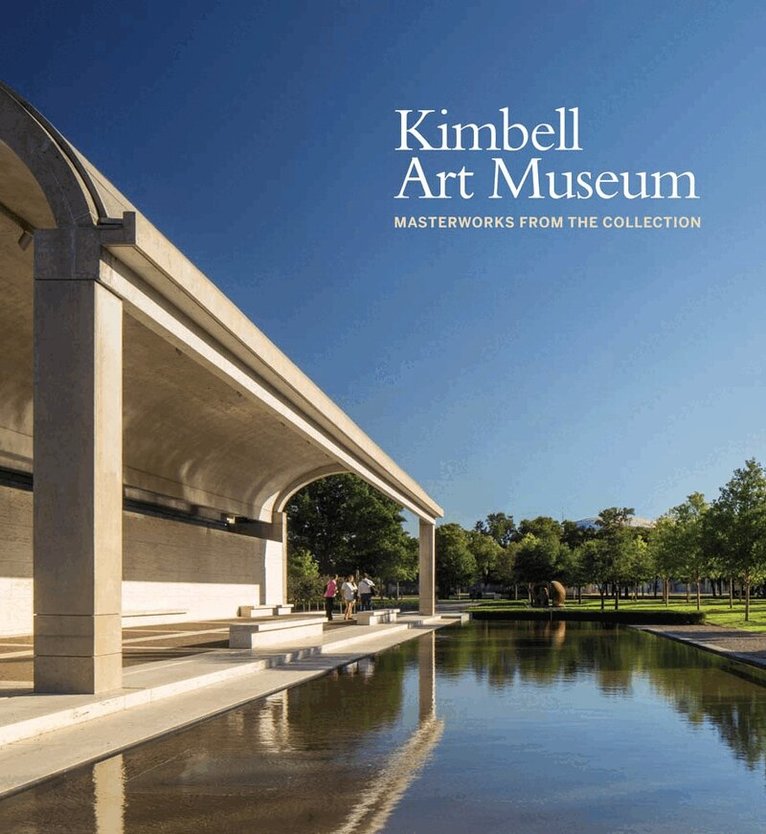
Kimbell Art Museum
Masterworks from the Collection
Av Eric M Lee, George T. M. Shackelford m. fl.
Inbunden, 2023
664 kr
Lägg i varukorg
A handsome coffee table guide to the celebrated collection of the Kimbell Art MuseumIn celebration of the fiftieth anniversary of the Kimbell Art Museum in Fort Worth, Texas, this deluxe volume showcases its world-renowned collection. The book includes engaging texts by Kimbell curators accompanied …
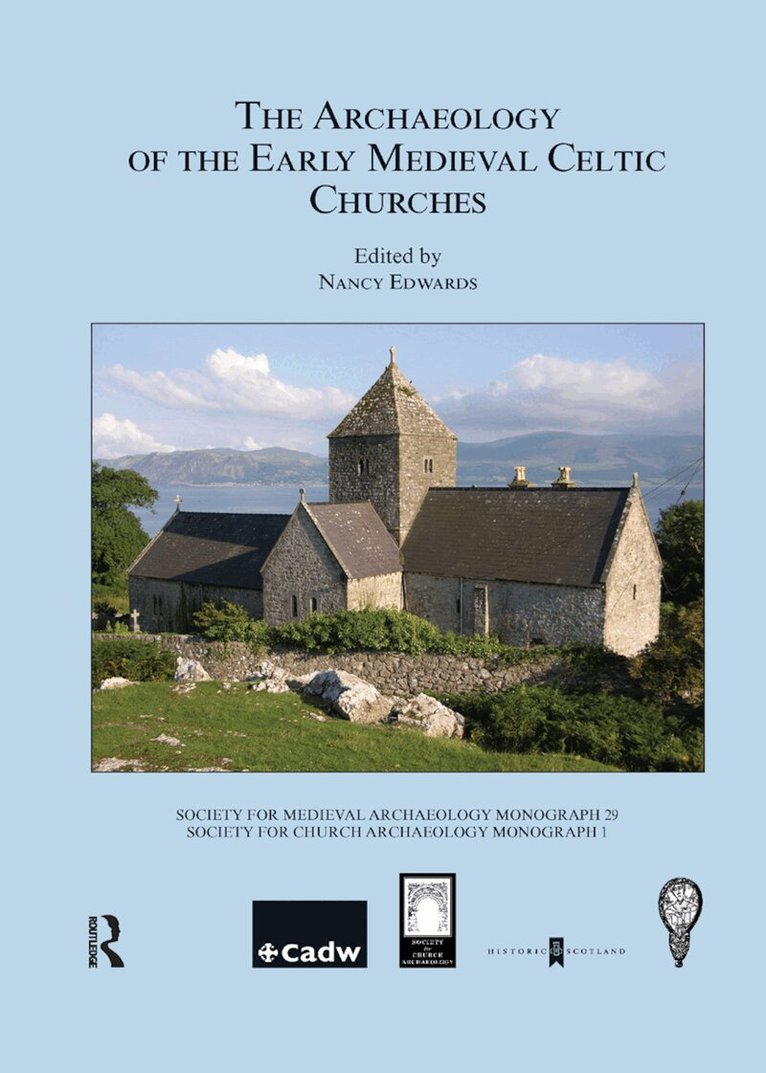
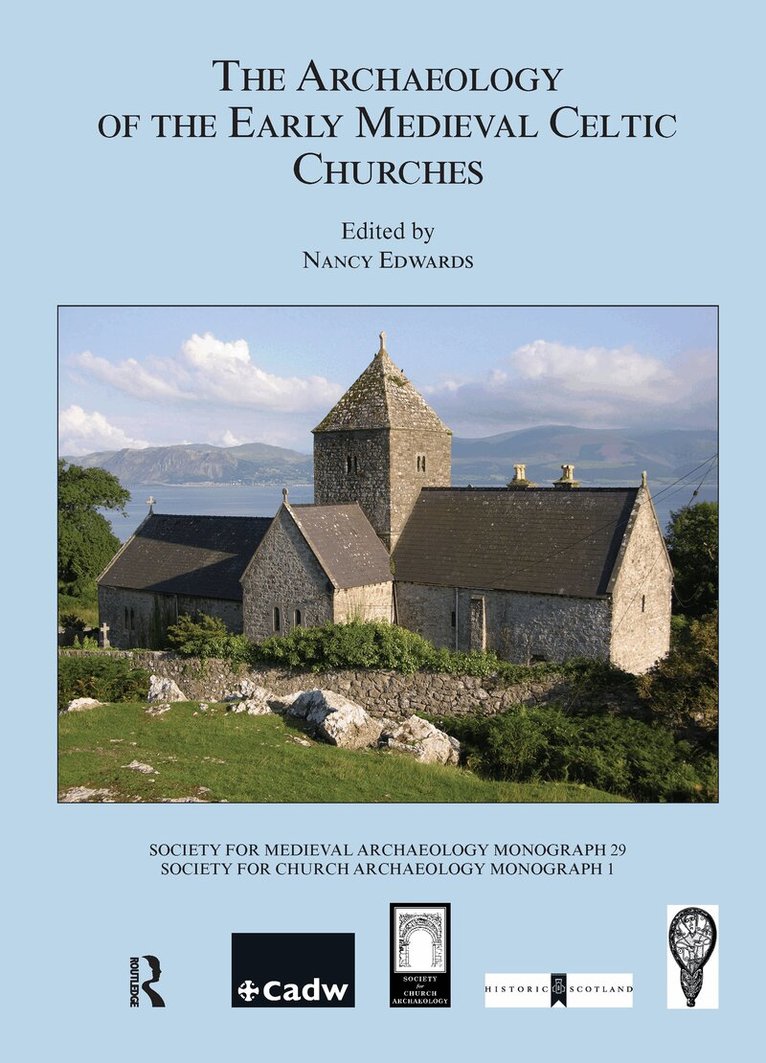
Archaeology of the Early Medieval Celtic Churches: No. 29
Häftad, 2019
755 kr
Lägg i varukorg
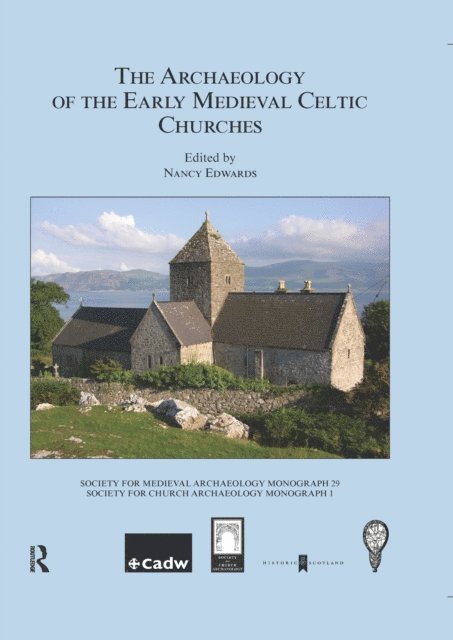
This book examines what we know and do not know about different aspects of the archaeology of the early medieval Celtic churches in Celtic-speaking areas of Wales, Scotland, Ireland, south-west Britain and Brittany to compare and contrast the evidence and to suggest some avenues for future research.
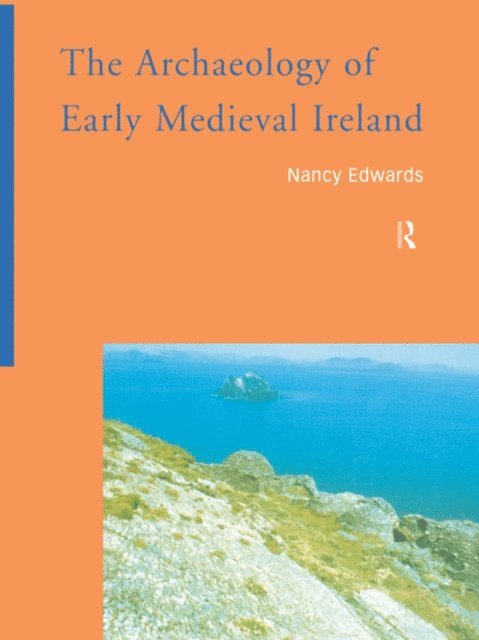
Archaeology of Early Medieval Ireland
Häftad, 1996
844 kr
Lägg i varukorg
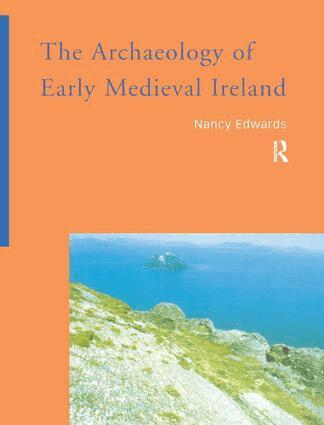
In the first major work on the subject for over 30 years, Nancy Edwards provides a critical survey of the archaeological evidence in Ireland (c. 400-1200), introducing material from many recently discovered sites as well as reassessing the importance of earlier excavations. Beginning with an …
Archaeology of Early Medieval Ireland
E-bok, 2013
999 kr
Lägg i varukorg
In the first major work on the subject for over 30 years, Nancy Edwards provides a critical survey of the archaeological evidence in Ireland (c. 400-1200), introducing material from many recently discovered sites as well as reassessing the importance of earlier excavations. Beginning with an …
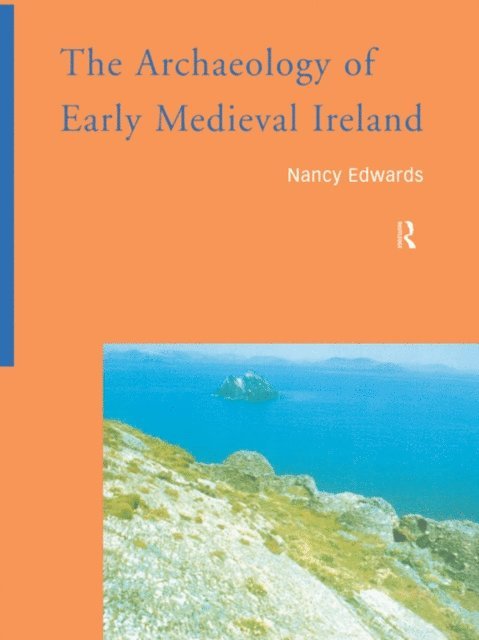
Archaeology of Early Medieval Ireland
E-bok, 2013
999 kr
Lägg i varukorg
In the first major work on the subject for over 30 years, Nancy Edwards provides a critical survey of the archaeological evidence in Ireland (c. 400-1200), introducing material from many recently discovered sites as well as reassessing the importance of earlier excavations. Beginning with an …
Archaeology of Early Medieval Ireland
Inbunden, 2015
2586 kr
Lägg i varukorg
In the first major work on the subject for over 30 years, Nancy Edwards provides a critical survey of the archaeological evidence in Ireland (c. 400-1200), introducing material from many recently discovered sites as well as reassessing the importance of earlier excavations. Beginning with an …
Archaeology of the Early Medieval Celtic Churches: No. 29
E-bok, 2017
892 kr
Lägg i varukorg
This volume focuses on new research on the archaeology of the early medieval Celtic churches c AD 400-1100 in Wales, Ireland, Scotland, south-west Britain and Brittany. The 21 papers use a variety of approaches to explore and analyse the archaeological evidence for the origins and development of …
Archaeology of the Early Medieval Celtic Churches: No. 29
E-bok, 2017
892 kr
Lägg i varukorg
This volume focuses on new research on the archaeology of the early medieval Celtic churches c AD 400-1100 in Wales, Ireland, Scotland, south-west Britain and Brittany. The 21 papers use a variety of approaches to explore and analyse the archaeological evidence for the origins and development of …
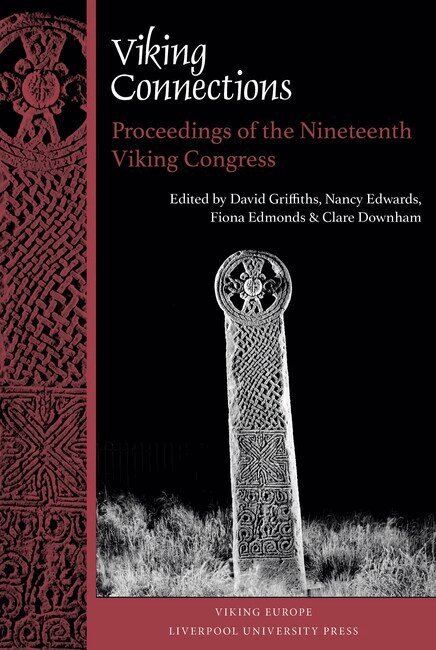
Viking Connections
Proceedings of the Nineteenth Viking Congress
Av Clare Downham, Fiona Edmonds m. fl.
Inbunden, 2026
1599 kr
Lägg i varukorg
An Open Access version of the following chapters are available on the Liverpool University Press website: Lesley Abrams, Defining the Danelaw and Christian Cooijmans, A Place of Contact and Contradiction: the socially constructed space(s) of viking encampment.Viking Connections is an edited …
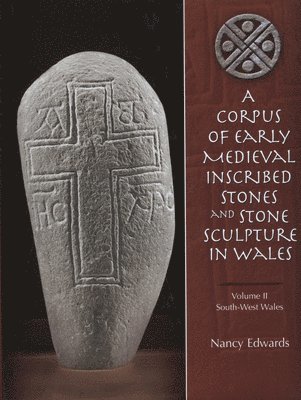
Corpus of Medieval Inscribed Stones and Stone Sculpture in Wales: South-West Wales v. 2
Inbunden, 2007
1219 kr
Tillfälligt slut
Inscribed stones and stone sculpture forms the most prolific body of material evidence which survives for Wales in the period c AD 400-1100. Stones inscribed in Latin or Old Irish ogam (or both), which date to the fifth to seventh centuries, commemorate the elite of Welsh society. They are crucial …
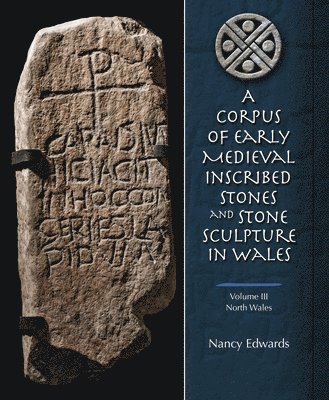
Corpus of Medieval Inscribed Stones: North Wales v. 3
Inbunden, 2013
1361 kr
Tillfälligt slut
This volume, the final of three, focuses on the inscribed stones and stone sculpture of north Wales c. AD 400 - 1150. It provides fresh insights and new interpretations of over 150 monuments, many of which have been found since V. E. Nash-Williams's Early Christian Monuments of Wales was published …
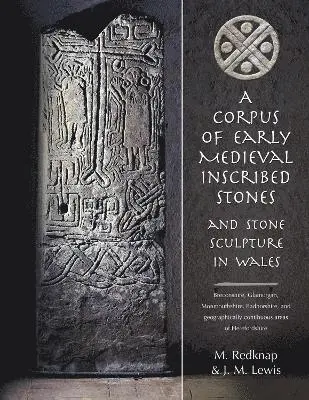
Corpus of Medieval Inscribed Stones in Wales
Av John M Lewis, Mark Redknap m. fl.
Inbunden, 2013
3489 kr
Tillfälligt slut
All three regional volumes of A Corpus of Early Medieval Inscribed Stones and Stone Sculpture in Wales are available in this set. Volume I covers South-East Wales and the English Border (2007). Volume II and Volume III cover South-West Wales (2007) and North Wales (2013) respectively. Each volume …
Archaeology of the Early Medieval Celtic Churches: No. 29
Inbunden, 2009
971 kr
Tillfälligt slut
This book examines what we know and do not know about different aspects of the archaeology of the early medieval Celtic churches in Celtic-speaking areas of Wales, Scotland, Ireland, south-west Britain and Brittany to compare and contrast the evidence and to suggest some avenues for future research.
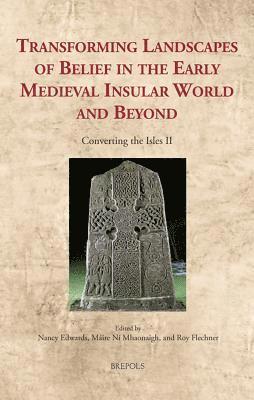
Transforming Landscapes of Belief in the Early Medieval Insular World and Beyond
Converting the Isles II
Av Nancy Edwards, Máire Ní Mhaonaigh m. fl.
Inbunden, 2018
2040 kr
Tillfälligt slut