Nasrin Askari – författare
Visar alla böcker från författaren Nasrin Askari. Handla med fri frakt och snabb leverans.
3 produkter
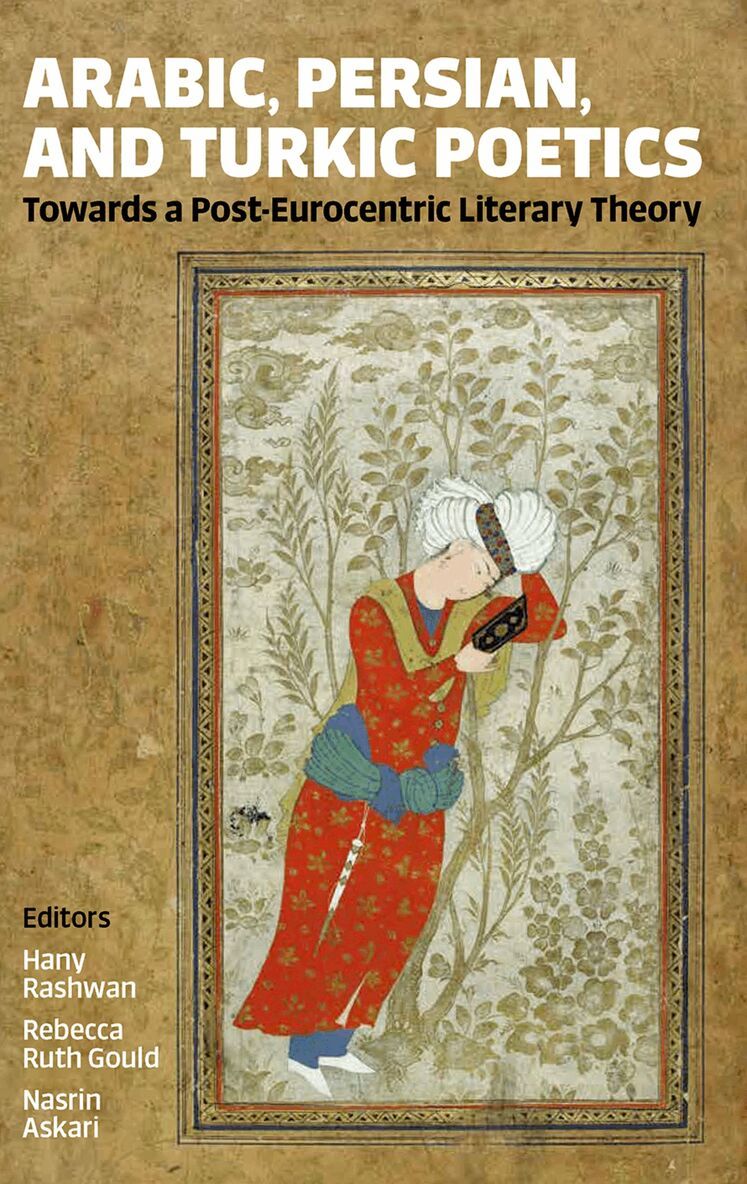
Arabic, Persian, and Turkic Poetics
Towards a Post-Eurocentric Literary Theory
Av Hany Rashwan, Rebecca Ruth Gould m. fl.
Inbunden, 2024
2363 kr
Lägg i varukorg
Arabic, Persian, and Turkic Poetics: Towards a Post-Eurocentric Literary Theory is a pioneering book that offers a fresh perspective on Arabic, Persian, and Turkic literature in their interrelations. The authors challenge Eurocentric paradigms while creating a framework for exploring these …
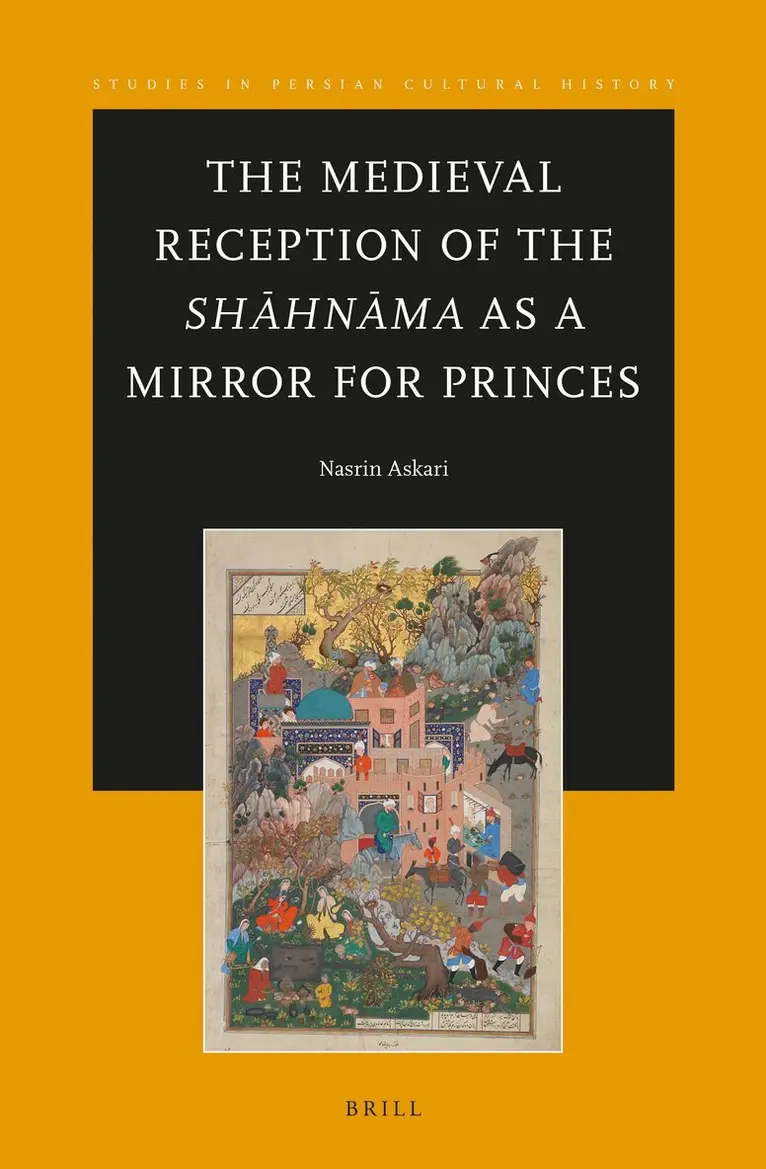
Medieval Reception of the Shāhnāma as a Mirror for Princes
Inbunden, 2016
3414 kr
Lägg i varukorg
Nasrin Askari explores the medieval reception of Firdausī’s Shāhnāma, or Book of Kings (completed in 1010 CE) as a mirror for princes. Through her examination of a wide range of medieval sources, Askari demonstrates that Firdausī’s oeuvre was primarily understood as a book of wisdom and advice for …
Medieval Reception of the Shāhnāma as a Mirror for Princes
Häftad, 2026
980 kr
Lägg i varukorg
Nasrin Askari explores the medieval reception of Firdausī’s Shāhnāma, or Book of Kings (completed in 1010 CE) as a mirror for princes. Through her examination of a wide range of medieval sources, Askari demonstrates that Firdausī’s oeuvre was primarily understood as a book of wisdom and advice for …