Otto Saumarez Smith - Böcker
Visar alla böcker från författaren Otto Saumarez Smith. Handla med fri frakt och snabb leverans.
3 produkter
3 produkter
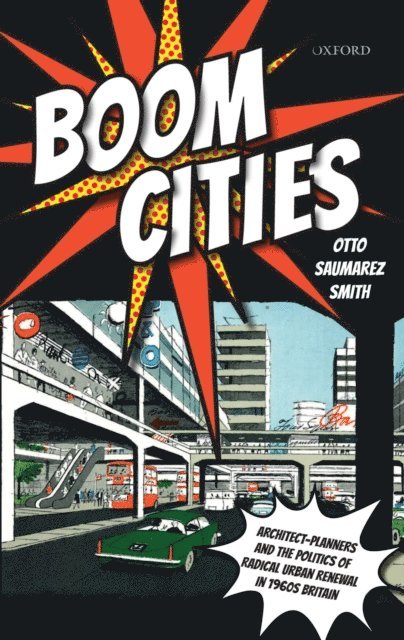
Boom Cities
Architect Planners and the Politics of Radical Urban Renewal in 1960s Britain
Inbunden, Engelska, 2019
1 379 kr
Skickas inom 5-8 vardagar
Boom Cities is the first published history of the profound transformations of British city centres in the 1960s. It has often been said that urban planners did more damage to Britain's cities than even the Luftwaffe had managed, and this study details the rise and fall of modernist urban planning, revealing its origins and the dissolution of the cross-party consensus, before the ideological smearing that has ever since characterized the high-rise towers, dizzying ring roads, and concrete precincts that were left behind. The rebuilding of British city centres during the 1960s drastically affected the built form of urban Britain, including places ranging from traditional cathedral cities through to the decaying towns of the industrial revolution. Boom Cities uncovers both the planning philosophy, and the political, cultural, and legislative background that created the conditions for these processes to occur across the country.Boom Cities reveals the role of architect-planners in these transformations. The book also provides an unconventional account of the end of modernist approaches to the built environment, showing it from the perspective of planning and policy elites, rather than through the emergence of public opposition to planning.
Boom Cities
Architect Planners and the Politics of Radical Urban Renewal in 1960s Britain
Häftad, Engelska, 2020
461 kr
Skickas inom 7-10 vardagar
Boom Cities is the first published history of the profound transformations of British city centres in the 1960s. It has often been said that urban planners did more damage to Britain's cities than even the Luftwaffe had managed, and this study details the rise and fall of modernist urban planning, revealing its origins and the dissolution of the cross-party consensus, before the ideological smearing that has ever since characterized the high-rise towers, dizzying ring roads, and concrete precincts that were left behind.The rebuilding of British city centres during the 1960s drastically affected the built form of urban Britain, including places ranging from traditional cathedral cities through to the decaying towns of the industrial revolution. Boom Cities uncovers both the planning philosophy, and the political, cultural, and legislative background that created the conditions for these processes to occur across the country.Boom Cities reveals the role of architect-planners in these transformations. The volume also provides an unconventional account of the end of modernist approaches to the built environment, showing it from the perspective of planning and policy elites, rather than through the emergence of public opposition to planning.
793 kr
Skickas inom 5-8 vardagar
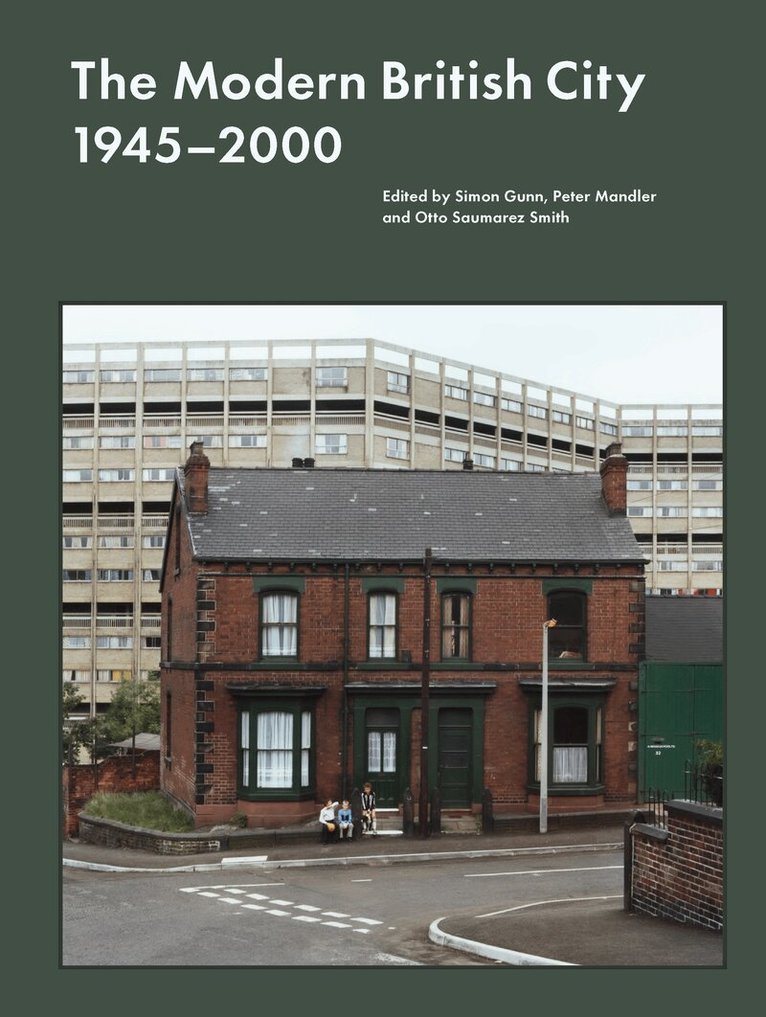
Bringing together architectural, urban and social historians, this book charts the extraordinary changes that took place in British cities between the end of the Second World War and the early 21st century. This ambitious volume captures something of the diversity of the modern British city through a multi-disciplinary approach, exploring gentrification and multiculturalism, shopping and night life, as well as demography and statistics.For much of the first two-thirds of the 20th century, ‘modern’ in the British urban context meant the purging of the Victorian past. Even so, much of the terraced housing and the monumental architecture of city centres still dated from the 19th century. Disdained by architectural critics in the first half of the 20th century, structures like Covent Garden’s Market Building, Manchester’s Royal Exchange and Liverpool’s Albert Dock would become pivots of the conservation and restoration movement which accompanied Britain’s ‘urban renaissance’ from the 1970s onwards.As this book shows, after 1950 a series of long-term historical processes combined to transform the British city. Mass automobility brought with it motorways, underpasses and flyovers. Deindustrialisation left a profound mark on large areas of urban Britain, with enduring consequences for the communities affected. Immigration not only brought more diverse people and voices to British cities than ever before, but with them, a fresh variety of stores, restaurants, places of worship and venues for entertainment. Likewise, urban planning and the fruits of consumerism left their mark in the ubiquitous presence of civic centres, shopping malls and cultural quarters. The book shows how these processes did not operate separately, but in complex inter-relationship with one another, often producing unintended outcomes.The result was cities where the past and the present were juxtaposed, adding to rather than diminishing their sense of place. This book will enrich our understanding of why British cities are as they are today, in all their messiness and mutability.