Ronda L. Brulotte - Böcker
Visar alla böcker från författaren Ronda L. Brulotte. Handla med fri frakt och snabb leverans.
5 produkter
5 produkter
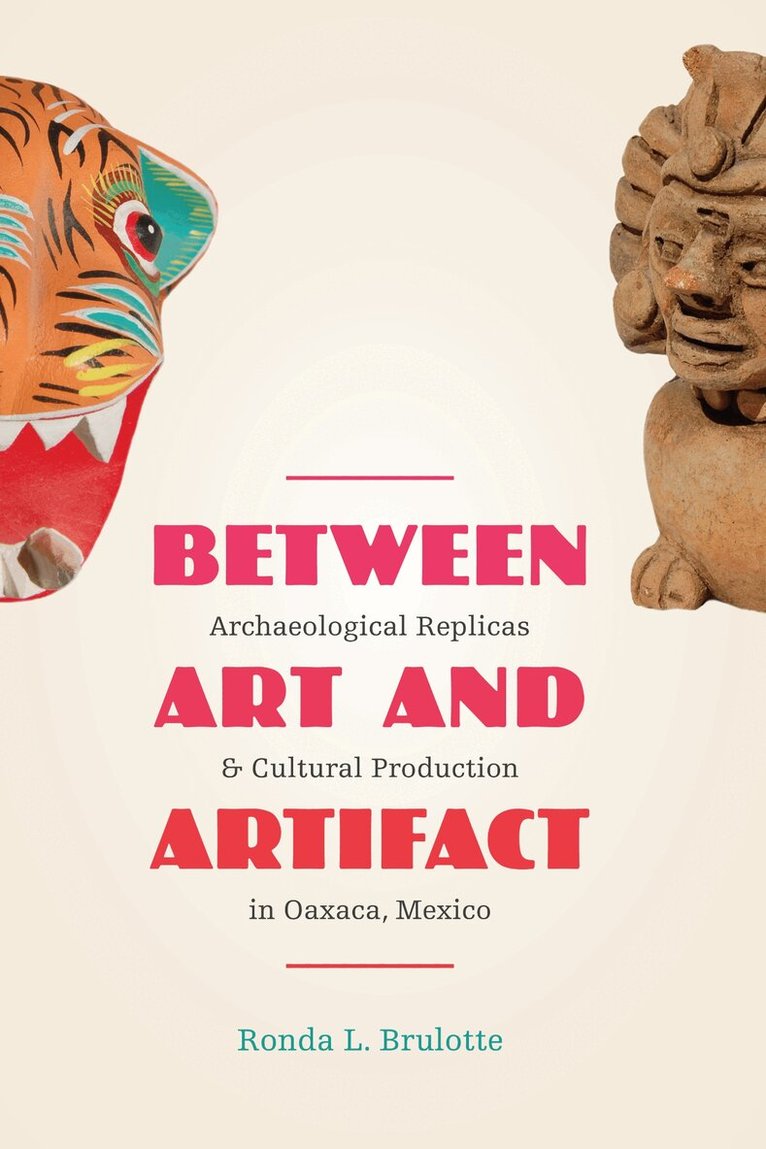
Between Art and Artifact
Archaeological Replicas and Cultural Production in Oaxaca, Mexico
Häftad, Engelska, 2012
268 kr
Skickas inom 10-15 vardagar
Oaxaca is internationally renowned for its marketplaces and archaeological sites where tourists can buy inexpensive folk art, including replicas of archaeological treasures. Archaeologists, art historians, and museum professionals sometimes discredit this trade in “fakes” that occasionally make their way to the auction block as antiquities. Others argue that these souvenirs represent a long cultural tradition of woodcarving or clay sculpting and are “genuine” artifacts of artisanal practices that have been passed from generation to generation, allowing community members to preserve their cultural practices and make a living. Exploring the intriguing question of authenticity and its relationship to cultural forms in Oaxaca and throughout southern Mexico, Between Art and Artifact confronts an important issue that has implications well beyond the commercial realm.Demonstrating that identity politics lies at the heart of the controversy, Ronda Brulotte provides a nuanced inquiry into what it means to present “authentic” cultural production in a state where indigenous ethnicity is part of an awkward social and racial classification system. Emphasizing the world-famous woodcarvers of Arrazola and the replica purveyors who come from the same community, Brulotte presents the ironies of an ideology that extols regional identity but shuns its artifacts as “forgeries.” Her work makes us question the authority of archaeological discourse in the face of local communities who may often see things differently. A departure from the dialogue that seeks to prove or disprove “authenticity,” Between Art and Artifact reveals itself as a commentary on the arguments themselves, and what the controversy can teach us about our shifting definitions of authority and authorship.
791 kr
Skickas inom 10-15 vardagar
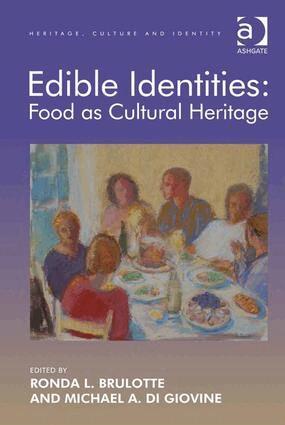
Food - its cultivation, preparation and communal consumption - has long been considered a form of cultural heritage. A dynamic, living product, food creates social bonds as it simultaneously marks off and maintains cultural difference. In bringing together anthropologists, historians and other scholars of food and heritage, this volume closely examines the ways in which the cultivation, preparation, and consumption of food is used to create identity claims of 'cultural heritage' on local, regional, national and international scales. Contributors explore a range of themes, including how food is used to mark insiders and outsiders within an ethnic group; how the same food's meanings change within a particular society based on class, gender or taste; and how traditions are 'invented' for the revitalization of a community during periods of cultural pressure. Featuring case studies from Europe, Asia and the Americas, this timely volume also addresses the complex processes of classifying, designating, and valorizing food as 'terroir,' 'slow food,' or as intangible cultural heritage through UNESCO. By effectively analyzing food and foodways through the perspectives of critical heritage studies, this collection productively brings two overlapping but frequently separate theoretical frameworks into conversation.
2 103 kr
Skickas inom 10-15 vardagar
Food - its cultivation, preparation and communal consumption - has long been considered a form of cultural heritage. A dynamic, living product, food creates social bonds as it simultaneously marks off and maintains cultural difference. In bringing together anthropologists, historians and other scholars of food and heritage, this volume closely examines the ways in which the cultivation, preparation, and consumption of food is used to create identity claims of 'cultural heritage' on local, regional, national and international scales. Contributors explore a range of themes, including how food is used to mark insiders and outsiders within an ethnic group; how the same food's meanings change within a particular society based on class, gender or taste; and how traditions are 'invented' for the revitalization of a community during periods of cultural pressure. Featuring case studies from Europe, Asia and the Americas, this timely volume also addresses the complex processes of classifying, designating, and valorizing food as 'terroir,' 'slow food,' or as intangible cultural heritage through UNESCO. By effectively analyzing food and foodways through the perspectives of critical heritage studies, this collection productively brings two overlapping but frequently separate theoretical frameworks into conversation.
1 109 kr
Skickas inom 7-10 vardagar
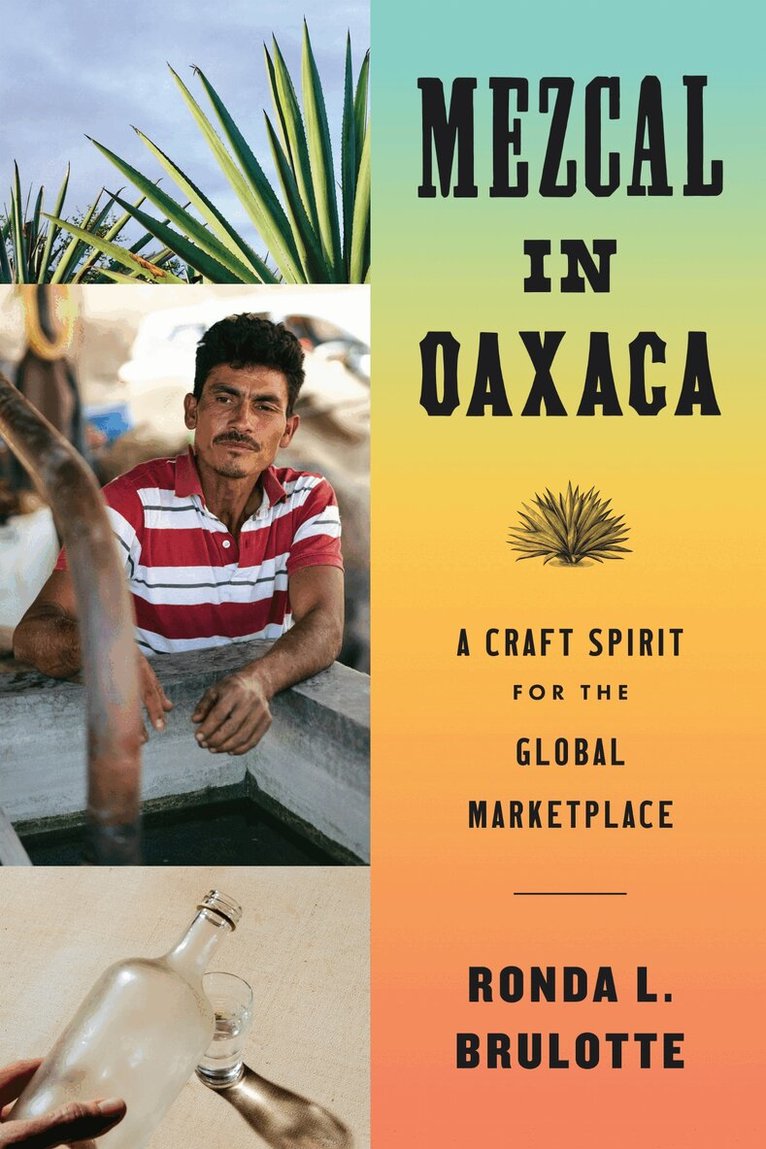
An ethnography of mezcal and how it has become a global, "artisanal" good.Mezcal is booming. Once considered a peasant drink-the rough, lowbrow cousin of the more refined tequila-the smoky spirit is now prized by connoisseurs the world over. It is also hailed as a savior of Oaxaca, powering a craft industry that can uphold rural economies and Indigenous traditions. Ronda L. Brulotte traces mezcal’s swift rise and its effects on communities that have distilled and enjoyed the beverage for generations. Only in the late 1990s did mezcal begin to escape its longstanding associations with Indigenous and working-class life, even as these very qualities supply the “authenticity” that elite consumers crave. Through a detailed ethnography of the spirits industry in Oaxaca, Brulotte compares the ideal of the artisanal economy with the reality of participation in global markets. Her findings-focused on tourism-led development and gentrification, the exploitation of women and smallholders, and swelling regional migration pressures-raise troubling questions about the ecological and social sustainability of a new craft imaginary that rebrands rustic products as luxury goods.
359 kr
Skickas
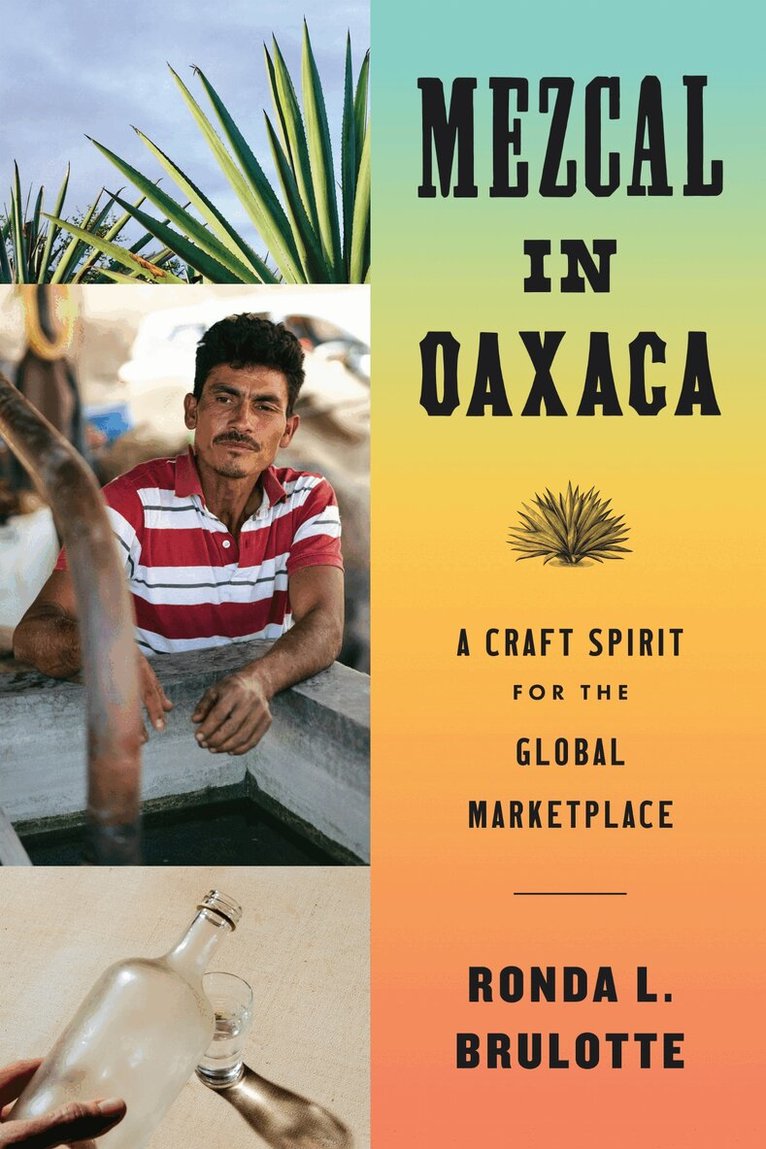
An ethnography of mezcal and how it has become a global, "artisanal" good.Mezcal is booming. Once considered a peasant drink-the rough, lowbrow cousin of the more refined tequila-the smoky spirit is now prized by connoisseurs the world over. It is also hailed as a savior of Oaxaca, powering a craft industry that can uphold rural economies and Indigenous traditions. Ronda L. Brulotte traces mezcal’s swift rise and its effects on communities that have distilled and enjoyed the beverage for generations. Only in the late 1990s did mezcal begin to escape its longstanding associations with Indigenous and working-class life, even as these very qualities supply the “authenticity” that elite consumers crave. Through a detailed ethnography of the spirits industry in Oaxaca, Brulotte compares the ideal of the artisanal economy with the reality of participation in global markets. Her findings-focused on tourism-led development and gentrification, the exploitation of women and smallholders, and swelling regional migration pressures-raise troubling questions about the ecological and social sustainability of a new craft imaginary that rebrands rustic products as luxury goods.