Sabina M. Perrino - Böcker
Visar alla böcker från författaren Sabina M. Perrino. Handla med fri frakt och snabb leverans.
14 produkter
14 produkter
2 100 kr
Skickas inom 10-15 vardagar
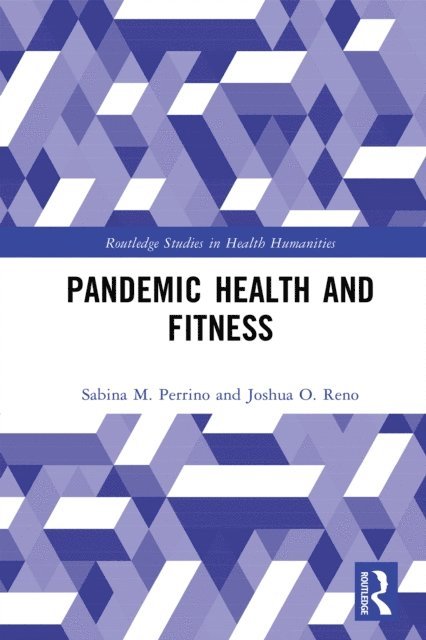
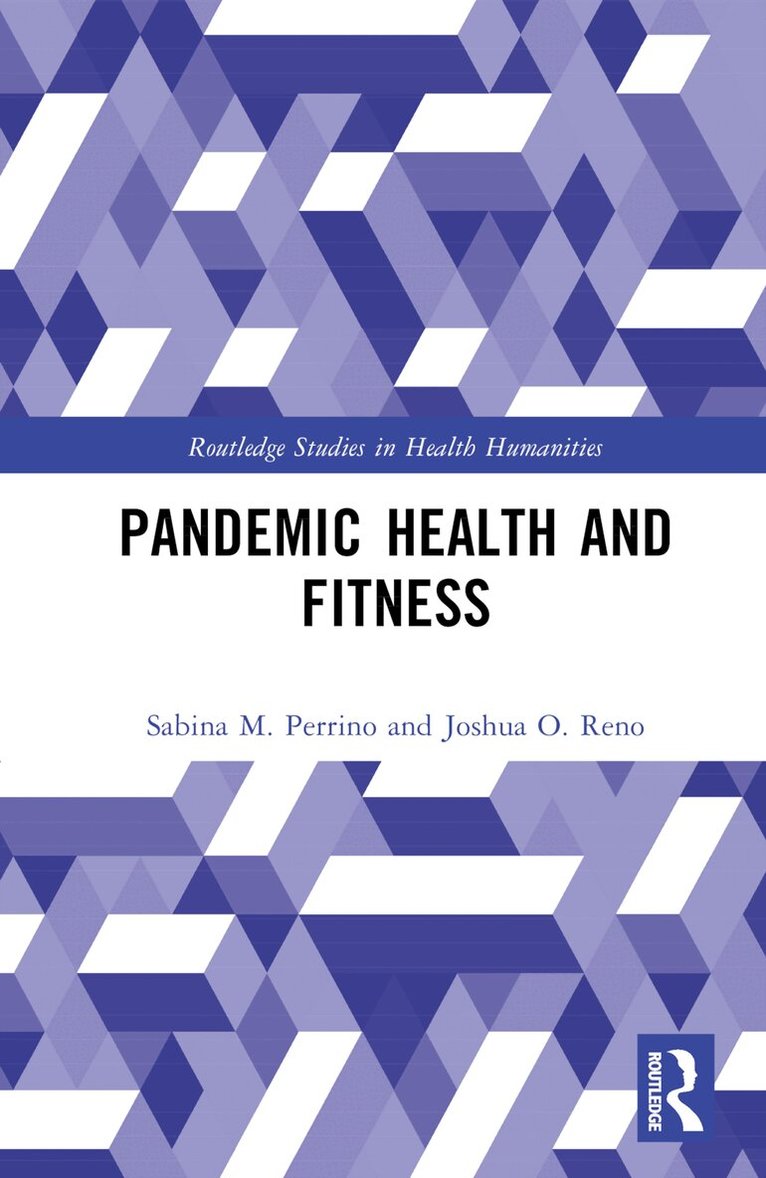
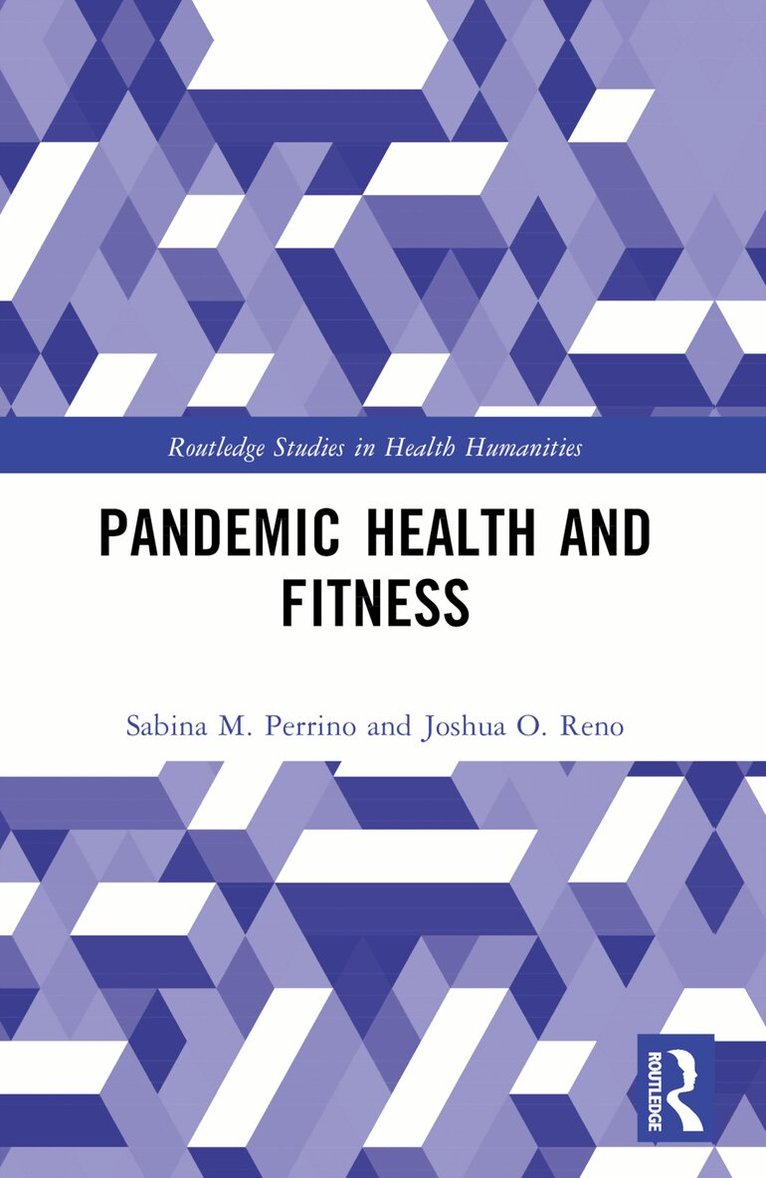
This book adopts an innovative approach in exploring the evolution of fitness practices among a community of gym goers amid a global pandemic, considering its impact on the interplay of the words, habits, and relationships gym goers use in realizing their aspirations of wellness and well-being.Perrino and Reno introduce a multilayered framework which combines insights from linguistic and sociocultural anthropology, integrating narrative analysis, discourse analysis, and ethnography, with autoethnography. This approach allows for a holistic portrait of the gym as a research site and of fitness as a fruitful area for dynamic cross-disciplinary study. The volume explores how the COVID-19 pandemic has shaped attitudes and practices around fitness, drawing on audio and video recordings and the authors’ lived experiences to analyze everything from workout choreography to micro-celebrity fitness culture to group classes. The book raises key questions around what it means to be well amid a pandemic, the practical dangers of realizing fitness goals in such times, the effects on the social relationships inherent to gym culture, and the impact on identity construction and self-reflection.This volume will appeal to scholars interested in the interdisciplinary study of fitness, in such areas as linguistic anthropology, sociocultural anthropology, health humanities, and sport studies.
628 kr
Skickas inom 10-15 vardagar
This book adopts an innovative approach in exploring the evolution of fitness practices among a community of gym goers amid a global pandemic, considering its impact on the interplay of the words, habits, and relationships gym goers use in realizing their aspirations of wellness and well-being.Perrino and Reno introduce a multilayered framework which combines insights from linguistic and sociocultural anthropology, integrating narrative analysis, discourse analysis, and ethnography, with autoethnography. This approach allows for a holistic portrait of the gym as a research site and of fitness as a fruitful area for dynamic cross-disciplinary study. The volume explores how the COVID-19 pandemic has shaped attitudes and practices around fitness, drawing on audio and video recordings and the authors’ lived experiences to analyze everything from workout choreography to micro-celebrity fitness culture to group classes. The book raises key questions around what it means to be well amid a pandemic, the practical dangers of realizing fitness goals in such times, the effects on the social relationships inherent to gym culture, and the impact on identity construction and self-reflection.This volume will appeal to scholars interested in the interdisciplinary study of fitness, in such areas as linguistic anthropology, sociocultural anthropology, health humanities, and sport studies.
1 343 kr
Skickas inom 10-15 vardagar
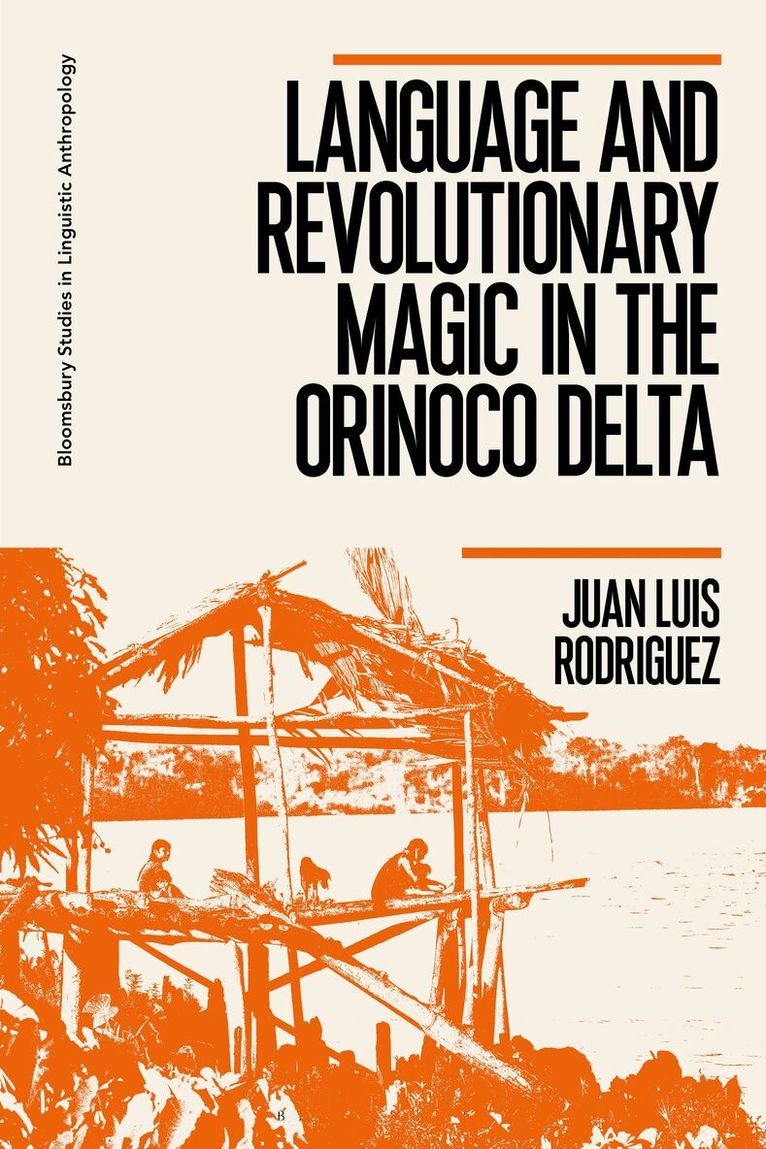
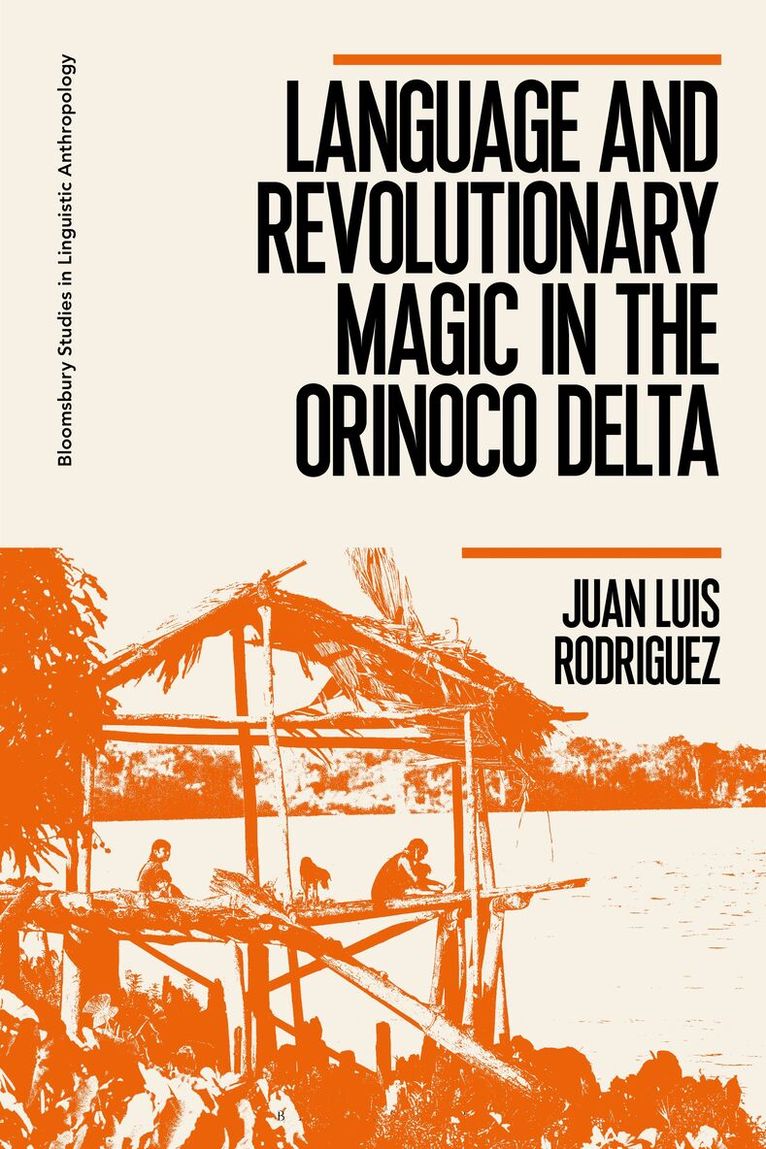
Winner of the 2021 New Voices Book Award by the Society for Linguistic AnthropologyExploring the ways in which the development of linguistic practices helped expand national politics in remote, rural areas of Venezuela, Language and Revolutionary Magic in the Orinoco Delta situates language as a mediating force in the creation of the 'magical state'. Focusing on the Waraos speakers of the Orinoco Delta, this book explores center–periphery dynamics in Venezuela through an innovative linguistic anthropological lens. Using a semiotic framework informed by concepts of 'transduction' and 'translation', this book combines ethnographic and historical evidence to analyze the ideological mediation and linguistic practices involved in managing a multi-ethnic citizenry in Venezuela. Juan Luis Rodriguez shows how indigenous populations participate in the formation and contestation of state power through daily practices and the use of different speech genres, emphasising the performative and semiotic work required to produce revolutionary subjects. Establishing the centrality of language and semiosis in the constitution of authority and political power, this book moves away from seeing revolution in solely economic or ideological terms. Through the collision between Warao and Spanish, it highlights how language ideologies can exclude or integrate indigenous populations in the public sphere and how they were transformed by Hugo Chavez' revolutionary government to promote loyalty to the regime.
434 kr
Skickas inom 10-15 vardagar
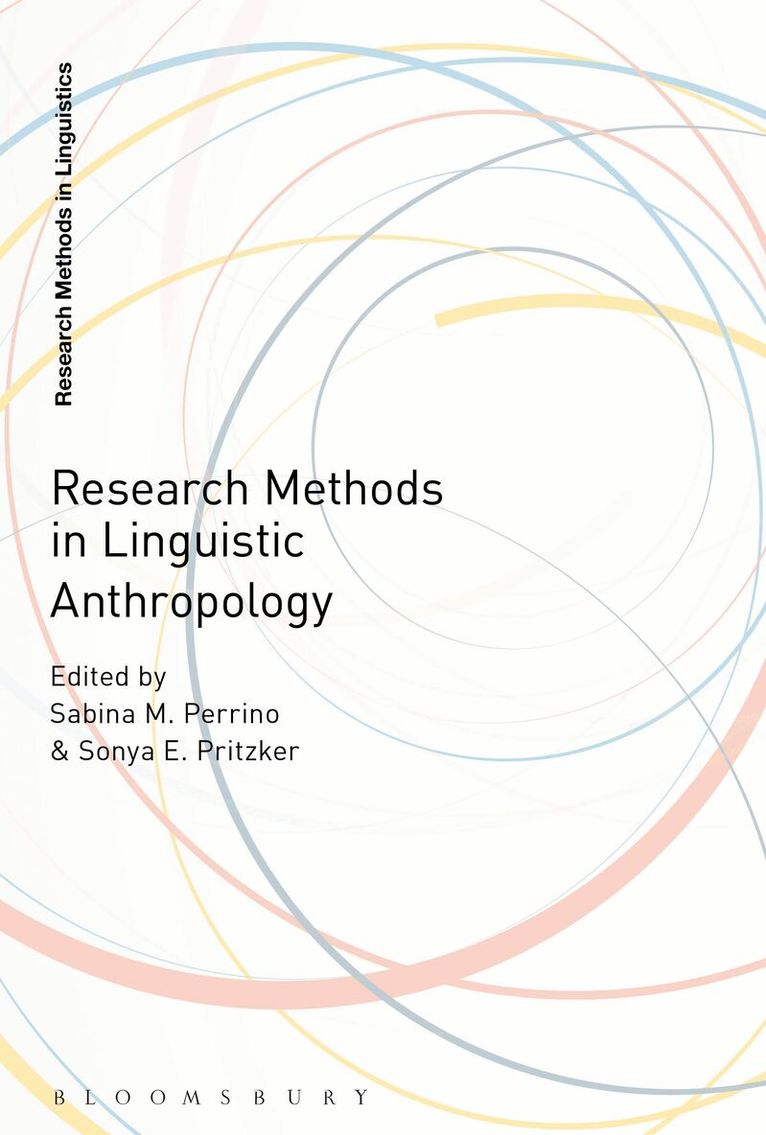
For research in linguistic anthropology, the successful execution of research projects is a challenging but essential task. Balancing research design with data collection methods, this textbook guides readers through the key issues and principles of the core research methods in linguistic anthropology.Designed for students conducting research projects for the first time, or for researchers in need of a primer on key methodologies, this book provides clear introductions to key concepts, accessible discussions of theory and practice through illustrative examples, and critical engagement with current debates. Topics covered include creating and refining research questions, planning research projects, ethical considerations for research, quantitative and qualitative data collection methods, data processing, data analysis, and how to write a successful grant application. Each chapter is illustrated by cases studies which showcase methods in practice, and are supported by activities and exercises, discussion questions, and further reading lists. Research Methods in Linguistic Anthropology is an essential resource for both experienced and novice linguistic anthropologists and is a valuable textbook for research methods courses.
1 343 kr
Skickas inom 10-15 vardagar
For research in linguistic anthropology, the successful execution of research projects is a challenging but essential task. Balancing research design with data collection methods, this textbook guides readers through the key issues and principles of the core research methods in linguistic anthropology.Designed for students conducting research projects for the first time, or for researchers in need of a primer on key methodologies, this book provides clear introductions to key concepts, accessible discussions of theory and practice through illustrative examples, and critical engagement with current debates. Topics covered include creating and refining research questions, planning research projects, ethical considerations for research, quantitative and qualitative data collection methods, data processing, data analysis, and how to write a successful grant application. Each chapter is illustrated by cases studies which showcase methods in practice, and are supported by activities and exercises, discussion questions, and further reading lists. Research Methods in Linguistic Anthropology is an essential resource for both experienced and novice linguistic anthropologists and is a valuable textbook for research methods courses.
448 kr
Skickas inom 10-15 vardagar
Winner of the 2021 New Voices Book Award by the Society for Linguistic AnthropologyExploring the ways in which the development of linguistic practices helped expand national politics in remote, rural areas of Venezuela, Language and Revolutionary Magic in the Orinoco Delta situates language as a mediating force in the creation of the 'magical state'. Focusing on the Waraos speakers of the Orinoco Delta, this book explores center–periphery dynamics in Venezuela through an innovative linguistic anthropological lens. Using a semiotic framework informed by concepts of 'transduction' and 'translation', this book combines ethnographic and historical evidence to analyze the ideological mediation and linguistic practices involved in managing a multi-ethnic citizenry in Venezuela. Juan Luis Rodriguez shows how indigenous populations participate in the formation and contestation of state power through daily practices and the use of different speech genres, emphasising the performative and semiotic work required to produce revolutionary subjects. Establishing the centrality of language and semiosis in the constitution of authority and political power, this book moves away from seeing revolution in solely economic or ideological terms. Through the collision between Warao and Spanish, it highlights how language ideologies can exclude or integrate indigenous populations in the public sphere and how they were transformed by Hugo Chavez' revolutionary government to promote loyalty to the regime.
Saying and Doing in Zapotec
Multimodality, Resonance, and the Language of Joint Actions
Häftad, Engelska, 2021
448 kr
Skickas inom 10-15 vardagar
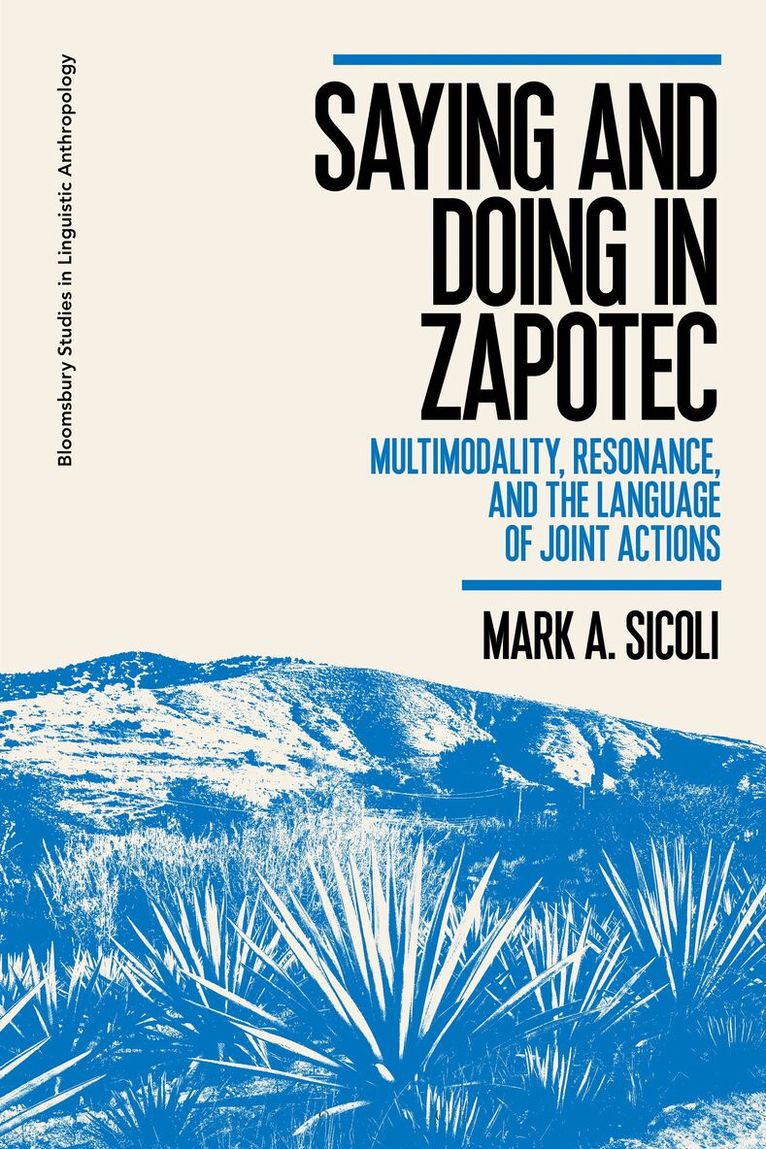
A multimodal ethnography of language as living process, this book demonstrates methods for the integrated analysis of talk, gesture, and material culture, developing a fresh way to understand human language through a focus on jointly achieved social actions to which it is part. Based on findings from a participatory, multimedia language documentation project in a highland Zapotec community of Oaxaca, Mexico, Mark A. Sicoli brings together goals of documentary linguistics and anthropological concern with the everyday means and ends of human social life with theoretical consequences for the analysis of linguistic and cultural reproduction and change. This book argues that resonances emergent in the whole of multiparticipant, multimodal interaction, are organizational of human social-cognitive process important for understanding both the shape linguistic utterances take in interaction (dialogic resonance) and the relationships built between distinct sign modes (intermodal resonance). In this way, Saying and Doing in Zapotec develops a new theory, characterizing the logic of resonance in human interaction as semiotic process that connects and juxtaposes interactional moves into assemblages of relations, resonances and collaborations that build an emergent lifeworld for a language.
447 kr
Skickas inom 10-15 vardagar
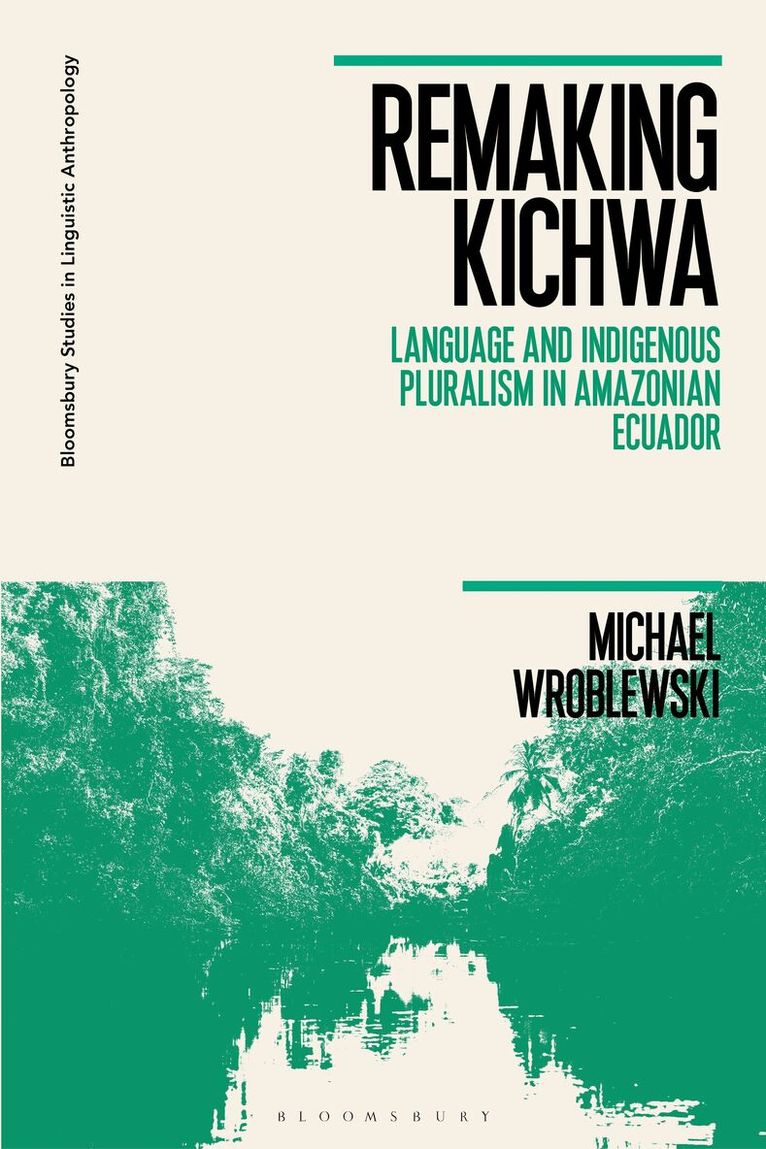
Investigating the efforts of the Kichwa of Tena, Ecuador to reverse language shift to Spanish, this book examines the ways in which Indigenous language can be revitalized and how creative bilingual forms of discourse can reshape the identities and futures of local populations. Based on deep ethnographic fieldwork among urban, periurban, and rural indigenous Kichwa communities, Michael Wroblewski explores adaptations to culture contact, language revitalization, and political mobilization through discourse.Expanding the ethnographic picture of native Amazonians and their traditional discourse practices, this book focuses attention on Kichwas’ diverse engagements with rural and urban ways of living, local and global ways of speaking, and Indigenous and dominant intellectual traditions. Wroblewski reveals the composite nature of indigenous words and worlds through conversational interviews, oral history narratives, political speechmaking, and urban performance media, showing how discourse is a critical focal point for studying cultural adaptation. Highlighting how Kichwas assert autonomy through creative forms of self-representation, Remaking Kichwa moves the study of Indigenous language into the globalized era and offers innovative reconsiderations of Indigeneity, discourse, and identity.
434 kr
Skickas inom 10-15 vardagar
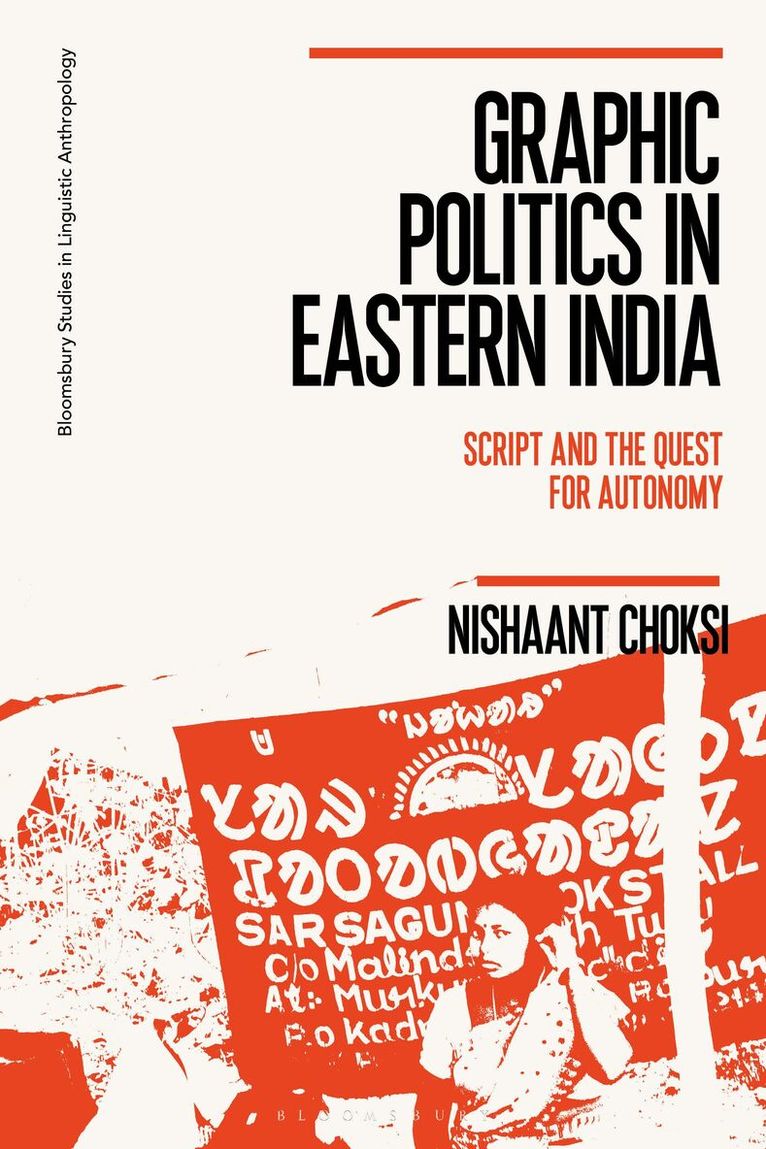
Investigating the communicative practices of indigenous Santali speakers in eastern India, Nishaant Choksi examines the overlooked role of script in regional movements for autonomy to provide one of the first comprehensive theoretical and ethnographical accounts of ‘graphic politics’.Based on extensive fieldwork in the villages of southwestern West Bengal, Choksi explores the deployment of Santali scripts, including a newly created script called Ol Chiki, in Bengali-dominated local markets, the education system and in the circulation of print media. He shows how manipulating the linguistic landscape and challenging the idea of a vernacular enables Santali speakers to delineate their own political domains and scale their language on local, regional and national levels. In doing so, they contest Bengali-speaking upper castes’ hegemony over public spaces and institutions, as well as the administrative demarcations of the contemporary Indian nation-state.Combining semiotic theory with ethnographically grounded investigation, Graphic Politics in Eastern India provides a new framework for understanding writing and literacy practices among ethnic minorities and points to future directions for interdisciplinary research on indigenous autonomy in South Asia.
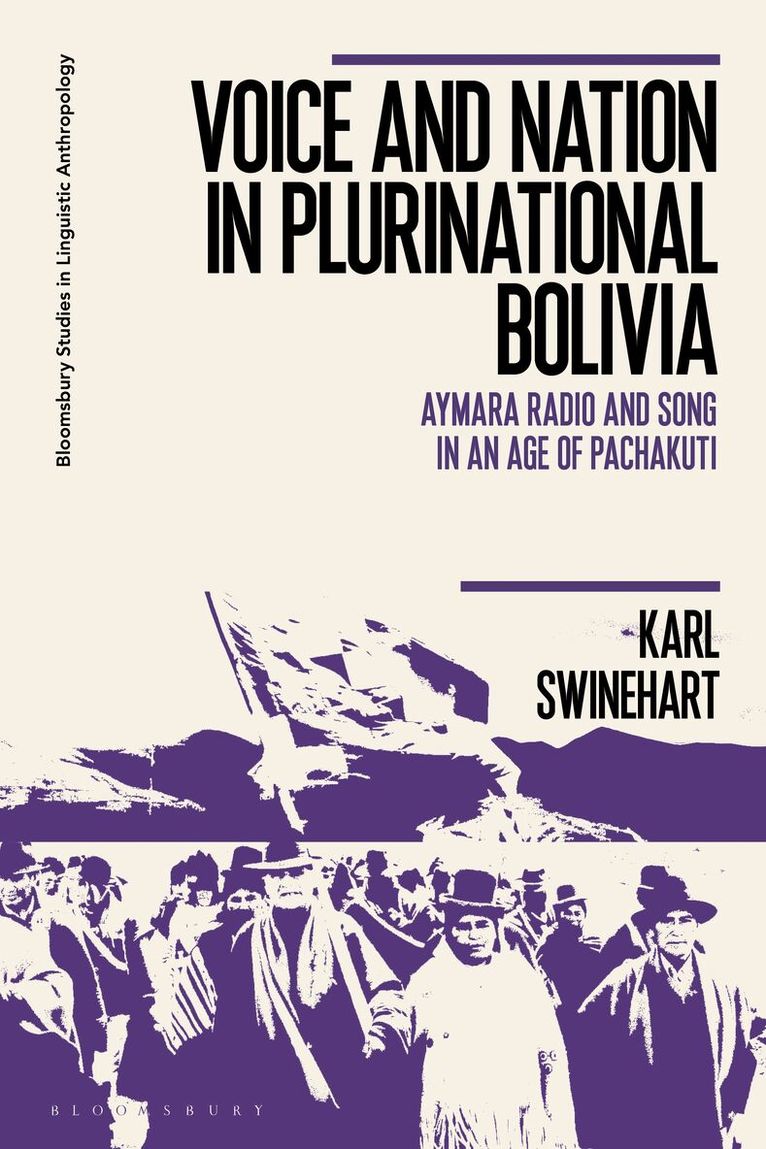
Voice and Nation in Plurinational Bolivia
Aymara Radio and Song in an Age of Pachakuti
Inbunden, Engelska, 2024
1 343 kr
Skickas inom 10-15 vardagar
This book offers ethnographic accounts of Aymara language media activism in Bolivia during the presidency of Evo Morales (2006–2019). It draws on research conducted among Aymara language radio broadcasters, hip hop artists, and community members during a period of radical social change and Indigenous political resurgence (pachakuti) in South America’s most Indigenous republic.The Plurinational Republic of Bolivia counts Aymara among its official languages, but Aymara’s social status and transmission to newer generations raise concerns about whether, despite being one of the most widely spoken Indigenous languages of the Americas, the threat of language obsolescence persists. This ethnographic account of Indigenous language activism shows how Aymara media and cultural workers combat this threat by making the language audible in diverse corners of Aymara life and examines the role Indigenous multilingualism plays in Bolivian politics. Through interviews and analysis of Aymara media texts, this study shows how language professionals determine how “the voice of the people” should sound. By introducing neologisms and archaicisms to avoid mixing Aymara with Spanish, Aymara language professionals disseminate a register of dehispanicized Aymara over the airwaves. The study reveals how these language professionals approach cultivating Aymara as more than a question of linguistic competence, but also of political commitment and anti-racist practice.Organized into two sections, one on radio and one on song, and including clear explanations and illustrations of key concepts in linguistic anthropology, this book listens to Aymara language advocacy from devout Catholics, union militants, and hip hop artists and fans, who hear in their language both the past and the future of Bolivia’s Aymaras.
Voice and Nation in Plurinational Bolivia
Aymara Radio and Song in an Age of Pachakuti
Häftad, Engelska, 2025
394 kr
Skickas inom 10-15 vardagar
This book offers ethnographic accounts of Aymara language media activism in Bolivia during the presidency of Evo Morales (2006–2019). It draws on research conducted among Aymara language radio broadcasters, hip hop artists, and community members during a period of radical social change and Indigenous political resurgence (pachakuti) in South America’s most Indigenous republic.The Plurinational Republic of Bolivia counts Aymara among its official languages, but Aymara’s social status and transmission to newer generations raise concerns about whether, despite being one of the most widely spoken Indigenous languages of the Americas, the threat of language obsolescence persists. This ethnographic account of Indigenous language activism shows how Aymara media and cultural workers combat this threat by making the language audible in diverse corners of Aymara life and examines the role Indigenous multilingualism plays in Bolivian politics. Through interviews and analysis of Aymara media texts, this study shows how language professionals determine how “the voice of the people” should sound. By introducing neologisms and archaicisms to avoid mixing Aymara with Spanish, Aymara language professionals disseminate a register of dehispanicized Aymara over the airwaves. The study reveals how these language professionals approach cultivating Aymara as more than a question of linguistic competence, but also of political commitment and anti-racist practice.Organized into two sections, one on radio and one on song, and including clear explanations and illustrations of key concepts in linguistic anthropology, this book listens to Aymara language advocacy from devout Catholics, union militants, and hip hop artists and fans, who hear in their language both the past and the future of Bolivia’s Aymaras.
1 418 kr
Skickas inom 10-15 vardagar
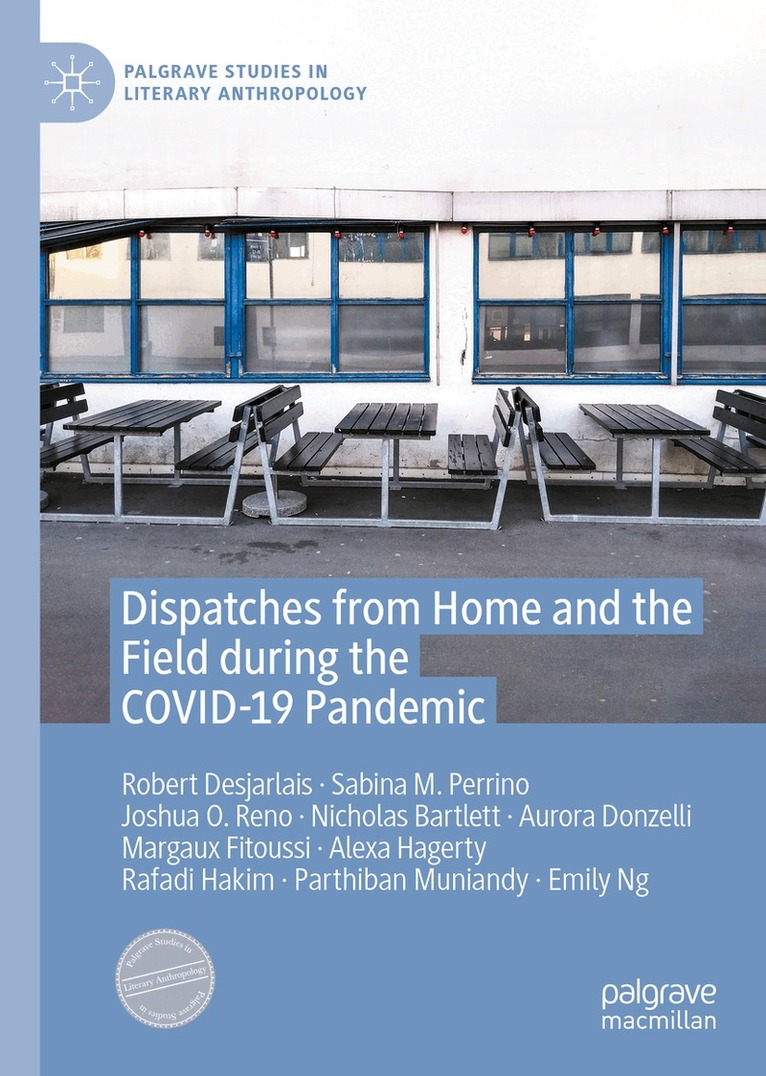
This volume, written in a readable and enticing style, is based on a simple premise, which was to have several exceptional ethnographers write about their experiences in an evocative way in real time during the COVID-19 pandemic. Rather than an edited volume with dedicated chapters, this book thus offers a new format wherein authors write several, distinct dispatches, each short and compact, allowing each writer's perspectives and stories to grow, in tandem with the pandemic itself, over the course of the book. Leaving behind the trope of the lonely anthropologist, these authors come together to form a collective of ethnographers to ask important questions, such as: What does it mean to live and write amid an unfolding and unstoppable global health and economic crisis? What are the intensities of the everyday? How do the isolated find connection in the face of catastrophe? Such first-person reflections touch on a plurality of themes brought on by the pandemic, forces and dynamics of pressing concern to many, such as contagion, safety, health inequalities, societal injustices, loss and separation, displacement, phantasmal imaginings and possibilities, the uncertain arts of calculating risk and protection, limits on movement and travel, and the biopolitical operations of sovereign powers. The various writings—spun from diverse situations and global locations—proceed within a temporal flow, starting in March 2020, with the first alerts and cases of viral infection, and then move on to various currents of caution, concern, infection, despair, hope, and connection that have unfolded since those early days. The writings then move into 2021, with events and moods associated with the global distribution of potentially effective vaccines and the promise and hope these immunizations bring. The written record of these multiform dispatches involves traces of a series of lives, as the authors of those lives tried to make do, and write, in trying times. A timely ethnography of an event that has changed all our lives, this book is critical reading for students and researchers of medical anthropology, sociocultural anthropology, contemporary anthropological theory, and ethnographic writing.
634 kr
Skickas inom 5-8 vardagar
1 418 kr
Skickas inom 10-15 vardagar
This volume, written in a readable and enticing style, is based on a simple premise, which was to have several exceptional ethnographers write about their experiences in an evocative way in real time during the COVID-19 pandemic. Rather than an edited volume with dedicated chapters, this book thus offers a new format wherein authors write several, distinct dispatches, each short and compact, allowing each writer's perspectives and stories to grow, in tandem with the pandemic itself, over the course of the book. Leaving behind the trope of the lonely anthropologist, these authors come together to form a collective of ethnographers to ask important questions, such as: What does it mean to live and write amid an unfolding and unstoppable global health and economic crisis? What are the intensities of the everyday? How do the isolated find connection in the face of catastrophe? Such first-person reflections touch on a plurality of themes brought on by the pandemic, forces and dynamics of pressing concern to many, such as contagion, safety, health inequalities, societal injustices, loss and separation, displacement, phantasmal imaginings and possibilities, the uncertain arts of calculating risk and protection, limits on movement and travel, and the biopolitical operations of sovereign powers. The various writings—spun from diverse situations and global locations—proceed within a temporal flow, starting in March 2020, with the first alerts and cases of viral infection, and then move on to various currents of caution, concern, infection, despair, hope, and connection that have unfolded since those early days. The writings then move into 2021, with events and moods associated with the global distribution of potentially effective vaccines and the promise and hope these immunizations bring. The written record of these multiform dispatches involves traces of a series of lives, as the authors of those lives tried to make do, and write, in trying times. A timely ethnography of an event that has changed all our lives, this book is critical reading for students and researchers of medical anthropology, sociocultural anthropology, contemporary anthropological theory, and ethnographic writing.