Sangam MacDuff - Böcker
Visar alla böcker från författaren Sangam MacDuff. Handla med fri frakt och snabb leverans.
5 produkter
5 produkter
990 kr
Skickas inom 10-15 vardagar
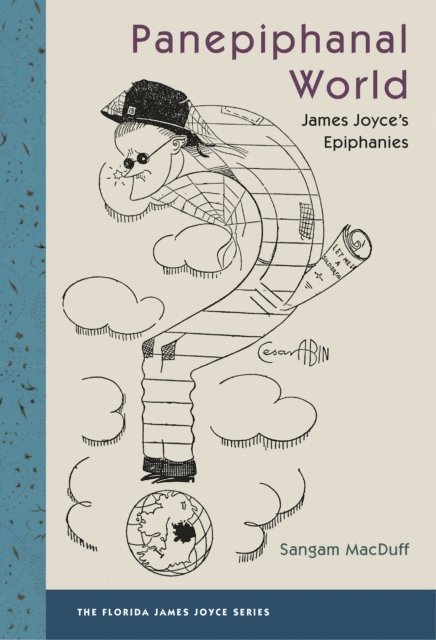
Panepiphanal World is the first in-depth study of the forty short texts James Joyce called "epiphanies." Composed between 1901 and 1904, at the beginning of Joyce's writing career, these texts are often dismissed as juvenilia. Sangam MacDuff argues that the epiphanies are an important point of origin for Joyce's entire body of work, showing how they shaped the structure, style, and language of his later writings. Tracing the ways Joyce incorporates the epiphanies into Dubliners, A Portrait of the Artist as a Young Man, Ulysses, and Finnegans Wake, MacDuff describes the defining characteristics of the epiphanies—silence and repetition, materiality and reflexivity—as a set of recurrent and inter-related tensions in the development of Joyce's oeuvre. MacDuff uses fresh archival evidence, including a new typescript of the epiphanies that he discovered, to show the importance of the epiphanies throughout Joyce's career. MacDuff compares Joyce's concept of epiphany to Classical, Biblical, and Romantic revelations, showing that instead of pointing to divine transcendence or the awakening of the sublime, Joyce's epiphanies are rooted in and focused on language. MacDuff argues that the Joycean epiphany is an apt characterization of modernist literature, and that the linguistic forces at play in these early texts are also central to the work of Joyce's contemporaries including Woolf, Beckett, and Eliot. A volume in the Florida James Joyce Series, edited by Sebastian D. G. Knowles
330 kr
Skickas inom 10-15 vardagar
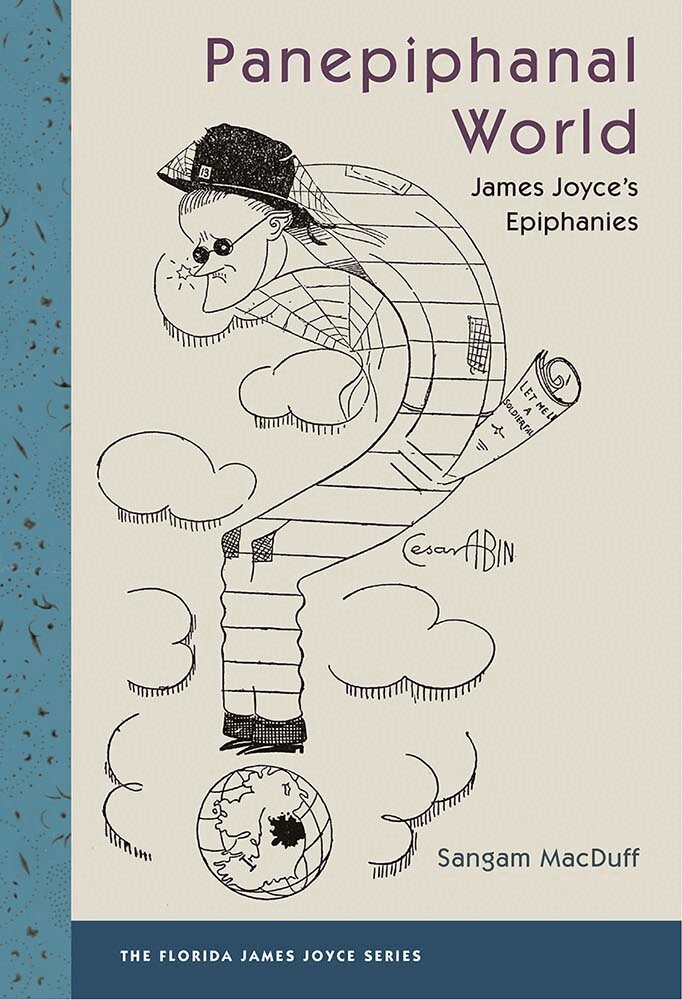
Panepiphanal World is the first in-depth study of the forty short texts James Joyce called "epiphanies." Composed between 1901 and 1904, at the beginning of Joyce's writing career, these texts are often dismissed as juvenilia. Sangam MacDuff argues that the epiphanies are an important point of origin for Joyce's entire body of work, showing how they shaped the structure, style, and language of his later writings. Tracing the ways Joyce incorporates the epiphanies into Dubliners, A Portrait of the Artist as a Young Man, Ulysses, and Finnegans Wake, MacDuff describes the defining characteristics of the epiphanies—silence and repetition, materiality and reflexivity—as a set of recurrent and inter-related tensions in the development of Joyce's oeuvre. MacDuff uses fresh archival evidence, including a new typescript of the epiphanies that he discovered, to show the importance of the epiphanies throughout Joyce's career. MacDuff compares Joyce's concept of epiphany to Classical, Biblical, and Romantic revelations, showing that instead of pointing to divine transcendence or the awakening of the sublime, Joyce's epiphanies are rooted in and focused on language. MacDuff argues that the Joycean epiphany is an apt characterization of modernist literature, and that the linguistic forces at play in these early texts are also central to the work of Joyce's contemporaries including Woolf, Beckett, and Eliot. A volume in the Florida James Joyce Series, edited by Sebastian D. G. KnowlesAn Open Access edition of this book was published with the support of the Swiss National Science Foundation.
990 kr
Skickas inom 10-15 vardagar
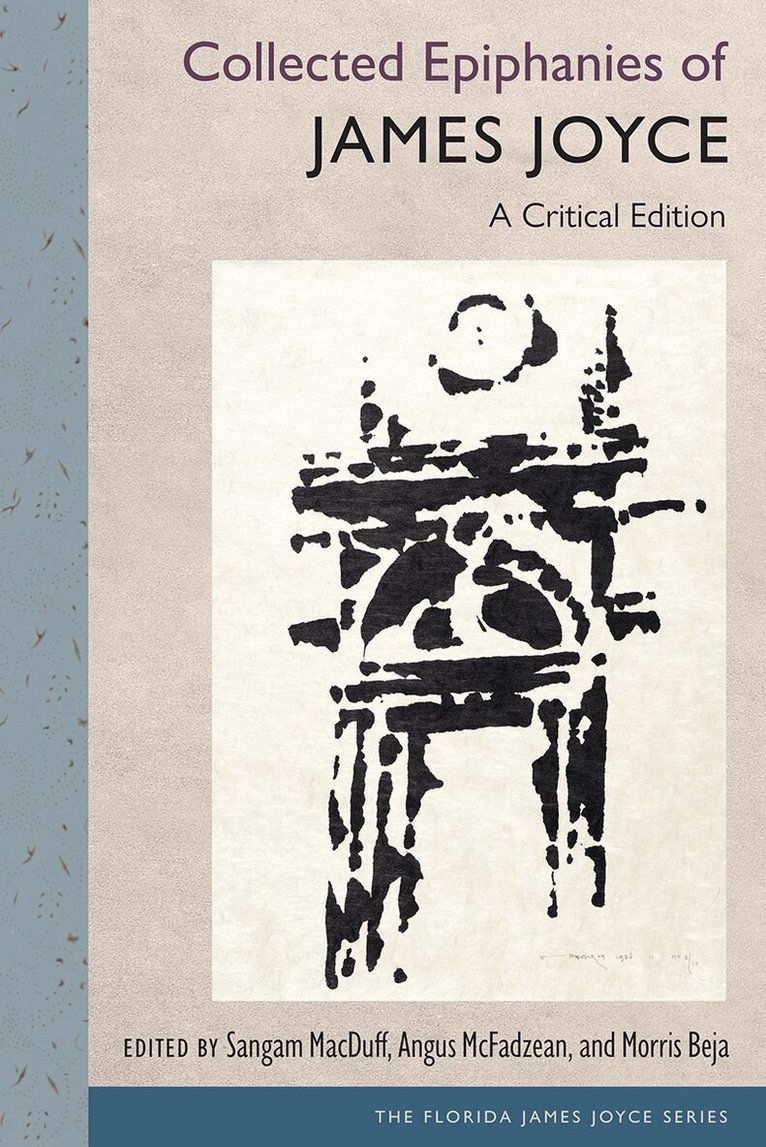
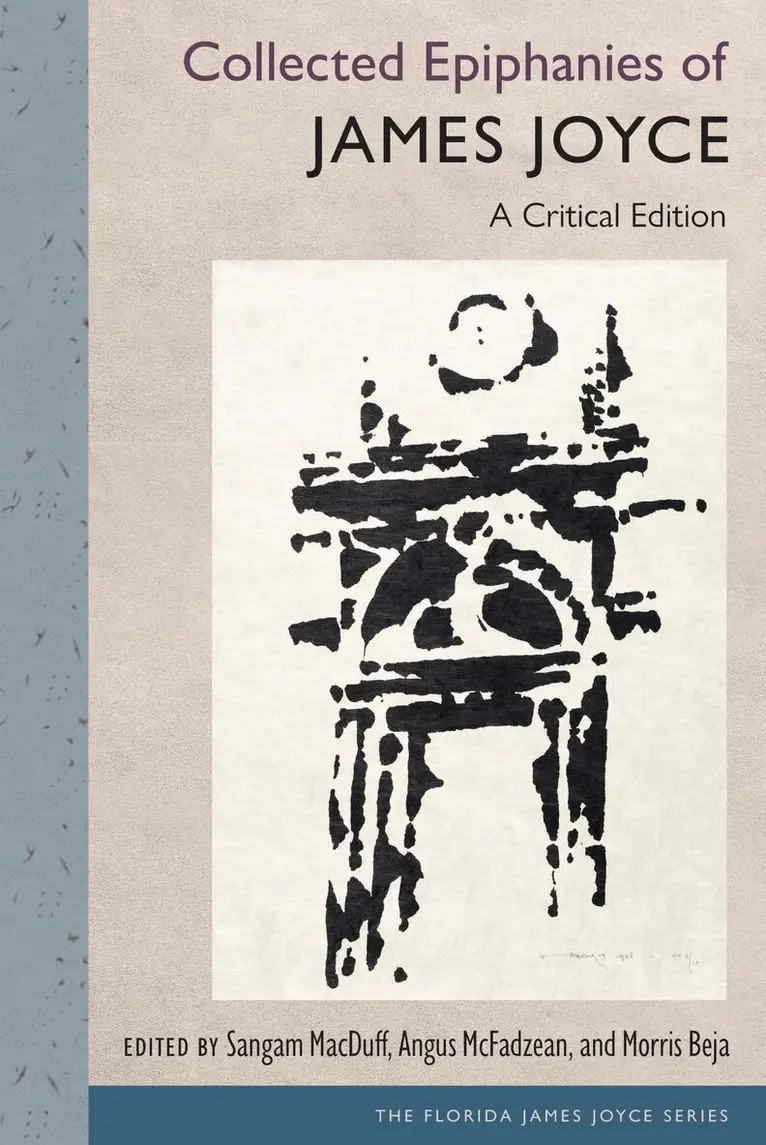
This book offers the first critical edition of the forty short texts James Joyce called “epiphanies.” Among Joyce’s earliest literary compositions, although published posthumously, the epiphanies are a series of highly polished miniatures, many of which Joyce reused in his later writings. By presenting the epiphanies with background details and thorough annotations, this edition provides a vivid insight into his art.Collected Epiphanies of James Joyce features an introduction to the texts that summarizes Joyce’s concept of epiphany; their biographical and cultural context; their echoes and adaptations in Stephen Hero, Dubliners, A Portrait of the Artist as a Young Man, Ulysses, and Finnegans Wake; and their critical reception and editorial history. Each epiphany is transcribed directly from its original manuscript, accompanied by extensive notes that include more information specific to each piece, as well as textual variants.Styled as prose poems, dramatic sketches, or combinations of the two, the epiphanies can be seen not only as lyrical counterparts to Joyce’s poetry in Chamber Music but also as bridges to the writer’s landmark fiction. This collection demonstrates that the epiphanies offer a paradigm case for studying the development of Joyce’s work as a whole, prompting a reassessment of their literary significance.
422 kr
Skickas inom 10-15 vardagar
Joyce’s early texts, which informed his later masterpieces, available for the first time in a comprehensive critical edition This book offers the first critical edition of the forty short texts James Joyce called “epiphanies.” Among Joyce’s earliest literary compositions, although published posthumously, the epiphanies are a series of highly polished miniatures, many of which Joyce reused in his later writings. By presenting the epiphanies with background details and thorough annotations, this edition provides a vivid insight into his art.Collected Epiphanies of James Joyce features an introduction to the texts that summarizes Joyce’s concept of epiphany; their biographical and cultural context; their echoes and adaptations in Stephen Hero, Dubliners, A Portrait of the Artist as a Young Man, Ulysses, and Finnegans Wake; and their critical reception and editorial history. Each epiphany is transcribed directly from its original manuscript, accompanied by extensive notes that include more information specific to each piece, as well as textual variants.Styled as prose poems, dramatic sketches, or combinations of the two, the epiphanies can be seen not only as lyrical counterparts to Joyce’s poetry in Chamber Music but also as bridges to the writer’s landmark fiction. This collection demonstrates that the epiphanies offer a paradigm case for studying the development of Joyce’s work as a whole, prompting a reassessment of their literary significance.A volume in the Florida James Joyce Series, edited by Sam Slote
1 711 kr
Kommande
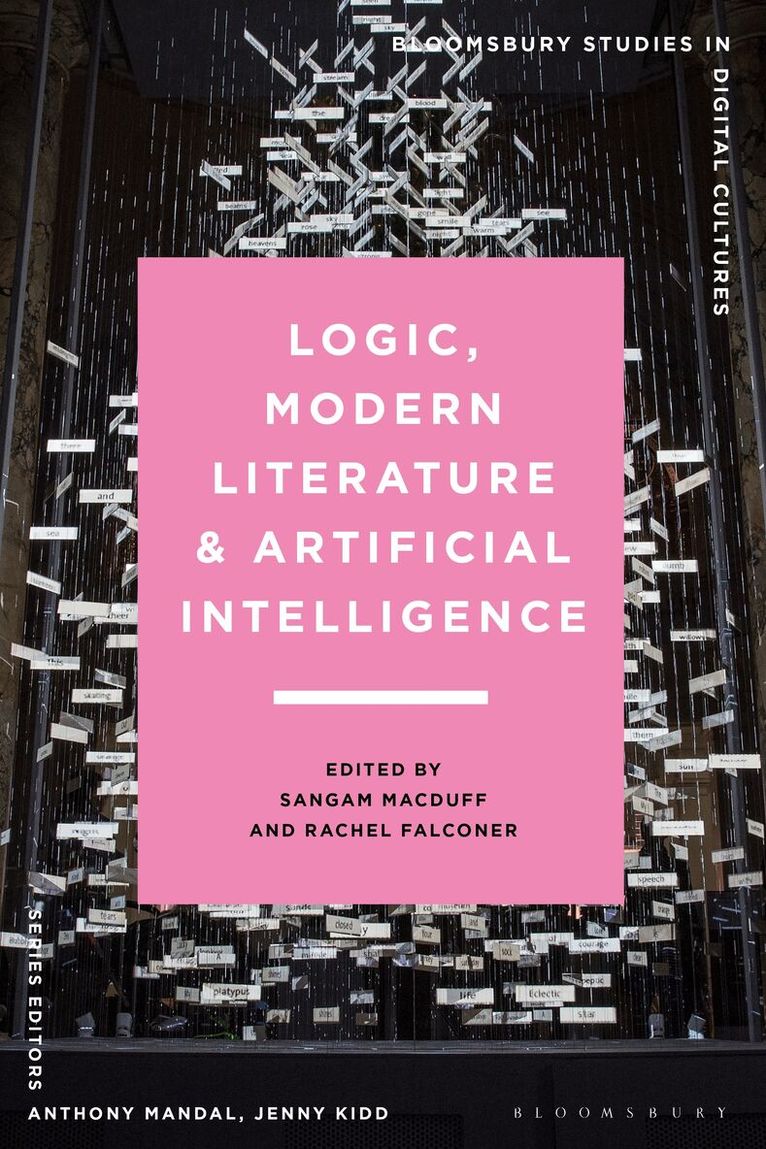
Examining the relationship between these fields for the first time, this book explores a series of surprising affinities between symbolic logic, literature, and AI, from the late-nineteenth century to the present.Shedding light on the relationship between the sciences and the arts, this book examines how writers such as Lewis Carroll, T. S. Eliot, Laura (Riding) Jackson, Samuel Beckett, Italo Calvino, Jorge Luis Borges and Susan Howe both respond to and react against logic. It proposes a new framework to account for this agonistic relationship, arguing that the mathematisation of logic in the mid-nineteenth century created a productive tension between logic and literature, spurring modernist and postmodernist innovations, and catalysing the development of AI.Covering topics such as developments in computing from Ada Lovelace to AI; the cross-fertilisation of logic and literature from Lewis Carroll to Susan Howe; and recent advances in digital texts and neural nets, this book also speaks eloquently to contemporary concerns about artificial intelligence and the fate of the humanities.