Shirley Sun – författare
Visar alla böcker från författaren Shirley Sun. Handla med fri frakt och snabb leverans.
4 produkter
4 produkter
665 kr
Skickas inom 10-15 vardagar
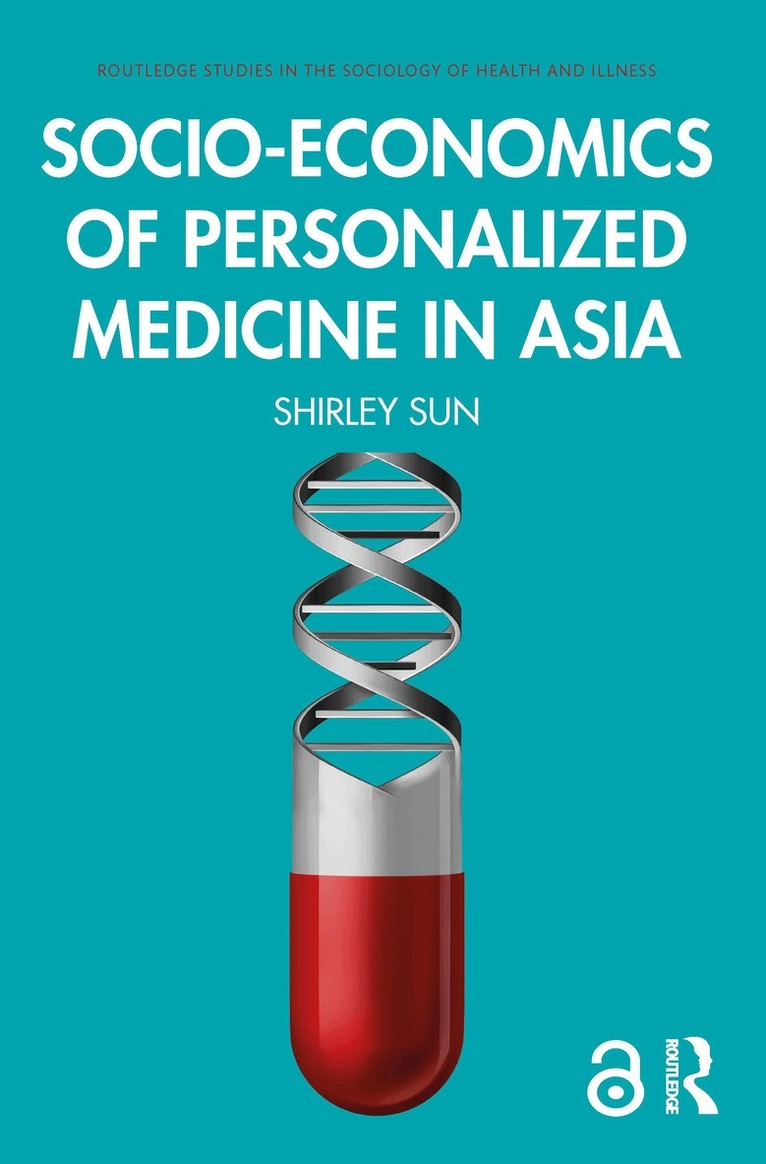
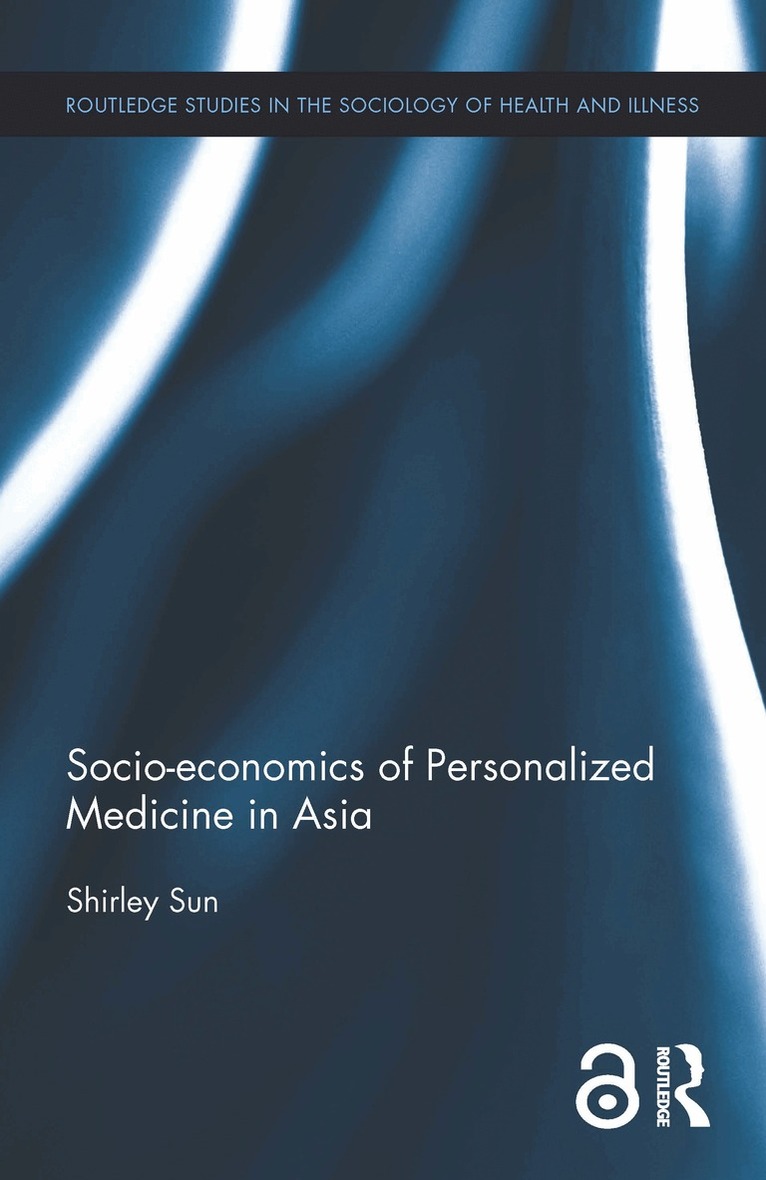
The second decade of the twenty-first century has witnessed a surging interest in personalized medicine with the concomitant promise to enable more precise diagnosis and treatment of disease and illness, based upon an individual’s unique genetic makeup.In this book, my goal is to contribute to a growing body of literature on personalized medicine by tracing and analyzing how this field has blossomed in Asia. In so doing, I aim to illustrate how various social and economic forces shape the co-production of science and social order in global contexts. This book shows that there are inextricable transnational linkages between developing and developed countries and also provides a theoretically guided and empirically grounded understanding of the formation and usage of particular racial and ethnic human taxonomies in local, national and transnational settings.The Open Access version of this book, available at http://www.taylorfrancis.com/doi/view/10.4324/9781315537177 has been made available under a Creative Commons Attribution-Non Commercial-No Derivatives 4.0 license.
2 036 kr
Skickas inom 10-15 vardagar
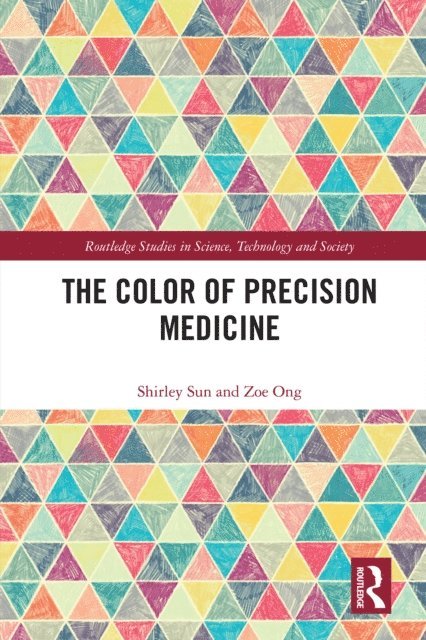
Will genome-based precision medicine fix the problem of race/ethnicity-based medicine? To answer this question, Sun and Ong propose the concept of racialization of precision medicine, defined as the social processes by which racial/ethnic categories are incorporated (or not) into the development, interpretation, and implementation of precision medicine research and practice.Drawing on interview data with physicians and scientists in the field of cancer care, this book addresses the following questions: Who are the racializers in precision medicine, how and why do they do it? Under what conditions do clinicians personalize medical treatments in the context of cancer therapies? The chapters elucidate different ways in which racialization occurs and reveal that there exists an inherent contradiction in the usage of race/ethnicity as precision medicine moves from bench to bedside. The relative resources theory is proposed to explain that whether race/ethnicity-based medicine will be replaced by genomic medicine depends on the resources available at the individual and systemic levels. Furthermore, this book expands on how racialization happens not only in pharmacogenomic drug efficacy studies, but also in drug toxicity studies and cost-effectiveness studies.An important resource for clinicians, researchers, public health policymakers, health economists, and journalists on how to deracialize precision medicine.
651 kr
Skickas inom 10-15 vardagar
Will genome-based precision medicine fix the problem of race/ethnicity-based medicine? To answer this question, Sun and Ong propose the concept of racialization of precision medicine, defined as the social processes by which racial/ethnic categories are incorporated (or not) into the development, interpretation, and implementation of precision medicine research and practice.Drawing on interview data with physicians and scientists in the field of cancer care, this book addresses the following questions: Who are the racializers in precision medicine, how and why do they do it? Under what conditions do clinicians personalize medical treatments in the context of cancer therapies? The chapters elucidate different ways in which racialization occurs and reveal that there exists an inherent contradiction in the usage of race/ethnicity as precision medicine moves from bench to bedside. The relative resources theory is proposed to explain that whether race/ethnicity-based medicine will be replaced by genomic medicine depends on the resources available at the individual and systemic levels. Furthermore, this book expands on how racialization happens not only in pharmacogenomic drug efficacy studies, but also in drug toxicity studies and cost-effectiveness studies.An important resource for clinicians, researchers, public health policymakers, health economists, and journalists on how to deracialize precision medicine.
2 316 kr
Skickas inom 10-15 vardagar
The second decade of the twenty-first century has witnessed a surging interest in personalized medicine with the concomitant promise to enable more precise diagnosis and treatment of disease and illness, based upon an individual’s unique genetic makeup.In this book, my goal is to contribute to a growing body of literature on personalized medicine by tracing and analyzing how this field has blossomed in Asia. In so doing, I aim to illustrate how various social and economic forces shape the co-production of science and social order in global contexts. This book shows that there are inextricable transnational linkages between developing and developed countries and also provides a theoretically guided and empirically grounded understanding of the formation and usage of particular racial and ethnic human taxonomies in local, national and transnational settings.The Open Access version of this book, available at http://www.taylorfrancis.com/doi/view/10.4324/9781315537177 has been made available under a Creative Commons Attribution-Non Commercial-No Derivatives 4.0 license.