Theresa Wizemann – författare
762 kr
Skickas
728 kr
Skickas inom 3-6 vardagar
468 kr
Läs direkt efter köp
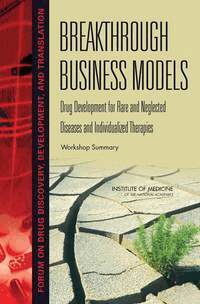
The process for developing new drug and biologic products is extraordinarily expensive and time-consuming. Although large pharmaceutical companies may be able to afford the cost of development because they can expect a large return on investment, organizations developing drugs to treat rare and neglected diseases are unable to rely on such returns.
On June 23, 2008, the Institute of Medicine''s Forum on Drug Discovery, Development, and Translation held a public workshop, "Breakthrough Business Models: Drug Development for Rare and Neglected Diseases and Individualized Therapies," which sought to explore new and innovative strategies for developing drugs for rare and neglected diseases.
360 kr
Läs direkt efter köp
With the advent of genome-wide association studies, numerous associations between specific gene loci and complex diseases have been identified—for breast cancer, coronary artery disease, and asthma, for example. This rapidly advancing field of genomics has stirred great interest in "personalized" health care from both the public and private sectors. The hope is that using genomic information in clinical care will lead to reduced health care costs and improved health outcomes as therapies are tailored to the genetic susceptibilities of patients. A variety of genetically based health care innovations have already reached the marketplace, but information about the clinical use of these treatments and diagnostics is limited. Currently data do not provide information about how a genomic test impacts clinical care and patient health outcomes—other approaches are needed to garner such information. This volume summarizes a workshop to address central questions related to the development of systems to evaluate clinical use of health care innovations that stem from genome-based research:What are the practical realities of creating such systems?What different models could be used? What are the strengths and weaknesses of each model? How effectively can such systems address questions about health outcomes?
518 kr
Läs direkt efter köp
With the advent of genome-wide association studies, numerous associations between specific gene loci and complex diseases have been identified—for breast cancer, coronary artery disease, and asthma, for example. This rapidly advancing field of genomics has stirred great interest in "personalized" health care from both the public and private sectors. The hope is that using genomic information in clinical care will lead to reduced health care costs and improved health outcomes as therapies are tailored to the genetic susceptibilities of patients. A variety of genetically based health care innovations have already reached the marketplace, but information about the clinical use of these treatments and diagnostics is limited. Currently data do not provide information about how a genomic test impacts clinical care and patient health outcomes—other approaches are needed to garner such information. This volume summarizes a workshop to address central questions related to the development of systems to evaluate clinical use of health care innovations that stem from genome-based research:What are the practical realities of creating such systems?What different models could be used? What are the strengths and weaknesses of each model? How effectively can such systems address questions about health outcomes?
544 kr
Läs direkt efter köp
During public health emergencies such as pandemic influenza outbreaks or terrorist attacks, effective vaccines, drugs, diagnostics, and other medical countermeasures are essential to protecting national security and the public''s well-being. The Public Health Emergency Medical Countermeasures Enterprise (PHEMCE)—a partnership among federal, state, and local governments; industry; and academia—is at the forefront of the effort to develop and manufacture these countermeasures. However, despite the PHEMCE''s many successes, there are still serious challenges to overcome. Government-funded medical research is not always focused on countermeasures for the most serious potential threats, and it is difficult to engage pharmaceutical and biotechnology companies to develop and manufacture medical countermeasures that have a limited commercial market. At the request of the Secretary of the U.S. Department of Health and Human Services and the Assistant Secretary for Preparedness and Response, the IOM held a workshop February 22-24, 2010, to address challenges facing the PHEMCE. Workshop participants discussed federal policies and procedures affecting the research, development, and approval of medical countermeasures and explored opportunities to improve the process and protect Americans'' safety and health.
802 kr
Läs direkt efter köp
During public health emergencies such as pandemic influenza outbreaks or terrorist attacks, effective vaccines, drugs, diagnostics, and other medical countermeasures are essential to protecting national security and the public''s well-being. The Public Health Emergency Medical Countermeasures Enterprise (PHEMCE)—a partnership among federal, state, and local governments; industry; and academia—is at the forefront of the effort to develop and manufacture these countermeasures. However, despite the PHEMCE''s many successes, there are still serious challenges to overcome. Government-funded medical research is not always focused on countermeasures for the most serious potential threats, and it is difficult to engage pharmaceutical and biotechnology companies to develop and manufacture medical countermeasures that have a limited commercial market. At the request of the Secretary of the U.S. Department of Health and Human Services and the Assistant Secretary for Preparedness and Response, the IOM held a workshop February 22-24, 2010, to address challenges facing the PHEMCE. Workshop participants discussed federal policies and procedures affecting the research, development, and approval of medical countermeasures and explored opportunities to improve the process and protect Americans'' safety and health.
376 kr
Läs direkt efter köp
Knowing one''s genetic disposition to a variety of diseases, including common chronic diseases, can benefit both the individual and society at large. The IOM''s Roundtable on Translating Genomic-Based Research for Health held a workshop on March 22, 2010, to bring together diverse perspectives on the value of genetic testing, and to discuss its use in clinical practice.
702 kr
Skickas inom 3-6 vardagar
443 kr
Läs direkt efter köp
The Food and Drug Administration (FDA) is responsible for assuring that medical devices are safe and effective before they go on the market. As part of its assessment of FDA''s premarket clearance process for medical devices, the IOM held a workshop June 14-15 to discuss how to best balance patient safety and technological innovation. This document summarizes the workshop.
376 kr
Läs direkt efter köp
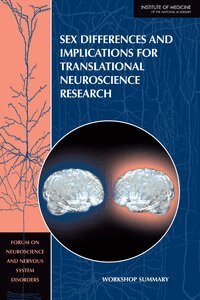
Biological differences between the sexes influence not only individual health but also public health, biomedical research, and health care. The Institute of Medicine held a workshop March 8-9, 2010, to discuss sex differences and their implications for translational neuroscience research, which bridges the gap between scientific discovery and application.
193 kr
Läs direkt efter köp
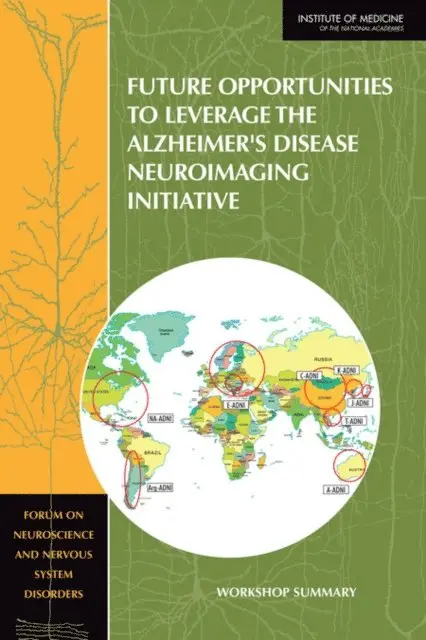
Nearly 5.3 million Americans are living with Alzheimer''s disease, and 26.6 million people are affected worldwide. The Alzheimer''s Disease Neuroimaging Initiative (ADNI), a public-private partnership, provides a publicly available, international database of clinical and imaging data to foster research and collaboration on Alzheimer''s research worldwide. The Institute of Medicine held a workshop on July 12, 2010, to explore opportunities to use information from and partnerships formed because of ADNI to continue to improve the understanding and treatment of Alzheimer''s disease.
577 kr
Läs direkt efter köp
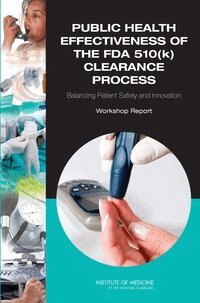
The Food and Drug Administration (FDA) is responsible for ensuring that medical devices are safe and effective before they go on the market. Section 510(k) of the Federal Food, Drug, and Cosmetic Act requires a manufacturer of medical devices to notify FDA of its intent to market a medical device at least 90 days in advance. That window of time allows FDA to evaluate whether the device is substantially equivalent to a product already legally on the market (called a predicate), in which case the device does not need to go through the premarket approval (PMA) process.As part of its assessment of the FDA''s premarket clearance process for medical devices, the Institute of Medicine (IOM) held a workshop on July 28, 2010 to discuss how medical devices are monitored for safety after they are available to consumers. Its primary focus was on monitoring the safety of marketed medical devices, including FDA''s postmarket surveillance activities, analysis of safety concerns that resulted in medical device recalls, and non-FDA sources of adverse-event information.Public Health Effectiveness of the FDA 501(K) Clearance Process summarizes the views of the workshop participants.
635 kr
Läs direkt efter köp
The Food and Drug Administration (FDA) is responsible for assuring that medical devices are safe and effective before they go on the market. As part of its assessment of FDA''s premarket clearance process for medical devices, the IOM held a workshop June 14-15 to discuss how to best balance patient safety and technological innovation. This document summarizes the workshop.
418 kr
Läs direkt efter köp
Health literacy is the degree to which one can understand and make decisions based on health information. Nearly 90 million adults in the United States have limited health literacy. While poor health literacy spans all demographics, rates of low health literacy are disproportionately higher among those with lower socioeconomic status, limited education, or limited English proficiency, as well as among the elderly and individuals with mental or physical disabilities. Studies have shown that there is a correlation between low health literacy and poor health outcomes.
In 2010, President Obama signed the Affordable Care Act designed to extend access to health care coverage to millions of Americans who have been previously uninsured. Many of the newly eligible individuals who should benefit most from the ACA, however, are least prepared to realize those benefits as a result of low health literacy. They will face significant challenges understanding what coverage they are eligible for under the ACA, making informed choices about the best options for themselves and their families, and completing the enrollment process. Health Literacy Implications for Health Care Reform explores opportunities to advance health literacy in association with the implementation of health care reform. The report focuses on building partnerships to advance the field of health literacy by translating research findings into practical strategies for implementation, and on educating the public, press, and policymakers regarding issues of health literacy.
518 kr
Läs direkt efter köp
Problems contacting emergency services and delayed assistance are not unusual when incidents occur in rural areas, and the consequences can be devastating, particularly with mass casualty incidents. The IOM''s Forum on Medical and Public Health Preparedness for Catastrophic Events held a workshop to examine the current capabilities of emergency response systems and the future opportunities to improve mass casualty response in rural communities.
668 kr
Läs direkt efter köp
The process for developing new drug and biologic products is extraordinarily expensive and time-consuming. Although large pharmaceutical companies may be able to afford the cost of development because they can expect a large return on investment, organizations developing drugs to treat rare and neglected diseases are unable to rely on such returns.
On June 23, 2008, the Institute of Medicine''s Forum on Drug Discovery, Development, and Translation held a public workshop, "Breakthrough Business Models: Drug Development for Rare and Neglected Diseases and Individualized Therapies," which sought to explore new and innovative strategies for developing drugs for rare and neglected diseases.
552 kr
Läs direkt efter köp
Knowing one''s genetic disposition to a variety of diseases, including common chronic diseases, can benefit both the individual and society at large. The IOM''s Roundtable on Translating Genomic-Based Research for Health held a workshop on March 22, 2010, to bring together diverse perspectives on the value of genetic testing, and to discuss its use in clinical practice.
284 kr
Läs direkt efter köp
Nearly 5.3 million Americans are living with Alzheimer''s disease, and 26.6 million people are affected worldwide. The Alzheimer''s Disease Neuroimaging Initiative (ADNI), a public-private partnership, provides a publicly available, international database of clinical and imaging data to foster research and collaboration on Alzheimer''s research worldwide. The Institute of Medicine held a workshop on July 12, 2010, to explore opportunities to use information from and partnerships formed because of ADNI to continue to improve the understanding and treatment of Alzheimer''s disease.
535 kr
Läs direkt efter köp
Biological differences between the sexes influence not only individual health but also public health, biomedical research, and health care. The Institute of Medicine held a workshop March 8-9, 2010, to discuss sex differences and their implications for translational neuroscience research, which bridges the gap between scientific discovery and application.
267 kr
Skickas
376 kr
Läs direkt efter köp
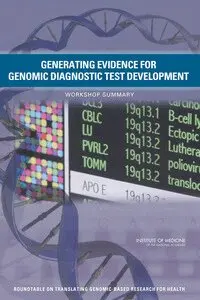
Ten years after the sequencing of the human genome, scientists have developed genetic tests that can predict a person''s response to certain drugs, estimate the risk of developing Alzheimer''s disease, and make other predictions based on known links between genes and diseases. However, genetic tests have yet to become a routine part of medical care, in part because there is not enough evidence to show they help improve patients'' health.
The Institute of Medicine (IOM) held a workshop to explore how researchers can gather better evidence more efficiently on the clinical utility of genetic tests. Generating Evidence for Genomic Diagnostic Test Development compares the evidence that is required for decisions regarding clearance, use, and reimbursement, to the evidence that is currently generated. The report also addresses innovative and efficient ways to generate high-quality evidence, as well as barriers to generating this evidence.
Generating Evidence for Genomic Diagnostic Test Development contains information that will be of great value to regulators and policymakers, payers, health-care providers, researchers, funders, and evidence-based review groups.
401 kr
Läs direkt efter köp
Ten years after the sequencing of the human genome, scientists have developed genetic tests that can predict a person''s response to certain drugs, estimate the risk of developing Alzheimer''s disease, and make other predictions based on known links between genes and diseases. However, genetic tests have yet to become a routine part of medical care, in part because there is not enough evidence to show they help improve patients'' health.
The Institute of Medicine (IOM) held a workshop to explore how researchers can gather better evidence more efficiently on the clinical utility of genetic tests. Generating Evidence for Genomic Diagnostic Test Development compares the evidence that is required for decisions regarding clearance, use, and reimbursement, to the evidence that is currently generated. The report also addresses innovative and efficient ways to generate high-quality evidence, as well as barriers to generating this evidence.
Generating Evidence for Genomic Diagnostic Test Development contains information that will be of great value to regulators and policymakers, payers, health-care providers, researchers, funders, and evidence-based review groups.
535 kr
Läs direkt efter köp
Problems contacting emergency services and delayed assistance are not unusual when incidents occur in rural areas, and the consequences can be devastating, particularly with mass casualty incidents. The IOM''s Forum on Medical and Public Health Preparedness for Catastrophic Events held a workshop to examine the current capabilities of emergency response systems and the future opportunities to improve mass casualty response in rural communities.
576 kr
Läs direkt efter köp
Whether or not the United States has safe and effective medical countermeasures—such as vaccines, drugs, and diagnostic tools—available for use during a disaster can mean the difference between life and death for many Americans. The Food and Drug Administration (FDA) and the scientific community at large could benefit from improved scientific tools and analytic techniques to undertake the complex scientific evaluation and decision making needed to make essential medical countermeasures available. At the request of FDA, the Institute of Medicine (IOM) held a workshop to examine methods to improve the development, evaluation, approval, and regulation of medical countermeasures.
During public health emergencies such as influenza or chemical, biological, radiological/nuclear (CBRN) attacks, safe and effective vaccines, treatments, and other medical countermeasures are essential to protecting national security and the well being of the public. Advancing Regulatory Science for Medical Countermeasure Development examines current medical countermeasures, and investigates the future of research and development in this area. Convened on March 29-30, 2011, this workshop identified regulatory science tools and methods that are available or under development, as well as major gaps in currently available regulatory science tools.
Advancing Regulatory Science for Medical Countermeasure Development is a valuable resource for federal agencies including the Food and Drug Administration (FDA), the Department of Health and Human Services (HHS), the Department of Defense (DoD), as well as health professionals, and public and private health organizations.
600 kr
Läs direkt efter köp
Whether or not the United States has safe and effective medical countermeasures—such as vaccines, drugs, and diagnostic tools—available for use during a disaster can mean the difference between life and death for many Americans. The Food and Drug Administration (FDA) and the scientific community at large could benefit from improved scientific tools and analytic techniques to undertake the complex scientific evaluation and decision making needed to make essential medical countermeasures available. At the request of FDA, the Institute of Medicine (IOM) held a workshop to examine methods to improve the development, evaluation, approval, and regulation of medical countermeasures.
During public health emergencies such as influenza or chemical, biological, radiological/nuclear (CBRN) attacks, safe and effective vaccines, treatments, and other medical countermeasures are essential to protecting national security and the well being of the public. Advancing Regulatory Science for Medical Countermeasure Development examines current medical countermeasures, and investigates the future of research and development in this area. Convened on March 29-30, 2011, this workshop identified regulatory science tools and methods that are available or under development, as well as major gaps in currently available regulatory science tools.
Advancing Regulatory Science for Medical Countermeasure Development is a valuable resource for federal agencies including the Food and Drug Administration (FDA), the Department of Health and Human Services (HHS), the Department of Defense (DoD), as well as health professionals, and public and private health organizations.
602 kr
Läs direkt efter köp
The Food and Drug Administration (FDA) is responsible for ensuring that medical devices are safe and effective before they go on the market. Section 510(k) of the Federal Food, Drug, and Cosmetic Act requires a manufacturer of medical devices to notify FDA of its intent to market a medical device at least 90 days in advance. That window of time allows FDA to evaluate whether the device is substantially equivalent to a product already legally on the market (called a predicate), in which case the device does not need to go through the premarket approval (PMA) process.As part of its assessment of the FDA''s premarket clearance process for medical devices, the Institute of Medicine (IOM) held a workshop on July 28, 2010 to discuss how medical devices are monitored for safety after they are available to consumers. Its primary focus was on monitoring the safety of marketed medical devices, including FDA''s postmarket surveillance activities, analysis of safety concerns that resulted in medical device recalls, and non-FDA sources of adverse-event information.Public Health Effectiveness of the FDA 501(K) Clearance Process summarizes the views of the workshop participants.
368 kr
Läs direkt efter köp
When a nation or region prepares for public health emergencies such as a pandemic influenza, a large-scale earthquake, or any major disaster scenario in which the health system may be destroyed or stressed to its limits, it is important to describe how standards of care would change due to shortages of critical resources. At the 17th World Congress on Disaster and Emergency Medicine, the IOM Forum on Medical and Public Health Preparedness sponsored a session that focused on the promise of and challenges to integrating crisis standards of care principles into international disaster response plans.
451 kr
Läs direkt efter köp
Health literacy is the degree to which one can understand and make decisions based on health information. Nearly 90 million adults in the United States have limited health literacy. While poor health literacy spans all demographics, rates of low health literacy are disproportionately higher among those with lower socioeconomic status, limited education, or limited English proficiency, as well as among the elderly and individuals with mental or physical disabilities. Studies have shown that there is a correlation between low health literacy and poor health outcomes.
In 2010, President Obama signed the Affordable Care Act designed to extend access to health care coverage to millions of Americans who have been previously uninsured. Many of the newly eligible individuals who should benefit most from the ACA, however, are least prepared to realize those benefits as a result of low health literacy. They will face significant challenges understanding what coverage they are eligible for under the ACA, making informed choices about the best options for themselves and their families, and completing the enrollment process. Health Literacy Implications for Health Care Reform explores opportunities to advance health literacy in association with the implementation of health care reform. The report focuses on building partnerships to advance the field of health literacy by translating research findings into practical strategies for implementation, and on educating the public, press, and policymakers regarding issues of health literacy.
334 kr
Läs direkt efter köp
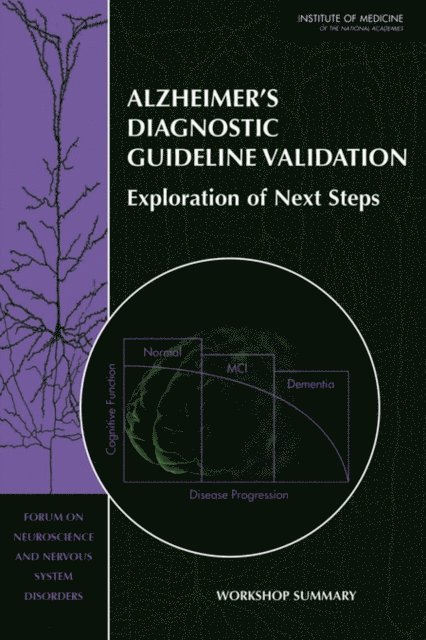
Scientific advances during the last decade now indicate that Alzheimer''s disease is a continuous, progressive cognitive disease, most likely beginning many years before dementia is apparent. To discuss the next steps in validating new diagnostic guidelines for Alzheimer''s disease, the IOM Forum on Neuroscience and Nervous System Disorders hosted a public workshop session at the Alzheimer''s Association International Conference.