Wai-Yee Li - Böcker
Visar alla böcker från författaren Wai-Yee Li. Handla med fri frakt och snabb leverans.
17 produkter
17 produkter
1 067 kr
Skickas inom 3-6 vardagar
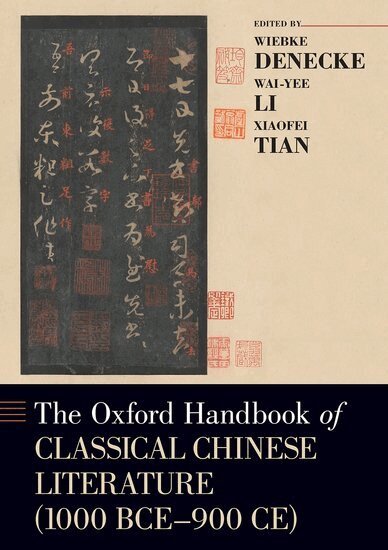
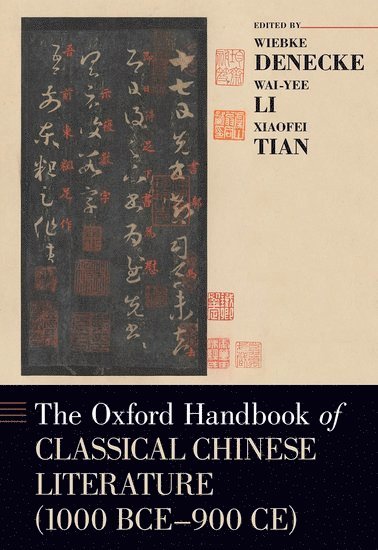
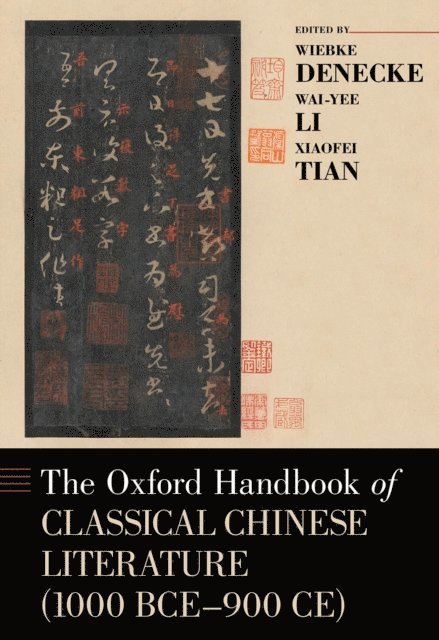
This volume introduces readers to classical Chinese literature from its beginnings (ca. 10th century BCE) to the tenth century CE. It asks basic questions such as: How did reading and writing practices change over these two millennia? How did concepts of literature evolve? What were the factors that shaped literary production and textual transmission? How do traditional bibliographic categories, modern conceptions of genre, and literary theories shape our understanding of classical Chinese literature? What are the recurrent and evolving concerns of writings within the period under purview? What are the dimensions of human experience they address? Why is classical Chinese literature important for our understanding of pre-modern East Asia? How does the transmission of this literature in Japan, Korea, and Vietnam define cultural boundaries? And what, in turn, can we learn from the Chinese-style literatures of Japan, Korea, and Vietnam, about Chinese literature? In addressing these questions, The Oxford Handbook of Classical Chinese Literature departs from standard literary histories and sourcebooks. It does not simply categorize literary works according to periods, authors, or texts. Its goal is to offer a new conceptual framework for thinking about classical Chinese literature by defining a four-part structure. The first section discusses the basics of literacy and includes topics such as writing systems, manuscript culture, education, and loss and preservation in textual transmission. It is followed by a second section devoted to conceptions of genre, textual organization, and literary signification throughout Chinese history. A third section surveys literary tropes and themes. The final section takes us beyond China to the surrounding cultures that adopted Chinese culture and produced Chinese style writing adapted to their own historical circumstances. The volume is sustained by a dual foci: the recuperation of historical perspectives for the period it surveys and the attempt to draw connections between past and present, demonstrating how the viewpoints and information in this volume yield insights into modern China and east Asia.
2 522 kr
Skickas inom 5-8 vardagar
This volume introduces readers to classical Chinese literature from its beginnings (ca. 10th century BCE) to the tenth century CE. It asks basic questions such as: How did reading and writing practices change over these two millennia? How did concepts of literature evolve? What were the factors that shaped literary production and textual transmission? How do traditional bibliographic categories, modern conceptions of genre, and literary theories shape our understanding of classical Chinese literature? What are the recurrent and evolving concerns of writings within the period under purview? What are the dimensions of human experience they address? Why is classical Chinese literature important for our understanding of pre-modern East Asia? How does the transmission of this literature in Japan, Korea, and Vietnam define cultural boundaries? And what, in turn, can we learn from the Chinese-style literatures of Japan, Korea, and Vietnam, about Chinese literature? In addressing these questions, The Oxford Handbook of Classical Chinese Literature departs from standard literary histories and sourcebooks. It does not simply categorize literary works according to periods, authors, or texts. Its goal is to offer a new conceptual framework for thinking about classical Chinese literature by defining a four-part structure. The first section discusses the basics of literacy and includes topics such as writing systems, manuscript culture, education, and loss and preservation in textual transmission. It is followed by a second section devoted to conceptions of genre, textual organization, and literary signification throughout Chinese history. A third section surveys literary tropes and themes. The final section takes us beyond China to the surrounding cultures that adopted Chinese culture and produced Chinese style writing adapted to their own historical circumstances. The volume is sustained by a dual foci: the recuperation of historical perspectives for the period it surveys and the attempt to draw connections between past and present, demonstrating how the viewpoints and information in this volume yield insights into modern China and east Asia.
1 454 kr
Skickas inom 7-10 vardagar
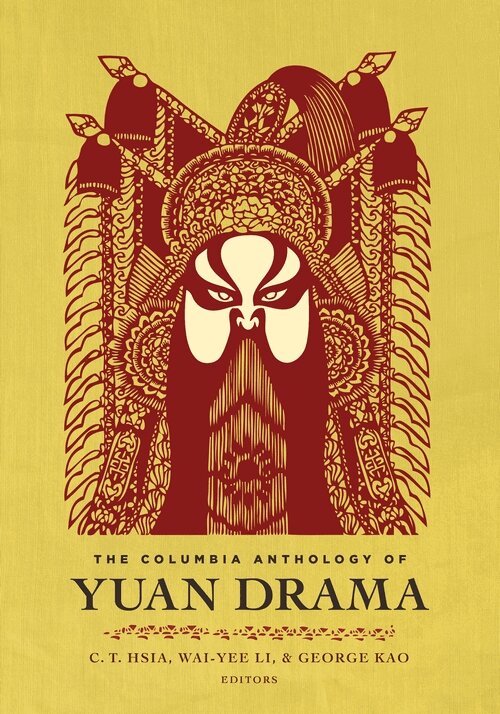
This anthology features translations of ten seminal plays written during the Yuan dynasty (1279-1368), a period considered the golden age of Chinese theater. By turns lyrical and earthy, sentimental and ironic, Yuan drama spans a broad emotional, linguistic, and stylistic range. Combining sung arias with declaimed verses and doggerels, dialogues and mime, and jokes and acrobatic feats, Yuan drama formed a vital part of China's culture of performance and entertainment in the thirteenth and fourteenth centuries. To date, few Yuan-dynasty plays have been translated into English. Well-known translators and scholars have supervised the making of this collection and add a short description to each play. A general introduction situates all selections within their cultural and historical contexts.
388 kr
Skickas inom 7-10 vardagar
This anthology features translations of ten seminal plays written during the Yuan dynasty (1279-1368), a period considered the golden age of Chinese theater. By turns lyrical and earthy, sentimental and ironic, Yuan drama spans a broad emotional, linguistic, and stylistic range. Combining sung arias with declaimed verses and doggerels, dialogues and mime, and jokes and acrobatic feats, Yuan drama formed a vital part of China's culture of performance and entertainment in the thirteenth and fourteenth centuries. To date, few Yuan-dynasty plays have been translated into English. Well-known translators and scholars have supervised the making of this collection and add a short description to each play. A general introduction situates all selections within their cultural and historical contexts.
Promise and Peril of Things
Literature and Material Culture in Late Imperial China
Inbunden, Engelska, 2022
1 076 kr
Skickas inom 7-10 vardagar
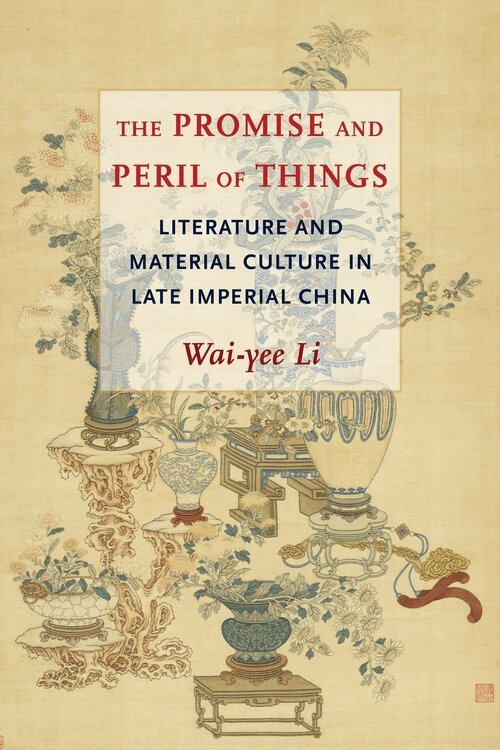
Winner, 2023 Choice Outstanding Academic TitleOur relationship with things abounds with paradoxes. People assign value to objects in ways that are often deeply personal or idiosyncratic yet at the same time rooted in specific cultural and historical contexts. How do things become meaningful? How do our connections with the world of things define us? In Ming and Qing China, inquiry into things and their contradictions flourished, and its depth and complexity belie the notion that material culture simply reflects status anxiety or class conflict.Wai-yee Li traces notions of the pleasures and dangers of things in the literature and thought of late imperial China. She explores how aesthetic claims and political power intersect, probes the objective and subjective dimensions of value, and questions what determines authenticity and aesthetic appeal. Li considers core oppositions—people and things, elegance and vulgarity, real and fake, lost and found—to tease out the ambiguities of material culture. With examples spanning the late sixteenth to the mid-eighteenth centuries, she shows how relations with things can both encode and resist social change, political crisis, and personal loss.The Promise and Peril of Things reconsiders major works such as The Plum in the Golden Vase, The Story of the Stone, Li Yu’s writings, and Wu Weiye’s poetry and drama, as well as a host of less familiar texts. It offers new insights into Ming and Qing literary and aesthetic sensibilities, as well as the intersections of material culture with literature, intellectual history, and art history.
Promise and Peril of Things
Literature and Material Culture in Late Imperial China
Häftad, Engelska, 2022
274 kr
Skickas inom 7-10 vardagar
Winner, 2023 Choice Outstanding Academic TitleOur relationship with things abounds with paradoxes. People assign value to objects in ways that are often deeply personal or idiosyncratic yet at the same time rooted in specific cultural and historical contexts. How do things become meaningful? How do our connections with the world of things define us? In Ming and Qing China, inquiry into things and their contradictions flourished, and its depth and complexity belie the notion that material culture simply reflects status anxiety or class conflict.Wai-yee Li traces notions of the pleasures and dangers of things in the literature and thought of late imperial China. She explores how aesthetic claims and political power intersect, probes the objective and subjective dimensions of value, and questions what determines authenticity and aesthetic appeal. Li considers core oppositions—people and things, elegance and vulgarity, real and fake, lost and found—to tease out the ambiguities of material culture. With examples spanning the late sixteenth to the mid-eighteenth centuries, she shows how relations with things can both encode and resist social change, political crisis, and personal loss.The Promise and Peril of Things reconsiders major works such as The Plum in the Golden Vase, The Story of the Stone, Li Yu’s writings, and Wu Weiye’s poetry and drama, as well as a host of less familiar texts. It offers new insights into Ming and Qing literary and aesthetic sensibilities, as well as the intersections of material culture with literature, intellectual history, and art history.
1 634 kr
Skickas inom 7-10 vardagar
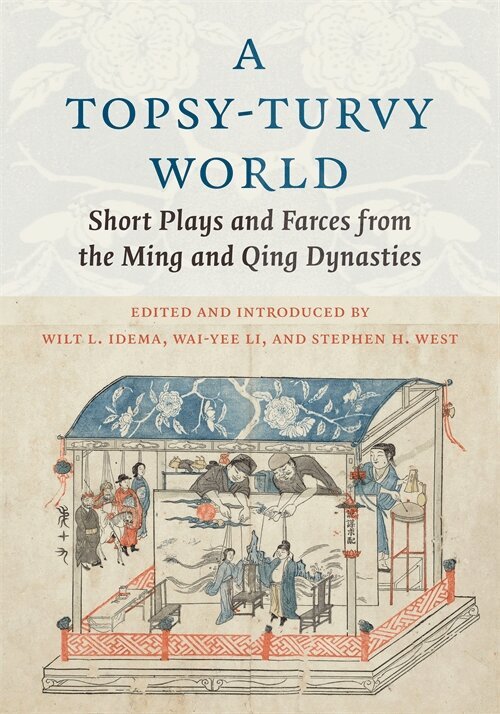
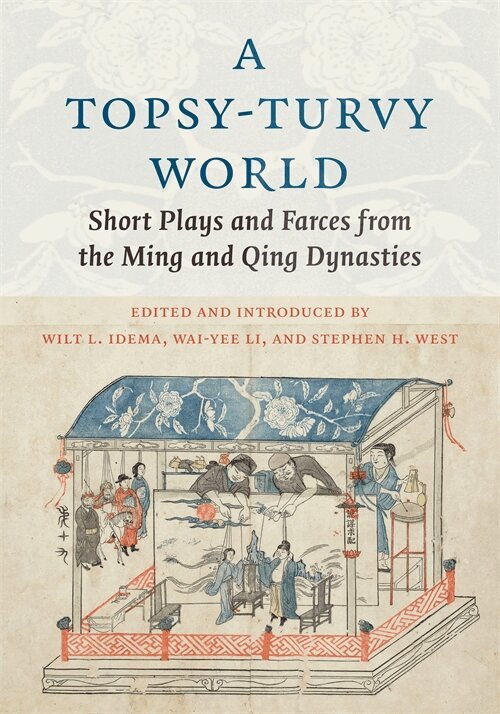
Playwriting in many forms flourished during the late Ming and early Qing dynasties. Shorter theatrical genres in particular offered playwrights opportunities for experimentation with both dramatic form and social critique. Despite their originality and wit, these short plays have been overshadowed by the lengthy masterpieces of the southern drama tradition.A Topsy-Turvy World presents English translations of shorter sixteenth-to-eighteenth-century plays, spotlighting a lesser-known side of Chinese drama. Satirical and often earthy, these mostly one-act plays depict deceit, dissembling, reversed gender roles, and sudden upending of fortunes. With zest and humor, they portray henpecked husbands, supercilious and lustful monks, all-too-human sage kings, disgruntled officials, and overreaching young scholars. These plays provide a glimpse of Chinese daily life and mores even as they question or subvert the boundaries of social, moral, and political order.Each translation is preceded by a short introduction that describes the play’s author, context, formal qualities, and textual history. A Topsy-Turvy World offers a new view of a significant period in the development of the Chinese theatrical tradition and provides insight into the role of drama as cultural critique.
415 kr
Skickas inom 7-10 vardagar
Playwriting in many forms flourished during the late Ming and early Qing dynasties. Shorter theatrical genres in particular offered playwrights opportunities for experimentation with both dramatic form and social critique. Despite their originality and wit, these short plays have been overshadowed by the lengthy masterpieces of the southern drama tradition.A Topsy-Turvy World presents English translations of shorter sixteenth-to-eighteenth-century plays, spotlighting a lesser-known side of Chinese drama. Satirical and often earthy, these mostly one-act plays depict deceit, dissembling, reversed gender roles, and sudden upending of fortunes. With zest and humor, they portray henpecked husbands, supercilious and lustful monks, all-too-human sage kings, disgruntled officials, and overreaching young scholars. These plays provide a glimpse of Chinese daily life and mores even as they question or subvert the boundaries of social, moral, and political order.Each translation is preceded by a short introduction that describes the play’s author, context, formal qualities, and textual history. A Topsy-Turvy World offers a new view of a significant period in the development of the Chinese theatrical tradition and provides insight into the role of drama as cultural critique.
1 107 kr
Skickas inom 7-10 vardagar
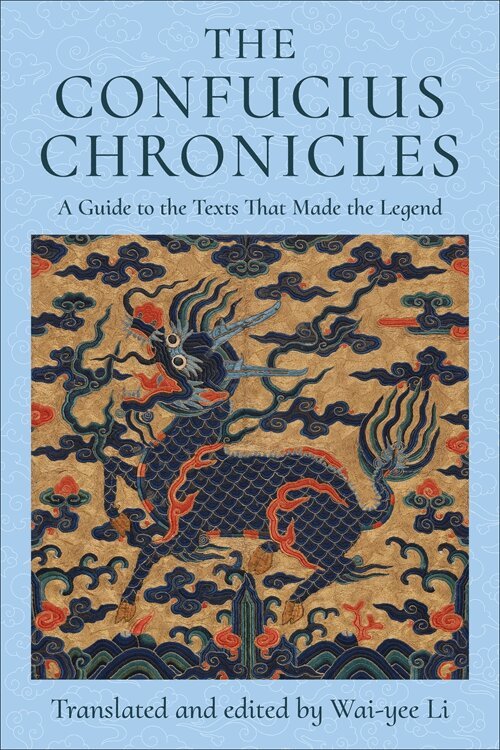
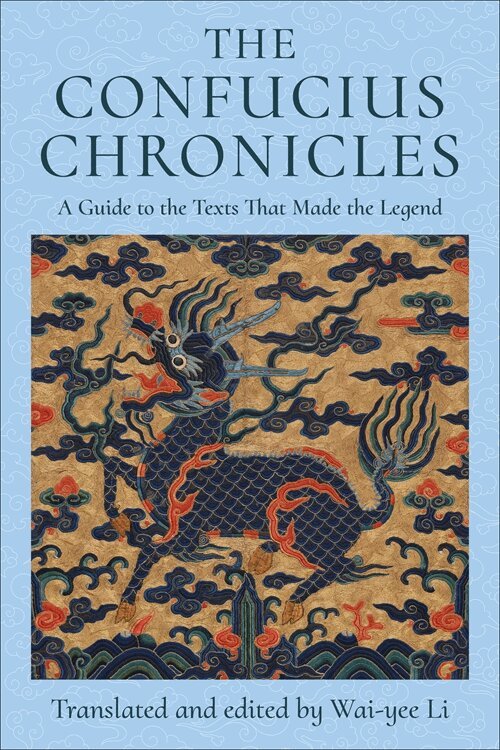
Our ideas about Confucius come from the stories told about him. He often appears as the great sage of ancient China, handing down timeless moral precepts to his disciples and to posterity. Yet over the course of twenty-five centuries, Confucius has meant many different things to different people, representing varied views on political order, ethical behavior, and personal well-being.This book explores enduring narratives about Confucius, shedding light on his role as a symbol of cultural ideals and a fulcrum of ideological debates across eras. Wai-yee Li translates and provides commentary on a wide range of key texts, examining how Confucius’s legacy was interpreted in different historical moments. Beginning with the canonical account by the historian Sima Qian, she canvasses Daoist and Legalist writings from the Warring States, a ballad about a homicidal Confucius from the Tang dynasty, an eighteenth-century anthology of jokes, modern writers such as Lu Xun, and contemporary rap music, among others. Focusing on how these stories are told, Li identifies continuities, ruptures, and unexpected connections in the representations of Confucius and considers the questions they raise. Suitable for a range of courses, this book offers new ways to understand Chinese cultural and intellectual history through Confucius and his transformations.
282 kr
Skickas inom 7-10 vardagar
Our ideas about Confucius come from the stories told about him. He often appears as the great sage of ancient China, handing down timeless moral precepts to his disciples and to posterity. Yet over the course of twenty-five centuries, Confucius has meant many different things to different people, representing varied views on political order, ethical behavior, and personal well-being.This book explores enduring narratives about Confucius, shedding light on his role as a symbol of cultural ideals and a fulcrum of ideological debates across eras. Wai-yee Li translates and provides commentary on a wide range of key texts, examining how Confucius’s legacy was interpreted in different historical moments. Beginning with the canonical account by the historian Sima Qian, she canvasses Daoist and Legalist writings from the Warring States, a ballad about a homicidal Confucius from the Tang dynasty, an eighteenth-century anthology of jokes, modern writers such as Lu Xun, and contemporary rap music, among others. Focusing on how these stories are told, Li identifies continuities, ruptures, and unexpected connections in the representations of Confucius and considers the questions they raise. Suitable for a range of courses, this book offers new ways to understand Chinese cultural and intellectual history through Confucius and his transformations.
823 kr
Skickas inom 7-10 vardagar
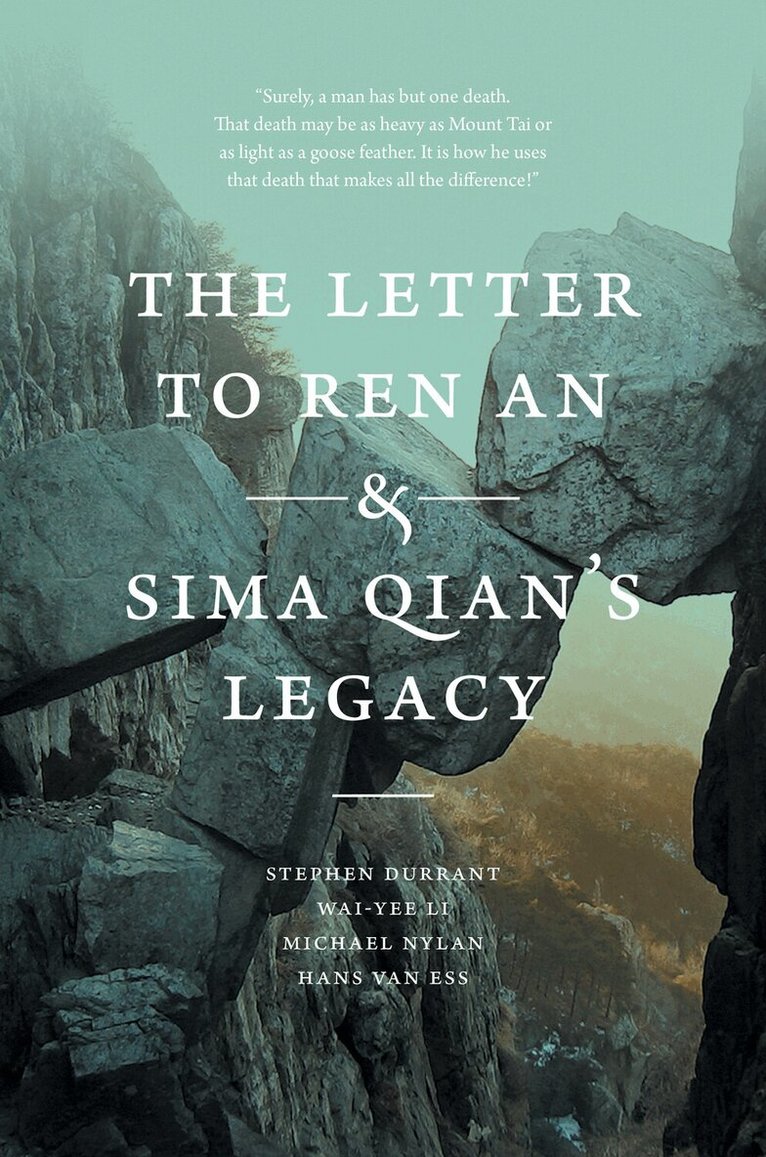
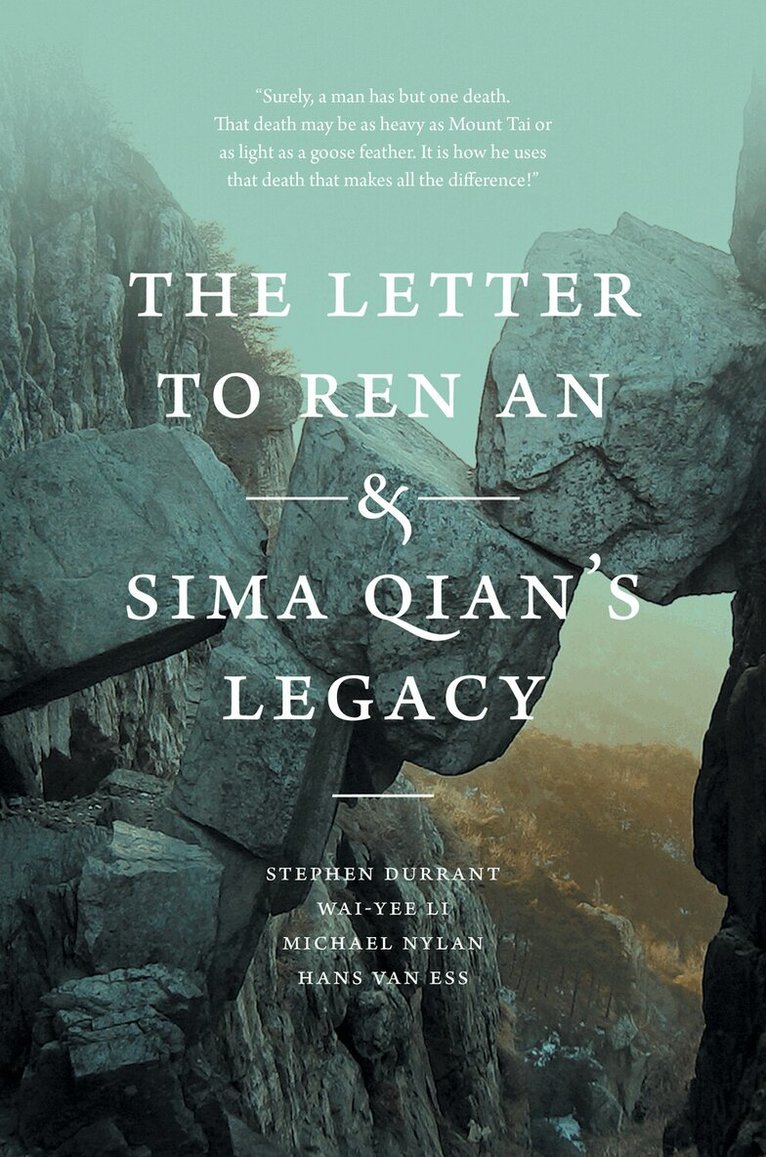
Sima Qian (first century BCE), the author of Record of the Historian (Shiji), is China’s earliest and best-known historian, and his “Letter to Ren An” is the most famous letter in Chinese history. In the letter, Sima Qian explains his decision to finish his life’s work, the first comprehensive history of China, instead of honorably committing suicide following his castration for “deceiving the emperor.” In the twentieth and twenty-first centuries, some scholars have queried the authenticity of the letter. Is it a genuine piece of writing by Sima Qian or an early work of literary impersonation? The Letter to Ren An and Sima Qian’s Legacy provides a full translation of the letter and uses different methods to explore issues in textual history. It also shows how ideas about friendship, loyalty, factionalism, and authorship encoded in the letter have far-reaching implications for the study of China.
Del 250 - Harvard East Asian Monographs
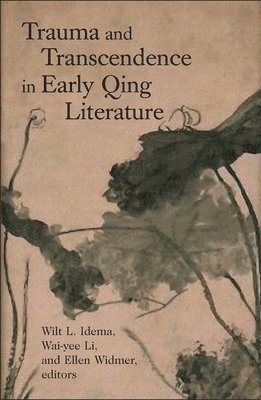
Trauma and Transcendence in Early Qing Literature
Inbunden, Engelska, 2006
550 kr
Skickas inom 7-10 vardagar
The collapse of the Ming dynasty and the Manchu conquest of China were traumatic experiences for Chinese intellectuals, not only because of the many decades of destructive warfare but also because of the adjustments necessary to life under a foreign regime. History became a defining subject in their writings, and it went on shaping literary production in succeeding generations as the Ming continued to be remembered, re-imagined, and refigured on new terms.The twelve chapters in this volume and the introductory essays on early Qing poetry, prose, and drama understand the writings of this era wholly or in part as attempts to recover from or transcend the trauma of the transition years. By the end of the seventeenth century, the sense of trauma had diminished, and a mood of accommodation had taken hold. Varying shades of lament or reconciliation, critical or nostalgic retrospection on the Ming, and rejection or acceptance of the new order distinguish the many voices in these writings.
Del 253 - Harvard East Asian Monographs
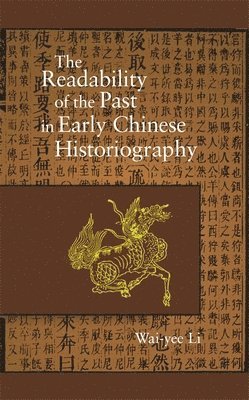
Readability of the Past in Early Chinese Historiography
Inbunden, Engelska, 2008
408 kr
Skickas inom 7-10 vardagar
The past becomes readable when we can tell stories and make arguments about it. When we can tell more than one story or make divergent arguments, the readability of the past then becomes an issue. Therein lies the beginning of history, the sense of inquiry that heightens our awareness of interpretation. How do interpretive structures develop and disintegrate? What are the possibilities and limits of historical knowledge? This book explores these issues through a study of the Zuozhuan, a foundational text in the Chinese tradition, whose rhetorical and analytical self-consciousness reveals much about the contending ways of thought unfolding during the period of the text's formation (ca. 4th c. BCE). But in what sense is this vast collection of narratives and speeches covering the period from 722 to 468 BCE "historical"? If one can speak of an emergent sense of history in this text, Wai-yee Li argues, it lies precisely at the intersection of varying conceptions of interpretation and rhetoric brought to bear on the past, within a larger context of competing solutions to the instability and disintegration represented through the events of the 255 years covered by the Zuozhuan. Even as its accounts of proliferating disorder and disintegration challenge the boundaries of readability, the deliberations on the rules of reading in the Zuozhuan probe the dimensions of historical self-consciousness.
Del 92 - Harvard-Yenching Institute Monograph Series
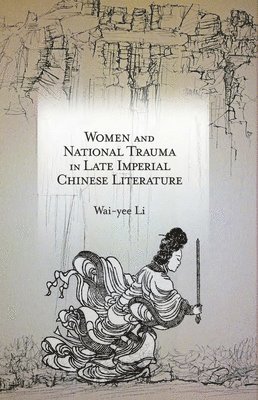
Women and National Trauma in Late Imperial Chinese Literature
Inbunden, Engelska, 2014
640 kr
Skickas inom 7-10 vardagar
The Ming–Qing dynastic transition in seventeenth-century China was an epochal event that reverberated in Qing writings and beyond; political disorder was bound up with vibrant literary and cultural production. Women and National Trauma in Late Imperial Chinese Literature focuses on the discursive and imaginative space commanded by women. Encompassing writings by women and by men writing in a feminine voice or assuming a female identity, as well as writings that turn women into a signifier through which authors convey their lamentation, nostalgia, or moral questions for the fallen Ming, the book delves into the mentality of those who remembered or reflected on the dynastic transition, as well as those who reinvented its significance in later periods. It shows how history and literature intersect, how conceptions of gender mediate the experience and expression of political disorder.Why and how are variations on themes related to gender boundaries, female virtues, vices, agency, and ethical dilemmas used to allegorize national destiny? In pursuing answers to these questions, Wai-yee Li explores how this multivalent presence of women in different genres provides a window into the emotional and psychological turmoil of the Ming–Qing transition and of subsequent moments of national trauma.
487 kr
Skickas inom 7-10 vardagar
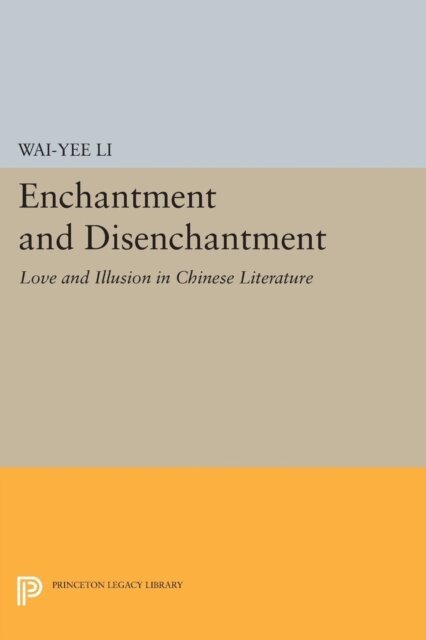
In a famous episode of the eighteenth-century masterpiece The Dream of the Red Chamber, the goddess Disenchantment introduces the hero, Pao-yu, to the splendors and dangers of the Illusory Realm of Great Void. The goddess, one of the divine women in Chinese literature who inspire contradictory impulses of attachment and detachment, tells Pao-yu that the purpose of his dream visit is "disenchantment through enchantment," or "enlightenment through love." Examining a range of genres from different periods, Wai-yee Li reveals the persistence of the dialectic embodied by the goddess: while illusion originates in love and desire, it is only through love and desire that illusion can be transcended. Li begins by defining the context of these issues through the study of an entire poetic tradition, placing special emphasis on the role of language and of the feminine element. Then, focusing on the "dream plays" by T'ang Hsien-tsu, she turns to the late Ming, an age which discovers radical subjectivity, and goes on to explore a seventeenth-century collection of classical tales, Records of the Strange from the Liao-chai Studio by P'u Sung-ling.The latter half of the book is devoted to a thorough analysis of The Dream of the Red Chamber, the most profound treatment of the dialectic of enchantment and disenchantment, love and enlightenment, illusion and reality. Originally published in 1993. The Princeton Legacy Library uses the latest print-on-demand technology to again make available previously out-of-print books from the distinguished backlist of Princeton University Press. These editions preserve the original texts of these important books while presenting them in durable paperback and hardcover editions. The goal of the Princeton Legacy Library is to vastly increase access to the rich scholarly heritage found in the thousands of books published by Princeton University Press since its founding in 1905.
2 281 kr
Skickas inom 3-6 vardagar
In a famous episode of the eighteenth-century masterpiece The Dream of the Red Chamber, the goddess Disenchantment introduces the hero, Pao-yu, to the splendors and dangers of the Illusory Realm of Great Void. The goddess, one of the divine women in Chinese literature who inspire contradictory impulses of attachment and detachment, tells Pao-yu that the purpose of his dream visit is "disenchantment through enchantment," or "enlightenment through love." Examining a range of genres from different periods, Wai-yee Li reveals the persistence of the dialectic embodied by the goddess: while illusion originates in love and desire, it is only through love and desire that illusion can be transcended. Li begins by defining the context of these issues through the study of an entire poetic tradition, placing special emphasis on the role of language and of the feminine element. Then, focusing on the "dream plays" by T'ang Hsien-tsu, she turns to the late Ming, an age which discovers radical subjectivity, and goes on to explore a seventeenth-century collection of classical tales, Records of the Strange from the Liao-chai Studio by P'u Sung-ling.The latter half of the book is devoted to a thorough analysis of The Dream of the Red Chamber, the most profound treatment of the dialectic of enchantment and disenchantment, love and enlightenment, illusion and reality. Originally published in 1993. The Princeton Legacy Library uses the latest print-on-demand technology to again make available previously out-of-print books from the distinguished backlist of Princeton University Press. These editions preserve the original texts of these important books while presenting them in durable paperback and hardcover editions. The goal of the Princeton Legacy Library is to vastly increase access to the rich scholarly heritage found in the thousands of books published by Princeton University Press since its founding in 1905.
642 kr
Skickas inom 7-10 vardagar
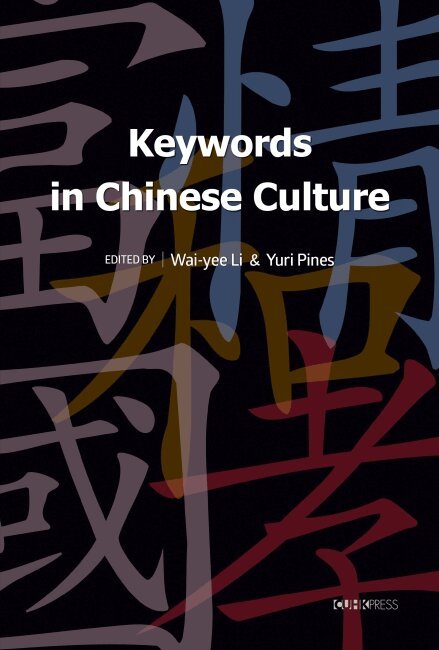
What elevates a mere word to the status of keyword? What does it mean to translate a keyword and map its meaning against other languages?Like every major culture, Chinese has its set of “keywords”: pivotal terms of political, ethical, literary and philosophical discourse. Tracing the origins, development, polysemy, and usages of keywords is one of the best ways to chart cultural and historical changes. This volume analyzes some of these keywords from different disciplinary and temporal perspectives, offering a new integrative study of their semantic richness, development trajectory, and distinct usages in Chinese culture.The authors of the volume explore different keywords and focus on different periods and genres, ranging from philosophical and historical texts of the Warring States period (453–221 BCE) to late imperial (ca. 16th–18th centuries CE) literature and philosophy. They are guided by a similar set of questions: What elevates a mere word to the status of “keyword”? What sort of resonance and reverberations do we expect a keyword to have? How much does the semantic range of a keyword explain its significance? What 2 kinds of arguments does it generate? What are the stories told to illustrate its meanings? What are the political and intellectual implications of the keyword’s reevaluation? What does it mean to translate a keyword and map its meaning against other languages?Throughout Chinese history, new ideas and new approaches often mean reinterpreting important words; rupture, continuities, and inflection points are inseparable from the linguistic history of specific terms. The premise of this book is that taking the long view and encompassing different disciplines yield new insights and unexpected connections.