Robert Turner – illustratör
Upptäck titlar med illustrationer av Robert Turner.
5 produkter
5 produkter
618 kr
Skickas inom 5-8 vardagar
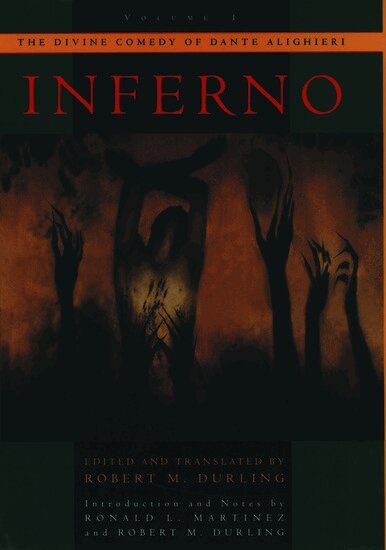
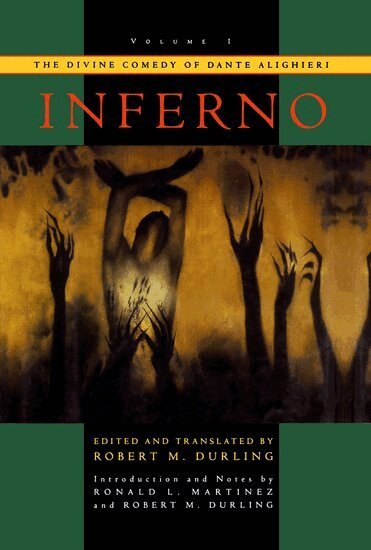
This is a new prose translation of Dante's epic. A newly edited version of the Italian text will be on facing pages. This edition includes fully comprehensive notes with the latest in contemporary scholarship as well as 16 short essays on special subjects at the end of the book.
558 kr
Skickas inom 5-8 vardagar
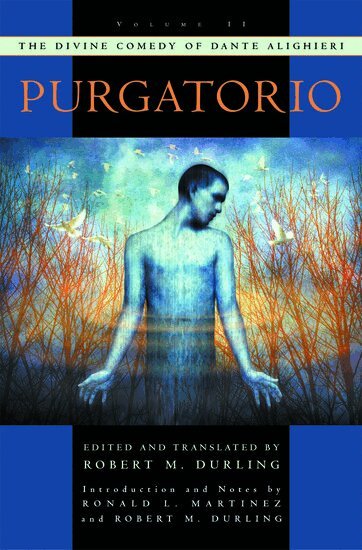
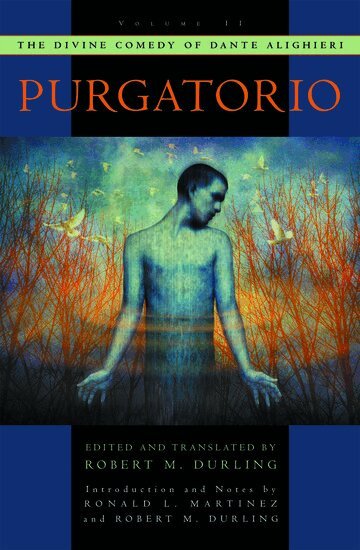
In the early 1300s, Dante Alighieri set out to write the three volumes which make the up The Divine Comedy. Purgatorio is the second volume in this set and opens with Dante the poet picturing Dante the pilgrim coming out of the pit of hell. Similar to the Inferno (34 cantos), this volume is divided into 33 cantos, written in tercets (groups of 3 lines). The English prose is arranged in tercets to facilitate easy correspondence to the verse form of the Italian on the facing page, enabling the reader to follow both languages line by line. In an effort to capture the peculiarities of Dante's original language, this translation strives toward the literal and sheds new light on the shape of the poem. Again the text of Purgatorio follows Petrocchi's La Commedia secondo l'antica vulgata, but the editor has departed from Petrocchi's readings in a number of cases, somewhat larger than in the previous Inferno, not without consideration of recent critical readings of the Comedy by scholars such as Lanza (1995, 1997) and Sanguineti (2001). As before, Petrocchi's punctuation has been lightened and American norms have been followed. However, without any pretensions to being "critical", the text presented here is electic and being not persuaded of the exclusive authority of any manuscript, the editor has felt free to adopt readings from various branches of the stemma. One major addition to this second volume is in the notes, where is found the Intercantica - a section for each canto that discusses its relation to the Inferno and which will make it easier for the reader to relate the different parts of the Comedy as a whole.
768 kr
Skickas inom 5-8 vardagar
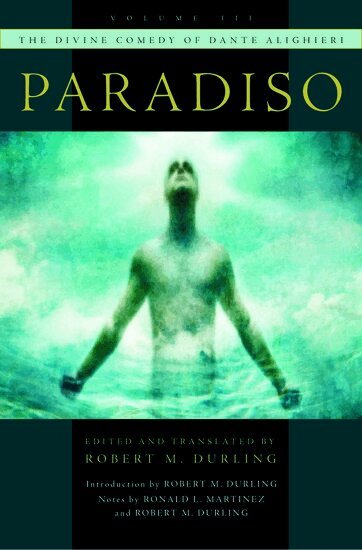
Robert Durling's much-anticipated translation of the Paradiso, the third and final volume of Dante's Divine Comedy, is available at last. Durling's prose translations of the Inferno and the Purgatorio garnered high praise, and with this superb version of the Paradiso readers can now traverse the entirety of Dante's epic poem of spiritual ascent with the guidance of one of the greatest living Italian-to-English translators. Reunited with his beloved Beatrice in the Paradiso, the poet-narrator journeys through the heavenly spheres and comes to know "the state of blessed souls after death," the joy that every man can attain with God's grace. As with the previous volumes, the original Italian and its English translation appear on facing pages for language mavens. But every reader will be drawn to Durling's precise and vivid prose, which is perfectly suited to capture Dante's extraordinary range of expression--from the high style of divine revelation to colloquial speech, lyrical interludes, and scornful diatribes against corrupt monks. This edition boasts several unique features to aid readers. The notes by Durling and Ronald Martinez at the end of each canto not only illuminate the Paradiso, but stress the links among all three volumes of the Commedia, something seldom done in other editions. It also includes several drawings that illustrate Dante's medieval cosmology and a map of the poet's journey through Paradise. Durling's lucid, stage-setting introduction explores the Paradiso's unsurpassed imaginative richness and provides historical, political, biblical, and theological contexts that further enhance the reader's comprehension of the poem's major themes. Finally, the volume includes a unique set of indexes, including Proper Names in the Notes (with rich subheadings concerning themes and rhetorical devices), Passages Cited in the Notes, Words Discussed in the Notes, as well as the customary Index of Proper Names in the Text and Translation.No reader will be disappointed by this reader-friendly, lovingly rendered new edition, a fitting capstone to Durling's remarkable achievement.
178 kr
Skickas
This is the first volume of a new prose translation of Dante's epic - the first in twenty-five years. Robert Durling's translation brings a new power and accuracy to the rendering of Dante's extraordinary vision of Hell, with its terror, pathos, and sardonic humour, and its penetrating analyses of the psychology of sin and the ills that plague society.A newly edited version of the Italian text can be on facing pages, and this edition includes fully comprehensive notes as well as sixteen essays on special subjects.
248 kr
Skickas inom 5-8 vardagar
The second volume of Oxford's new Divine Comedy presents the Italian text of the Purgatorio and, on facing pages, a new prose translation. Continuing the story of the poet's journey through the medieval Other World under the guidance of the Roman poet Virgil, the Purgatorio culminates in the regaining of the Garden of Eden and the reunion there with the poet's long-lost love Beatrice. This new edition of the Italian text takes recent critical editions into account, and Durling's prose translation, like that of the Inferno, is unprecedented in its accuracy, eloquence, and closeness to Dante's syntax.Martinez' and Durling's notes are designed for the first-time reader of the poem but include a wealth of new material unavailable elsewhere. The extensive notes on each canto include innovative sections sketching the close relation to passages--often similarly numbered cantos--in the Inferno. Fifteen short essays explore special topics and controversial issues, including Dante's debts to Virgil and Ovid, his radical political views, his original conceptions of homosexuality, of moral growth, and of eschatology. As in the Inferno, there is an extensive bibliography and four useful indexes.Robert Turner's illustrations include maps, diagrams of Purgatory and the cosmos, and line drawings of objects and places mentioned in the poem.