1 127 kr
Beställningsvara. Skickas inom 7-10 vardagar. Fri frakt över 249 kr.
Beskrivning
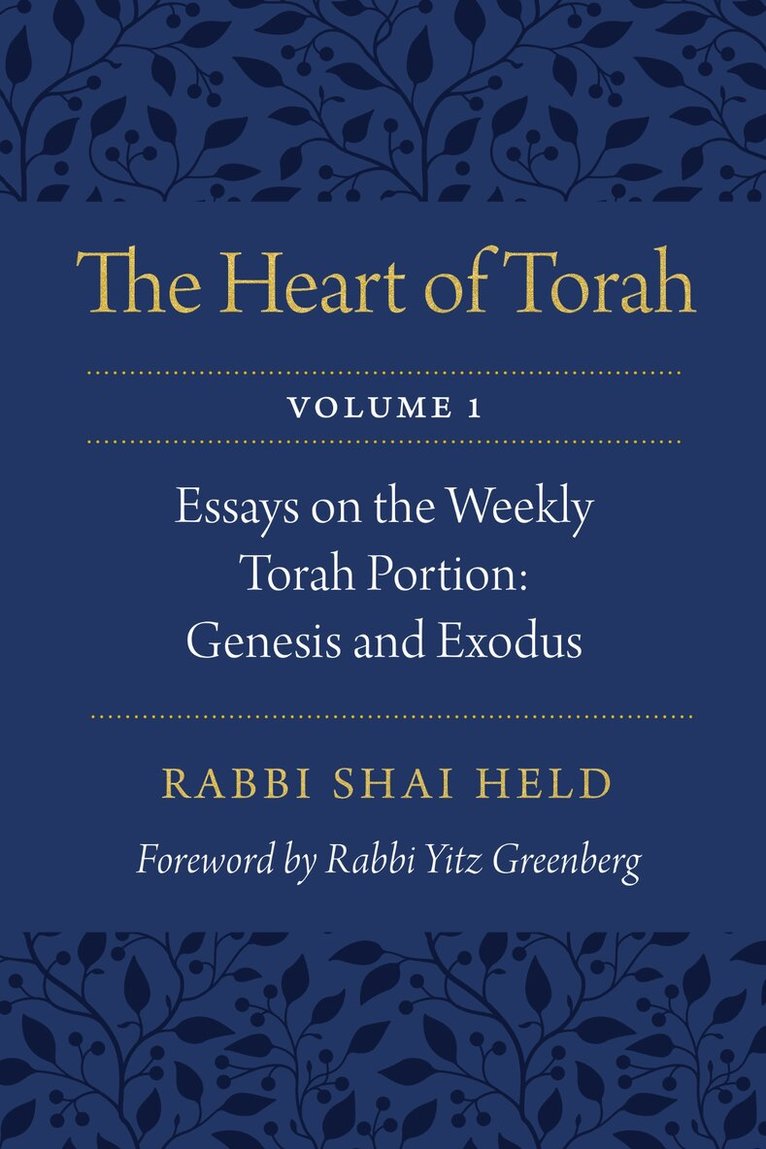
Produktinformation
- Utgivningsdatum:2017-09-01
- Höjd:152 x 229 x 64 mm
- Vikt:1 488 g
- Språk:Engelska
- Antal sidor:928
- Förlag:Jewish Publication Society
- Medarbetare:Irving(Yitz) Greenberg
- EAN:9780827613058
Utforska kategorier
Mer om författaren
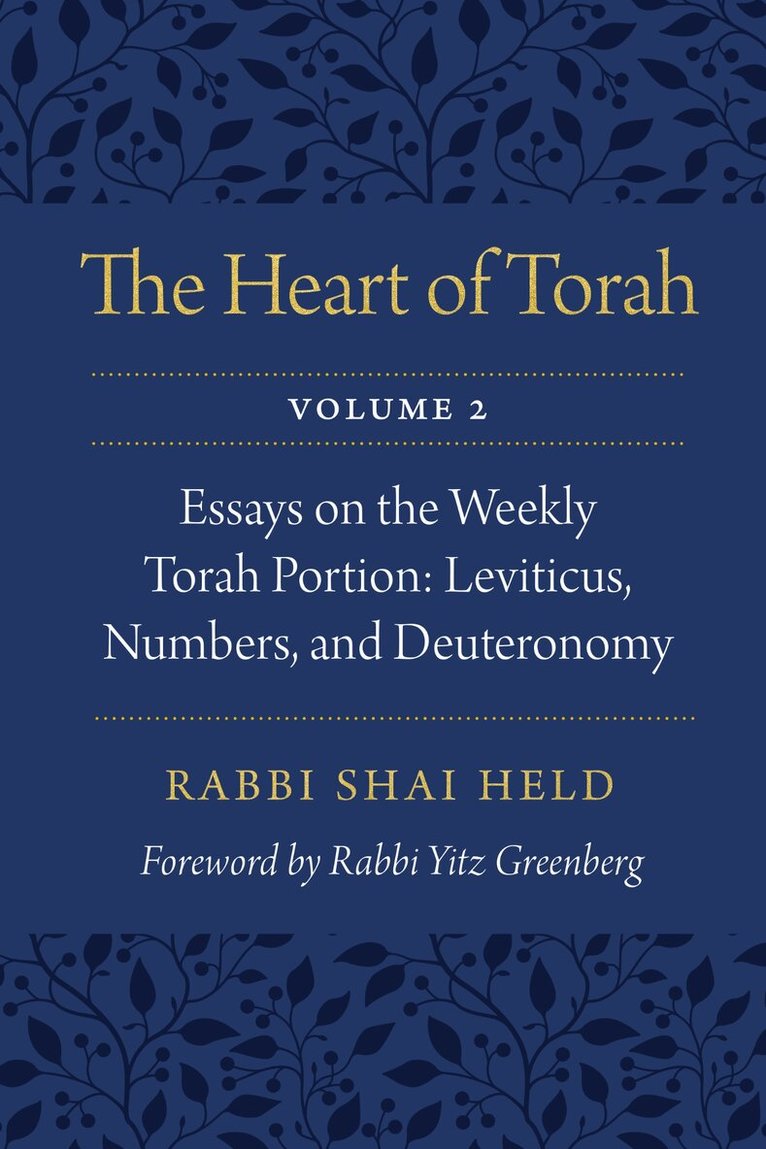
Rabbi Shai Held is president, dean, and chair in Jewish Thought at Mechon Hadar and directs its Center for Jewish Leadership and Ideas in New York City. He is the author of Abraham Joshua Heschel: The Call of Transcendence and a recipient of the Covenant Award for excellence in Jewish education. Rabbi Yitz Greenberg is one of the preeminent Jewish thinkers of our time.
Recensioner i media
“The Heart of Torah is a stunning achievement: textually learned, theologically profound, ethically challenging, spiritually uplifting, and psychologically astute. If you want to know what it can mean to read the Torah today with your whole heart and your whole mind, read this book. And then when you’re done, read it again.”-Rabbi Sharon Brous, founder and senior rabbi at Ikar, Los Angeles “Shai Held deftly brings the wisdom of Torah to bear upon the contemporary human condition. Christians who read this book can discover fresh dimensions within the biblical text, see more clearly where there is common ground between Jews and Christians, and better grasp what it means to understand and live in this world as God’s world.”-Walter Moberly, professor of theology and biblical interpretation at Durham University “Shai Held is one of the most important teachers of Torah in his generation.”-Rabbi David Wolpe, author of David: The Divided Heart “Shai Held is an extraordinary figure in the world of Torah. Combining deep knowledge of classical Judaica, wide and insightful reading from the religiously diverse world of biblical and theological scholarship, and a keen sense of the human heart, he has produced a set of essays that people from a wide range of affiliations will find well worth reading and pondering.”-Jon D. Levenson, Albert A. List Professor of Jewish Studies at Harvard Divinity School and author of the National Jewish Book Award–winner Resurrection and the Restoration of Israel: The Ultimate Victory of the God of Life “Whatever your level of Torah proficiency or your religious outlook, The Heart of Torah will make you think, ask questions, revisit familiar understandings, and gain a new appreciation for the ability of our written and oral tradition to surprise, elevate, and challenge us all. Rabbi Held consistently sheds new light on seemingly familiar texts-his interpretation of ‘an eye for an eye’ is alone worth the price of the volumes-and insistently prods us to become better Jews and better human beings. If you want solid scholarship, you will find it here; if you want religious inspiration, you will find it here, too. That all-too-rare combination makes The Heart of Torah precious indeed.”-Rabbi Asher Lopatin, president of Yeshivat Chovevei Torah Rabbinical School “The greatest Jewish books arise from authors who combine deep learning in traditional sources with a keen awareness of the intellectual, moral, and spiritual currents of their time and place. Such is Rabbi Shai Held’s breathtaking new commentary on the Torah. Expertly weaving together a tapestry of core stories from the Hebrew Bible with their interpretive trajectories over the ages, he has created a masterful compendium brimming with immediate relevance to the contemporary reader. Wherever you place yourself on the Jewish spectrum-or beyond-you will rise from reading this extraordinary work renewed, challenged, and deepened.”-Rabbi Aaron Panken, president of Hebrew Union College-Jewish Institute of Religion
Innehållsförteckning
- VOLUME 1ForewordAcknowledgmentsA Note on TranslationsIntroductionGenesisBere’shit No. 1. What Can Human Beings Do, and What Can’t They? Or, Does the Torah Believe in Progress?Bere’shit No. 2. Created in God’s Image: Ruling for GodNoaḥ No. 1. Before and After the Flood: Or, It All Depends on How You LookNoaḥ No. 2. People Have Names: The Torah’s Takedown of TotalitarianismLekh Lekha No. 1. Are Jews Always the Victims?Lekh Lekha No. 2. Between Abram and Lot: Wealth and Family StrifeVa-yera’ No. 1. The Face of Guests as the Face of God: Abraham’s Radical and Traditional TheologyVa-yera’ No. 2. In Praise of Protest: Or, Who’s Teaching Whom?Ḥayyei Sarah No. 1. Isaac’s Search: On the Akedah and Its AftermathḤayyei Sarah No. 2. People are Complicated: Or, Sensitivity Is a Dangerous ThingToledot No. 1. In Praise of Isaac: The Bible’s Paragon of Marital EmpathyToledot No. 2. Between God and Torah: Judaism’s GambleVa-yetse’ No. 1. Can We Be Grateful and Disappointed at the Same Time? Or, What Leah LearnedVa-yetse’ No. 2. No Excuses: Jacob’s Sin and Its ConsequencesVa-yishlaḥ No. 1. The Fear of Killing: Jacob’s Ethical LegacyVa-yishlaḥ No. 2. The Power of Compassion: Or, Why Rachel’s Cries Pierce the HeavensVa-yeshev No. 1. Against Half-HeartednessVa-yeshev No. 2. Election and Service: What Joseph LearnedMikkets No. 1. His Brother’s Brother: Judah’s JourneyMikkets No. 2. Reuben’s Recklessness: What Disqualifies a Leader?Va-yiggash No. 1. Humiliation: Judaism’s Fourth Cardinal Sin?Va-yiggash No. 2. Saving and Enslaving: The Complexity of JosephVa-yeḥi No. 1. The Majesty of Restraint: Or, Joseph’s Shining MomentVa-yeḥi No. 2. Underreacting and Overreacting: Dinah’s Family in CrisisExodusShemot No. 1. Why Moses? Or, What Makes a Leader?Shemot No. 2. Gratitude and LiberationVa-’era’ No. 1. The Journey and the (Elusive) DestinationVa-’era’ No. 2. Cultivating Freedom: When is Character (Not) Destiny?Bo’ No. 1. Pharaoh: Consumed By the Chaos He SowsBo’ No. 2. Receiving Gifts (and Learning to Love?): The “Stripping” of the EgyptiansBe-shallaḥ No. 1. Leaving Slavery Behind: On Taking the First StepBe-shallaḥ No. 2. Bread From the Sky: Learning to TrustYitro No. 1. Does Everyone Hate the Jews? And, Is There Wisdom Outside of Torah?Yitro No. 2. Honoring Parents: (Sometimes) the Hardest Mitzvah of AllMishpatim No. 1. Turning Memory Into Empathy: The Torah’s Ethical ChargeMishpatim No. 2. Hearing the Cries of the Defenseless: Or, We Are All ResponsibleTerumah No. 1. Being Present While Making Space: Or, Two Meanings of TzimtzumTerumah No. 2. Returning to Eden? An Island of Wholeness in a Fractured WorldTetsavveh No. 1. God in the Mishkan: Present But Not DomesticatedTetsavveh No. 2. Between Ecstasy and Constancy: The Dynamics of Covenantal CommitmentKi Tissa’ No. 1. The Importance of Character: Or, Why Stubbornness Is Worse Than IdolatryKi Tissa’ No. 2. God’s Expansive Mercy: Moses’s Praise and Jonah’s FuryVa-yak’hel No. 1. Whom Do We Serve? The Exodus toward Dignified WorkVa-yak’hel No. 2, Pekudei No. 1. (A) Building with HeartPekudei No. 2. Building a Home for GodNotes on GenesisNotes on ExodusA Note on Bible CommentariesBibliographySubject IndexClassical Sources Index VOLUME 2ForewordAcknowledgmentsA Note on TranslationsIntroductionLeviticusVa-yikra’ No. 1. Order Amid Chaos: Connecting to LeviticusVa-yikra’ No. 2. The Fall and Rise of Great Leaders: Or, What Kind of Leaders Do We Need?Tsav No. 1. No Leftovers: The Meaning of the Thanksgiving OfferingTsav No. 2. Buying God Off: Jeremiah and the Problem of Religious HypocrisyShemini No. 1. Is Vegetarianism a Biblical Ideal?Shemini No. 2. Of Grief Public and Private: Moses and Aaron Face the UnimaginableTazria’ No. 1. Living on the Boundary: The Complexity and Anxiety of ChildbirthTazria’ No. 2, Metsora’ No. 1. Struggling with Stigma: Making Sense of the MetzoraMetsora’ No. 2. Life-Giving, Death-Dealing Words‘Aḥarei Mot No. 1. Yom Kippur: Purifying the Tabernacle and Ourselves‘Aḥarei Mot No. 2, Kedoshim No. 1. The Holiness of Israel and the Dignity of the DisabledKedoshim No. 2. Loving Our Neighbor: A Call to Emotion and Action‘Emor No. 1. Covenantal Joy: What Sukkot Can Teach Us‘Emor No. 2. Between Grief and Anticipation: Counting the OmerBe-har No. 1. Another World to Live In: The Meaning of ShabbatBe-har No. 2, Be-ḥukkotai No. 1. God’s Unfathomable LoveBe-ḥukkotai No. 2. Standing Tall: Serving God with DignityNumbersBe-midbar No. 1. Divine Love and Human UniquenessBe-midbar No. 2. A Torah for All? Universalism and Its DangersNaso’ No. 1. On Channeling and Receiving BlessingNaso’ No. 2. The Risk of Relationality: Or, Why Confession MattersBe-ha’alotekha No. 1. It’s Not About You: Or, What Moses KnewBe-ha’alotekha No. 2. After Pain, Prayer: What Moses (and Job) Can Teach UsShelaḥ No. 1. The Tragedy (and Hope) of the Book of NumbersShelaḥ No. 2. (Don’t) Follow Your Heart and Your Eyes: Between Numbers and EcclesiastesKoraḥ No. 1. Every Jew a High Priest? The Meaning of Tzitzit and the Sin of KorahKoraḥ No. 2. Giving, Taking, and the Temptations of LeadershipḤukkat No. 1. When Everything Starts to Look the Same: Moses’s FailureḤukkat No. 2. Putting Down Ancient Grudges (and Learning Kindness): Between Israel and EdomBalak No. 1. The Lampooned Prophet: On Learning From (and With) BalaamBalak No. 2. Not There YetPinḥas No. 1. When Zealotry Metastasizes: The Passionate Self-Regard of PinhasPinḥas No. 2. Between Zealotry and Self-Righteousness: Or, Was Elijah the Prophet Fired?Mattot No. 1. Cattle, Cattle Everywhere: The Failure of Reuben and GadMattot No. 2, Mase’ei No. 1. Serving God in All We Do: Israel’s Journeys and Resting-PlacesMase’ei No. 2. Do Not Murder! Shedding Innocent Blood and Polluting the LandDeuteronomyDevarim No. 1. “Do Not Be Afraid of Anyone”: On Courage and LeadershipDevarim No. 2. A Bolt from the Blue: Or, When God Falls in LoveVa-etḥannan No. 1. Coveting, Craving . . . and Being FreeVa-etḥannan No. 2. A God So Close, and Laws So Righteous: Moses’s Challenge (and Promise)‘Ekev No. 1. Will and Grace: Or, Who Will Circumcise Our Hearts?‘Ekev No. 2. Always Looking Heavenward: Learning DependenceRe’eh No. 1. Opening Our Hearts and Our Hands: Deuteronomy and the PoorRe’eh No. 2. Women in Deuteronomy-and BeyondShofetim No. 1. The Future Is Wide Open: Or, What Prophets Can and Cannot DoShofetim No. 2. Give the People (Only Some of) What They Want: Deuteronomy and the KingKi Tetse’ No. 1. Let Him Live Wherever He Chooses: Or, Why Runaway Slaves Are Like GodKi Tetse’ No. 2. Combating Cruelty: Amalek Within and WithoutKi Tavo’ No. 1. Against Entitlement: Why Blessings Can Be DangerousKi Tavo’ No. 2. Between Fear and Awe: Forgetting the SelfNitsavim No. 1. Going in Deep: What It Takes to Really ChangeNitsavim No. 2, Va-yelekh No. 1. Returning to Sinai Every Seventh Year: Equality, Vulnerability, and the Making of CommunityVa-yelekh No. 2. Why Joshua? Or, In (Ambivalent) Praise of HesitancyHa’azinu No. 1. “I May Not Get There With You”: The Death of Moses and the Meaning of Covenantal LivingHa’azinu No. 2. Hearing the Whisper: God and the Limits of LanguageVe-zo’t ha-berakhah No. 1. The Beginning and End of TorahNotes on LeviticusNotes on NumbersNotes on DeuteronomyA Note on Bible CommentariesBibliographySubject IndexClassical Sources Index