50 Finds - Böcker
Visar alla böcker i serien 50 Finds. Handla med fri frakt och snabb leverans.
20 produkter
20 produkter
173 kr
Skickas
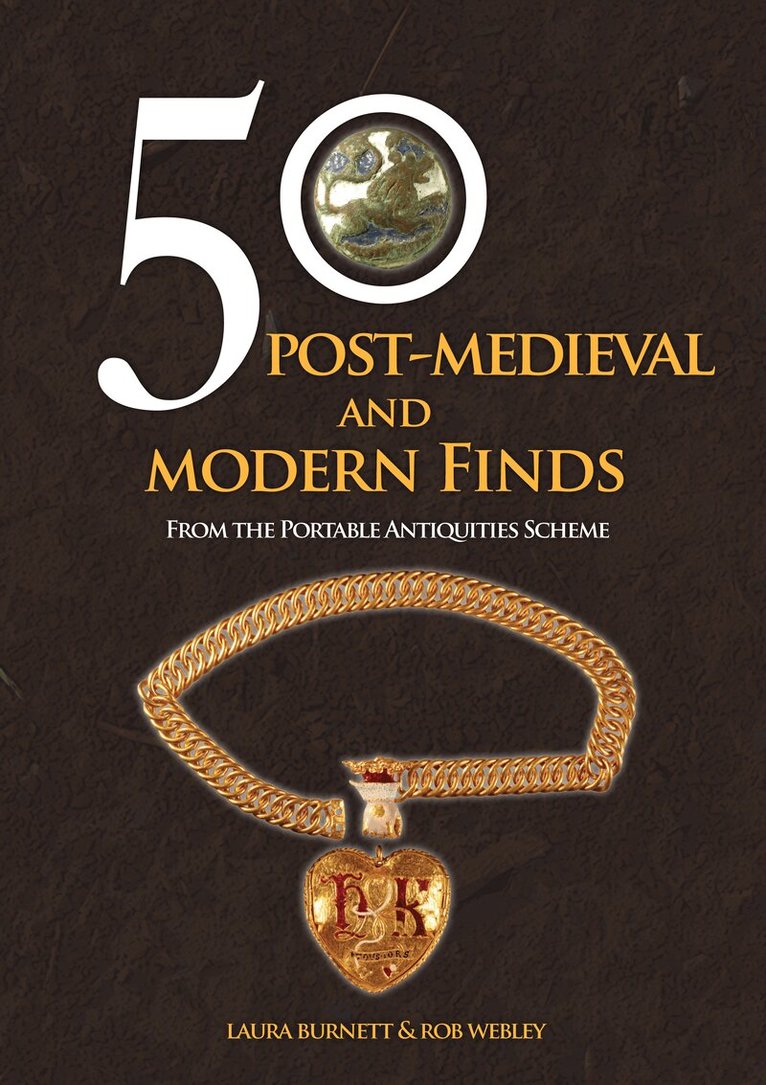
The period between 1500 and the present day has directly formed the world we live in. Growing population, increased urbanisation, industrialisation, and ever quickening pace of movement and technological change have radically reshaped society, global connections and individuals’ horizons. It is the time from which we have the most written records, pictures, and, later, photos and videos. Archaeology’s contribution to understanding this period might therefore be less obvious, but it has great potential to connect us to people’s lived experience.Artefacts provide important evidence where records may not exist, such as private beliefs, social lives and informal dress. They bear witness to those less likely to appear in historical records, such as the poor and children. Objects also provide a tangible link to events. In doing so they confront us with their reality and the experience of the individual humans who lived through this most formative of periods.
173 kr
Skickas
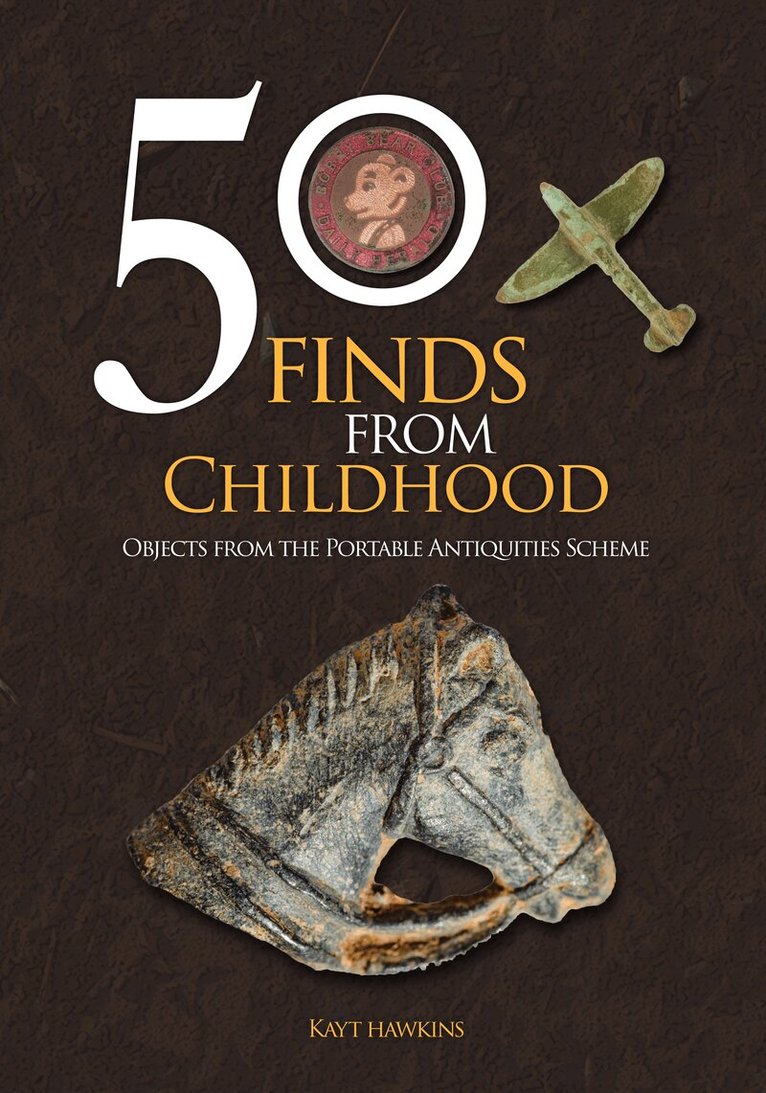
The many artefacts discovered by members of the public and recorded by the Portable Antiquities Scheme (PAS) provide an unparalleled resource for information relating to childhood in the past. The fifty objects presented here have been selected from across England and Wales; they span prehistory through to the modern age and include items both of national significance and those of everyday use. This unique and diverse collection by the PAS illustrates a variety of beliefs around childhood, including activities relating to childbirth, infant care, clothing, work and play. Each object, whether made for children or adapted by them, has been chosen to explore past expectations towards children and their relationships with the wider world. Collectively, these artefacts provide an insight into, and a connection with, childhood across the ages, much of which still has relevance today.
173 kr
Skickas
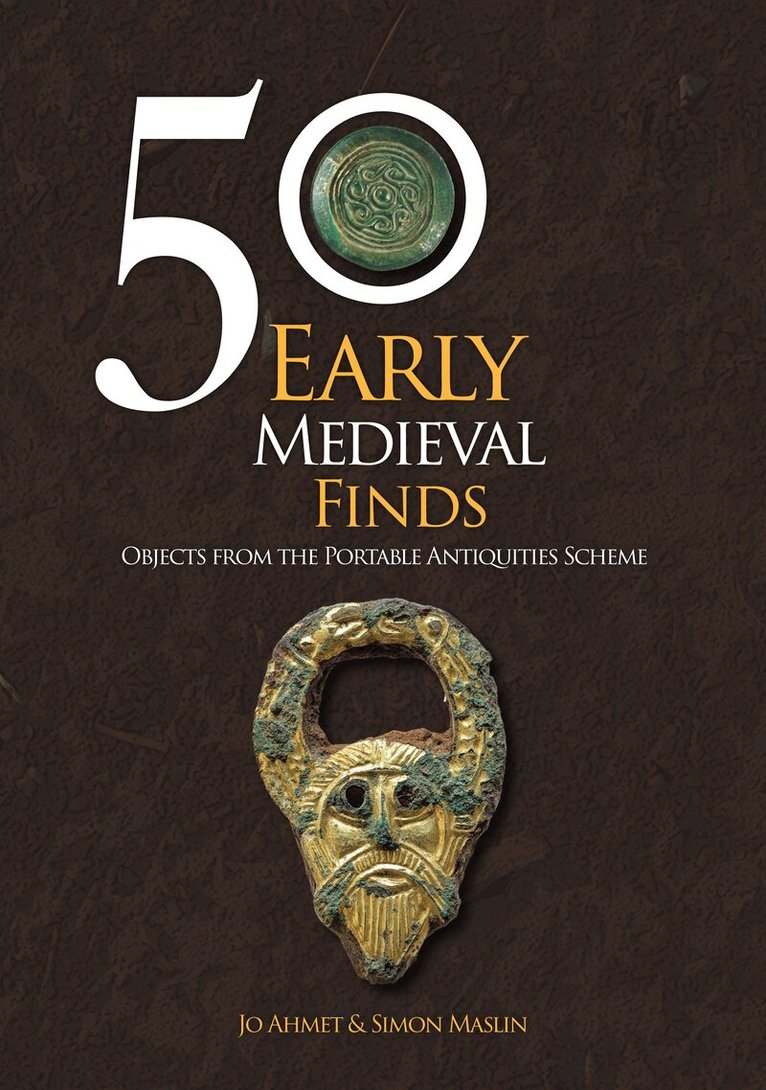
From the fall of the Roman Empire to the Battle of Hastings, the early medieval period is one of our most engaging historical eras. It covers the formation of the kingdoms and countries of Britain, the establishment of Christianity, Viking invaders and semi-mythical monarchs. Sometimes mischaracterised as the ‘Dark Ages’, it was in fact a time of tremendous advances in art, technology and trade. The fifty objects in this book are some of the most important and interesting archaeological finds illuminating this span of history. They include weaponry, horse fittings, hacksilver hoards and jewellery featuring the sinuous knotwork of the period’s animal art, from the humblest of pins and brooches to the gold and garnet wonders of the Staffordshire Hoard. Each was found by a member of the public and reported to the Portable Antiquities Scheme, which has recorded over 1.5 million items in England and Wales. Through these objects and their stories, we can understand this fascinating and perhaps most misunderstood period of history.
173 kr
Skickas
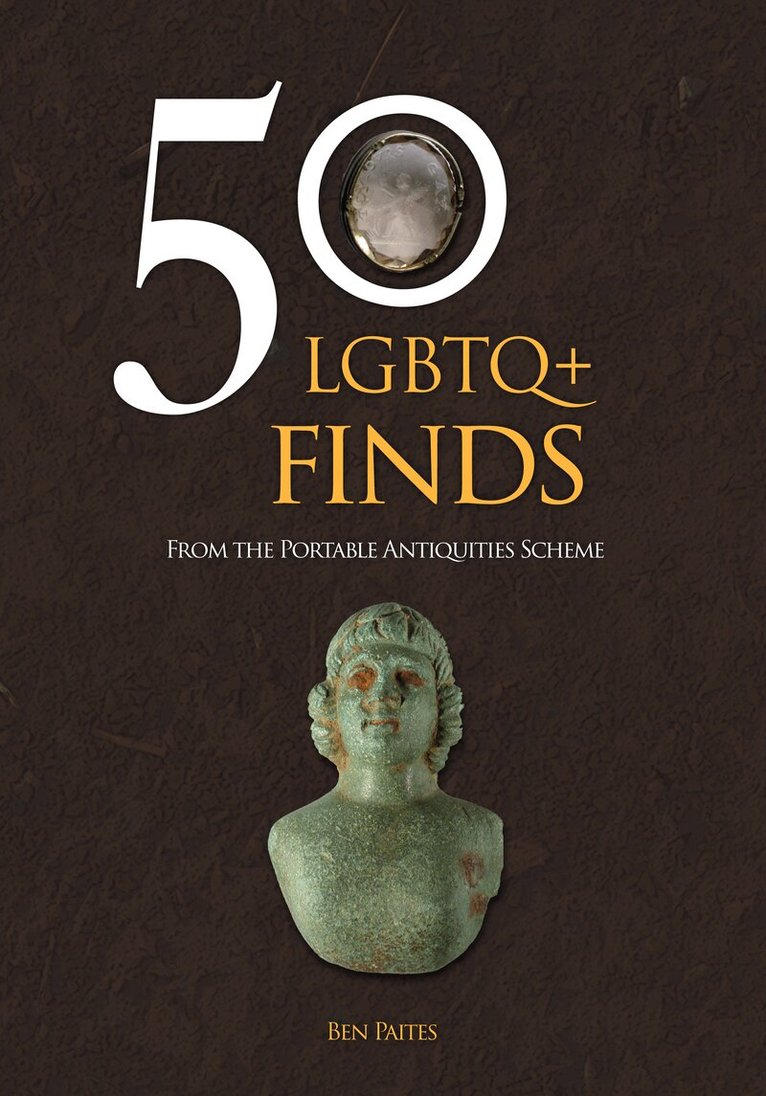
The LGBTQ+ community is made up of a range of different sexualities and gender expressions. Although many of the terms we use to categorise this diversity did not exist in the past, that diversity certainly has existed throughout history. From bisexual monarchs to gender non-conforming priests, history tells us that LGBTQ+ people have always existed. This book uses objects recorded with the Portable Antiquities Scheme to share stories of LGBTQ+ history and culture, focusing on historical figures, the natural world, language and symbolism, and communities. From a coin of the Roman Emperor Hadrian to a toy bear, this book also highlights the rich depth of history and range of objects that can be seen on the PAS database.
173 kr
Kommande
The Viking Age was a transformative period of British history. From the eighth to the eleventh centuries, people from over the North Sea raided, invaded, settled, and contributed to the development of the British Isles in various ways. Here the story of the Viking Age and its enduring impact is told through fifty carefully chosen treasures and trinkets; everything from the mundane to the magnificent, from the tiniest trading weight to the most elaborate brooch.In this book the incredible work of the Portable Antiquities Scheme, impossible without countless metal detectorists, is put on display to assess the impact of the Vikings as the narrative moves from first contact to their lasting legacy.
173 kr
Skickas
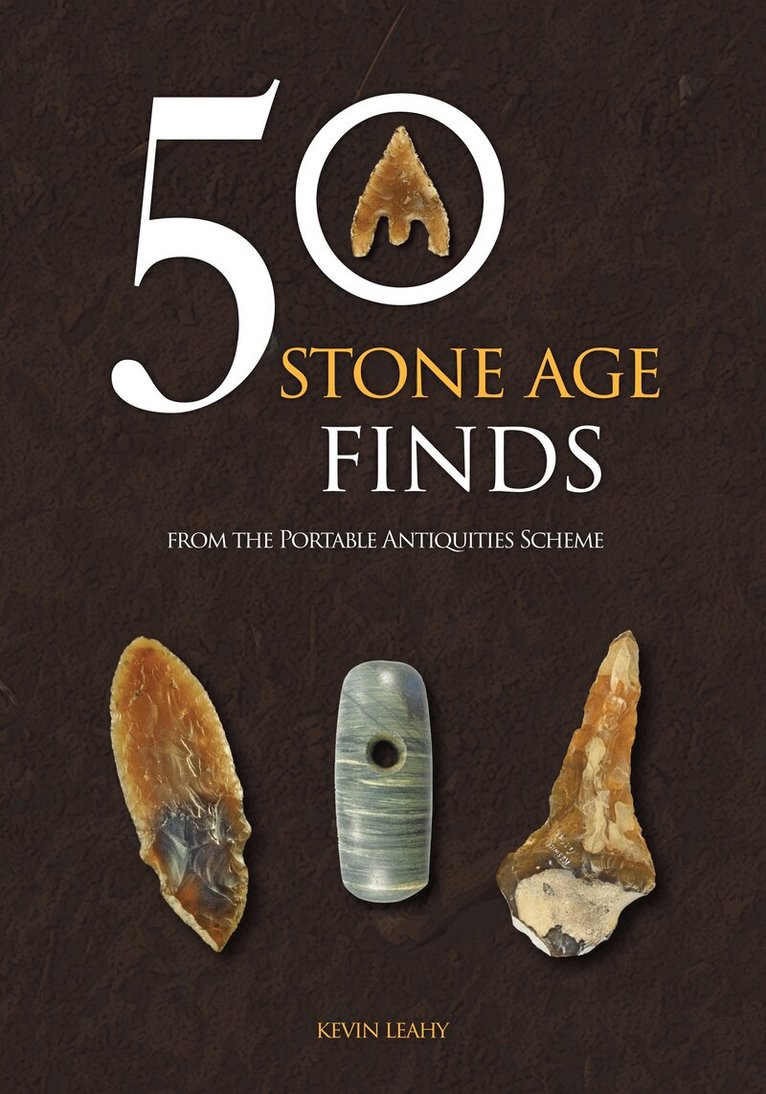
Flint and stone finds hold a unique place in the archaeological record as they represent all that survives from most of the human past. The Stone Age did not end with the introduction of metals and some of the finest lithic objects date from the Bronze Age and the use of flint and stone has continued into recent times. These items can have a strange, gem-like quality – 500,000-year-old flint hand axes, recorded by the Portable Antiquities Scheme, show a symmetry and grace that we can still admire today. Great skill and effort went into making flint and stone objects and how they were produced is examined here. Humanly worked flints are surprisingly common and, in fact, they are found everywhere. This book provides guidance on what to look for and how to recognise worked flint. It shows what can be commonly found along with superb objects recorded by the Portable Antiquities Scheme. Flint and stone implements are best seen in context and supporting commentary and images show something of the cultures that produced this material and how we came to discover them.
172 kr
Tillfälligt slut
The objects of our ancestors can tell us a lot about the past, from what was happening with the economy and changes in fashion to where people traded, lived and worked. Through them, we can discover the story of everyday people who don’t appear in documentary accounts. The North West is traditionally seen as devoid of archaeology; however, through the work of the Portable Antiquities Scheme alongside more recent traditional archaeological investigations, this view is changing. By looking at objects discovered in Cheshire, recorded by the Portable Antiquities Scheme, we can re-evaluate our knowledge of the past within the county.Cheshire has revealed its past to us through axes from the Bronze Age, Roman hoards, Viking silver, Medieval and Post-medieval jewellery. Within the past few years, three important Roman hoards have been discovered in the county demonstrating that Romanisation took hold. The impressive Huxley hoard brings us into the Early Medieval period. A variety of both functional and decorative objects tells us more about the people who lived and worked throughout our communities. 50 Finds from Cheshire allows us to look at snapshots of our past using archaeological finds to illuminate what has previously been hidden from us.
173 kr
Skickas inom 11-20 vardagar
Lincolnshire is a diverse county. Its landscape ranges from Chalk Wold to Limestone plateau, to Fen and Coastal Marsh. The archaeology contained within it is equally dramatic, with thousands of years of history still visible across the countryside. Artefacts are an important part of this resource, though many of them now lie within the ploughsoil. Since 2003, over 75,000 discoveries from Lincolnshire have been reported to the Portable Antiquities Scheme. 50 Finds From Lincolnshire charts some of the most intriguing and enigmatic objects discovered by the public, and illustrates how these finds add to our knowledge of the past.Adam Daubney is the Lincolnshire Finds Liaison Officer for the Portable Antiquities Scheme. He has been recording archaeological objects in Lincolnshire for over fifteen years, and has a particular interest in Roman Britain and the rural landscape. Adam has a PhD from the University of Leicester, in which he explored the significance of multi-period artefact scatters in Lincolnshire.
178 kr
Skickas inom 11-20 vardagar
Archaeology is understanding people in the past from what they have left behind. Objects inform us about how people lived, what they made and the things they did. There has often been a view that there are no archaeological finds in the North West. However, through the work of the Portable Antiquities Scheme and the display of existing museum collections, this traditional view is being challenged. By looking at objects discovered in Lancashire, recorded by the Portable Antiquities Scheme, we can demonstrate the continuity of activity within this county.Lancashire has revealed the longevity of its past through a range of both functional and decorative objects. Objects were made and traded from the Copper Age, through the Bronze Age and into the Iron Age and Roman periods; the Silverdale Viking Hoard, similar in object types and period to the Cuerdale Hoard, further demonstrates significant Early Medieval activity. Meanwhile, Post-Medieval artefacts reveal long journeys of religious pilgrimage and persecution. 50 Finds from Lancashire allows us to look at the continuity of our past using archaeological finds to illustrate what has previously been hidden away.
50 Finds From Nottinghamshire and Derbyshire
Objects from the Portable Antiquities Scheme
Häftad, Engelska, 2016
178 kr
Skickas inom 11-20 vardagar
The counties of Derbyshire and Nottinghamshire are an area of transition between the north-west and the south-east, highland and lowland, pasture and arable, rural and urban. These geographical divides shaped ancient tribal boundaries and continued to act as a border after the Roman conquest of southern Britain. The Trent and its tributaries were important trade routes linking the area with other parts of Britain and the wider world. Many settlements, including the important towns of Nottingham, Newark and Derby, sprang up on their banks during the Roman and medieval periods. Consequently, the finds from the area are diverse and reflect influences from different parts of the country and beyond.The objects in this book were found by members of the public and have been recorded by the Portable Antiquities Scheme. They provide us with an insight into the lives of our ancestors, the people who lived and worked in these two counties, the people who did not make it into the history books. The objects span a period of at least 180,000 years and represent the whole spectrum of society, from the hand axe of a hunter-gatherer to the neck torc of an Iron Age chieftain to a token halfpenny of a seventeenth-century coal miner.
50 Finds From Manchester and Merseyside
Objects from the Portable Antiquities Scheme
Häftad, Engelska, 2016
173 kr
Skickas inom 11-20 vardagar
Greater Manchester and Merseyside are built-up, urban areas, where the archaeology is often hidden under modern buildings and developments. There are also rural pockets of land and open spaces where coins and objects that were lost in the past are brought back to the surface by the plough. These finds are often rediscovered by metal detectorists, field walkers, or simply by chance. The objects then make their way to the Portable Antiquities Scheme, where they are recorded and plotted in order to help us understand more about our past.The Roman fort at Manchester, the ancient trading port of Meols in Wirral, and the more recent industrial past all play a part in our shared heritage. Objects lost by those who lived and worked in the region add to our knowledge of this rich and diverse landscape. Neolithic polished stone axes, Early Medieval inscribed stones, coins and jewellery reveal how local people lived and worked. Metalwork from the Bronze Age to the Post-Medieval period unravels the secrets of areas from the economy, technology and trade to fashion. 50 Finds from Manchester and Merseyside allows us to dip into our fascinating history using the objects lost by our ancestors as our guide.
173 kr
Skickas
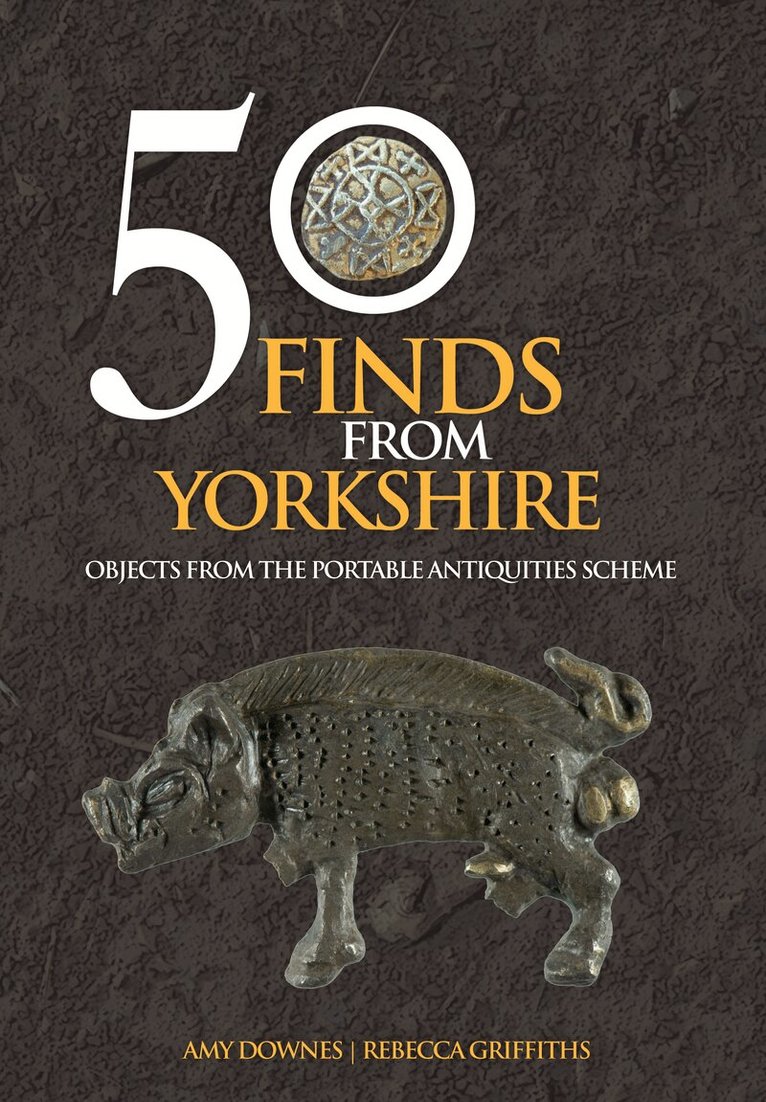
Yorkshire has been at the heart of English history for over 2,000 years and has been shaped by Roman and Viking invaders, the conflict of the Wars of the Roses and the English Civil Wars. With such a wealth of heritage to uncover, 50 Finds from Yorkshire considers the spectacular and the everyday finds that help to illuminate Yorkshire’s hidden past.Objects found by the public, and recorded with the Portable Antiquities Scheme, have produced some of the most important discoveries from the region in recent times. These finds have helped to refine our understanding of Yorkshire’s history and the lives of the people who lived there. Ranging from spectacular hoards of silver buried by the Vikings to unique Celtic fittings which show that people in Yorkshire had their own style, these finds can be woven into the narrative of the past. They also get us closer than ever to the ordinary people, with seals naming individuals and trader’s tokens identifying occupations. There are also tantalising glimpses of the Roman cult of Mithras active in rural Yorkshire. Every object found is another thread in the rich tapestry that is the history of Yorkshire.50 Finds from Yorkshire highlights these amazing discoveries and explores how they help to define our understanding of one of the most significant areas of Britain.
173 kr
Skickas
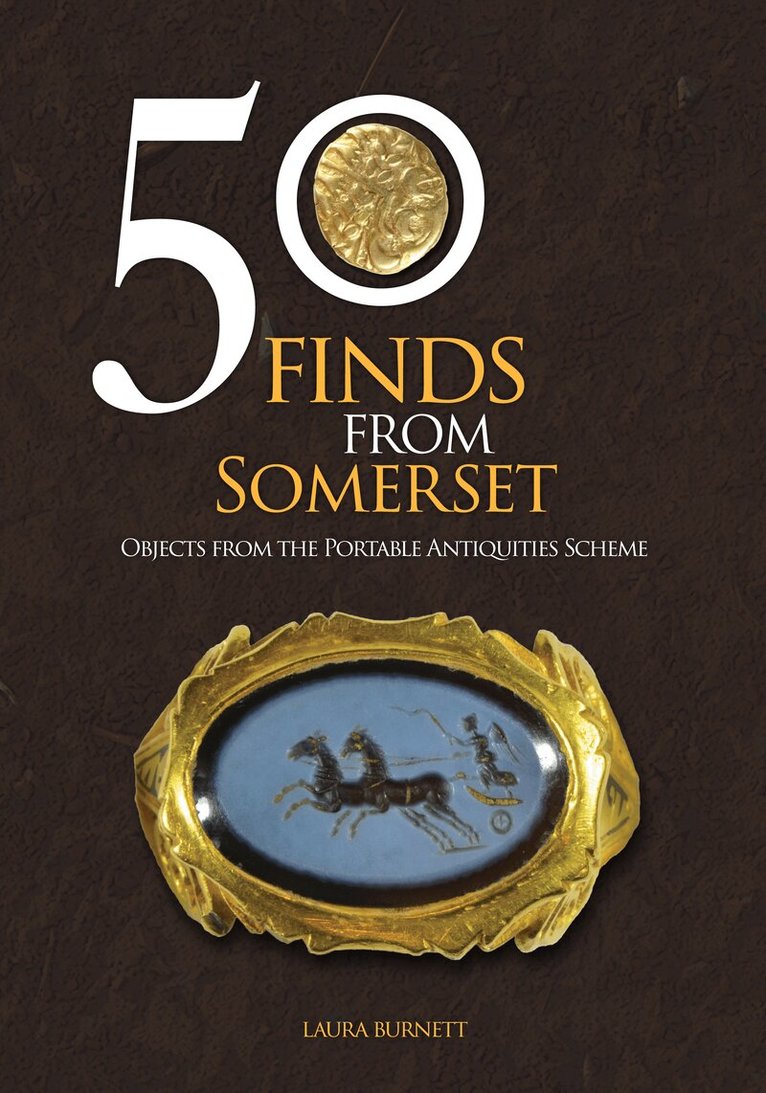
Somerset has a varied landscape, from upland Exmoor to the low-lying wetland levels and moors, and the mineral rich Mendips to the agricultural land of South Somerset. This diversity has shaped, and been shaped by, our predecessors – millions of people who have lived and worked in the area. Often, the only traces of these people’s lives are the small objects they left behind, from the stone tools of prehistoric people to the remains of Roman trade and fashions and medieval and post-medieval objects reflecting prosperity and conflict.In recent years the Portable Antiquities Scheme has recorded thousands of objects found by members of the public and these have helped to enhance, and often reshape, our knowledge of the past. Discoveries by members of the public have brought new sites to light and have led to further research and understanding. This book publishes many of these new discoveries for the first time in an accessible way.
163 kr
Kommande
173 kr
Skickas inom 11-20 vardagar
50 Finds from Staffordshireis part of the ‘50 Finds’ series, highlighting the work of the Portable Antiquities Scheme. This scheme records archaeological finds made by members of the public, often metal detectorists. It focuses predominantly on finds older than 300 years and, through this recording, our archaeological knowledge of the county has increased significantly. Some finds, like the Staffordshire Hoard and the Leekfrith Torcs, have been rewriting the history books.The majority of these recorded finds remain in private ownership, but some have been acquired by the regional museums, mostly thanks to the Treasure Act 1996. This book highlights some of the key finds that have shed a light on human activity through the ages, from Palaeolithic hand axes to Roman coins, from Saxon treasures to Post-Medieval sundials. Each find has its own story to tell, which fits within the history of Staffordshire.
173 kr
Skickas
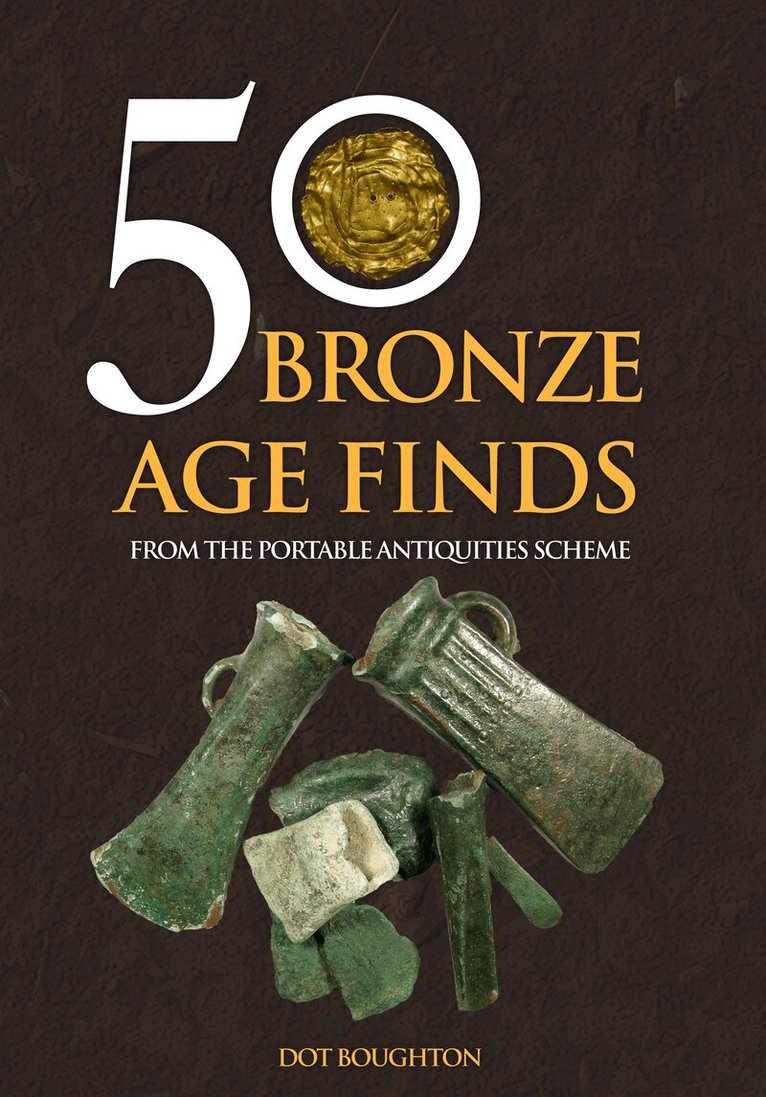
British Bronze Age artefacts made from copper, bronze, gold, flint, jet and shale are renowned throughout Europe for their beauty and exquisite craftsmanship. In England and Wales, many new discoveries are made each year by members of the public and recorded with the British Museum’s Portable Antiquities Scheme. Recent nationally important finds include the gold lunula from Tarrant Valley (Dorset) and the gold and silver striped penannular ring from Havant (Hampshire). The metalwork hoard from Boughton Malherbe (Kent) is the third largest metalwork hoard ever discovered in Britain.Here, Dot Boughton investigates finds and hoards discovered over the last twenty years and uses them to discuss the development of the different Bronze Age weapon, tool, vessel and ornament types from their humble origins to their individual peaks in the Early, Middle and Late Bronze Age.
173 kr
Skickas
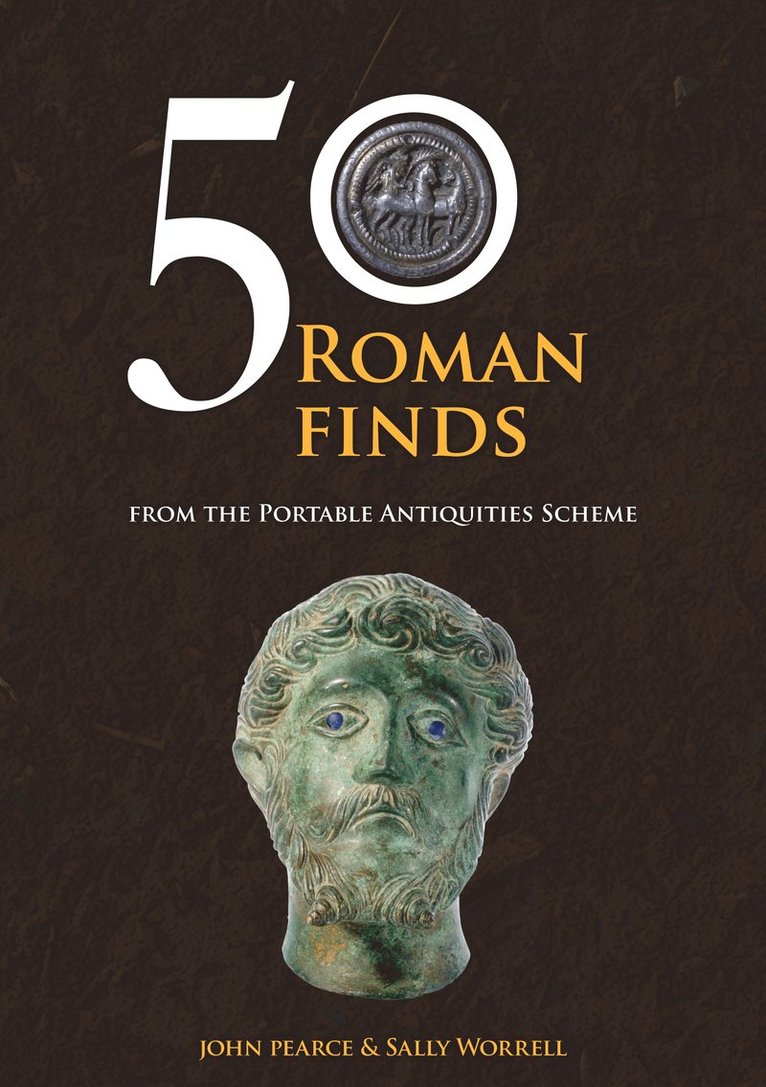
50 Roman Finds From the Portable Antiquities Scheme highlights some of the most important and interesting Roman objects recorded by the Portable Antiquities Scheme (PAS) or reported as Treasure. It features a wide variety of objects, allowing for a balanced presentation of both well-preserved everyday objects and some of the most spectacular finds to have been recorded by the PAS. Iconic objects featured here include the Crosby Garrett helmet and the Ilam pan.Collectively, the fifty examples featured here exemplify the cosmopolitan culture of the Roman world and help shed further light on a fascinating period of British history.
173 kr
Skickas
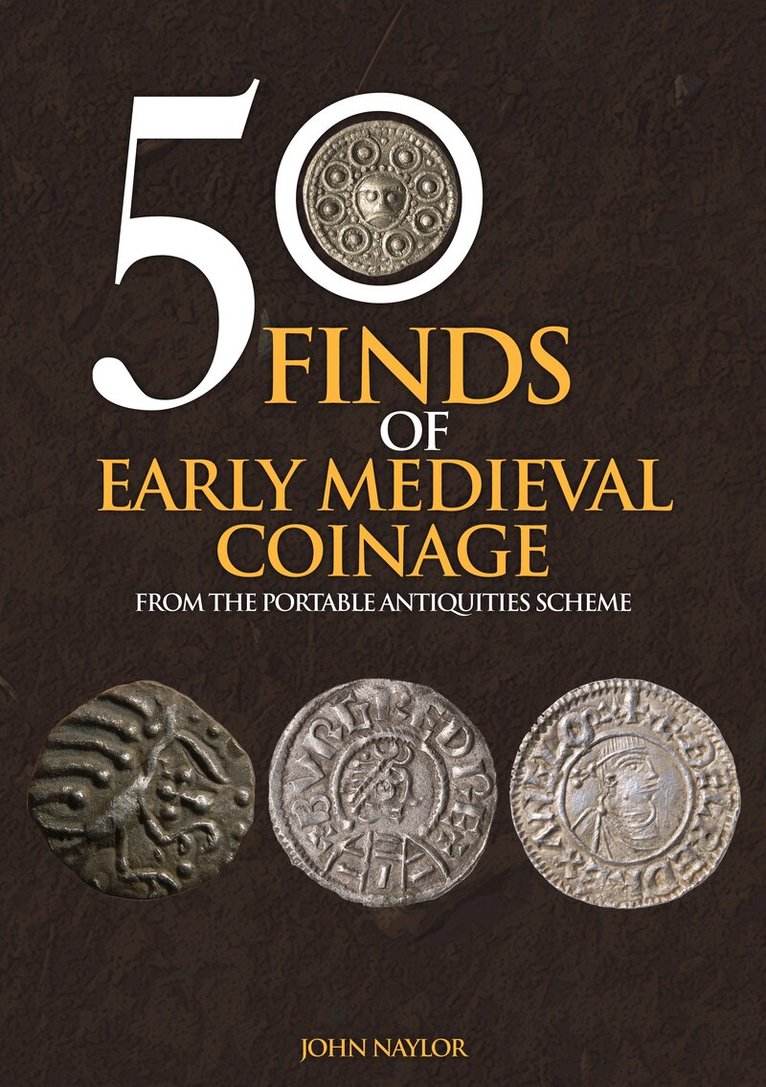
Since 1997 the Portable Antiquities Scheme has recorded almost 1.5 million objects found in England and Wales, the vast majority discovered by members of the public rather than professional archaeologists. Among these finds are more than 10,000 early medieval coins. Each one of these coins has its own story to tell, from its minting, use and loss through to its eventual recovery and recording.In this book, Dr John Naylor, the PAS’s National Finds Adviser for Early Medieval and Later Coinage, explores the Anglo-Saxon world through these coin finds, tracing the development of coinage from the end of Roman Britain to the Norman Conquest of 1066 and how they were used by early medieval people. As well as their use in trading, he shows how they can help us to understand how the Anglo-Saxons saw themselves through looking at coin design and iconography, and how they were used in diverse and interesting ways such as their inclusion in burials and hoards, and their re-use as items of jewellery.
173 kr
Skickas
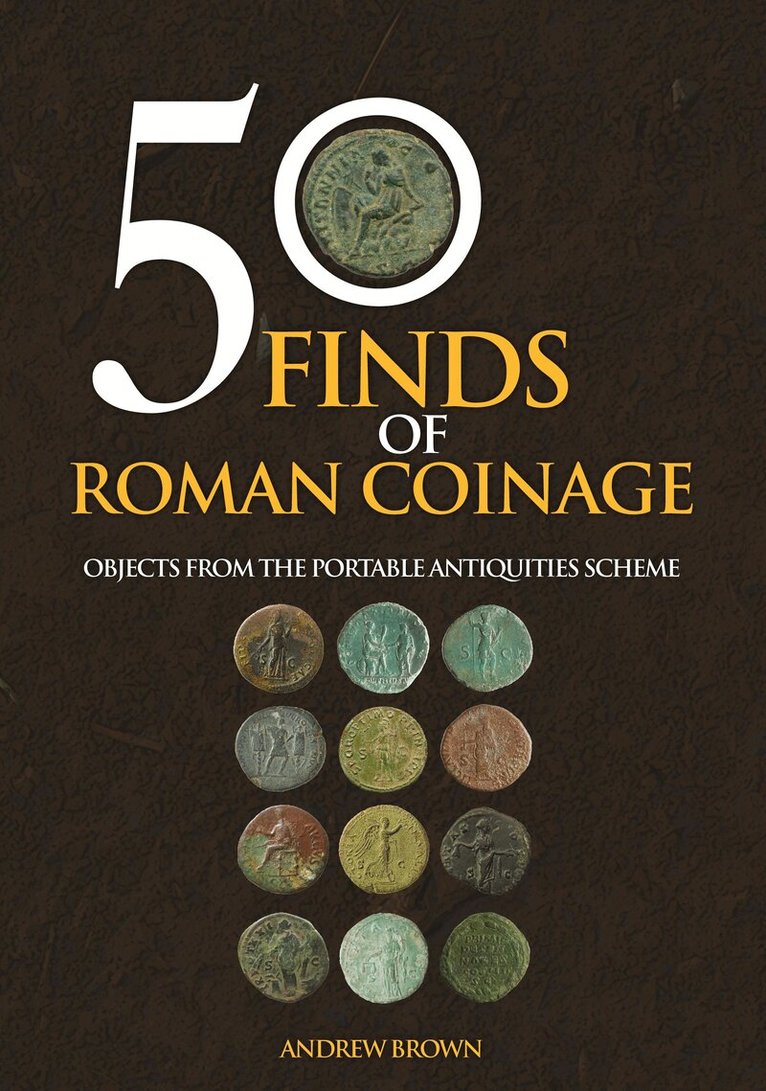
Roman coinage represents the largest single category of object recorded through the British Museum’s Portable Antiquities Scheme (PAS), with over 300,000 single finds in addition to several thousand hoards. This dataset, unparalleled anywhere else in the world, provides a unique perspective on the province of Roman Britain and its interaction with the larger Roman Empire. By exploring 50 key finds of Roman coinage it is possible to shed light on all aspects of Roman Britain from the conquest in AD 43 through to the Roman withdrawal by c. AD 410. Unusually for a Roman numismatic dataset, the PAS examples provide wide coverage of the entire province, revealing evidence for early military activity, the development of the rural landscape, as well as the socio-political and cultural evolution of the province.Approaching the material thematically, it will be possible to examine key elements of Roman Britain such as religion, the economy, British ‘identity’, the ‘Britannic Empire’, and the archaeological application or implications of the PAS data.Dr Andrew Brown is Deputy National Finds Advisor for Iron Age and Roman coinage at the Portable Antiquities Scheme/British Museum.
173 kr
Skickas inom 11-20 vardagar
Hemmed in by river, downland and sea, the archaeology of Kent has always had a reputation for uniqueness. So when the Portable Antiquities Scheme, an initiative to record objects found by members of the public, was launched in 1997, Kent was the obvious choice to become a pilot county.It did not disappoint. Kent has so far produced finds such the headline-grabbing, solid gold Ringlemere cup, a unique Roman Republican helmet –the only one ever found in Britain – and several Anglo-Saxon garnet-inlaid brooches. Not to mention the anonymous, wide scatterings of pot sherds, buckles, occasional lost keys and swathes of often indecipherable coins.Telling the history of Kent through its objects, every find in this book was discovered by a member of the public and recorded by the PAS. Each one helps us fit together a bigger, clearer picture of Kent’s history, its people and relationship with the wider world.