Advances in Cellular and Molecular Biology of Plants – serie
Visar alla böcker i serien Advances in Cellular and Molecular Biology of Plants. Handla med fri frakt och snabb leverans.
12 produkter
12 produkter
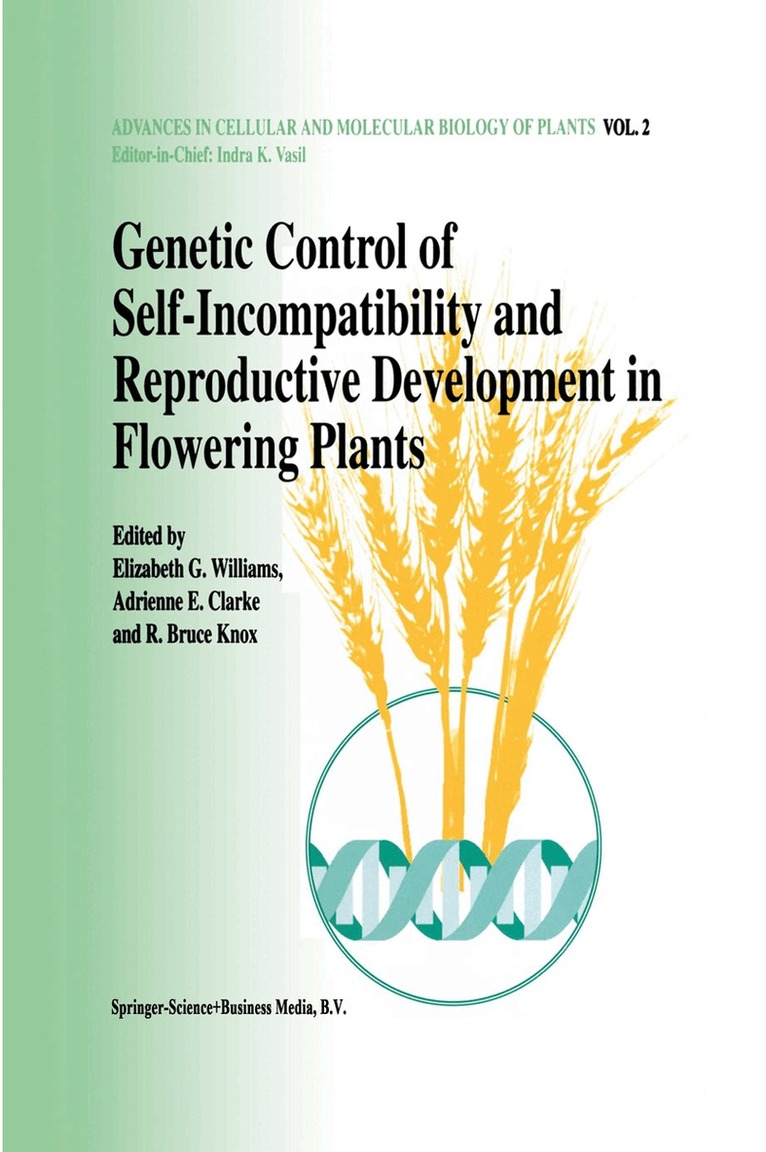
Genetic control of self-incompatibility and reproductive development in flowering plants
Inbunden, Engelska, 1994
3 172 kr
Skickas inom 10-15 vardagar
Plant reproductive biology has undergone a revolution since 1989 with the cloning, sequencing and localization of the genes important in reproduction. These advantages in plant molecular biology have led to exciting applications in plant biotechnology, including the genetic engineering of male sterility and other reproductive processes. This book presents an account of these developments from the scientists in whose laboratories they have been made. The chapters focus on two areas: the molecular biology of self-incompatibility, which is the system of self-recognition controlled by the S-gene and related genes; and the cellular and molecular biology of pollen development and genetic dissection of male sterility. Some chapters feature Arabidopsis, with its unique genetic system. Reproduction is vital for seed production in crop plants, and this book aims to present new approaches to manipulate plant breeding systems for the 21st century.
850 kr
Skickas inom 10-15 vardagar
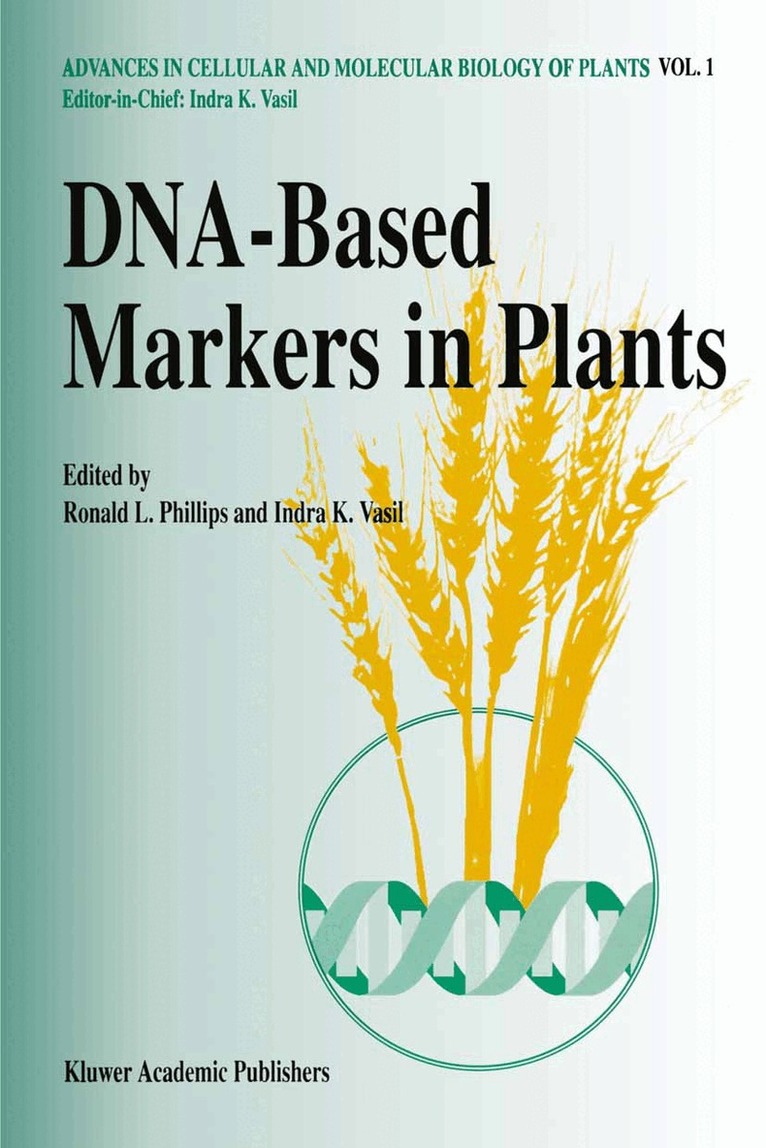
Until very recently, genetic maps of higher plants were based almost entirely on morphological and biochemical traits. These maps are rapidly being replaced and/or supplemented with DNA-based marker maps based on the use of powerful new molecular techniques. The new high-precision maps can be developed with comparative ease and rapidity. They have a much higher density of markers, which allows revelation of more and more restricted segments of the genome. One of the many revolutionary aspects of this technology is that linkage between molecular markers and traits of interest can often be detected in a single cross. The ability to hybridize probe after probe to the DNA of the same individuals of a segregating population allows one to pursue the analysis until linkage becomes evident. With morphological and biochemical markers used previously, a separate cross was required to test linkage with each new marker. It was seldom that more than three markers could be tested for linkage with the trait of interest in a single cross because of viability problems.With the new techniques described in this volume, a new gene could be placed on the linkage map within a few days instead of the much longer time required with the previous techniques. In this book, a group of leading researchers provide background information and current versions of DNA-based marker maps for a variety of crops. These maps illustrate the state of the art today.
3 172 kr
Skickas inom 10-15 vardagar
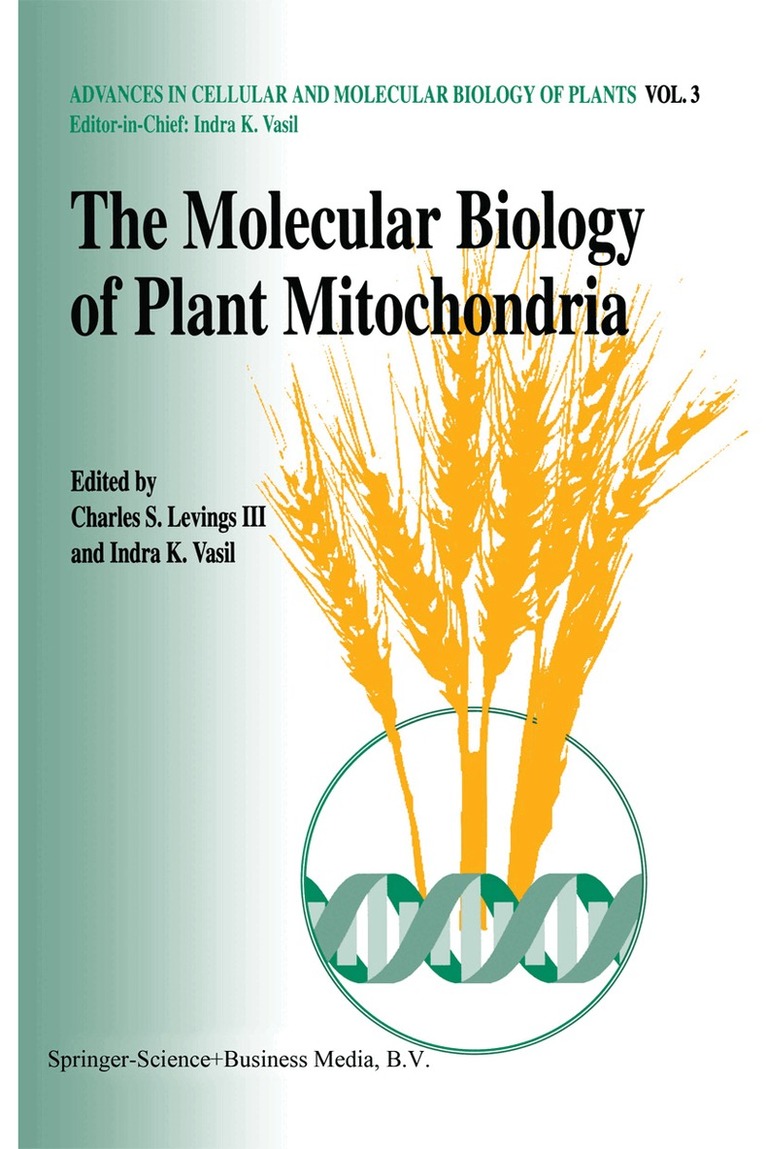
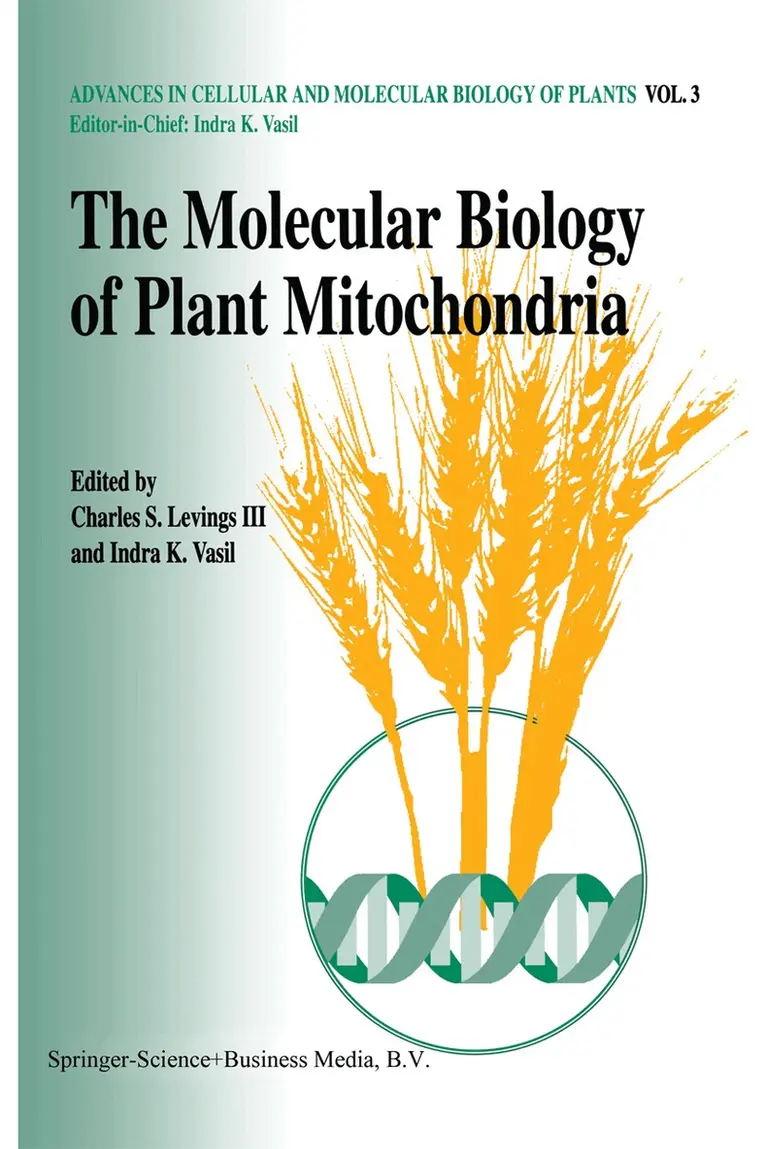
This is a study of advances in molecular biology and cell-culture techniques which have given impetus to investigations of plant mitochondria. The organization of mitochondrial genomes has been intensely studied in maize, wheat, Oenothera, petunia, Brassica, and a few other species. These investigations have disclosed an unusually large and plastic genome, a unique organization based on a master chromosome and subgenomic chromosomes, and extra mitochondrial elements. The structural RNAs of plant mitochondria have furnished several discoveries, including the import of tRNAs into the mitochondria, editing of mRNAs, and the "relaxed" nature of mitochondrial gene promoters. Cytoplasmic male sterility (CMS) is the most common mitochondrial gene mutation, and has therefore received extraordinary attention. Several mitochondrial gene mutations have been implicated in causing CMS, and attention is now focusing on the mechanism that causes pollen sterility, and how nuclear restorer genes interact with CMS genes to suppress sterility.
3 172 kr
Skickas inom 10-15 vardagar
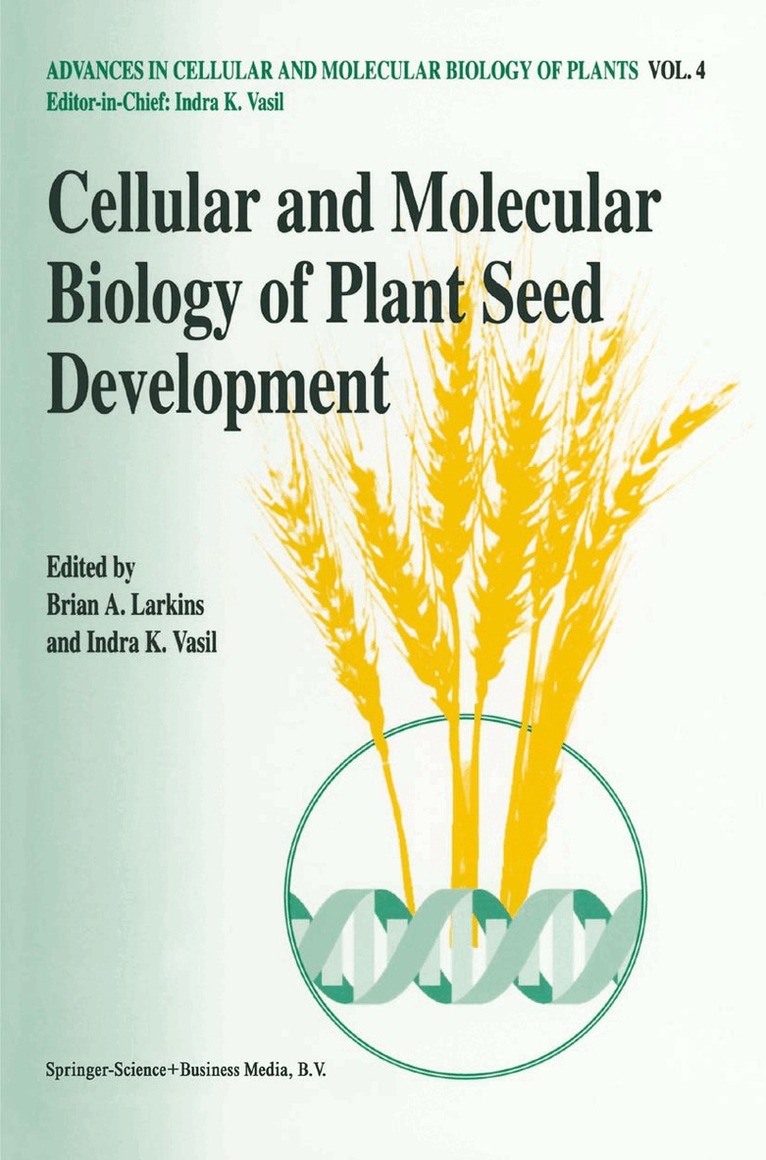
The plant seed is the source of most human nutrition, and closely related to the development of human civilization. This text represents a comprehensive overview of the growth and development of the seed, and the major storage reserves of the seed: protein, starch and oil. The contributing authors comprise a select group of world experts on these topics who present up-to-date overviews of the molecular genetic mechanisms controlling development of the embryo, suspensor, cotyledons and the endosperm, and embryo maturation and seed desiccation. The special features of distinct types of storage proteins, oils and starches are described, as well as mutations that affect their quantity and quality. Biotechnological manipulation of seed storage materials is discussed. The book is intended for graduate and advanced undergraduate students, and should provide a useful text for courses in plant development and molecular biology.
2 117 kr
Skickas inom 10-15 vardagar
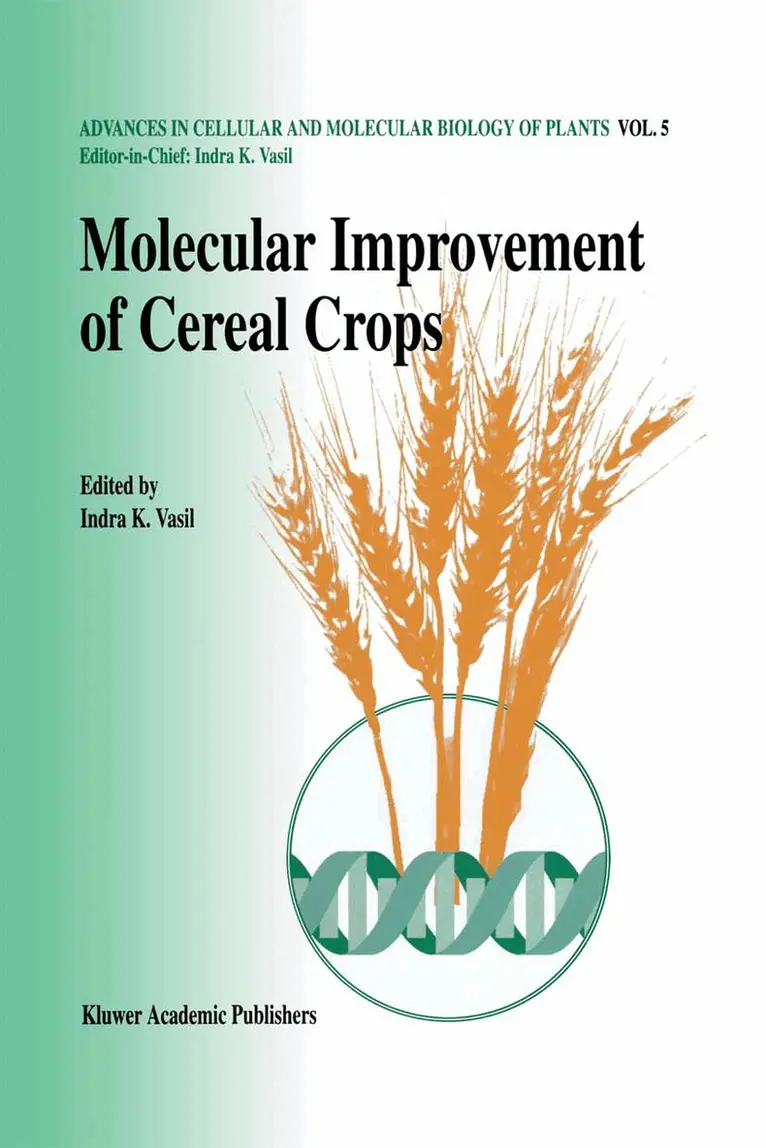
From the pre-historic era to modern times, cereal grains have been the most important source of human nutrition, and have helped sustain the increasing population and the development of human civilization. In order to meet the food needs of the 21st century, food production must be doubled by the year 2025, and nearly tripled by 2050. Such enormous increases in food productivity cannot be brought about by relying entirely on conventional breeding methods, especially on less land per capita, with poor quality and quantity of water, and under rapidly deteriorating environmental conditions. Complementing and supplementing the breeding of major food crops, such as the cereals, which together account for 66 per cent of the world food supply, with molecular breeding and genetic manipulation may well provide a grace period of about 50 years in which to control population growth and achieve sustainable development.In this volume, leading world experts on cereal biotechnology describe the production and commercialization of the first generation of transgenic cereals designed to substantially reduce or prevent the enormous losses to cereal productivity caused by competition with weeds, and by various pests and pathogens, which is an important first step in that direction.
2 117 kr
Skickas inom 10-15 vardagar
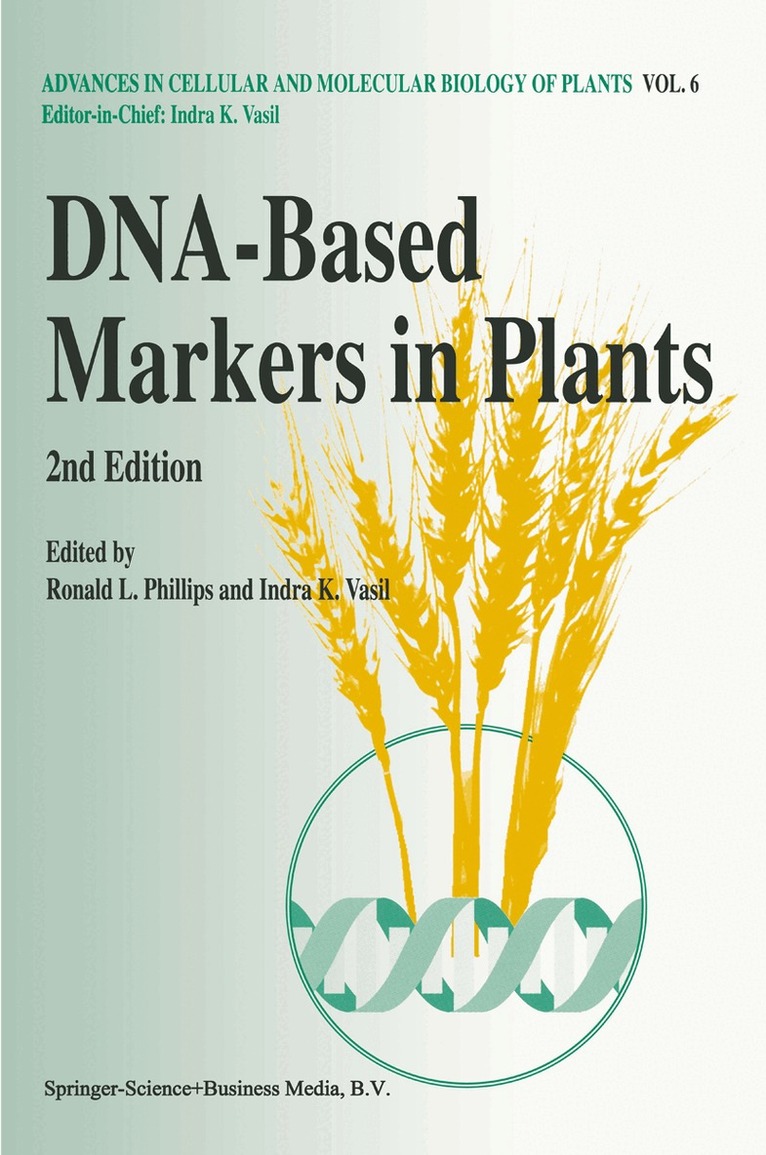
Until fairly recently genetic maps of higher plants were based almost entirely on morphological and biochemical traits. These maps are rapidly being replaced and/or supplemented with DNA-based marker maps based on the use of powerful new molecular techniques. The new high-precision maps can be developed with comparative ease and rapidity. They have a much higher density of markers, which allows revelation of more and more restricted segments of the genome. One of the many revolutionary aspects of this technology is that linkage between molecular markers and traits of interest can often be detected in a single cross. The ability to hybridize probe after probe to the DNA of the same individuals of a segregating population allows one to pursue the analysis until linkage becomes evident. With morphological and biochemical markers used previously, a separate cross was required to test linkage with each new marker. It was seldom that more than three markers could be tested for linkage with the trait of interest in a single cross because of viability problems.With the new techniques described in this volume, a new gene can be placed on the linkage map within a few days instead of the much longer time required with the previous techniques. In this book, a group of leading researchers have come together to update the earlier edition of this book to include the latest versions of DNA-based marker maps for a variety of important crops. These maps illustrate the state of the art today.
Genetic control of self-incompatibility and reproductive development in flowering plants
Häftad, Engelska, 2010
3 172 kr
Skickas inom 10-15 vardagar
Plant reproductive biology has undergone a revolution during the past five years, with the cloning, sequencing and localization of the genes important in reproduction. These advantages in plant molecular biology have led to exciting applications in plant biotechnology, including the genetic engineering of male sterility and other reproductive processes. This book presents an interesting and contemporary account of these new developments from the scientists in whose laboratories they have been made. The chapters focus on two areas: the molecular biology of self-incompatibility, which is the system of self-recognition controlled by the S-gene and related genes; and the cellular and molecular biology of pollen development and genetic dissection of male sterility. Some chapters feature Arabidopsis, with its unique genetic system. Reproduction is vital for seed production in crop plants, and this book presents new approaches to manipulate plant breeding systems for the 21st century.
3 172 kr
Skickas inom 10-15 vardagar
The plant seed is the source of most human nutrition, and closely related to the development of human civilization. This book represents a comprehensive overview of the growth and development of the seed, and the major storage reserves of the seed: protein, starch, oil. The contributing authors comprise a select group of world experts on these topics who present up-to-date overviews of the molecular genetic mechanisms controlling development of the embryo, suspensor, cotyledons and the endosperm, and embryo maturation and seed desiccation. The special features of distinct types of storage proteins, oils and starches are described, as well as mutations that affect their quantity and quality. Biotechnological manipulation of seed storage materials is discussed. The book is intended for graduate and advanced undergraduate students, and should provide a useful text for courses in plant development and molecular biology.
2 117 kr
Skickas inom 10-15 vardagar
The first transgenic plants in which a bacterial gene had been stably integrated were produced in 1983, and by 1993 transgenic plants had been produced in all major crop species, including the cereals and the legumes.
3 172 kr
Skickas inom 10-15 vardagar
The double helix architecture of DNA was elucidated in 1953. Twenty years later, in 1973, the discovery of restriction enzymes helped to create recombi nant DNA molecules in vitro. The implications of these powerful and novel methods of molecular biology, and their potential in the genetic manipulation and improvement of microbes, plants and animals, became increasingly evi dent, and led to the birth of modern biotechnology. The first transgenic plants in which a bacterial gene had been stably integrated were produced in 1983, and by 1993 transgenic plants had been produced in all major crop species, including the cereals and the legumes. These remarkable achieve ments have resulted in the production of crops that are resistant to potent but environmentally safe herbicides, or to viral pathogens and insect pests. In other instances genes have been introduced that delay fruit ripening, or increase starch content, or cause male sterility. Most of these manipulations are based on the introduction of a single gene - generally of bacterial origi- that regulates an important monogenic trait, into the crop of choice. Many of the engineered crops are now under field trials and are expected to be commercially produced within the next few years. The early successes in plant biotechnology led to the realization that further molecular improvement of plants will require a thorough understanding of the molecular basis of plant development, and the identification and charac terization of genes that regulate agronomically important multi genic traits.
Del 1 - Advances in Cellular and Molecular Biology of Plants
DNA-based markers in plants
Häftad, Engelska, 2012
534 kr
Skickas inom 10-15 vardagar
The double helix architecture of DNA was elucidated in 1953. Twenty years later, in 1973, the discovery of restriction enzymes helped to create recombinant DNA molecules in vitro. The implications of these powerful and novel methods of molecular biology, and their potential in the genetic manipulation and improvement of microbes, plants and animals, became increasingly evident, and led to the birth of modern biotechnology. The first transgenic plants in which a bacterial gene had been stably integrated were produced in 1983, and by 1993 transgenic plants had been produced in all major crop species, including the cereals and the legumes. These remarkable achievements have resulted in the production of crops that are resistant to potent but environmentally safe herbicides, or to viral pathogens and insect pests. In other instances genes have been introduced that delay fruit ripening, or increase starch content, or cause male sterility. Most of these manipulations are based on the introduction of a single gene - generally of bacterial origin - that regulates an important monogenic trait, into the crop of choice. Many of the engineered crops are now under field trials and are expected to be commercially produced within the next few years. The early successes in plant biotechnology led to the realization that further molecular improvement of plants will require a thorough understanding of the molecular basis of plant development, and the identification and character ization of genes that regulate agronomically important multi genic traits.
2 117 kr
Skickas inom 10-15 vardagar
From the pre-historic era to modern times, cereal grains have been the most important source of human nutrition, and have helped sustain the increasing population and the development of human civilization. In order to meet the food needs of the 21st century, food production must be doubled by the year 2025, and nearly tripled by 2050. Such enormous increases in food productivity cannot be brought about by relying entirely on conventional breeding methods, especially on less land per capita, with poor quality and quantity of water, and under rapidly deteriorating environmental conditions. Complementing and supplementing the breeding of major food crops, such as the cereals, which together account for 66% of the world food supply, with molecular breeding and genetic manipulation may well provide a grace period of about 50 years in which to control population growth and achieve sustainable development. In this volume, leading world experts on cereal biotechnology describe the production and commercialization of the first generation of transgenic cereals designed to substantially reduce or prevent the enormous losses to cereal productivity caused by competition with weeds, and by various pests and pathogens, which is an important first step in that direction.