Brian A. Larkins – författare
Visar alla böcker från författaren Brian A. Larkins. Handla med fri frakt och snabb leverans.
9 produkter
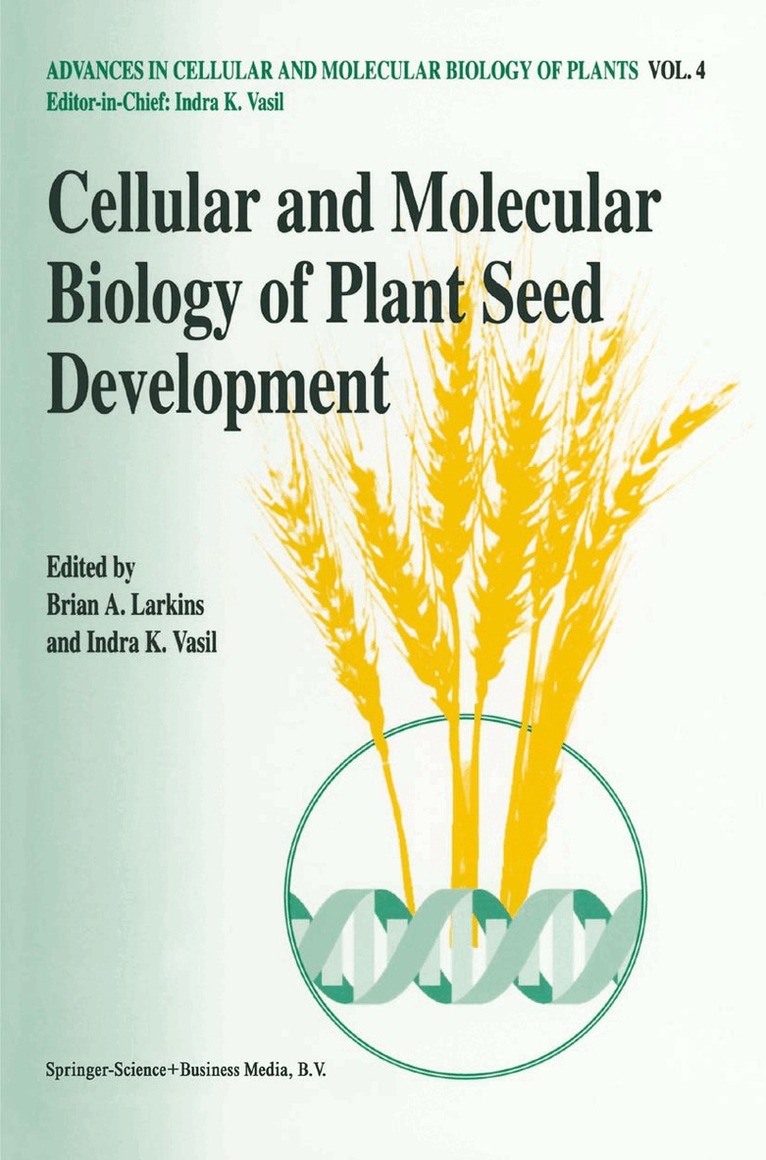
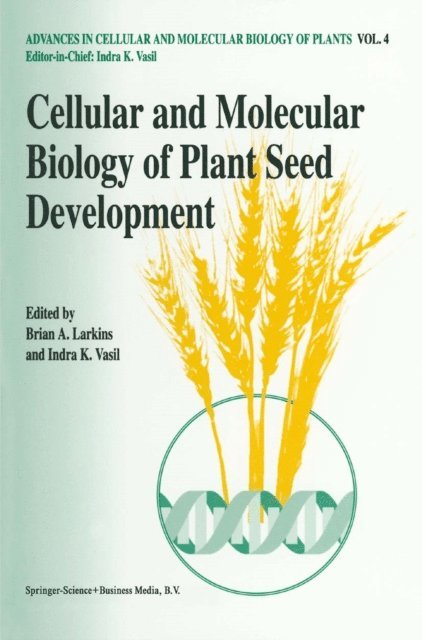
Cellular and Molecular Biology of Plant Seed Development
Av Brian A. Larkins, Indra K. Vasil
Inbunden, 1997
3274 kr
Lägg i varukorg
The beginnings of human civili zation can be traced back to the time , ne- ly 12 ,000 years ago , when th e early humans gradually ch anged from a life of hunting and gathering food , to producing food. This beginning of pri- tive agriculture ensured a dependable supply of food , and fostered the …
Plant Molecular Biology 2
Av R.G. Herrmann, Brian A. Larkins
Häftad, 2012
568 kr
Lägg i varukorg
The VI NATO Advanced Study Institute on Plant Molecular Biology, held in Elmau, Bavaria, Germany, from 14 to 23 May, 1990, brought together representative scientific leaders from all over the world to review their lastest results. They presented lectures or posters, participated in lively …
Plant Molecular Biology 2
Av Brian A. Larkins, R.G. Herrmann
E-bok, 2012
755 kr
Lägg i varukorg
The VI NATO Advanced Study Institute on Plant Molecular Biology, held in Elmau, Bavaria, Germany, from 14 to 23 May, 1990, brought together representative scientific leaders from all over the world to review their lastest results. They presented lectures or posters, participated in lively …
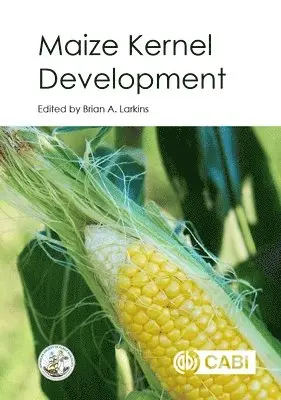
Maize Kernel Development
Inbunden, 2017
1619 kr
Lägg i varukorg
This is an authoritative book that acts as a guide to understanding maize kernel development. Written by a team of experts, it covers topics spanning pre- and post-fertilization events, embryo and endosperm development, grain filling and maturation, and factors influencing crop yield. It explores …
Molecular Genetic Approaches to Maize Improvement
Av Alan L. Kriz, Brian A. Larkins
Inbunden, 2008
2185 kr
Lägg i varukorg
During the past decade, there has been tremendous progress in maize biotechnology. This volume provides an overview of our current knowledge of maize molecular genetics, how it is being used to improve the crop, and future possibilities for crop enhancement. Several chapters deal with genetically …
Molecular Genetic Approaches to Maize Improvement
Av Brian A. Larkins, Alan L. Kriz
E-bok, 2008
2925 kr
Lägg i varukorg
During the past decade, there has been tremendous progress in maize biotechnology. This volume provides an overview of our current knowledge of maize molecular genetics, how it is being used to improve the crop, and future possibilities for crop enhancement. Several chapters deal with genetically …
Molecular Genetic Approaches to Maize Improvement
Av Alan L. Kriz, Brian A. Larkins
Häftad, 2010
2185 kr
Lägg i varukorg
During the past decade, there has been tremendous progress in maize biotechnology. This volume provides an overview of our current knowledge of maize molecular genetics, how it is being used to improve the crop, and future possibilities for crop enhancement. Several chapters deal with genetically …
Cellular and Molecular Biology of Plant Seed Development
Av Brian A. Larkins, Indra K. Vasil
Häftad, 2010
3274 kr
Lägg i varukorg
The plant seed is the source of most human nutrition, and closely related to the development of human civilization. This book represents a comprehensive overview of the growth and development of the seed, and the major storage reserves of the seed: protein, starch, oil. The contributing authors …
Cellular and Molecular Biology of Plant Seed Development
Av Indra K. Vasil, Brian A. Larkins
E-bok, 2013
4066 kr
Lägg i varukorg
The beginnings of human civili zation can be traced back to the time , ne- ly 12 ,000 years ago , when th e early humans gradually ch anged from a life of hunting and gathering food , to producing food. This beginning of pri- tive agriculture ensured a dependable supply of food , and fostered the …