Inbunden, Engelska, 2001
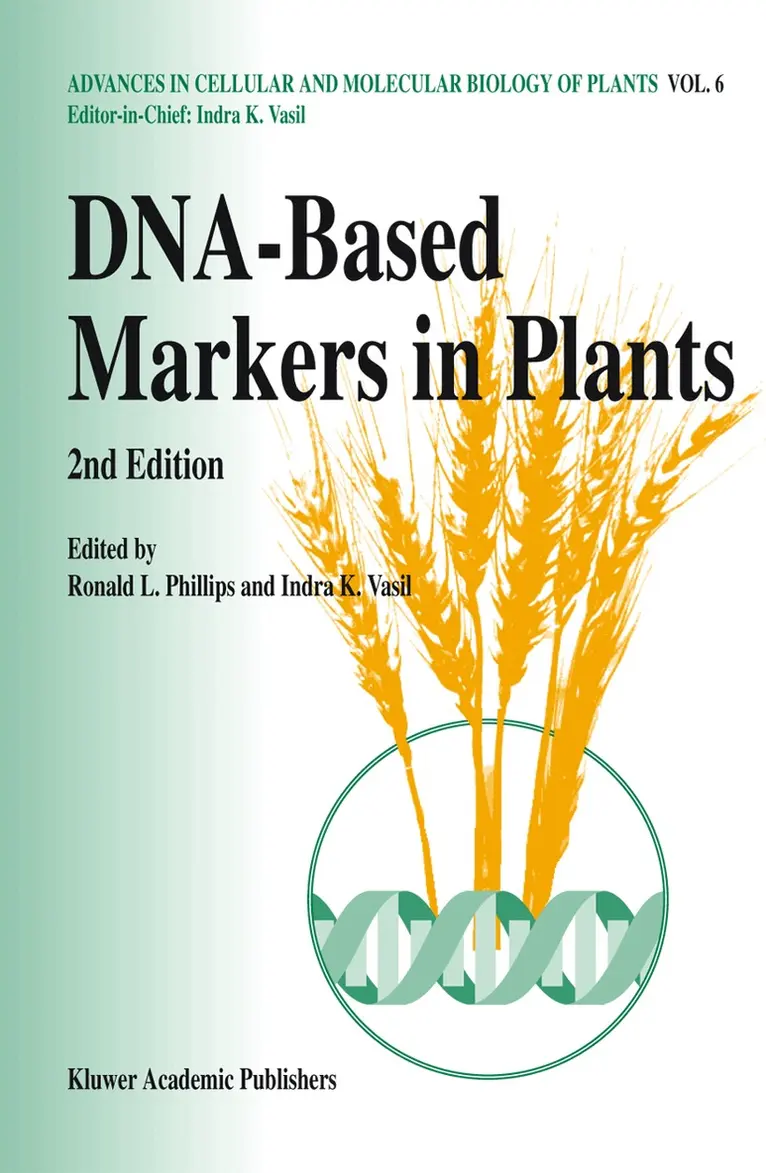
DNA-Based Markers in Plants
Av R.L. Phillips, Indra K. Vasil
Del 6 i serien Advances in Cellular and Molecular Biology of Plants
2157 kr
Beställningsvara. Skickas inom 10-15 vardagar. Fri frakt över 249 kr.
Beskrivning
The double helix architecture of DNA was elucidated in 1953. Twenty years later, in 1973, the discovery of restriction enzymes helped to create recombinant DNA mol ecules in vitro. The implications of these powerful and novel methods of molecular biol ogy, and their potential in the genetic manipulation and improvement of microbes, plants and animals, became increasingly evident, and led to the birth of modern biotechnology. The first transgenic plants in which a bacterial gene had been stably integrated were produced in 1983, and by 1993 transgenic plants had been produced in all major crop species, including the cereals and the legumes. These remarkable achievements have resulted in the production of crops that are resistant to potent but environmentally safe herbicides, or to viral pathogens and insect pests. In other instances genes have been introduced that delay fruit ripening, or increase starch content, or cause male sterility. Most of these manipulations are based on the introduction of a single gene - generally of bacterial origin - that regulates an important monogenic trait, into the crop of choice. Many of the engineered crops are now under field trials and are expected to be commercially produced within the next few years.
Produktinformation
- Utgivningsdatum: 2001-04-30
- Mått: 156 x 234 x 36 mm
- Vikt: 880 g
- Format: Inbunden
- Språk: Engelska
- Serie: Advances in Cellular and Molecular Biology of Plants
- Antal sidor: 514
- Upplaga: 2
- Förlag: Kluwer Academic Publishers
- ISBN: 9780792368656
Utforska kategorier
Recensioner i media
'Overall, the book is a very useful overview of DNA marker technology. It nicely complements existing manuals, such as DNA Marker: Protocols, Applications and Overviews. Many graduate students, researchers beginning in a new area or those wishing to learn about this fast developing field will also find it worthwhile. It could also be useful for plant breeders, and bioinformatics specialists serving the plant science community.' Plant Science, 161 (2001)
Betyg & recensioner
0 recensioner
Inga recensioner tillgängliga.