al-Sabah Collection – serie
Visar alla böcker i serien al-Sabah Collection. Handla med fri frakt och snabb leverans.
9 produkter
9 produkter
615 kr
Skickas inom 7-10 vardagar
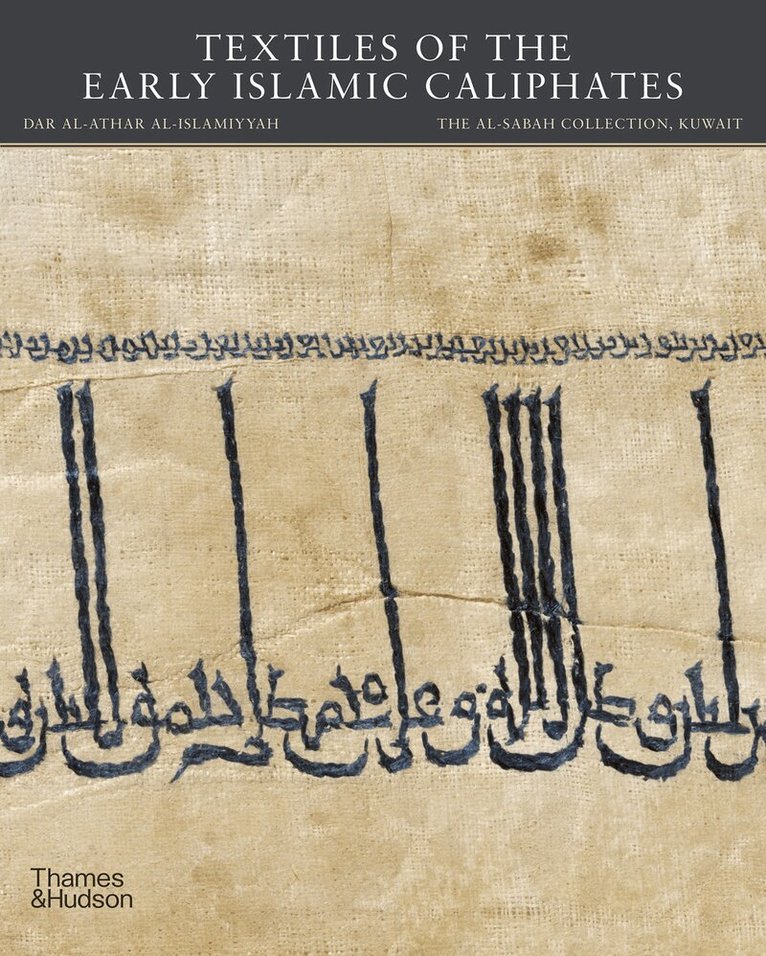
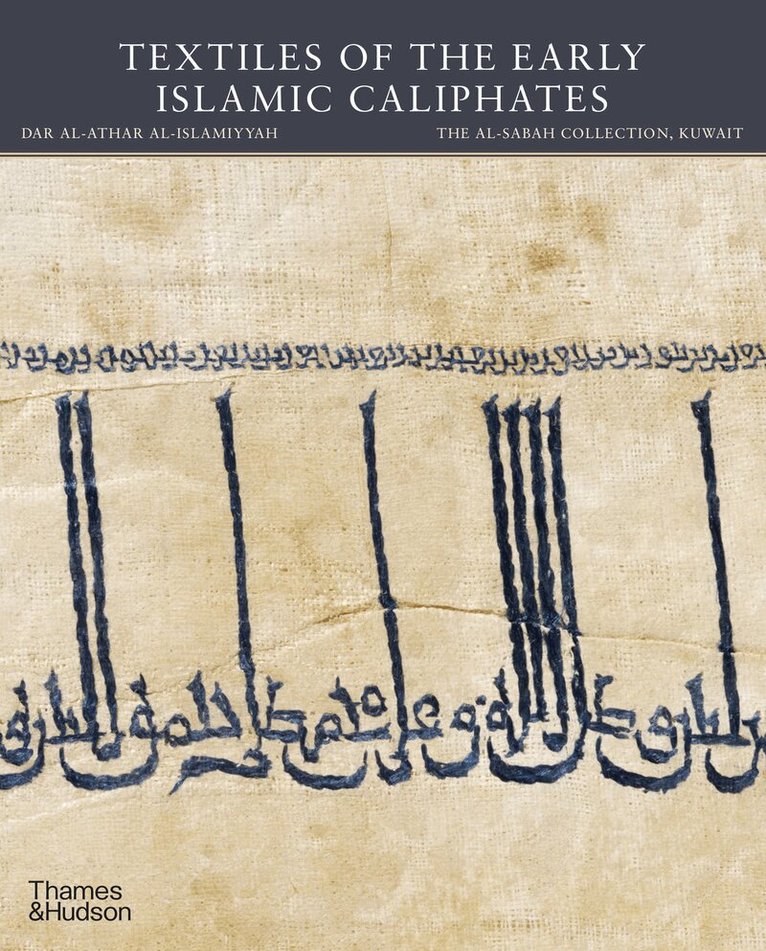
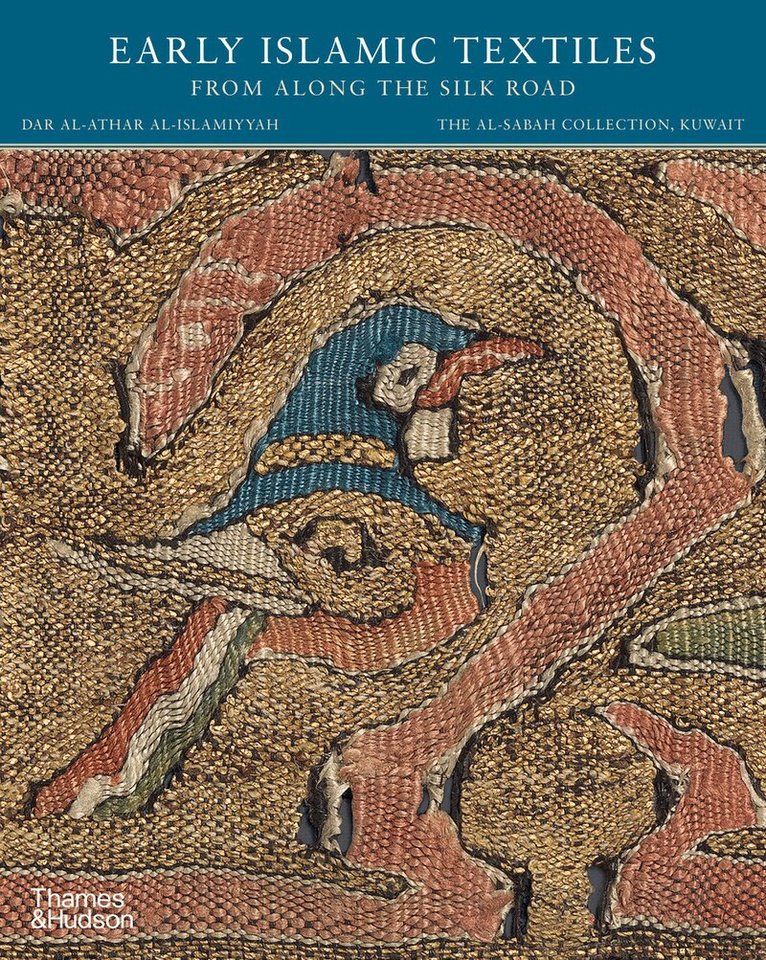
A collection of precious decorated Islamic textiles produced before the thirteenth century CE, many published here for the first time. The al-Sabah Collection, Kuwait, includes a remarkable array of textiles from the Islamic world, ranging widely in form, function and place of origin. Textiles of the Early Islamic Caliphates focuses on a group of tiraz and tiraz-style textiles produced before the thirteenth century CE, mainly in the central Islamic lands. Tiraz textiles – the word tiraz can be traced back to the Persian word for ‘embroidery’ – were highly valued in the early Islamic world. Inscribed with sacred invocations and the name of the ruling caliph, together with the names of administrators, the type of workshop in which the textile was made, the workshop’s location and the year of manufacture, these textiles provide an invaluable window into the political, administrative and religious life of early Islam, as well as various traditions of textile production. Other textiles of the period, similar in style but uninscribed, were decorated with colourful medallions, depicting animals and other motifs. The large majority of the surviving fragments of tiraz textiles, which were originally given as robes of honour to courtiers and ambassadors, have been found in Egyptian tombs: most of the textiles examined in this book once belonged to burial outfits from the diverse religious communities in Egypt during the early Islamic period. Featuring more than 180 textiles from The al-Sabah Collection, some never published before, this volume provides authoritative analysis not only of the textiles themselves, but also of the historical and cultural context in which they were produced. With hundreds of illustrations, including specially commissioned macrophotography, Textiles of the Early Islamic Caliphates is a landmark publication that will appeal to scholars and general readers alike.
473 kr
Kommande
A collection of precious decorated Islamic textiles produced before the thirteenth century CE, many published here for the first time. The al-Sabah Collection, Kuwait, includes a remarkable array of textiles from the Islamic world, ranging widely in form, function and place of origin. Textiles of the Early Islamic Caliphates focuses on a group of tiraz and tiraz-style textiles produced before the thirteenth century CE, mainly in the central Islamic lands. Featuring more than 180 textiles, some never published before, it provides authoritative analysis not only of the textiles themselves, but also of the historical and cultural context in which they were produced. With hundreds of illustrations, including specially commissioned macrophotography, Textiles of the Early Islamic Caliphates is a landmark publication that will appeal to scholars and general readers alike.
428 kr
Skickas inom 7-10 vardagar
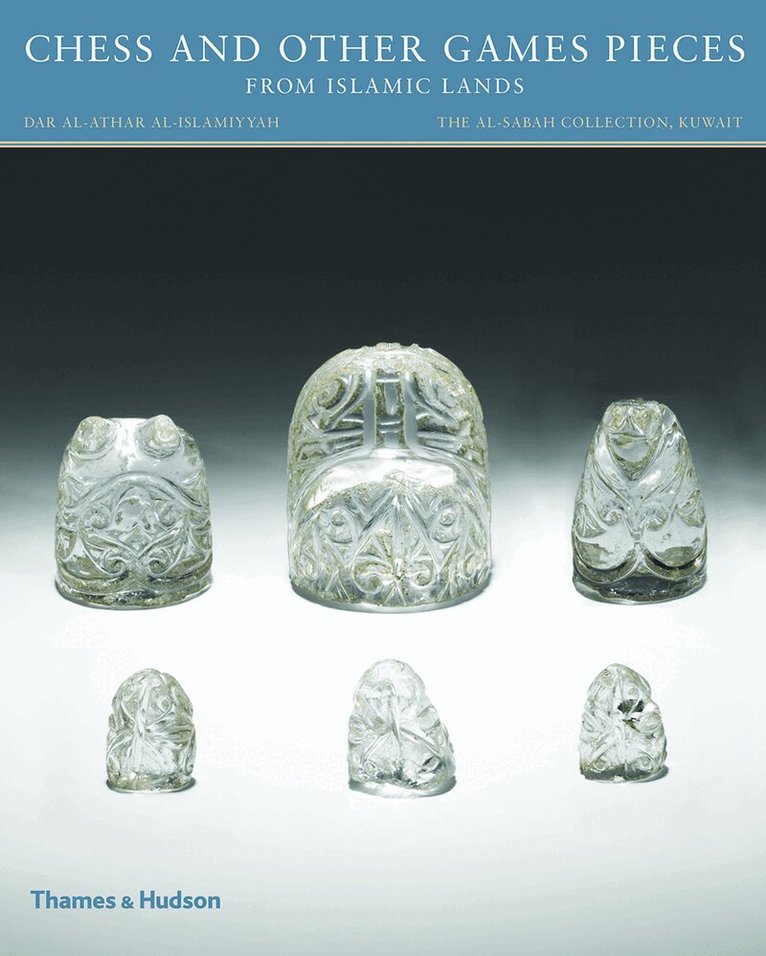
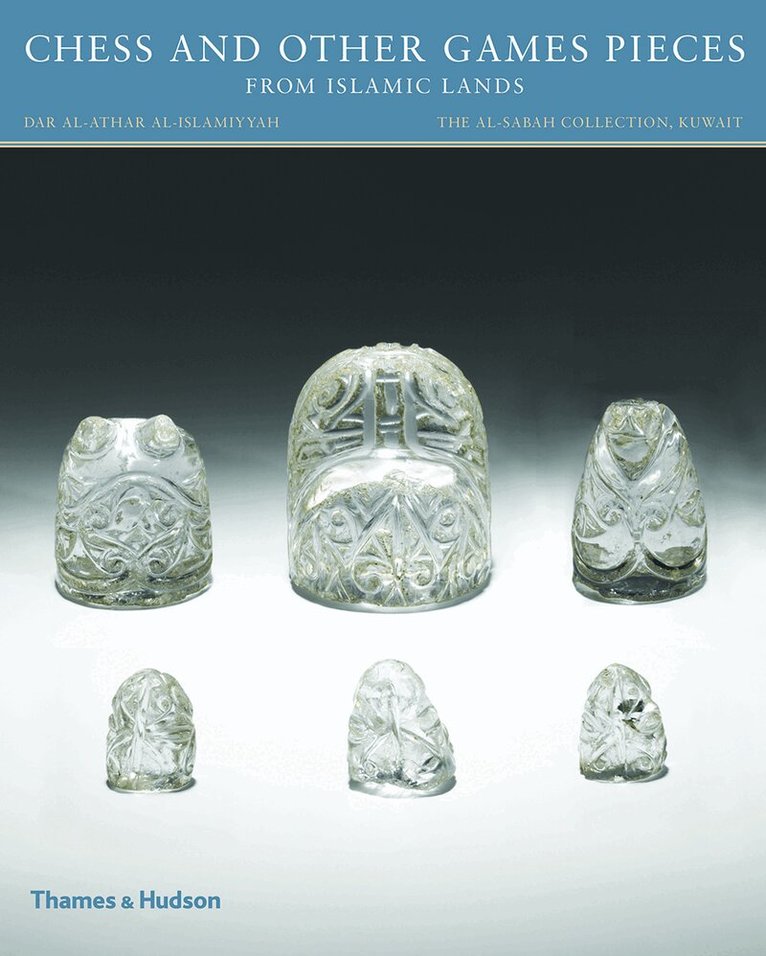
Among the many treasures of the al-Sabah Collection, Kuwait, are hundreds of chess and other games pieces dating from the 7th to the 19th centuries ce. Intricately crafted in a rich variety of materials, including ivory, wood, ceramic, glass, jade and agate, these tiny objects are of enormous historical and artistic significance. They not only mark the evolution of familiar games into their modern forms, but also evoke the imperial palaces, military camps and herders’ tents in which they were played over many centuries, from the Sasanian period through the Islamic era in Central Asia, Iran, present-day Iraq and northern India. The chess pieces include both early figural sets and the more abstract forms that later became popular throughout the Islamic world. Dice, pachesi sets and a medieval Arabic treatise on chess complete the collection.
287 kr
Skickas inom 7-10 vardagar
Among the many treasures of the al-Sabah Collection, Kuwait, are hundreds of chess and other games pieces dating from the 7th to the 19th centuries ce. Intricately crafted in a rich variety of materials, including ivory, wood, ceramic, glass, jade and agate, these tiny objects are of enormous historical and artistic significance. They not only mark the evolution of familiar games into their modern forms, but also evoke the imperial palaces, military camps and herders’ tents in which they were played over many centuries, from the Sasanian period through the Islamic era in Central Asia, Iran, present-day Iraq and northern India. The chess pieces include both early figural sets and the more abstract forms that later became popular throughout the Islamic world. Dice, pachesi sets and a medieval Arabic treatise on chess complete the collection.
475 kr
Skickas inom 7-10 vardagar
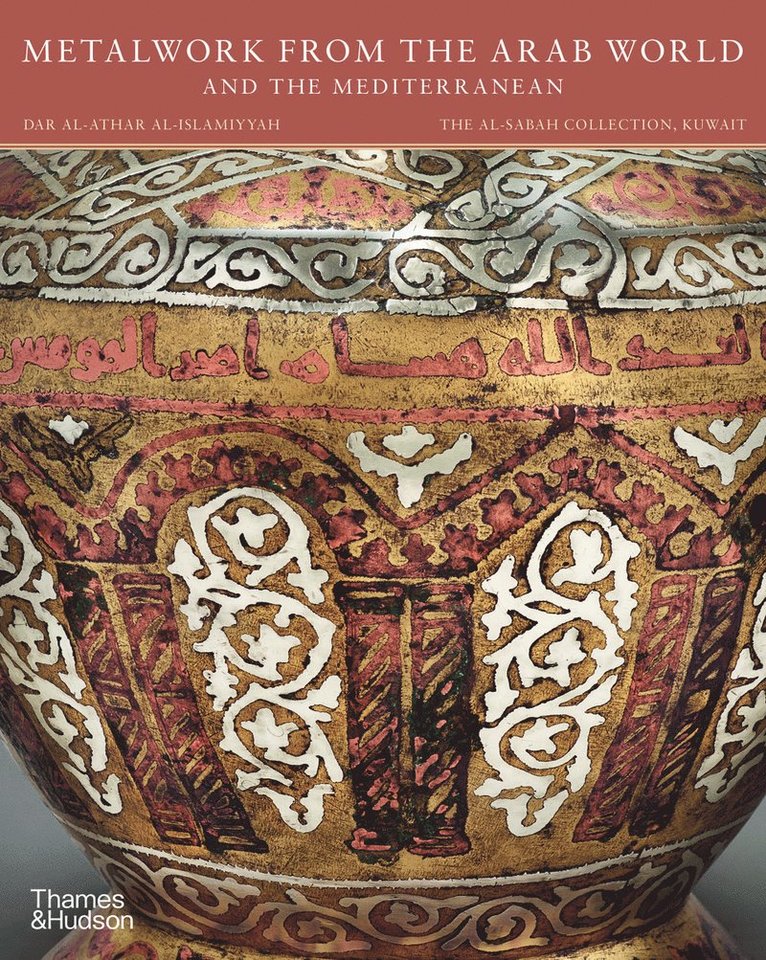
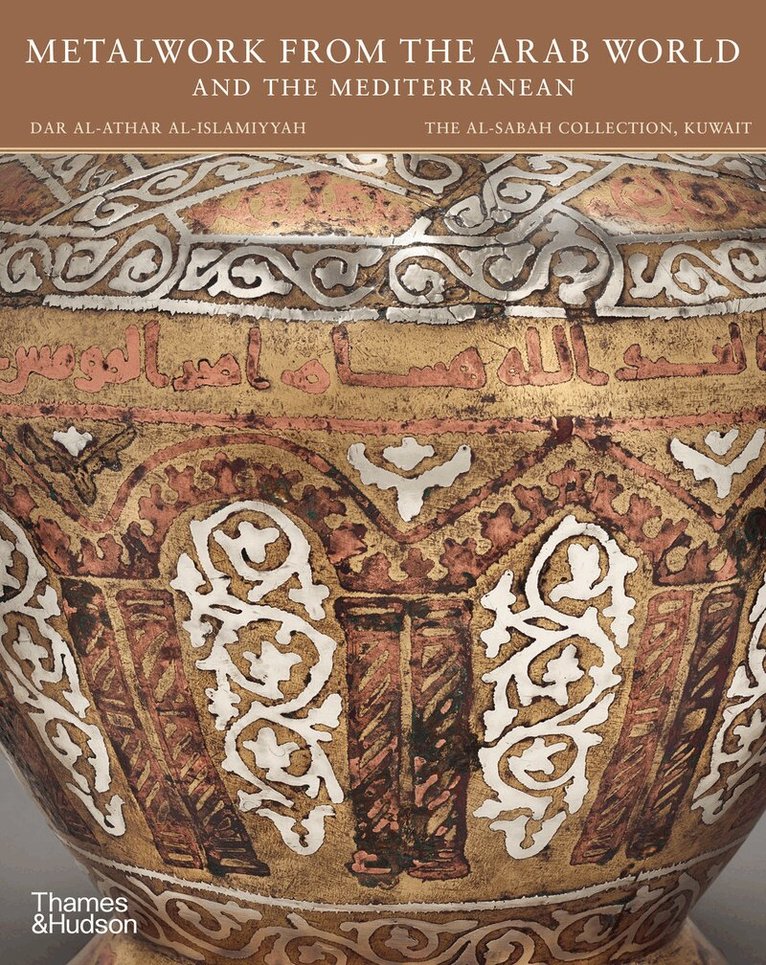
This volume presents vessels, fittings and other objects made in Syria, Egypt, Iraq and Yemen from the early Islamic period through to the end of the Ottoman era in the 19th century. The pieces include exquisite platters, serving-vessels, candlesticks and pen-boxes produced for royal courts, but also many beautifully decorated bronze domestic items, such as bowls, lunch-boxes, door-knockers, buckets and lamps. The metalwork traditions in this book reflect the complex history of the Arab world following the advent of Islam. The collection starts in the Late Antique period, which informed the early Islamic royal styles of the Umayyad, Abbasid and Fatimid dynasties, and goes on to trace the emergence of Mosul as a centre for metalwork in the 12th–13th centuries; the courtly Mamluk style during the Bahri period (1250–1380s); the Circassian era (1380s–1517); the growth of the European export market from the 15th century; distinctive vernacular styles in Yemen during the 14th–16th centuries; and the many revivals and fusions of international styles over six centuries of Ottoman rule (1517–1900s). Finally, an enigmatic group of zoomorphic fittings that defies easy dating is celebrated for the craftsmanship and charm of its animal figures. This beautifully illustrated volume features many important unpublished pieces and is essential reading for specialists, but it will fascinate and inform anyone with an interest in Islamic culture and history, metalwork and the decorative arts of the Arab world.With 350 illustrations
370 kr
Kommande
‘Outstanding … a valuable addition to the literature on Islamic art’ Asia – Art – Culture Metalwork from the Arab World and the Mediterranean presents vessels, fittings and other objects from the early Islamic period through to the end of the Ottoman era in the nineteenth century. All drawn from the unparalleled al-Sabah Collection, the pieces include exquisite platters, serving-vessels, candlesticks and pen-boxes produced for royal courts, but also many beautifully decorated bronze domestic items, such as bowls, lunch-boxes, door-knockers, buckets and lamps.
1 301 kr
Kommande
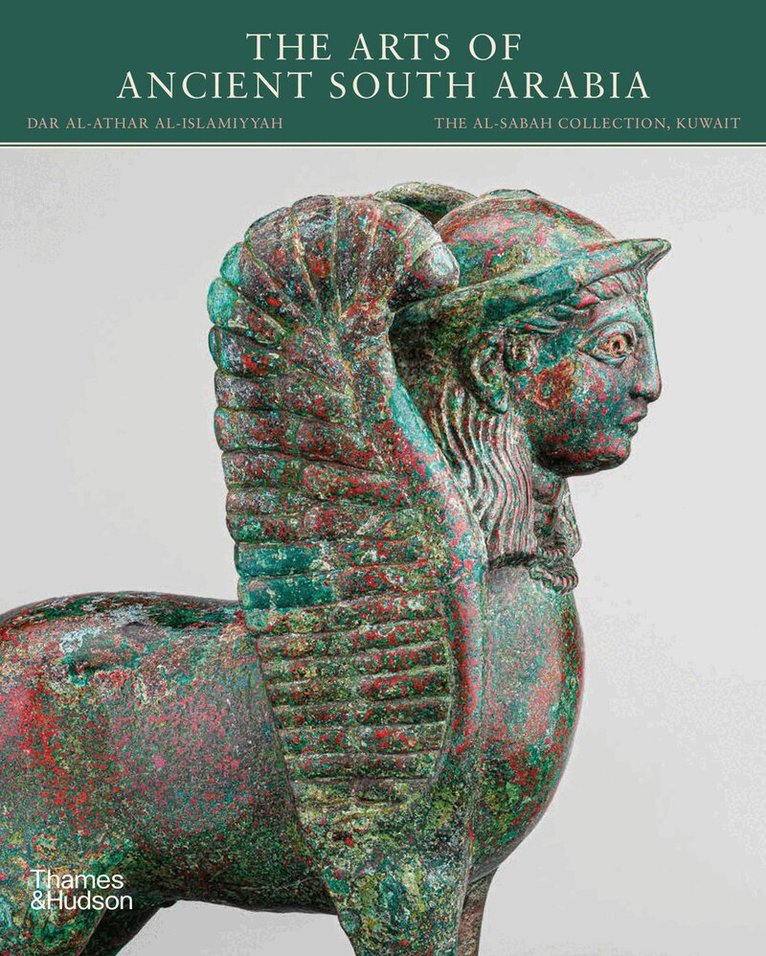
A superb collection of spectacular and varied pre-Islamic Arabian artefacts held by The al-Sabah Collection, Kuwait, many published here for the first time. Between the third millennium BCE and the third century CE the Arabian Peninsula – present-day Saudi Arabia, Oman, Yemen, United Arab Emirates, Qatar and Kuwait, as well as the Bahrain archipelago – lay at the centre of maritime trading routes between the Indian Ocean and the Mediterranean. Yet its fascinating pre-Islamic history has only recently begun to be communicated. A series of remarkable archaeological excavations over the past forty years have expanded the picture of the region beyond the simple nomadic desert pastoralism reported by scholars of early Islamic Arab sources. These developments in archaeology have enabled a complete reassessment of the wider history of ancient Arabia – now further illuminated by the spectacular and varied artefacts held by The al-Sabah Collection, Kuwait. This volume reveals superb examples of luxury metalware in bronze, silver and gold, created for a sophisticated elite familiar with trends in both the Greco-Roman world and eastern traditions. It also includes an impressive and diverse collection of funerary statues, stelae and carvings, many votive offerings to local deities, spectacular large loricate bronze statues from Yemen, and a range of intriguing objects that furnished homes and temples. The collection extends to a variety of gold jewellery, which has been examined and catalogued by ancient jewellery specialist Leila Ali Aquil. The inscriptions on these objects, freshly translated and annotated by epigraphist and pre-Islamic scholar Christian Robin, unlock many previously unknown aspects of South Arabian life and beliefs. This monumental volume is in two parts. Part 1 introduces the South Arabian region, its history, cultures, languages and architecture, providing a valuable and comprehensive overview and context. Part 2, by leading South Arabian archaeologist Sabina Antonini, comprises the catalogue of the collection itself, divided by object type. For art lovers, historians and philologists, this is a collection of unmatched quality and range from a region long shrouded in mystery, now revealed as a nexus of cultural antiquity.
628 kr
Skickas
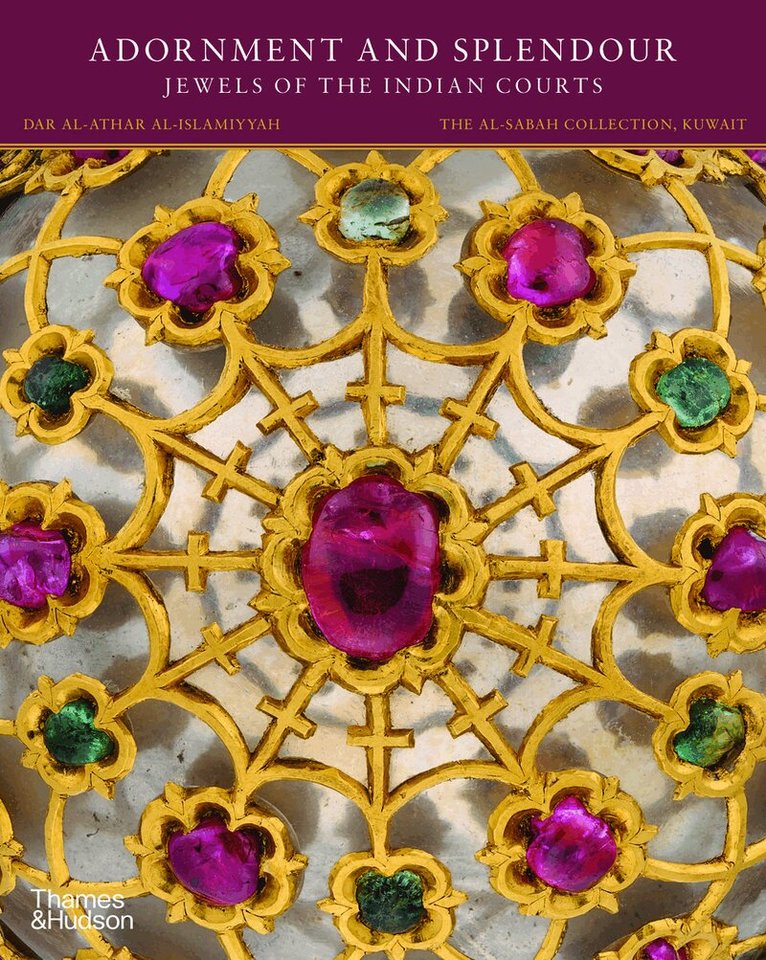
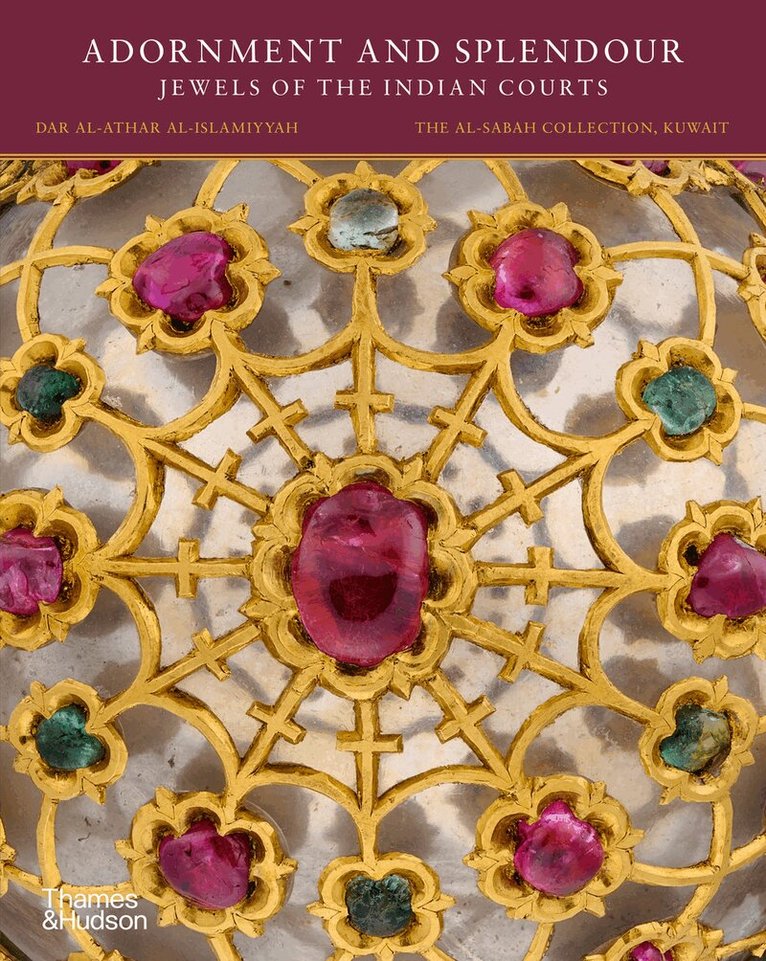
The definitive catalogue of an unparalleled collection of Indian jewelry and luxury objects made at the height of the Mughal empire and the Deccan sultanates. This is the definitive catalogue of an unparalleled collection of Indian jewelry and jewelled luxury objects made at the height of the Mughal empire and Deccan sultanates in the 16th and 17th centuries. The collection, widely regarded as one of the finest in the world, was assembled by Sheikh Nasser and Sheikha Hussa al-Sabah for The al-Sabah Collection, Kuwait, and reveals the beauty, sophistication and diversity of Indian jewelled arts. The Indian subcontinent is naturally rich in gems. From ancient times master jewellers developed a wide array of unique techniques and made it home to the most sophisticated jewels on earth. Exotic birds and animals, flowers, trees and mythological scenes rendered in precious gemstones, gold and enamel demonstrate these artists’ prodigious imagination and skill. They produced not only an unmatched range of jewelry to adorn the body but also ritual and household items of astonishing refinement and luxury, as well as extravagantly large engraved gemstones to serve as symbols of their princely patrons’ royal power – including a spinel of nearly 250 carats believed to be the legendary Timur Ruby. This volume includes not only the finest and most valuable pieces in the collection – some familiar to connoisseurs, others published here for the first time – but also many previously unknown types that extend our understanding of artistic output in the region. With specially commissioned photography giving unprecedented new views of more than 300 jewelled objects, this is a publication of historic importance and beauty, for all lovers of jewelry, the arts of India and of the Islamic world.
381 kr
Skickas inom 7-10 vardagar
The definitive catalogue of an unparalleled collection of Indian jewelry and luxury objects made at the height of the Mughal empire and the Deccan sultanates. This is the definitive catalogue of an unparalleled collection of Indian jewelry and jewelled luxury objects made at the height of the Mughal empire and Deccan sultanates in the 16th and 17th centuries. The collection, widely regarded as one of the finest in the world, was assembled by Sheikh Nasser and Sheikha Hussa al-Sabah for The al-Sabah Collection, Kuwait, and reveals the beauty, sophistication and diversity of Indian jewelled arts. The Indian subcontinent is naturally rich in gems. From ancient times master jewellers developed a wide array of unique techniques and made it home to the most sophisticated jewels on earth. Exotic birds and animals, flowers, trees and mythological scenes rendered in precious gemstones, gold and enamel demonstrate these artists’ prodigious imagination and skill. They produced not only an unmatched range of jewelry to adorn the body but also ritual and household items of astonishing refinement and luxury, as well as extravagantly large engraved gemstones to serve as symbols of their princely patrons’ royal power – including a spinel of nearly 250 carats believed to be the legendary Timur Ruby. This volume includes not only the finest and most valuable pieces in the collection – some familiar to connoisseurs, others published here for the first time – but also many previously unknown types that extend our understanding of artistic output in the region. With specially commissioned photography giving unprecedented new views of more than 300 jewelled objects, this is a publication of historic importance and beauty, for all lovers of jewelry, the arts of India and of the Islamic world.