American West in the Twentieth Century - Böcker
Visar alla böcker i serien American West in the Twentieth Century. Handla med fri frakt och snabb leverans.
4 produkter
4 produkter
214 kr
Skickas inom 10-15 vardagar
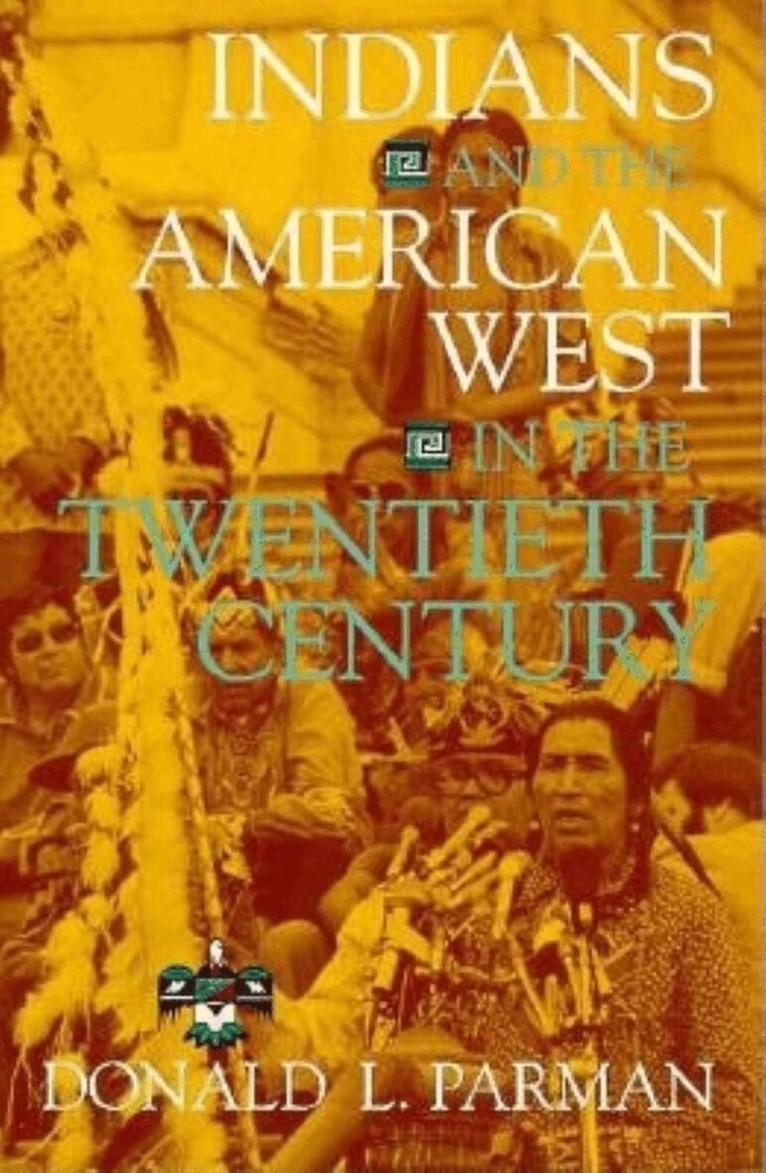
"Parman brings fresh life to some well-worked topics, while illuminating lesser-known developments of the postwar period and contextualizing Indian concerns within broader governmental and social dynamics. Both specialists and general readers will appreciate his succinct, informed treatment of 'the Indian problem' in the United States." —Gateway Heritage"Parman's accomplishment lies in his ability to synthesize the saga of the numerous interactions among those seeking dominance. . . . Parman's balanced and comprehensive overview provides a handy guide to the subject for upper-division undergraduate and graduate collections." —Choice"Indians and the American West in the Twentieth Century is an important contribution to understanding the development of the West and provides a clear and impressive analysis of evolving government policy and programs that impacted directly on the resident Indian people." —American Indian Culture and Research Journal"This is an impressive effort that provides the reader with a balanced view of a subject that tends to become polemic." —Books of the Southwest"The well-written and analytical narrative is backed with thirty-nine pages of notes and bibliography, which provide an enormous complement and establish a firm foundation of scholarship." —Nebraska History"This book is an important contribution that manages to give the reader a bird's-eye view of the regularities of twentieth-century Indian history, while at the same time conveying the local twists, complexities, and ironies of that history and of any generalizations we would make about it. . . . should be read by all scholars in Native American studies and American minority history." —Journal of American History"Parman's thoughtful book will be of interest to students, scholars, and anyone remotely interested in Indian-white relations during the twentieth century." —Pacific Historical Review"An appraisal that is both clear and balanced." —Margaret Connell Szasz, The University of New Mexico"Parman delivers on his promise to present a 'balanced' and 'objective' summary, and his synthesis is clearly written and enjoyable to read. The book holds important lessons for westerners and midwesterners." —The Annals of Iowa"Parman has written a concise overview that synthesizes the development of the twentieth-century West and how that development impacted Indian nations." —North Dakota HistoryA balanced and accessible overview of the last hundred years of Indian history in the American West. This even-handed and insightful account includes an assessment of the status of Native Americans in the West as the century comes to a close.
283 kr
Skickas inom 10-15 vardagar
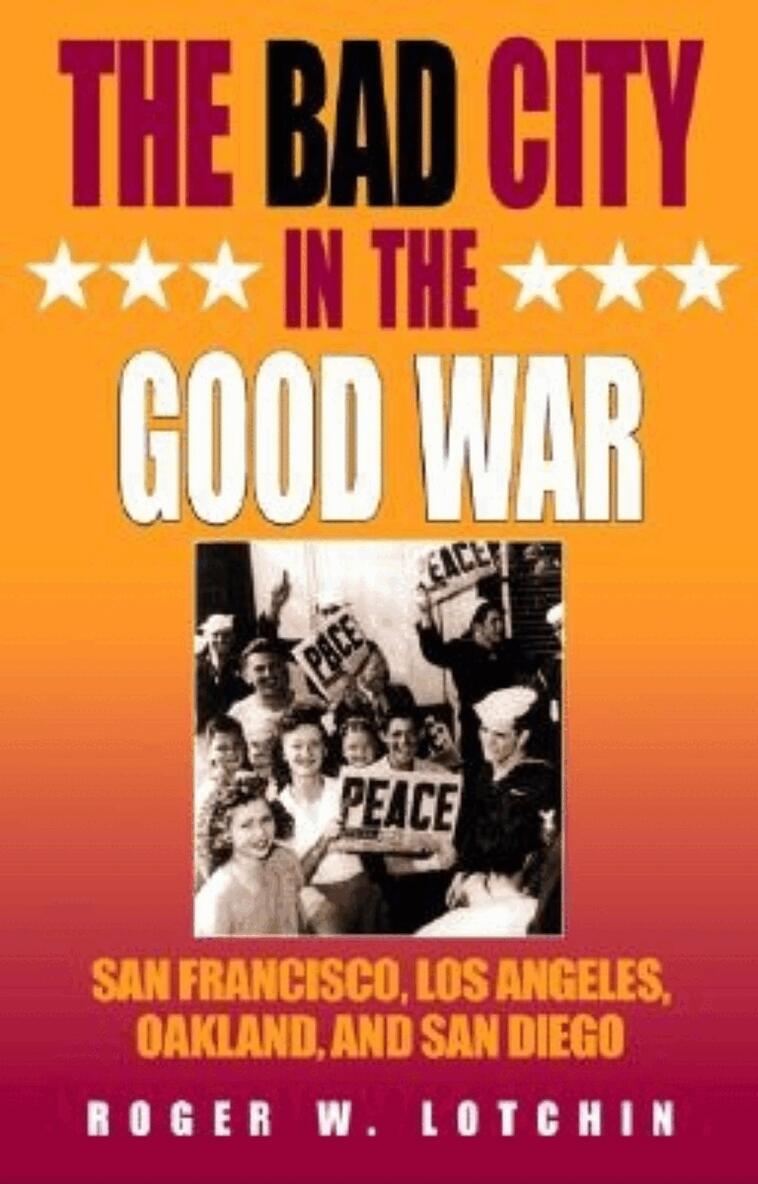
"Riders were very appropriate to a western war, but these horsemen could not have been more different. One group patrolled the oceanfront of 'The City' after dark. While the residents of the nearby Sunset District and Seacliff huddled around the radios in their living rooms, curtains pulled and blinds lowered, listening to war news or to 'One Man's Family,' other residents rode the beaches. Mounted on their own ponies, the men of the San Francisco Polo Club labored through the sands of China Beach, Baker Beach, and the Ten Mile Beach, looking for Imperial Japanese intruders." —from the bookIn the mythology of the West, the city was seen as a place of danger and corruption, but the "bad" city proved its mettle during the "Good War." In this book, Roger W. Lotchin has written the first comprehensive study of California's urban home front. United by fear of totalitarianism, the diverse population of California's cities came together to protect their homes and to aid in the war effort. Whether it involved fighting in Europe or Asia, migrating to a defense center, writing to service personnel at the front, building war machines in converted factories, giving pennies at school for war bonds, saving scrap material, or pounding a civil defense beat, urban California's participation was immediate, constant, and unflagging. Although many people worked in offices, factories, or barracks, the wartime community was also fed by a vast army of volunteers, which until now has been largely overlooked. The Bad City in the Good War is a comprehensive local history of the California home front that restores a little-known part of the story of the Second World War.
475 kr
Skickas inom 10-15 vardagar
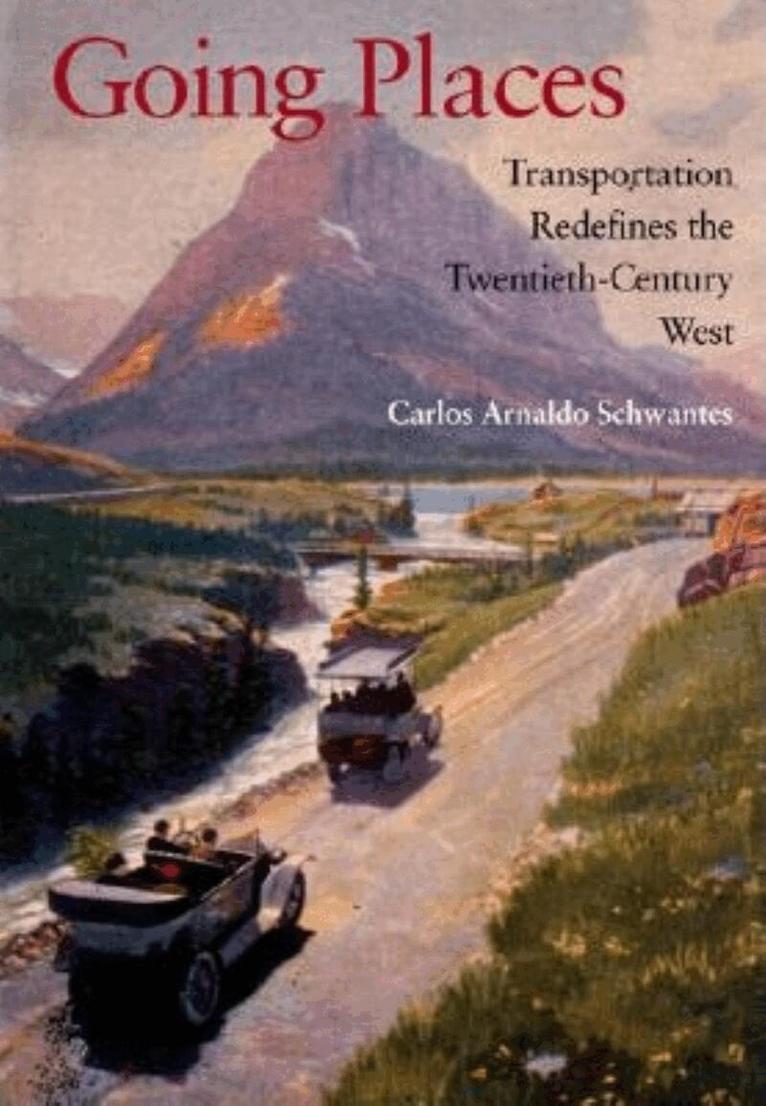
It seems difficult even to imagine the modern West without reference to its planes, trains, and automobiles. Freeways define modern Los Angeles, as Route 66 still recalls the freedom of the open road. Seattle, long home to Boeing, gave birth to jetliners such as the 707. And once trains with glamorous names like The Sunset Limited and The Great Northern Flyer carried passengers in posh luxury through the grand vistas of the West. "Railways, highways, and skyways link landscapes both ordinary and sublime for tourists in search of scenic splendor," observes Carlos Arnaldo Schwantes. But those same corridors often leaven despair with opportunity for those who dream that the mobility brought by car, train, and plane will help them find better jobs or escape from their pasts.Going Places looks at three major ways in which transportation has shaped the great Western landscape. There are the transformations brought about by a railroad right-of-way, highway corridors, waterways, and airports, and the larger impacts of transportation on the landscape, such as the development that followed the iron rails westward. Finally, Schwantes considers how travelers experience the passing landscape as framed by the windows of automobiles, passenger trains, and jetliners, and what that might mean. He examines the interconnections between railroad, highway, aviation, and waterways, and between society and modes of transportation. This masterful narrative travels the length and breadth of a vast space, with marvelous anecdotes and telling details that bring the story to life. More than 100 carefully selected photographs complement the text.
475 kr
Skickas inom 10-15 vardagar
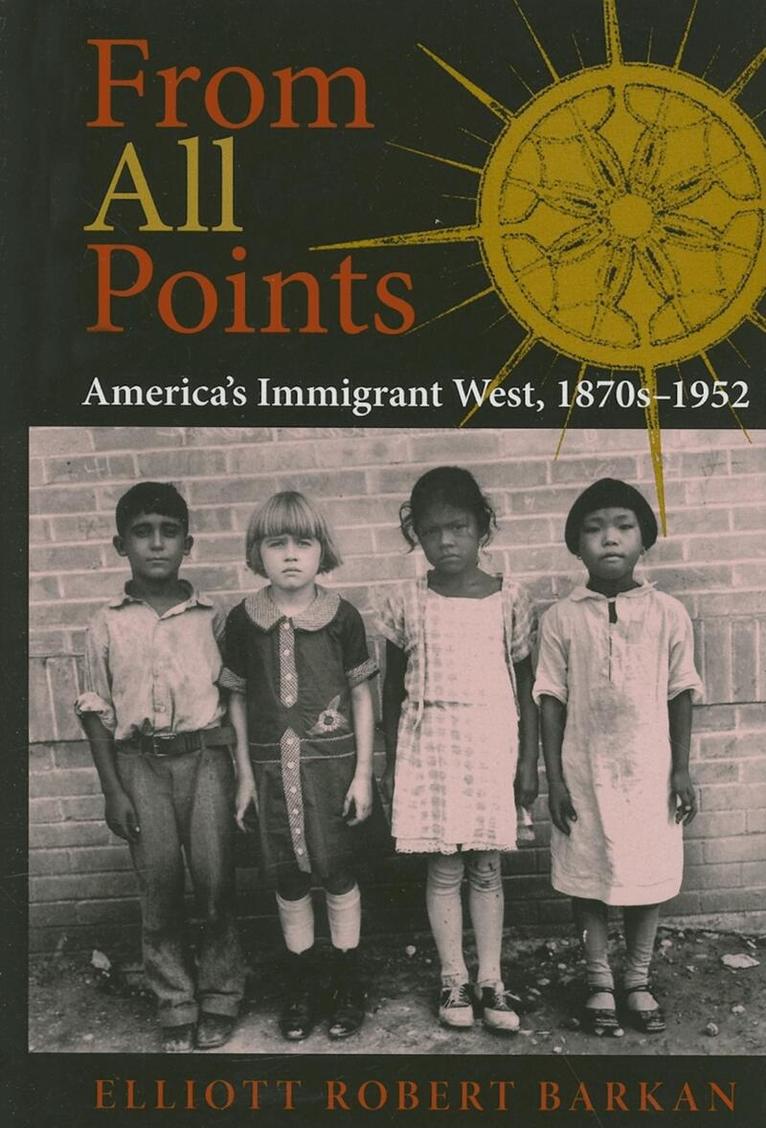
At a time when immigration policy is the subject of heated debate, this book makes clear that the true wealth of America is in the diversity of its peoples. By the end of the 20th century the American West was home to nearly half of America's immigrant population, including Asians and Armenians, Germans and Greeks, Mexicans, Italians, Swedes, Basques, and others. This book tells their rich and complex story—of adaptation and isolation, maintaining and mixing traditions, and an ongoing ebb and flow of movement, assimilation, and replenishment. These immigrants and their children built communities, added to the region's culture, and contended with discrimination and the lure of Americanization. The mark of the outsider, the alien, the nonwhite passed from group to group, even as the complexion of the region changed. The region welcomed, then excluded, immigrants, in restless waves of need and nativism that continue to this day.