America's Third Coast Series - Böcker
Visar alla böcker i serien America's Third Coast Series. Handla med fri frakt och snabb leverans.
17 produkter
17 produkter
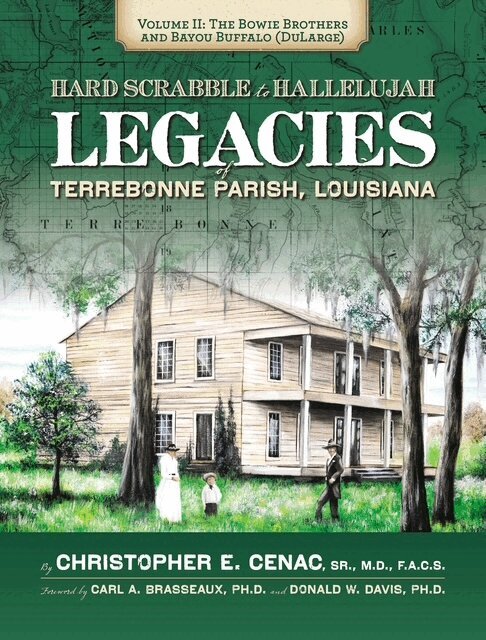
Hard Scrabble to Hallelujah, Volume 2: the Bowie Brothers and Bayou Buffalo, DuLarge
Legacies of Terrebonne Parish, Louisiana
Inbunden, Engelska, 2026
928 kr
Skickas inom 11-20 vardagar
276 kr
Skickas inom 7-10 vardagar
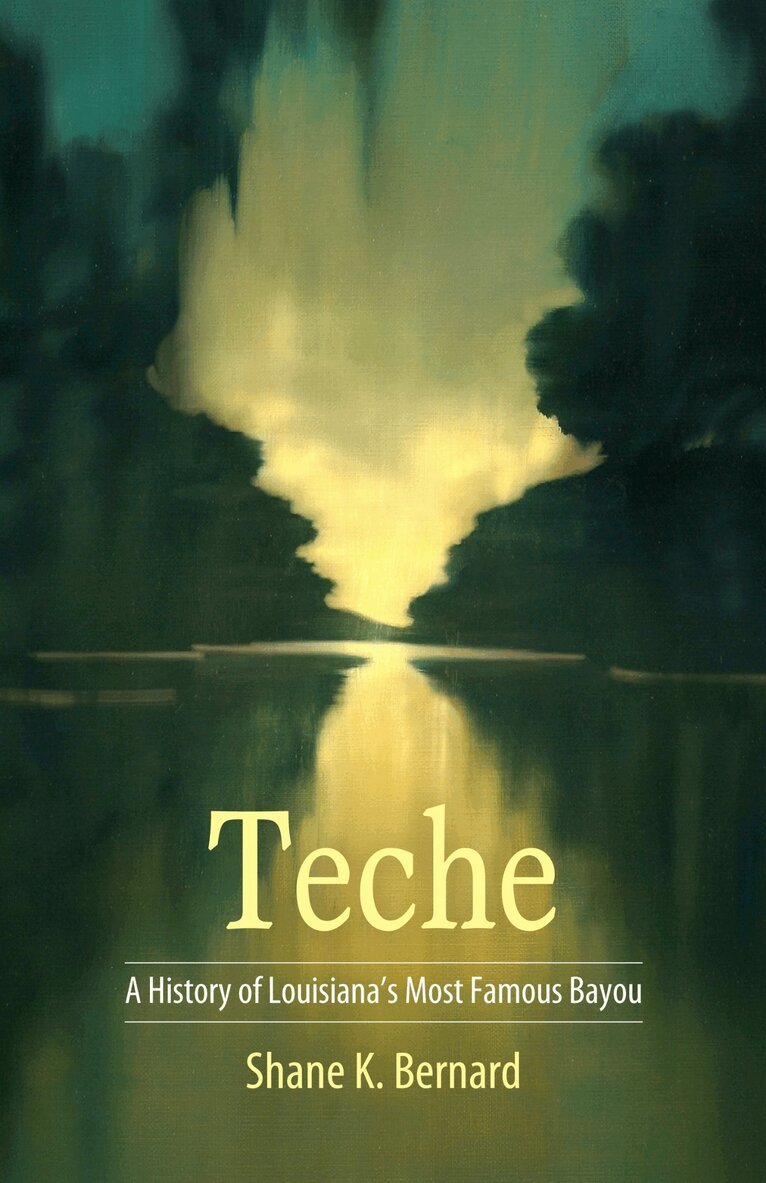
Shane K. Bernard's Teche examines this legendary waterway of the American Deep South. Bernard delves into the bayou's geologic formation as a vestige of the Mississippi and Red Rivers, its prehistoric Native American occupation, and its colonial settlement by French, Spanish, and, eventually, Anglo-American pioneers. He surveys the coming of indigo, cotton, and sugar; steam-powered sugar mills and riverboats; and the brutal institution of slavery. He also examines the impact of the Civil War on the Teche, depicting the running battles up and down the bayou and the sporadic gunboat duels, when ironclads clashed in the narrow confines of the dark, sluggish river.Describing the misery of the postbellum era, Bernard reveals how epic floods, yellow fever, racial violence, and widespread poverty disrupted the lives of those who resided under the sprawling, moss-draped live oaks lining the Teche's banks. Further, he chronicles the slow decline of the bayou, as the coming of the railroad, automobiles, and highways reduced its value as a means of travel. Finally, he considers modern efforts to redesign the Teche using dams, locks, levees, and other water-control measures. He examines the recent push to clean and revitalize the bayou after years of desecration by litter, pollutants, and invasive species. Illustrated with historic images and numerous maps, this book will be required reading for anyone seeking the colorful history of Louisiana and the Gulf Coast.As a bonus, the second part of the book describes Bernard's own canoe journey down the Teche's 125-mile course. This modern personal account from the field reveals the current state of the bayou and the remarkable people who still live along its banks.
345 kr
Skickas inom 3-6 vardagar
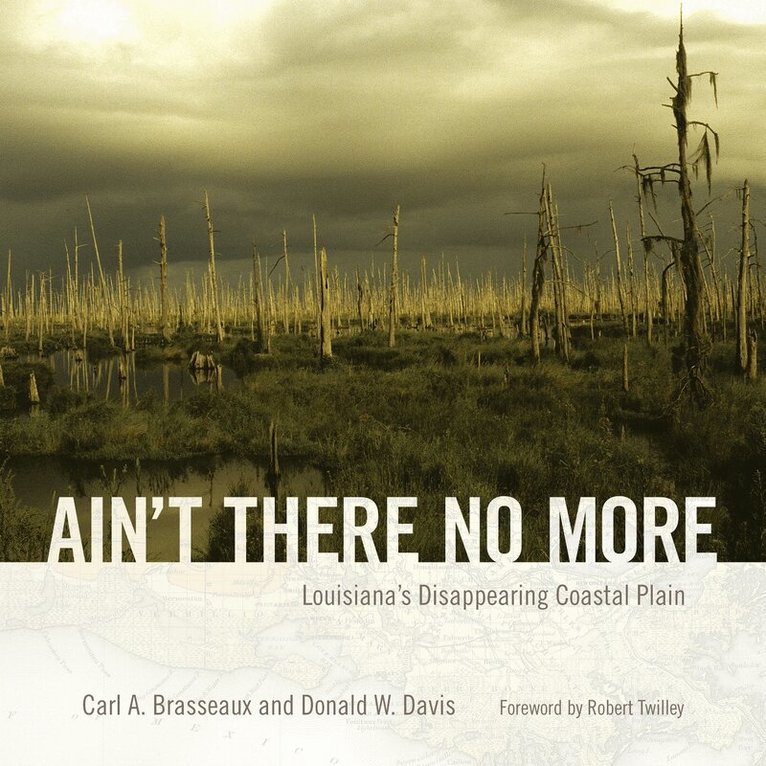
For centuries, outlanders have openly denigrated Louisiana's coastal wetlands residents and their stubborn refusal to abandon the region's fragile prairies tremblants despite repeated natural and, more recently, man-made disasters. Yet, the cumulative environmental knowledge these wetlands survivors have gained through painful experiences over the course of two centuries holds invaluable keys to the successful adaptation of modern coastal communities throughout the globe. As Hurricane Sandy recently demonstrated, coastal peoples everywhere face rising sea levels, disastrous coastal erosion, and, inevitably, difficult lifestyle choices.Along the Bayou State's coast the most insidious challenges are man-made. Since channelization of the Mississippi River in the wake of the 1927 flood, which diverted sediments and nutrients from the wetlands, coastal Louisiana has lost to erosion, subsidence, and rising sea levels a land mass roughly twice the size of Connecticut. State and national policymakers were unable to reverse this environmental catastrophe until Hurricane Katrina focused a harsh spotlight on the human consequences of eight decades of neglect. Yet, even today, the welfare of Louisiana's coastal plain residents remains, at best, an afterthought in state and national policy discussions.For coastal families, the Gulf water lapping at the doorstep makes this morass by no means a scholarly debate over abstract problems. Ain't There No More renders an easily read history filled with new insights and possibilities. Rare, previously unpublished images documenting a disappearing way of life accompany the narrative. The authors bring nearly a century of combined experience to distilling research and telling this story in a way invaluable to Louisianans, to policymakers, and to all those concerned with rising sea levels and seeking a long-term solution.
325 kr
Skickas inom 3-6 vardagar
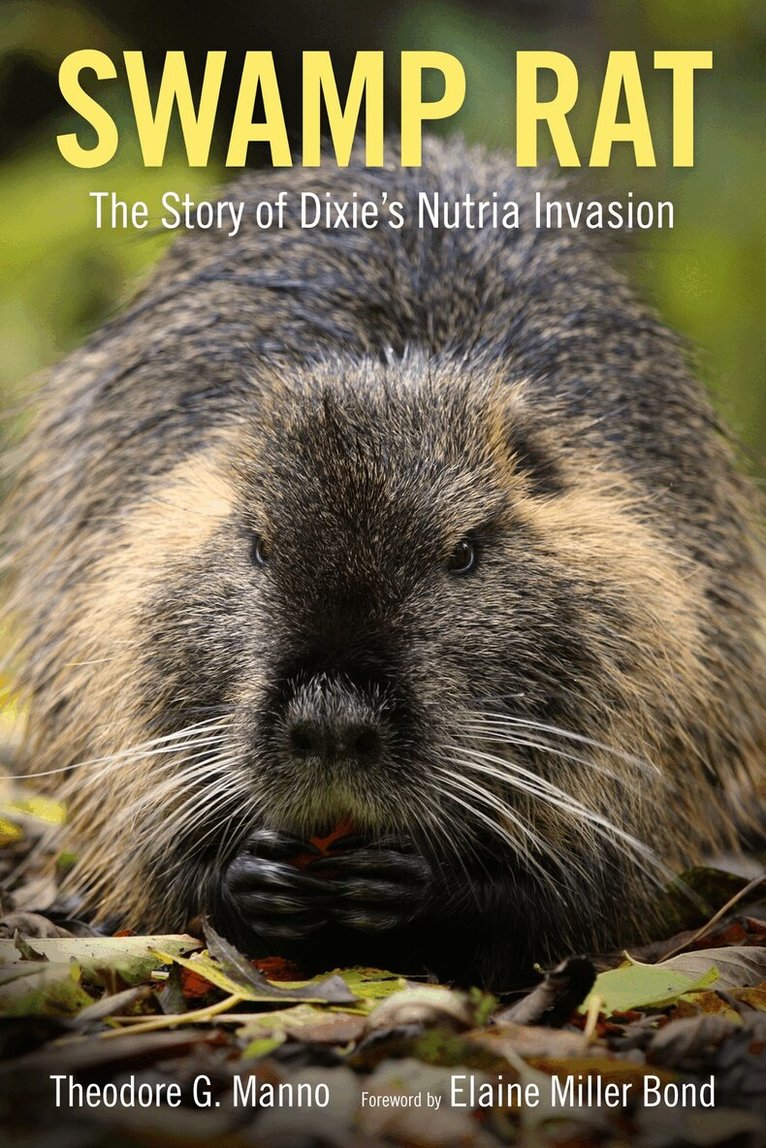
Theodore G. Manno traces the history of nutria from their natural range in South America to their status as an invasive species known for destroying the environmentally and economically important wetlands along the Gulf Coast. In this definitive book on “swamp rats,” Manno vividly recounts western expansion and the explosion of the American fur industry. Then he details an apocalyptic turn—to replace an overhunted beaver population in North America, humans introduced nutria.With an eclectic repertoire of true stories that read like fiction and are played out by larger-than-life characters, Manno conveys the legend of empire-seeking fur trappers, the bizarre miscommunications that led to nutria releases, and the sadness that comes with killing millions of nutria whose ancestors were never meant to leave their South American habitat. He tells of disastrous interactions among hungry nutria, storm surges from Hurricane Katrina, and major oil spills. His extensively researched and epic narrative,accompanied by more than thirty photographs and entertaining interviews with biologists, historians, fashion designers, and chefs, weaves a poignant tale of empire, conquest, fortune, even of Tabasco Sauce.Manno provides a full overview of what is currently known about nutria—a species now aggressively hunted with a bountyprogram because of their reputation for wetland destruction.
1 209 kr
Skickas inom 10-15 vardagar
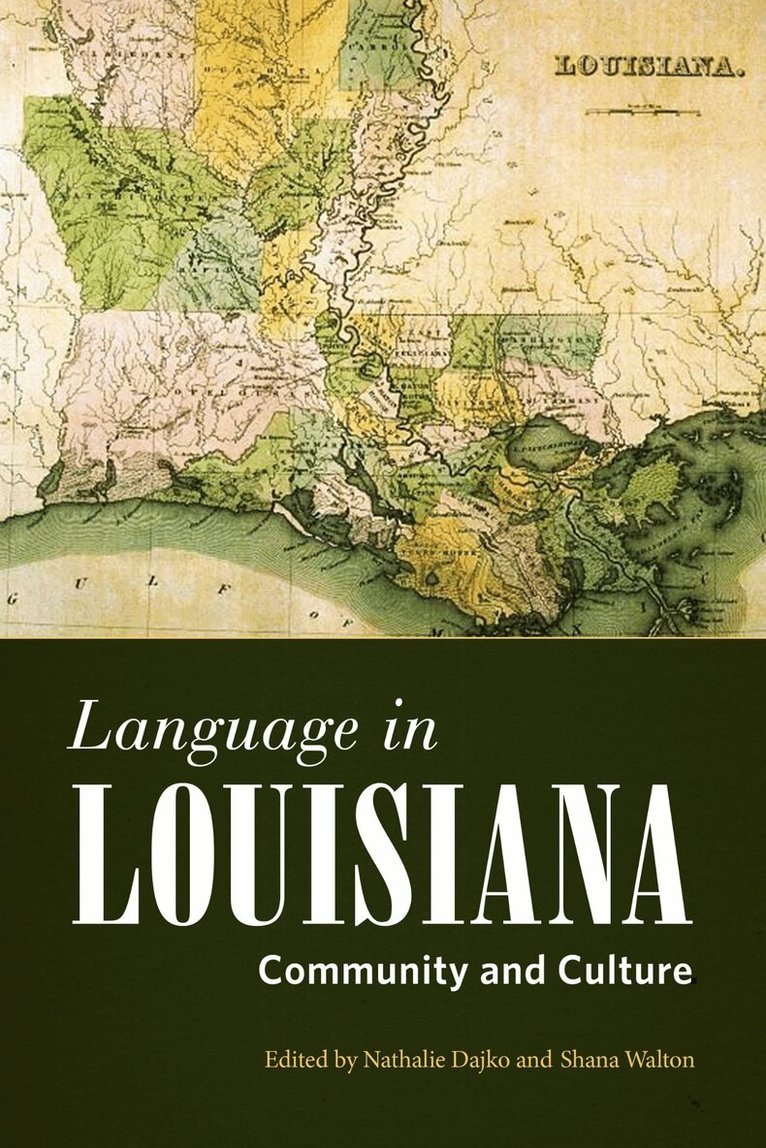
Contributions by Lisa Abney, Patricia Anderson, Albert Camp, Katie Carmichael, Christina Schoux Casey, Nathalie Dajko, Jeffery U. Darensbourg, Dorian Dorado, Connie Eble, Daniel W. Hieber, David Kaufman, Geoffrey Kimball, Thomas A. Klingler, Bertney Langley, Linda Langley, Shane Lief, Tamara Lindner, Judith M. Maxwell, Rafael Orozco, Allison Truitt, Shana Walton, and Robin White.Louisiana is often presented as a bastion of French culture and language in an otherwise English environment. The continued presence of French in south Louisiana and the struggle against the language's demise have given the state an aura of exoticism and at the same time have strained serious focus on that language. Historically, however, the state has always boasted a multicultural, polyglot population. From the scores of indigenous languages used at the time of European contact to the importation of African and European languages during the colonial period to the modern invasion of English and the arrival of new immigrant populations, Louisiana has had and continues to enjoy a rich linguistic palate.Language in Louisiana: Community and Culture brings together for the first time work by scholars and community activists, all experts on the cutting edge of research. In sixteen chapters, the authors present the state of languages and of linguistic research on topics such as indigenous language documentation and revival; variation in, attitudes toward, and educational opportunities in Louisiana's French varieties; current research on rural and urban dialects of English, both in south Louisiana and in the long-neglected northern parishes; and the struggles more recent immigrants face to use their heritage languages and deal with language-based regulations in public venues. This volume will be of value to both scholars and general readers interested in a comprehensive view of Louisiana's linguistic landscape.
317 kr
Skickas inom 7-10 vardagar
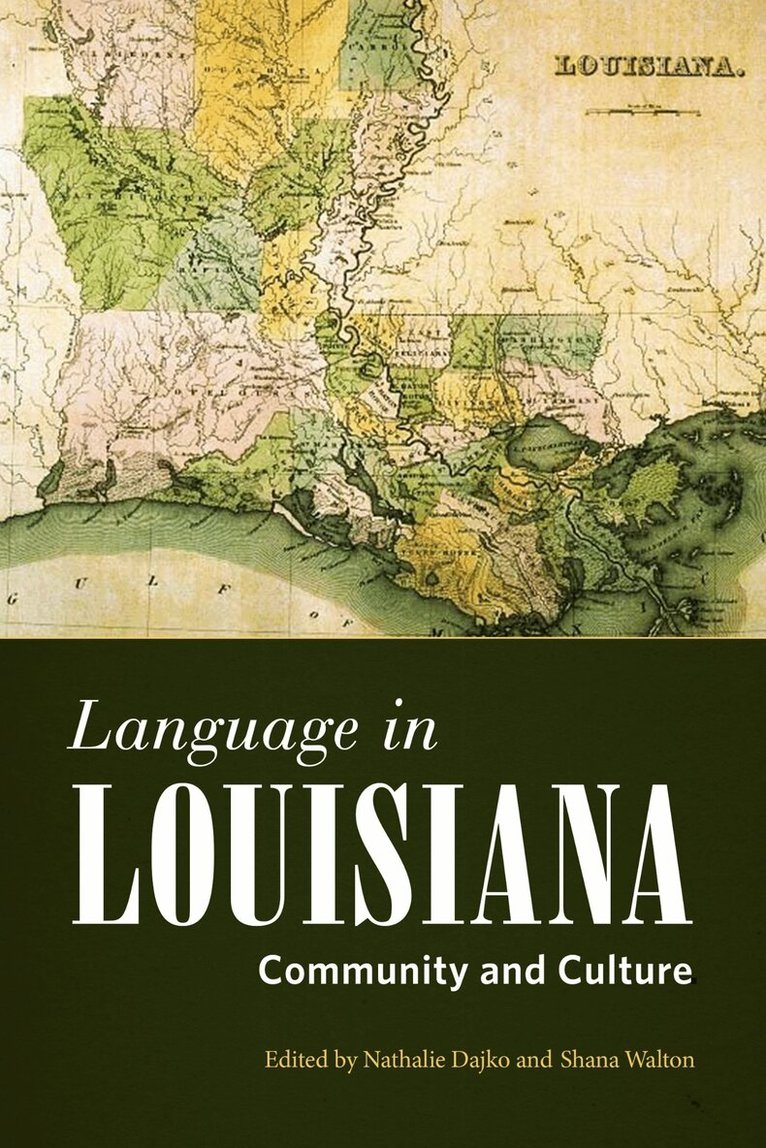
Contributions by Lisa Abney, Patricia Anderson, Albert Camp, Katie Carmichael, Christina Schoux Casey, Nathalie Dajko, Jeffery U. Darensbourg, Dorian Dorado, Connie Eble, Daniel W. Hieber, David Kaufman, Geoffrey Kimball, Thomas A. Klingler, Bertney Langley, Linda Langley, Shane Lief, Tamara Lindner, Judith M. Maxwell, Rafael Orozco, Allison Truitt, Shana Walton, and Robin White.Louisiana is often presented as a bastion of French culture and language in an otherwise English environment. The continued presence of French in south Louisiana and the struggle against the language's demise have given the state an aura of exoticism and at the same time have strained serious focus on that language. Historically, however, the state has always boasted a multicultural, polyglot population. From the scores of indigenous languages used at the time of European contact to the importation of African and European languages during the colonial period to the modern invasion of English and the arrival of new immigrant populations, Louisiana has had and continues to enjoy a rich linguistic palate.Language in Louisiana: Community and Culture brings together for the first time work by scholars and community activists, all experts on the cutting edge of research. In sixteen chapters, the authors present the state of languages and of linguistic research on topics such as indigenous language documentation and revival; variation in, attitudes toward, and educational opportunities in Louisiana's French varieties; current research on rural and urban dialects of English, both in south Louisiana and in the long-neglected northern parishes; and the struggles more recent immigrants face to use their heritage languages and deal with language-based regulations in public venues. This volume will be of value to both scholars and general readers interested in a comprehensive view of Louisiana's linguistic landscape.
1 209 kr
Skickas inom 10-15 vardagar
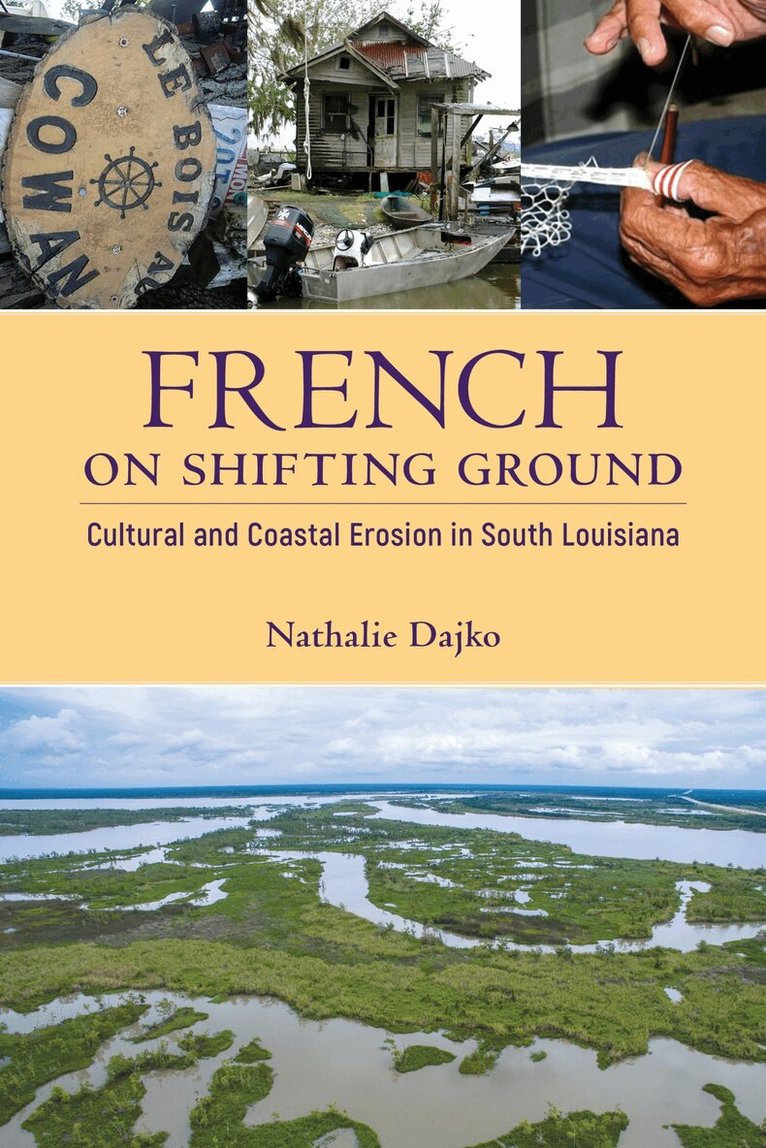
In French on Shifting Ground: Cultural and Coastal Erosion in South Louisiana, Nathalie Dajko introduces readers to the lower Lafourche Basin, Louisiana, where the land, a language, and a way of life are at risk due to climate change, environmental disaster, and coastal erosion. Louisiana French is endangered all around the state, but in the lower Lafourche Basin the shift to English is accompanied by the equally rapid disappearance of the land on which its speakers live.French on Shifting Ground allows both scholars and the general public to get an overview of how rich and diverse the French language in Louisiana is, and serves as a key reminder that Louisiana serves as a prime repository for Native and heritage languages, ranking among the strongest preservation regions in the southern and eastern US. Nathalie Dajko outlines the development of French in the region, highlighting the features that make it unique in the world and including the first published comparison of the way it is spoken by the local American Indian and Cajun populations.She then weaves together evidence from multiple lines of linguistic research, years of extensive participant observation, and personal narratives from the residents themselves to illustrate the ways in which language - in this case French - is as fundamental to the creation of place as is the physical landscape. It is a story at once scholarly and personal: the loss of the land and the concomitant loss of the language have implications for the academic community as well as for the people whose cultures - and identities - are literally at stake.
371 kr
Skickas inom 7-10 vardagar
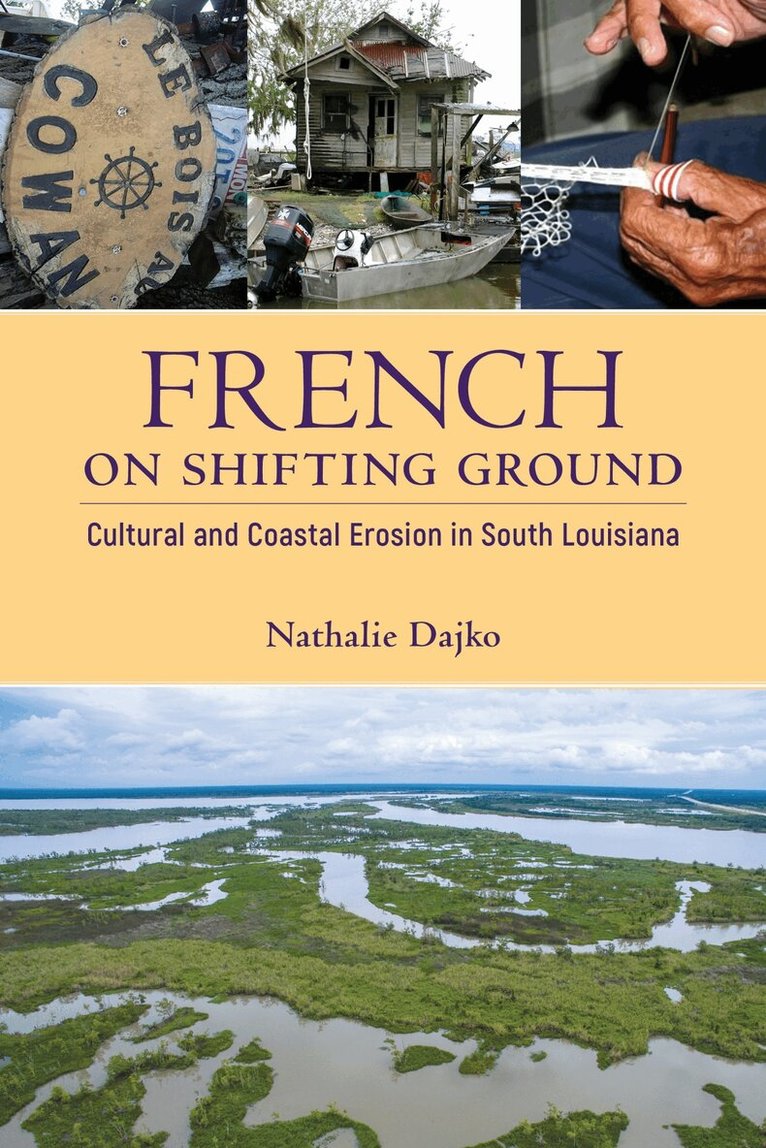
In French on Shifting Ground: Cultural and Coastal Erosion in South Louisiana, Nathalie Dajko introduces readers to the lower Lafourche Basin, Louisiana, where the land, a language, and a way of life are at risk due to climate change, environmental disaster, and coastal erosion. Louisiana French is endangered all around the state, but in the lower Lafourche Basin the shift to English is accompanied by the equally rapid disappearance of the land on which its speakers live.French on Shifting Ground allows both scholars and the general public to get an overview of how rich and diverse the French language in Louisiana is, and serves as a key reminder that Louisiana serves as a prime repository for Native and heritage languages, ranking among the strongest preservation regions in the southern and eastern US. Nathalie Dajko outlines the development of French in the region, highlighting the features that make it unique in the world and including the first published comparison of the way it is spoken by the local American Indian and Cajun populations.She then weaves together evidence from multiple lines of linguistic research, years of extensive participant observation, and personal narratives from the residents themselves to illustrate the ways in which language - in this case French - is as fundamental to the creation of place as is the physical landscape. It is a story at once scholarly and personal: the loss of the land and the concomitant loss of the language have implications for the academic community as well as for the people whose cultures - and identities - are literally at stake.
308 kr
Skickas inom 10-15 vardagar
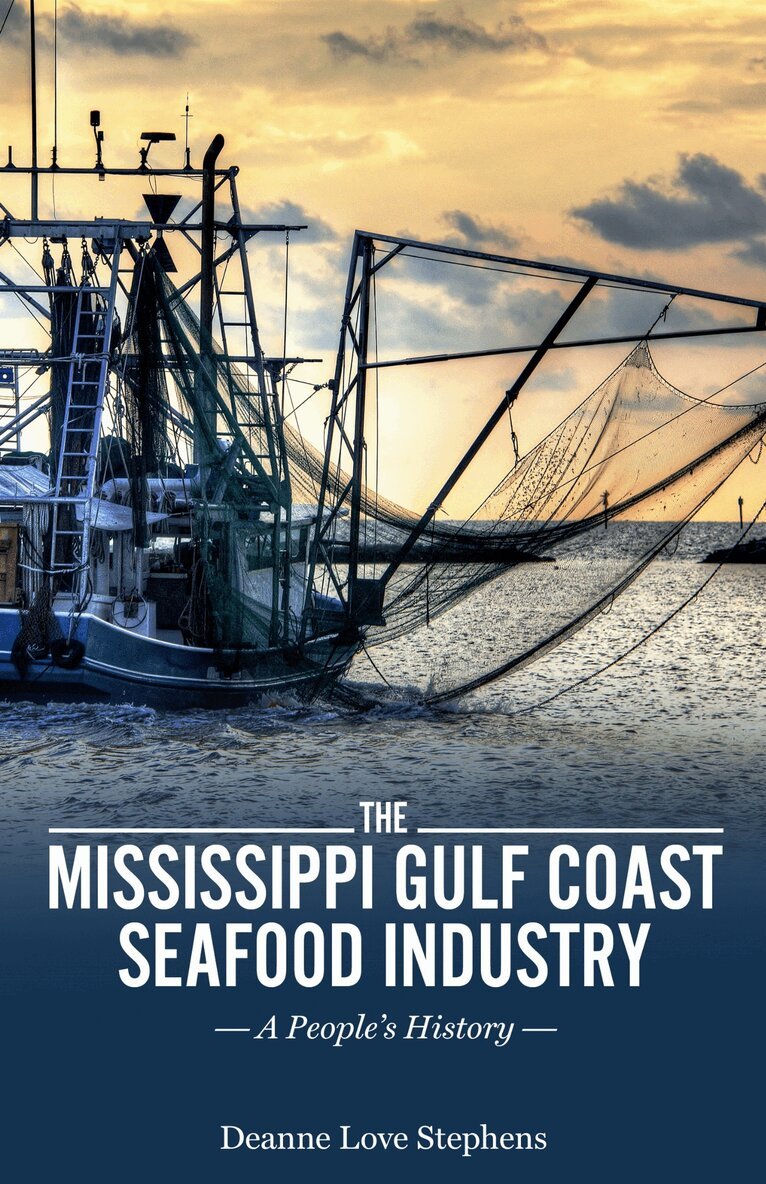
The seafood industry on the coast of Mississippi has attracted waves of immigrants and other workers-oftentimes folks who were either already acquainted with maritime livelihoods or those who quickly adapted to the resources of the region. For generations the industry has provided employment and sustenance to Coast peoples. Deanne Love Stephens tells their stories and identifies key populations who have worked this harvest. Oyster and shrimp processing were the most significant of these trades, and much of the Gulf Coast's history follows these two delicacies. Harvesting, processing, and marketing oyster and shrimp products built the Mississippi seafood industry and powered the growth of the entire coastal region. This book is the first to offer a broad view of the many ethnic groups and distinct populations who toiled in the oyster and shrimp industries. Relying heavily upon contemporary newspapers, oral histories, and interviews to create a rich picture of the industry and its workers, the author presents the history of laboring people who daily toiled in factories and often went unheard and unrecognized. Stephens provides an overview of significant early developments and the beginnings of the industry, considering the development of railroad expansion, lighthouse construction, and ice technology. She covers significant state and federal legislation that both defined and protected marine resources, illustrating the depth of the industry's importance as Mississippians wrestled with adequate protective measures to preserve oyster and shrimp resources throughout the nineteenth and twentieth centuries.
384 kr
Skickas inom 7-10 vardagar
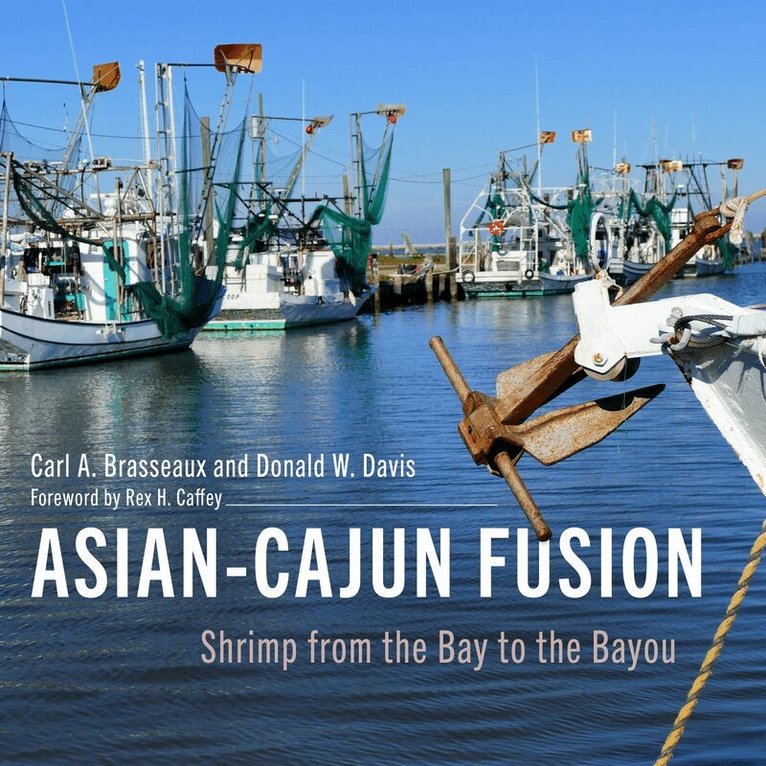
Shrimp is easily America’s favorite seafood, but its very popularity is the wellspring of problems that threaten the shrimp industry’s existence. Asian-Cajun Fusion: Shrimp from the Bay to the Bayou provides insightful analysis of this paradox and a detailed, thorough history of the industry in Louisiana.Dried shrimp technology was part of the cultural heritage Pearl River Chinese immigrants introduced into the Americas in the mid-nineteenth century. As early as 1870, Chinese natives built shrimp-drying operations in Louisiana’s wetlands and exported the product to Asia through the port of San Francisco. This trade internationalized the shrimp industry. About three years before Louisiana’s Chinese community began their export endeavors, manufactured ice became available in New Orleans, and the Dunbar family introduced patented canning technology. The convergence of these ancient and modern technologies shaped the evolution of the northern Gulf Coast’s shrimp industry to the present.Coastal Louisiana’s historic connection to the Pacific Rim endures. Not only does the region continue to export dried shrimp to Asian markets domestically and internationally, but since 2000 the region’s large Vietnamese immigrant population has increasingly dominated Louisiana’s fresh shrimp harvest. Louisiana shrimp constitute the American gold standard of raw seafood excellence. Yet, in the second decade of the twenty-first century, cheap imports are forcing the nation’s domestic shrimp industry to rediscover its economic roots. "Fresh off the boat" signs and real-time internet connections with active trawlers are reestablishing the industry’s ties to local consumers. Direct marketing has opened the industry to middle-class customers who meet the boats at the docks. This "right off the boat" paradigm appears to be leading the way to reestablishment of sustainable aquatic resources. All-one-can-eat shrimp buffets are not going to disappear, but the Louisiana shrimp industry’s fate will ultimately be determined by discerning consumers’ palates.
1 192 kr
Skickas inom 7-10 vardagar
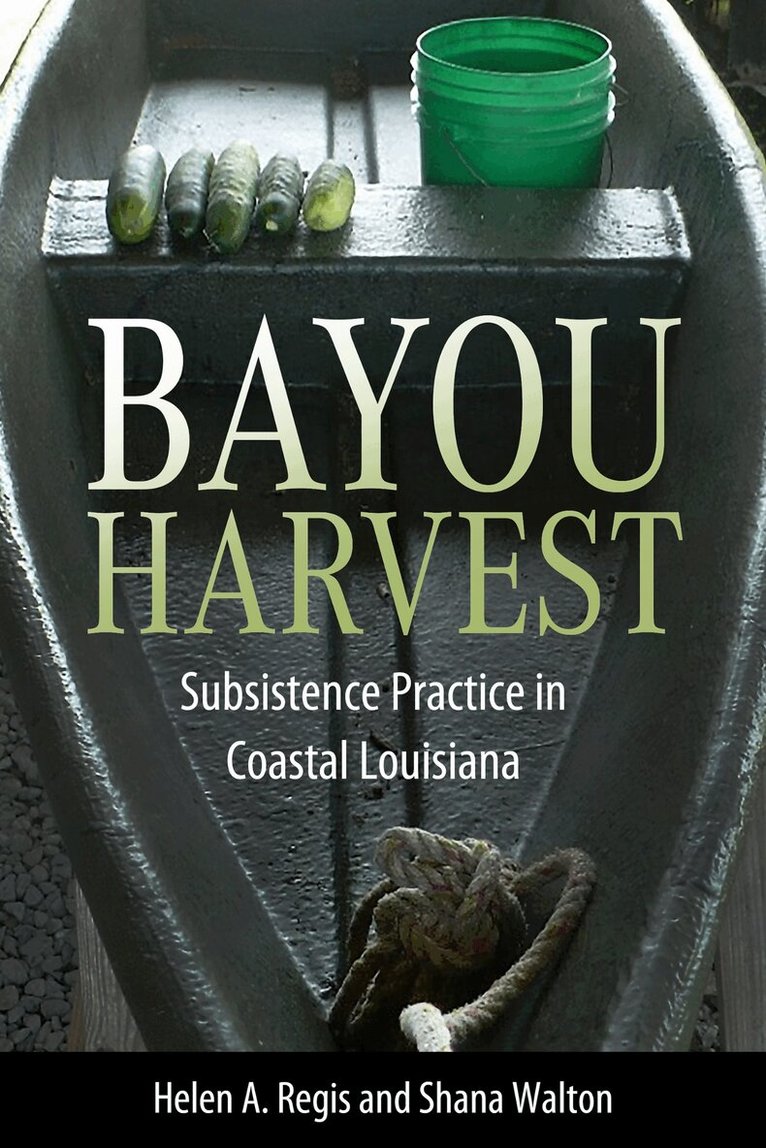
To inhabitants of the Gulf Coast region of Louisiana, food is much more than nourishment. The acts of gathering, preparing, and sharing food are ways to raise children, bond with friends, and build community. In Bayou Harvest: Subsistence Practice in Coastal Louisiana, Shana Walton and Helen A. Regis examine how coastal residents deploy self-reliance and care for each other through harvesting and sharing food. Pulling from four years of fieldwork and study, Walton and Regis explore harvesting, hunting, and foraging by Native Americans, Cajuns, and other Bayou residents. This engagement with Indigenous thinkers and their neighbors yields a multifaceted view of subsistence in Louisiana. Readers will learn about coastal residents’ love for the land and water, their deep connections to place, and how they identify with their food and game heritage. The book also delves into their worries about the future, particularly storms, pollution, and land loss in the coastal region. Using a set of narratives that documents the everyday food practices of these communities, the authors conclude that subsistence is not so much a specific tasks like peeling shrimp or harvesting sassafras, but is fundamentally about what these activities mean to the people of the coast. Drawn together with immersive writing, this book explores a way of life that is vibrant, built on deep historical roots, and profoundly threatened by the gulf’s shrinking coast.
317 kr
Skickas inom 7-10 vardagar
To inhabitants of the Gulf Coast region of Louisiana, food is much more than nourishment. The acts of gathering, preparing, and sharing food are ways to raise children, bond with friends, and build community. In Bayou Harvest: Subsistence Practice in Coastal Louisiana, Shana Walton and Helen A. Regis examine how coastal residents deploy self-reliance and care for each other through harvesting and sharing food. Pulling from four years of fieldwork and study, Walton and Regis explore harvesting, hunting, and foraging by Native Americans, Cajuns, and other Bayou residents. This engagement with Indigenous thinkers and their neighbors yields a multifaceted view of subsistence in Louisiana. Readers will learn about coastal residents’ love for the land and water, their deep connections to place, and how they identify with their food and game heritage. The book also delves into their worries about the future, particularly storms, pollution, and land loss in the coastal region. Using a set of narratives that documents the everyday food practices of these communities, the authors conclude that subsistence is not so much a specific tasks like peeling shrimp or harvesting sassafras, but is fundamentally about what these activities mean to the people of the coast. Drawn together with immersive writing, this book explores a way of life that is vibrant, built on deep historical roots, and profoundly threatened by the gulf’s shrinking coast.
263 kr
Skickas inom 7-10 vardagar
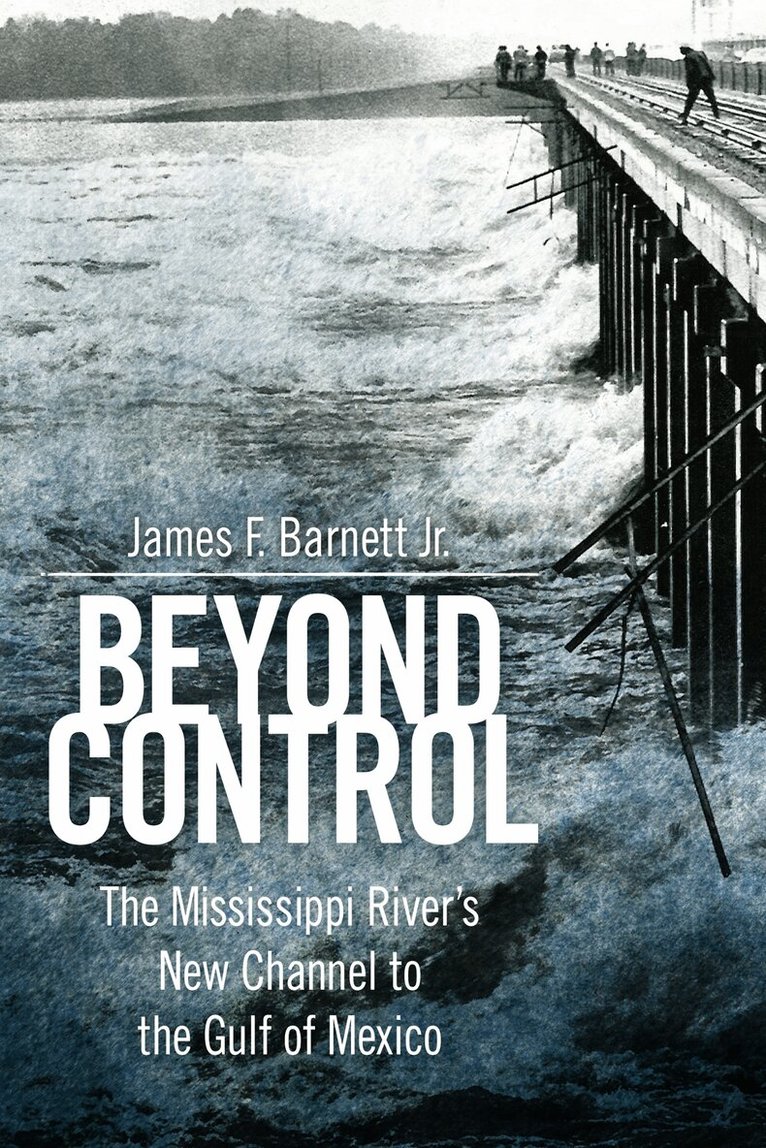
Beyond Control reveals the Mississippi as a waterway of change, unnaturally confined by ever-larger levees and control structures. During the great flood of 1973, the current scoured a hole beneath the main structure near Baton Rouge and enlarged a pre-existing football-field-size crater. That night the Mississippi River nearly changed its course for a shorter and steeper path to the sea. Such a map-changing reconfiguration of the country’s largest river would bear national significance as well as disastrous consequences for New Orleans and towns like Morgan City, at the mouth of the Atchafalaya River. Since 1973, the US Army Corps of Engineers Control Complex at Old River has kept the Mississippi from jumping out of its historic channel and plunging through the Atchafalaya Basin to the Gulf of Mexico.Beyond Control traces the history of this phenomenon, beginning with a major channel shift around 3,000 years ago. By the time European colonists began to explore the Lower Mississippi Valley, a unique confluence of waterways had formed where the Red River joined the Mississippi, and the Atchafalaya River flowed out into the Atchafalaya Basin. A series of human alterations to this potentially volatile web of rivers, starting with a bend cutoff in 1831 by Captain Henry Miller Shreve, set the forces in motion for the Mississippi’s move into the Atchafalaya Basin.Told against the backdrop of the Lower Mississippi River’s impending diversion, the book’s chapters chronicle historic floods, rising flood crests, a changing strategy for flood protection, and competing interests in the management of the Old River outlet. Beyond Control is both a history and a close look at an inexorable, living process happening now in the twenty-first century.
1 071 kr
Skickas inom 7-10 vardagar
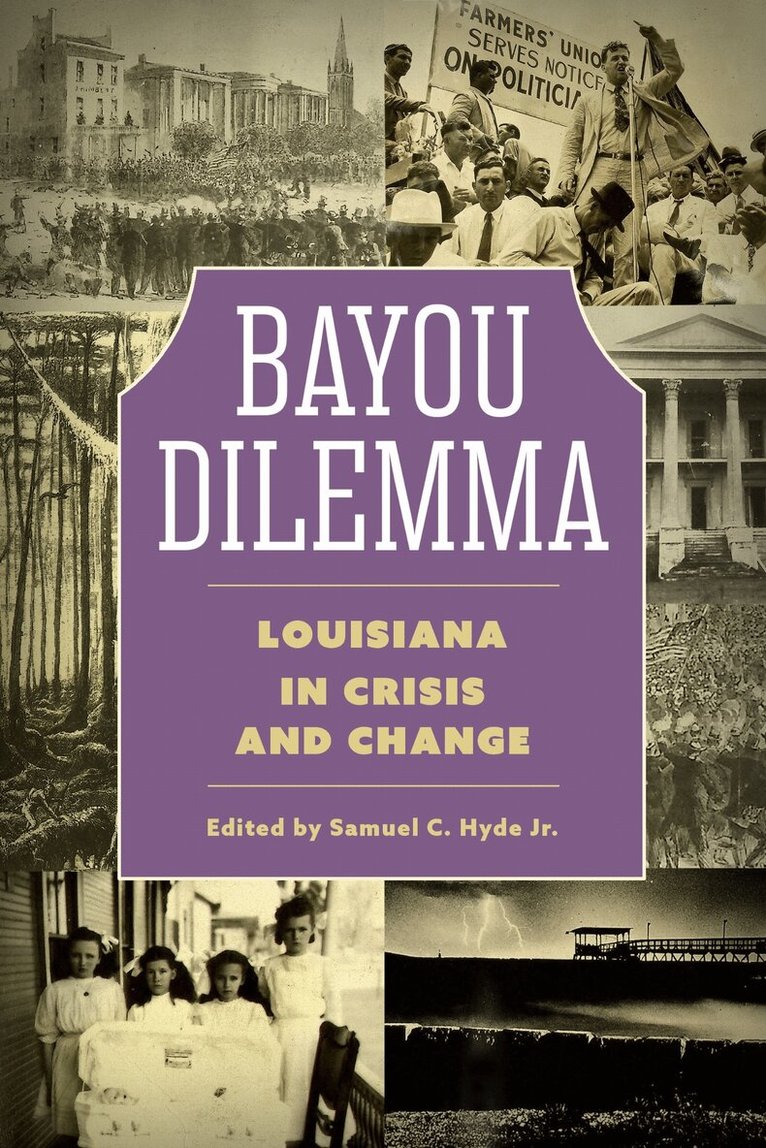
Contributions by Janet Allured, Craig E. Colten, Marcus Cox, Pearson Cross, John Bel Edwards, Adam Fairclough, Keith Finley, Samuel C. Hyde Jr., John Lopez, and Robert MannIn the fall of 2022, a diverse group of scholars including scientists, historians, political scientists, geographers, and journalists, along with Governor John Bel Edwards, gathered to present views on the challenges that define life in Louisiana. Born out of the symposium, Bayou Dilemma: Louisiana in Crisis and Change is an unprecedented compilation that examines the social, political, environmental, and economic hurdles pervasive to the Gulf South and especially the Bayou State.The essays collected in the volume illuminate pressing problems confronting Louisiana and its surrounding environs, as well as some of the least known and most frequently misunderstood issues that have affected the state in the past. Topics include the problems of flood control, unequal treatment for African Americans and women, political corruption, endemic violence, and partisan applications of justice, as well as the crisis of coastal erosion, the dilemma of special interests shaping legislation, and the corresponding drain of talent from the state to regions offering improved opportunities. The anthology is a provocative and essential guide that reveals how such trials emerged, how they were overcome or managed, and how they continue to shape the Gulf South’s regional identity. Concentrating on the future well-being of the state and its occupants, the volume suggests fresh pathways for addressing these lingering concerns.
317 kr
Skickas inom 7-10 vardagar
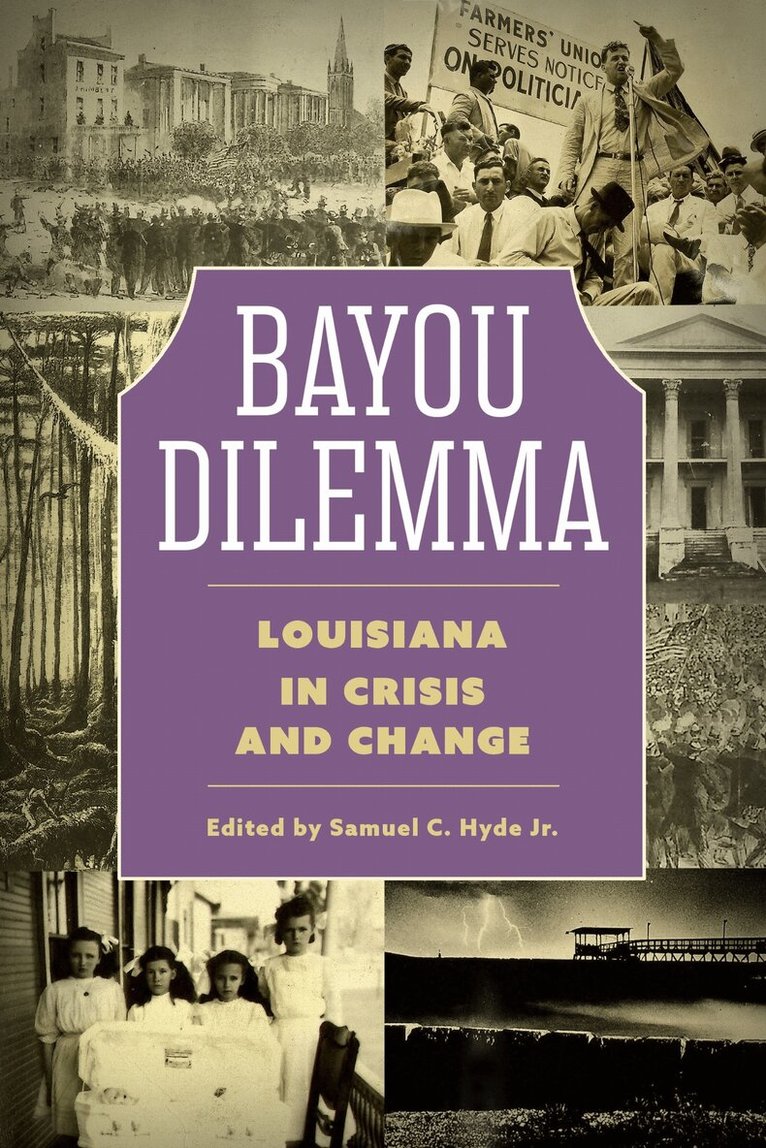
Contributions by Janet Allured, Craig E. Colten, Marcus Cox, Pearson Cross, John Bel Edwards, Adam Fairclough, Keith Finley, Samuel C. Hyde Jr., John Lopez, and Robert MannIn the fall of 2022, a diverse group of scholars including scientists, historians, political scientists, geographers, and journalists, along with Governor John Bel Edwards, gathered to present views on the challenges that define life in Louisiana. Born out of the symposium, Bayou Dilemma: Louisiana in Crisis and Change is an unprecedented compilation that examines the social, political, environmental, and economic hurdles pervasive to the Gulf South and especially the Bayou State.The essays collected in the volume illuminate pressing problems confronting Louisiana and its surrounding environs, as well as some of the least known and most frequently misunderstood issues that have affected the state in the past. Topics include the problems of flood control, unequal treatment for African Americans and women, political corruption, endemic violence, and partisan applications of justice, as well as the crisis of coastal erosion, the dilemma of special interests shaping legislation, and the corresponding drain of talent from the state to regions offering improved opportunities. The anthology is a provocative and essential guide that reveals how such trials emerged, how they were overcome or managed, and how they continue to shape the Gulf South’s regional identity. Concentrating on the future well-being of the state and its occupants, the volume suggests fresh pathways for addressing these lingering concerns.
1 040 kr
Skickas inom 7-10 vardagar
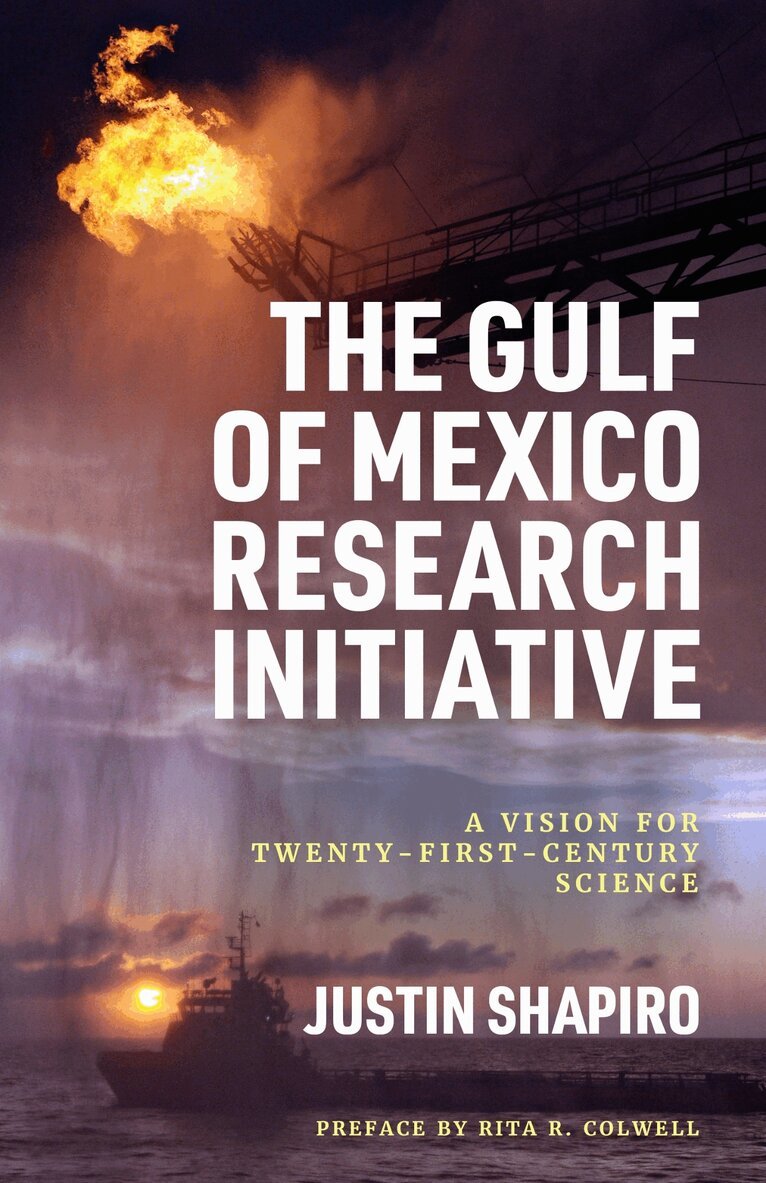
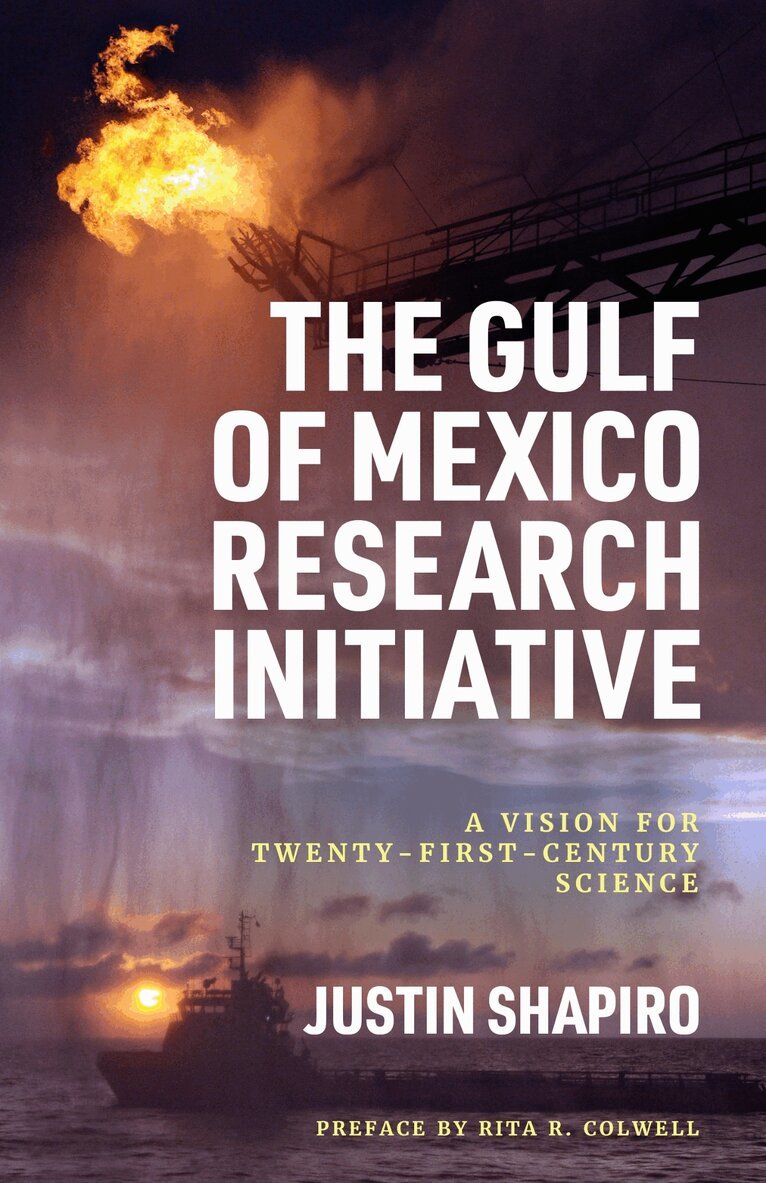
The Gulf of Mexico Research Initiative (GoMRI) was a ten-year, $500 million research program to investigate the impacts of oil, dispersed oil, and dispersants on the ecosystems of the Gulf of Mexico following the 2010 Deepwater Horizon disaster. Research institutions in the Gulf region and the National Oceanic and Atmospheric Agency (NOAA) worked together to conduct applied and comprehensive scientific research on the Gulf of Mexico. GoMRI left behind a substantial body of scientific knowledge about oil spills and strengthened scientific capacity to respond to such calamities.In The Gulf of Mexico Research Initiative: A Vision for Twenty-First-Century Science, Justin Shapiro writes the history of GoMRI and its role in organizing and facilitating a large-scale scientific response to the Deepwater Horizon oil spill. Chapters in the book highlight the significance of the Gulf of Mexico Research Initiative in the history of maritime oil spills and outlines its mission. Subsequent chapters discuss GoMRI’s adaptive management structure, transparent data policies, and extensive outreach efforts in the Gulf region. Finally, Shapiro emphasizes GoMRI’s comprehensive synthesis of oil spill science and its impact on future scientific responses to major disasters.For this in-depth investigation, Shapiro spent years corresponding with the GoMRI Research Board, scientists who received funding from the Initiative, and other actors who played important roles in its history. Shapiro also provides insights into how a similar scientific initiative might be organized to improve society’s ability to understand and act in the aftermath of ecological catastrophes. The Gulf of Mexico Research Initiative serves as both a work of history and an instruction manual that can guide responses to future disasters.
255 kr
Skickas inom 7-10 vardagar
The Gulf of Mexico Research Initiative (GoMRI) was a ten-year, $500 million research program to investigate the impacts of oil, dispersed oil, and dispersants on the ecosystems of the Gulf of Mexico following the 2010 Deepwater Horizon disaster. Research institutions in the Gulf region and the National Oceanic and Atmospheric Agency (NOAA) worked together to conduct applied and comprehensive scientific research on the Gulf of Mexico. GoMRI left behind a substantial body of scientific knowledge about oil spills and strengthened scientific capacity to respond to such calamities.In The Gulf of Mexico Research Initiative: A Vision for Twenty-First-Century Science, Justin Shapiro writes the history of GoMRI and its role in organizing and facilitating a large-scale scientific response to the Deepwater Horizon oil spill. Chapters in the book highlight the significance of the Gulf of Mexico Research Initiative in the history of maritime oil spills and outlines its mission. Subsequent chapters discuss GoMRI’s adaptive management structure, transparent data policies, and extensive outreach efforts in the Gulf region. Finally, Shapiro emphasizes GoMRI’s comprehensive synthesis of oil spill science and its impact on future scientific responses to major disasters.For this in-depth investigation, Shapiro spent years corresponding with the GoMRI Research Board, scientists who received funding from the Initiative, and other actors who played important roles in its history. Shapiro also provides insights into how a similar scientific initiative might be organized to improve society’s ability to understand and act in the aftermath of ecological catastrophes. The Gulf of Mexico Research Initiative serves as both a work of history and an instruction manual that can guide responses to future disasters.