Evolution, Cognition, and the Arts - Böcker
Visar alla böcker i serien Evolution, Cognition, and the Arts. Handla med fri frakt och snabb leverans.
6 produkter
6 produkter
1 656 kr
Skickas inom 5-8 vardagar
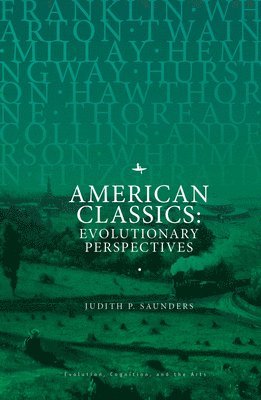
This collection of essays examines selected works in the American literary tradition from an evolutionary perspective. Using an interdisciplinary framework to pose new questions about long admired, much discussed texts, the collection as a whole provides an introduction to Darwinian literary critical methodology. Individual essays feature a variety of figures—Benjamin Franklin to Billy Collins—targeting fitness-related issues ranging from sexual strategies and parental investment to cheating and deception. Attention is paid to the physical and social environments in which fictional characters are placed, including the influence of cultural–historical conditions on resource acquisition, status-building, competition, and reciprocity. The discussion throughout the volume makes connections to existing secondary comments, suggesting how Darwinian scrutiny can generate unexpected insight into long familiar works.
462 kr
Skickas inom 5-8 vardagar
This collection of essays examines selected works in the American literary tradition from an evolutionary perspective. Using an interdisciplinary framework to pose new questions about long admired, much discussed texts, the collection as a whole provides an introduction to Darwinian literary critical methodology. Individual essays feature a variety of figures—Benjamin Franklin to Billy Collins—targeting fitness-related issues ranging from sexual strategies and parental investment to cheating and deception. Attention is paid to the physical and social environments in which fictional characters are placed, including the influence of cultural–historical conditions on resource acquisition, status-building, competition, and reciprocity. The discussion throughout the volume makes connections to existing secondary comments, suggesting how Darwinian scrutiny can generate unexpected insight into long familiar works.
1 371 kr
Skickas inom 5-8 vardagar
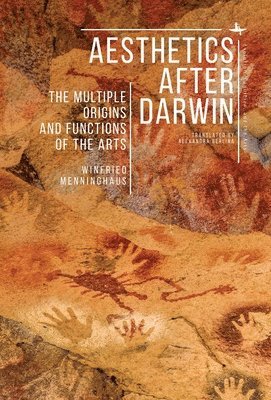
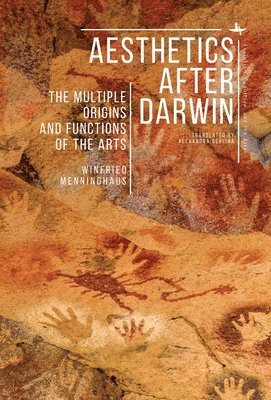
Darwin famously proposed that sexual competition and courtship is (or at least was) the driving force of "art" production not only in animals, but also in humans. The present book is the first to reveal that Darwin's hypothesis, rather than amounting to a full-blown antidote to the humanist tradition, is actually strongly informed both by classical rhetoric and by English and German philosophical aesthetics, thereby Darwin's theory far richer and more interesting for the understanding of poetry and song.The book also discusses how the three most discussed hypothetical functions of the human arts––competition for attention and (loving) acceptance, social cooperation, and self-enhancement––are not mutually exclusive, but can well be conceived of as different aspects of the same processes of producing and responding to the arts.Finally, reviewing the current state of archeological findings, the book advocates a new hypothesis on the multiple origins of the human arts, posing that they arose as new variants of human behavior, when three ancient and largely independent adaptions––sensory and sexual selection-driven biases regarding visual and auditory beauty, play behavior, and technology––joined forces with, and were transformed by, the human capacities for symbolic cognition and language.
1 531 kr
Skickas inom 5-8 vardagar
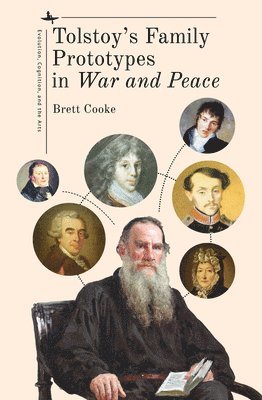
What were the consequences of Tolstoy’s unusual reliance on members of his family as source material for War and Peace? Did affection for close relatives influence depictions of these real prototypes in his fictional characters? Tolstoy used these models to consider his origins, to ponder alternative family histories, and to critique himself. Comparison of the novel and its fascinating drafts with the writer’s family history reveals increasing preferential treatment of those with greater relatedness to him: kin altruism, i.e., nepotism. This pattern helps explain many of Tolstoy’s choices amongst plot variants he considered, as well as some of the curious devices he utilizes to get readers to share his biases, such as coincidences, notions of “fate,” and aversion to incest.
414 kr
Skickas inom 5-8 vardagar
Darwin famously proposed that sexual competition and courtship is (or at least was) the driving force of “art” production not only in animals, but also in humans. The present book is the first to reveal that Darwin’s hypothesis, rather than amounting to a full-blown antidote to the humanist tradition, is actually strongly informed both by classical rhetoric and by English and German philosophical aesthetics, thereby Darwin’s theory far richer and more interesting for the understanding of poetry and song.The book also discusses how the three most discussed hypothetical functions of the human arts––competition for attention and (loving) acceptance, social cooperation, and self-enhancement––are not mutually exclusive, but can well be conceived of as different aspects of the same processes of producing and responding to the arts.Finally, reviewing the current state of archeological findings, the book advocates a new hypothesis on the multiple origins of the human arts, posing that they arose as new variants of human behavior, when three ancient and largely independent adaptions––sensory and sexual selection-driven biases regarding visual and auditory beauty, play behavior, and technology––joined forces with, and were transformed by, the human capacities for symbolic cognition and language.
281 kr
Skickas inom 3-6 vardagar
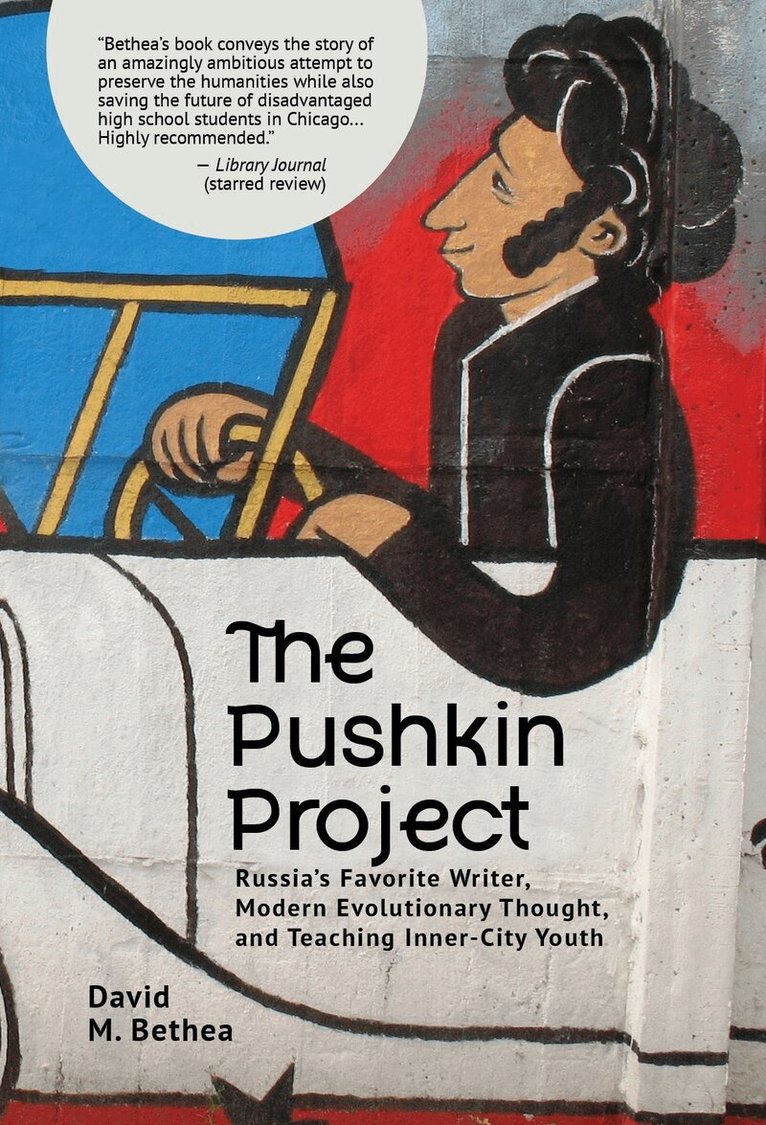
“Bethea’s book conveys the story of an amazingly ambitious attempt to preserve the humanities while also saving the future of disadvantaged high school students in Chicago. … Highly recommended.” — Library Journal (starred review)The Pushkin Project tells the story of how a Russian studies professor changes course late in his career by reeducating himself in evolutionary thought and founding a summer institute that partners with inner-city high schools to implement a new set of learning strategies for underserved youth.These “cognitive cross-training” strategies involve introducing students from Hispanic and Black neighborhoods in the west and south sides of Chicago to the Russian culture and language, with an emphasis on poet, playwright, and novelist Alexander Pushkin. Through the lens of modern evolutionary thought, students adopt not only a new and different language and culture, but also a different sort of literary hero, one whose African heritage within the majority culture speaks to them directly. This inspiring and compelling story provides fascinating insights into Russia's national poet, brings the sciences and humanities together, and provides new directions in teaching young people from historically disadvantaged backgrounds.