Brett Cooke – författare
Visar alla böcker från författaren Brett Cooke. Handla med fri frakt och snabb leverans.
8 produkter
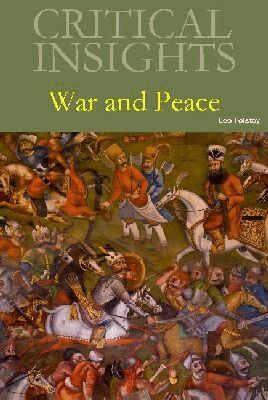
War and Peace
Av Brett Cooke
Inbunden, 2014
1356 kr
Lägg i varukorg
Tolstoy’s epic novel is one of the most famous pieces of Russian literature and is on the short list of the most important works of literature in the world. This volume examines Tolstoy’s unique achievement through a number of thought-provoking essays, and the interplay of the many genres of the …
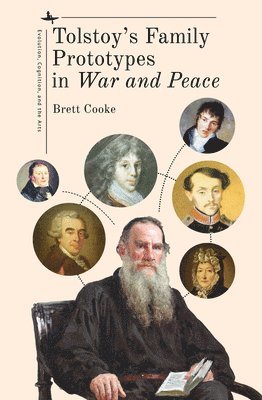
Tolstoy’s Family Prototypes in "War and Peace"
Av Brett Cooke
Inbunden, 2020
1302 kr
Lägg i varukorg
What were the consequences of Tolstoy’s unusual reliance on members of his family as source material for War and Peace? Did affection for close relatives influence depictions of these real prototypes in his fictional characters? Tolstoy used these models to consider his origins, to ponder …
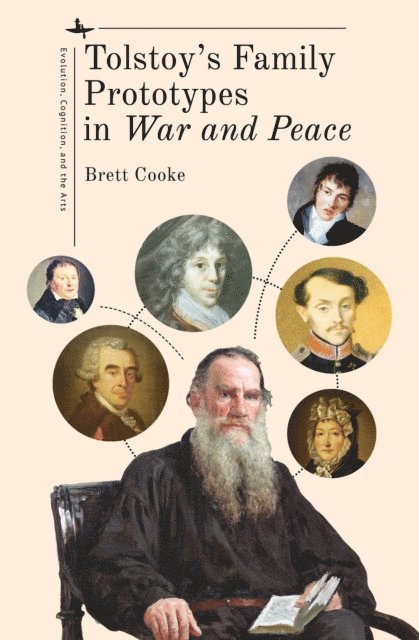
Tolstoy's Family Prototypes in "e;War and Peace"e;
Av Brett Cooke
E-bok, 2020
3186 kr
Lägg i varukorg
What were the consequences of Tolstoy’s unusual reliance on members of his family as source material for War and Peace ? Did affection for close relatives influence depictions of these real prototypes in his fictional characters? Tolstoy used these models to consider his origins, to ponder …
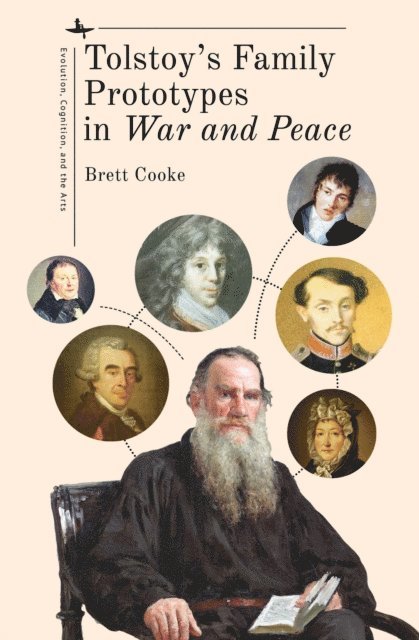
Tolstoy's Family Prototypes in "e;War and Peace"e;
Av Brett Cooke
E-bok, 2020
2967 kr
Lägg i varukorg
What were the consequences of Tolstoy’s unusual reliance on members of his family as source material for War and Peace ? Did affection for close relatives influence depictions of these real prototypes in his fictional characters? Tolstoy used these models to consider his origins, to ponder …
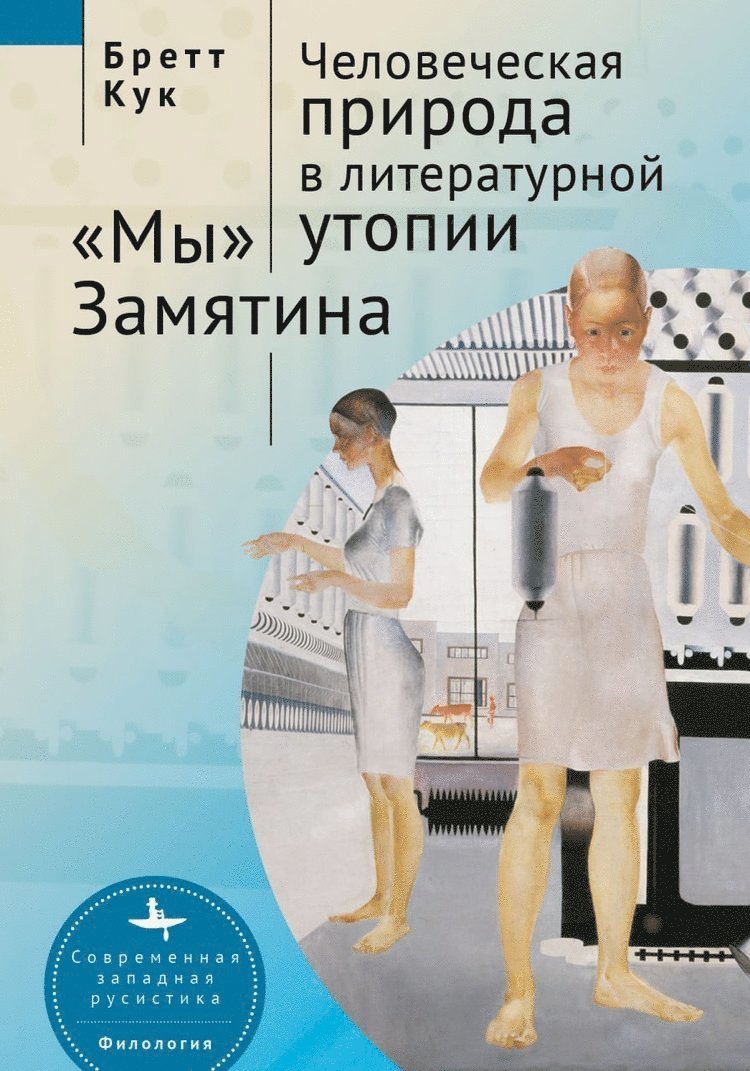
Human Nature in Utopia Zamyatin’s We
Av Brett Cooke
Inbunden, 2022
587 kr
Lägg i varukorg
Anticipating some Soviet Union developments, Evgenii Zamyatsin's We (1920) is a futuristic dystopic novel in which D-503, builder of the first rocket ship, extols the glories of the Single State and discovers another way of life beyond his highly controlled society. From the newer field of …
Human Nature in Utopia Zamyatin’s We
Av Brett Cooke
E-bok, 2022
2783 kr
Lägg i varukorg
Anticipating some Soviet Union developments, Evgenii Zamyatsin''s We (1920) is a futuristic dystopic novel in which D-503, builder of the first rocket ship, extols the glories of the Single State and discovers another way of life beyond his highly controlled society. From the newer field of …
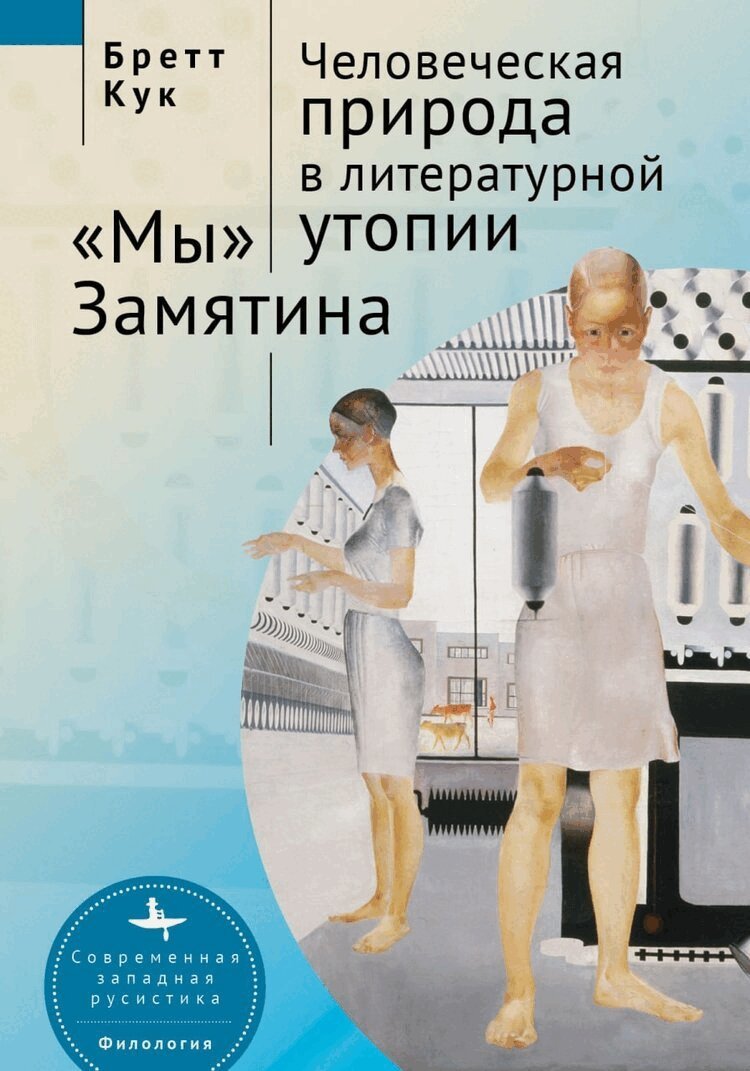
Human Nature in Utopia Zamyatin’s We
Av Brett Cooke
Häftad, 2026
380 kr
Lägg i varukorg
Anticipating some Soviet Union developments, Evgenii Zamyatsin's We (1920) is a futuristic dystopic novel in which D-503, builder of the first rocket ship, extols the glories of the Single State and discovers another way of life beyond his highly controlled society. From the newer field of …
Human Nature in Utopia
Zamyatin's We
Av Brett Cooke
Inbunden, 2002
1035 kr
Tillfälligt slut
The first comprehensive study of one of the most important twentieth-century Russian novels, this book is also the first to apply the perspective of biopoetics to a Russian masterwork. As such, Human Nature in Utopia offers a valuable new approach to Evgenii Zamyatin's We while it explores the …