Ashmolean Museum – serie
Visar alla böcker i serien Ashmolean Museum. Handla med fri frakt och snabb leverans.
60 produkter
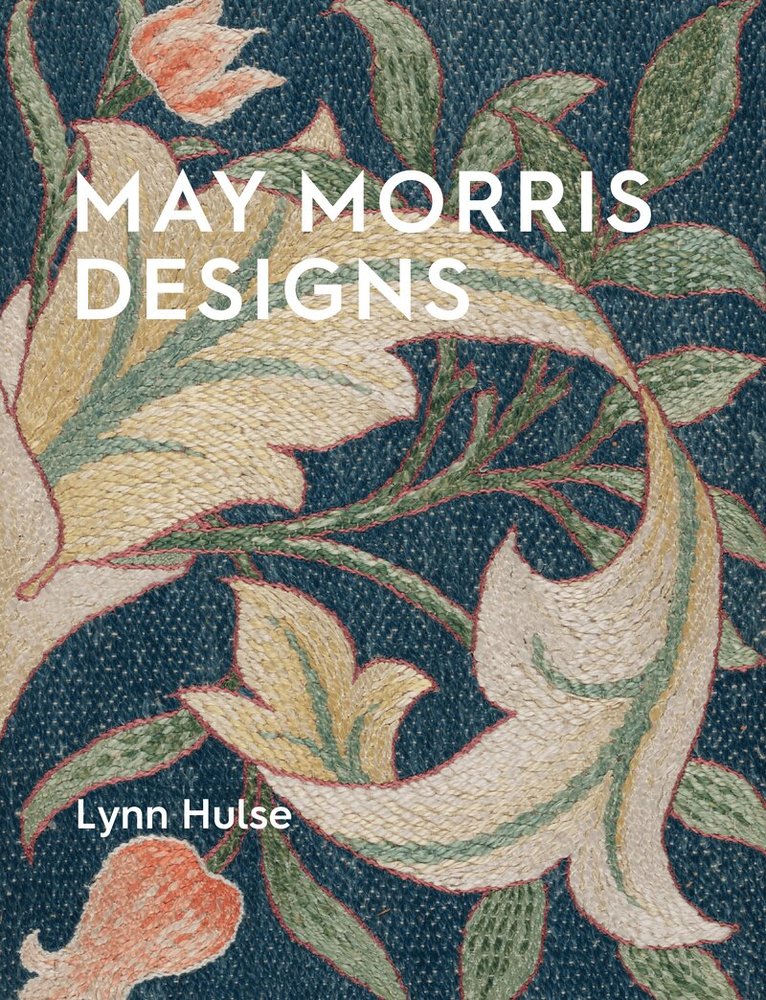
May Morris Designs
The Essence and Soul of Beautiful Embroidery
Av Lynn Hulse
Häftad, 2025
322 kr
Lägg i varukorg
"This carefully conceived book is an important addition to the existing literature on May Morris..."— DAS"Even if you are unlikely to take up embroidery, this is a most enjoyable book..." —PRSMay Morris (1862–1938) is recognised today as a pioneer of the Arts and Crafts movement, a leading exponent …
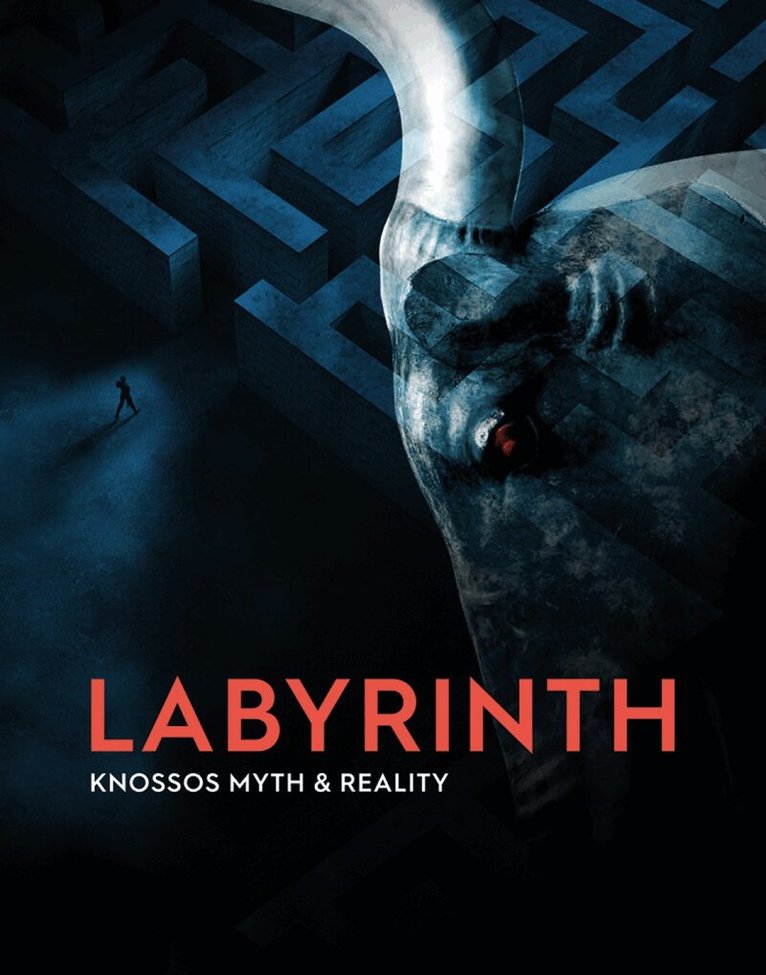
Labyrinth
Knossos Myth and Reality
Häftad, 2023
313 kr
Lägg i varukorg
Crete was famous in Greek myth as the location of the labyrinth in which the Minotaur was confined in a palace at somewhere called ‘Knossos’. From the Middle Ages travellers searched unsuccessfully for the Labyrinth. A handful of clues that survived, such as a coin with a labyrinth design and …
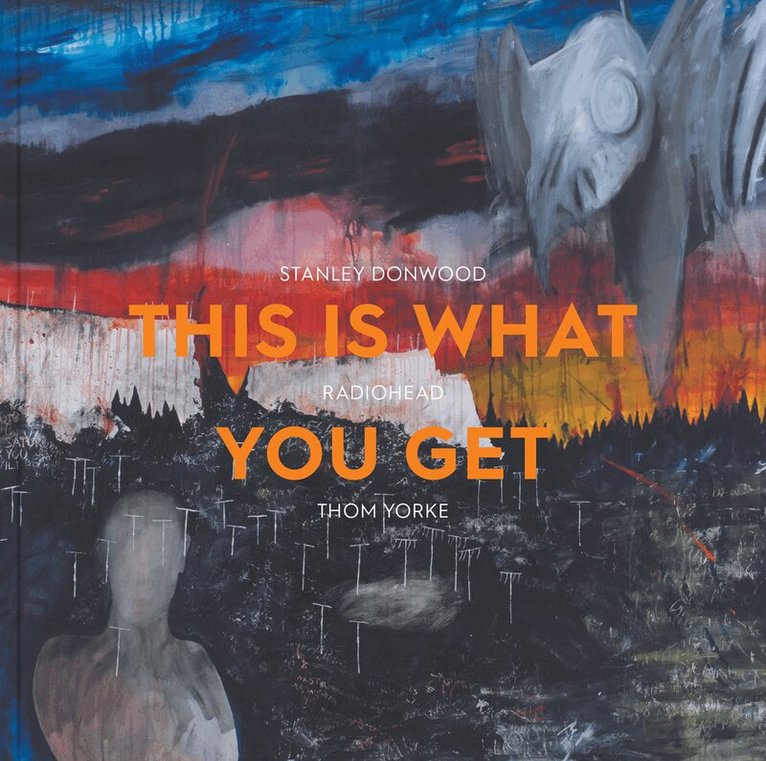
This Is What You Get
Stanley Donwood | Radiohead | Thom Yorke
Av Lena Fritsch
Häftad, 2025
5,0 utav 5 stjärnor. Totalt antal röster: (1)
378 kr
Lägg i varukorg
This major retrospective catalogue accompanies the first institutional exhibition focusing on the visual works of art by Stanley Donwood and Thom Yorke. The majority of the paintings, drawings and digital works were specifically made for Yorke’s internationally celebrated band Radiohead, formed in …
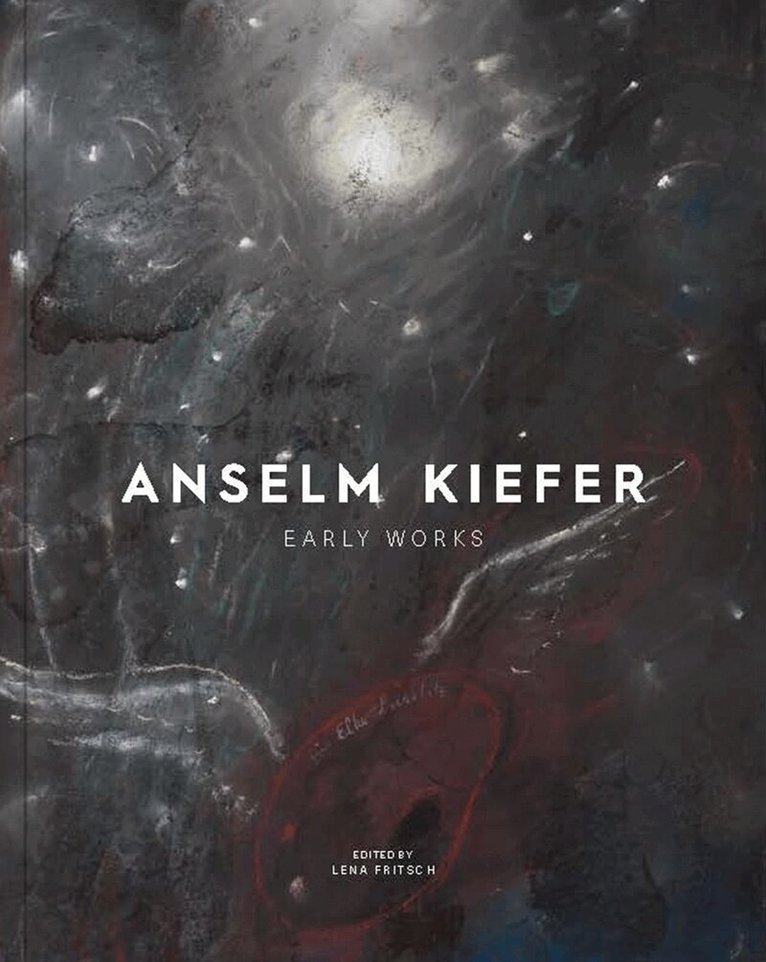
Anselm Kiefer
Early Works
Av Lena Fritsch
Häftad, 2025
322 kr
Lägg i varukorg
This book accompanies a major exhibition in the Ashmolean Museum on the early work of internationally acclaimed German artist Anselm Kiefer. It focuses on his paintings, drawings, photographs and artist books created between 1969 and 1982, in the private collections of the Hall Art Foundation. …
Twentieth Century Paintings
in the Ashmolean Museum
Inbunden, 2010
170 kr
Lägg i varukorg
The collections of twentieth-century paintings in the Ashmolean Museum, Oxford, have developed largely through the generosity of individuals. Notable among these in the early decades of the century were Frank Hindley Smith and Mrs W F R Weldon, while since the Second World War the Museum's …
Sylloge of Islamic Coins in the Ashmolean: v. 6
The Egyptian Dynasties
Inbunden, 2010
763 kr
Lägg i varukorg
This volume contains nearly 1600 coins of the 9th-16th centuries from North Africa to Great Syria. The collections included in the catalogue are those of the Heberden Coin Room and the Shamma Collection. Unlike previous SICA volumes, the coins are arranged by dynasty and ruler because of the large …
Modern Chinese Art
The Khoan and Michael Sullivan Collection
Häftad, 2013
322 kr
Lägg i varukorg
Khoan and Michael Sullivan began collecting modern Chinese painting in Sichuan in western China in the 1940s, and their collection has developed over the course of over half a century to include paintings by the principle artists of late twentieth-century China, as well as works by a new …
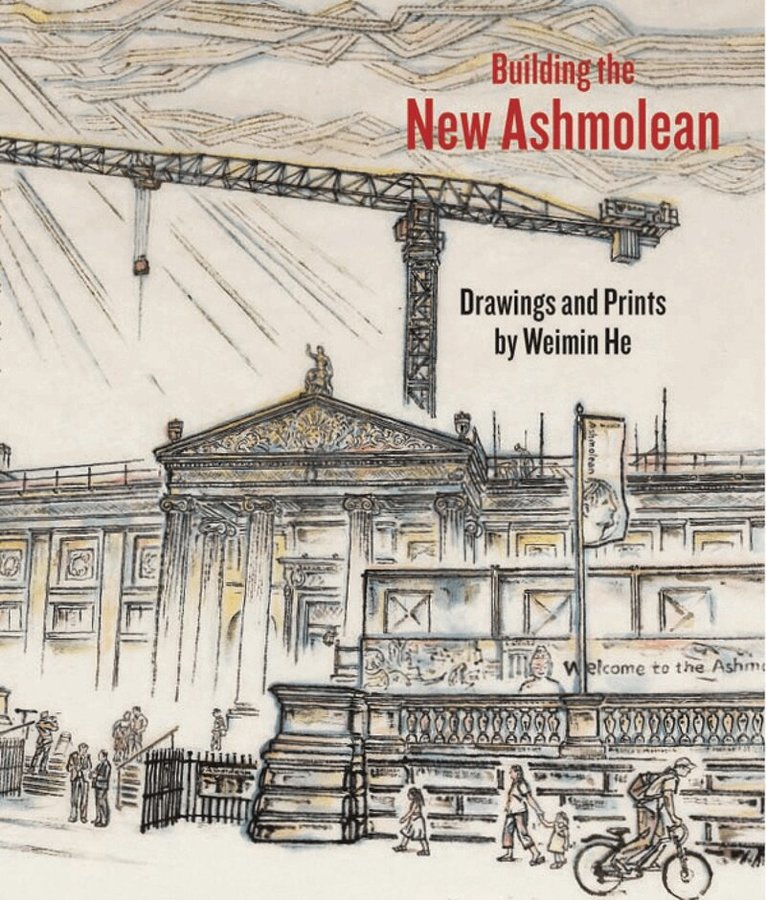
Building the New Ashmolean
Av Weimin He
Häftad, 2010
259 kr
Lägg i varukorg
Weimin He's 324 ink drawings, pen sketches and woodblock prints comprise an intimate record of the progress of construction in the newly designed Ashmolean Museum that opened late last year. An unusual approach to documentation in the age of digital photography, the catalogue provides a delightful …
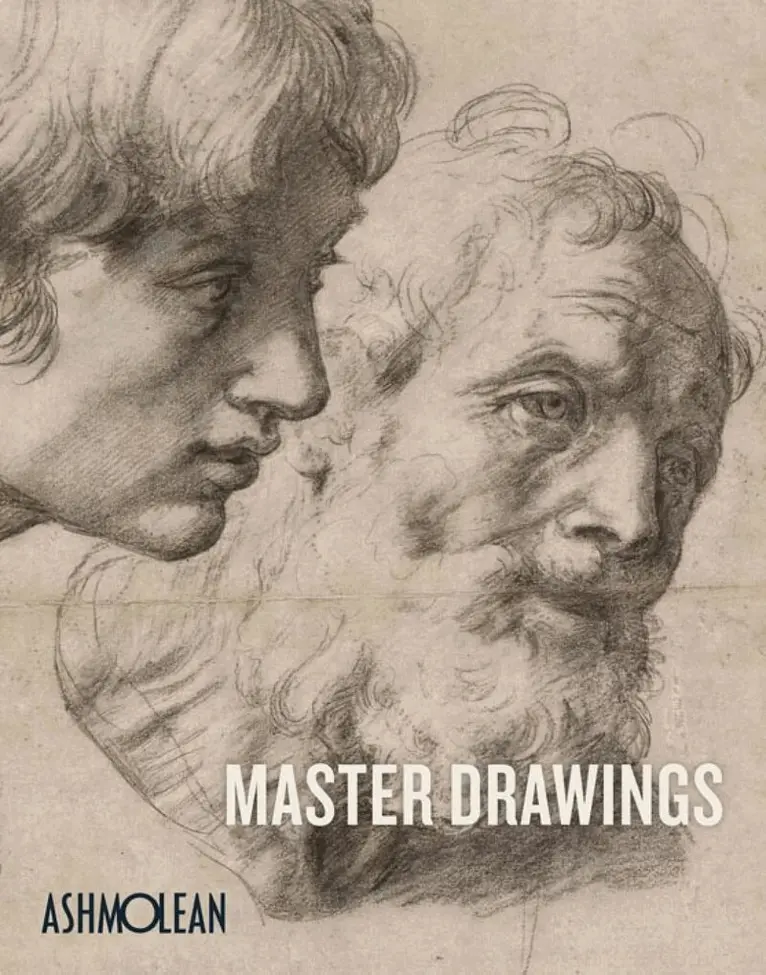
Master Drawings
Michelangelo to Moore
Av Jon Whiteley, Catherine Whistler
Häftad, 2013
259 kr
Lägg i varukorg
The collection of drawings in the Ashmolean is one of the greatest treasures of the University of Oxford. It began spectacularly in 1843 when a group of drawings by Raphael and Michelangelo that had previously belonged to the portrait painter, Sir Thomas Lawrence, was bought by subscription. …
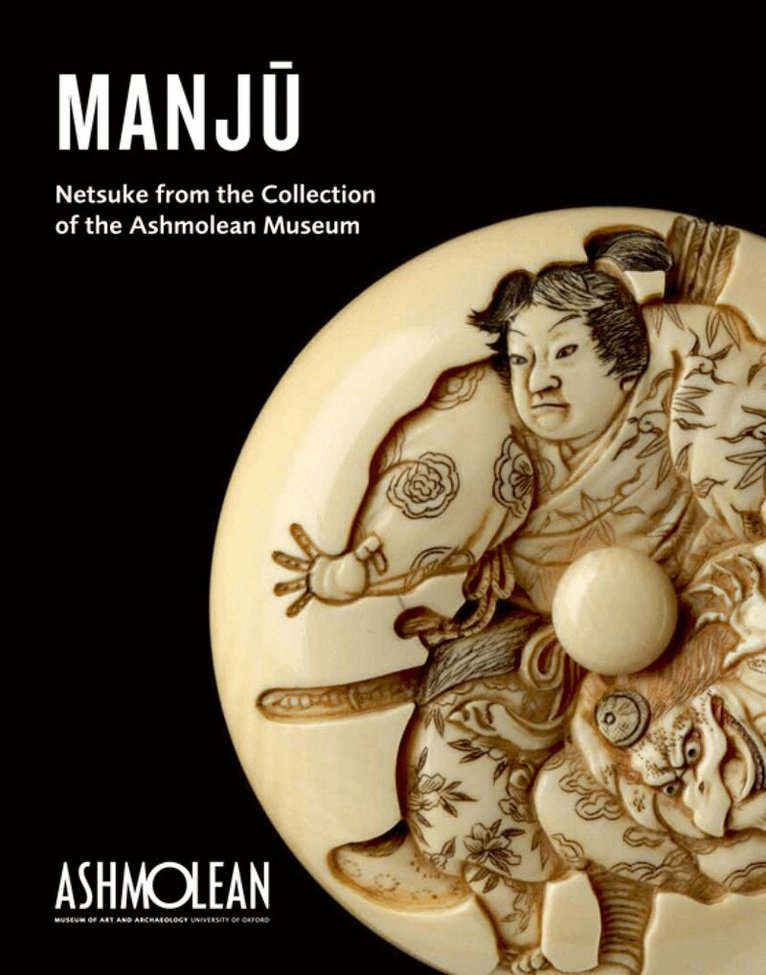
Manju
Netsuke from the Collection of the Ashmolean Museum
Inbunden, 2013
448 kr
Lägg i varukorg
Manju netsuke have never been the subject of a book on netsuke. Many books ignore them completely and it is hoped that this catalogue will throw light on the differences between the manju and other better-known types of netsuke.Dr. Barnett was one of a handful of collectors of one particular type …
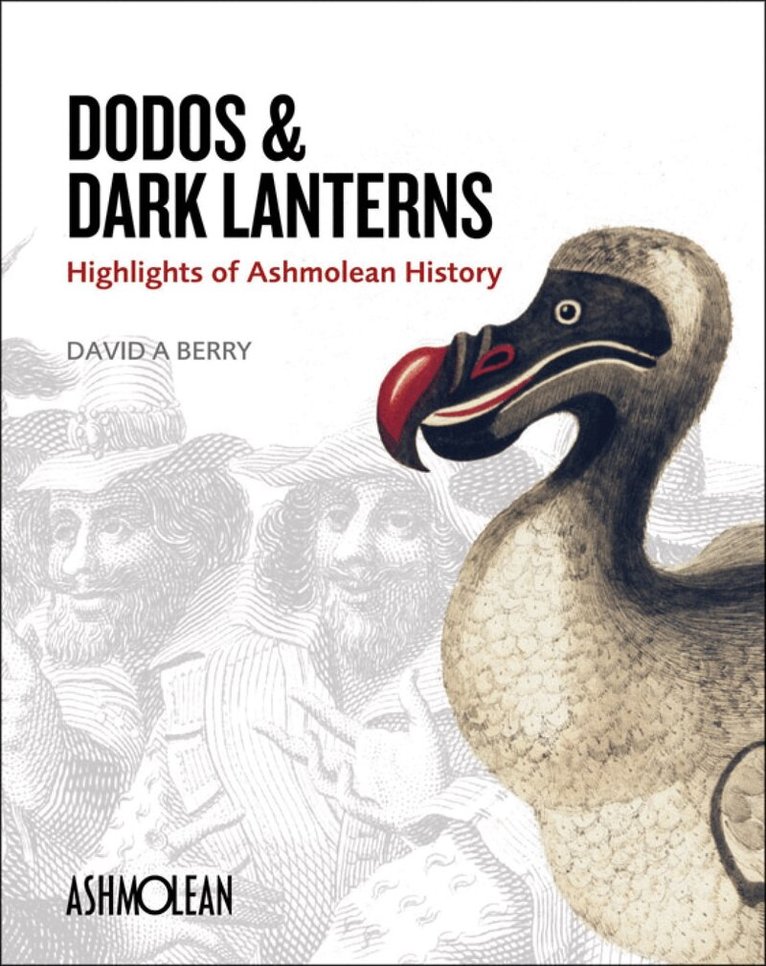
Dodos and Dark Lanterns
Highlights of Ashmolean History
Häftad, 2013
271 kr
Lägg i varukorg
Throughout its history, the Ashmolean has evolved to meet changing needs and reflect new ideas. In the process, it has transformed from a cabinet of curiosities, representing the world in microcosm, to a museum of art and archaeology, illustrating connections between cultures over time. This book …
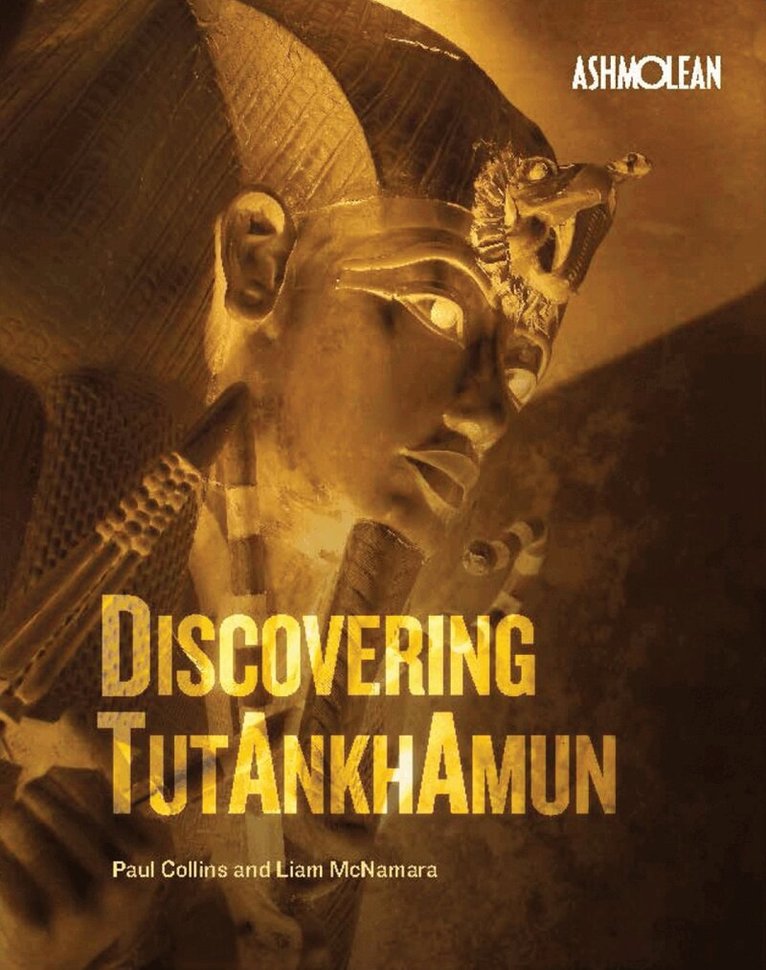
Discovering Tutankhamun
Av Paul Collins, Liam McNamara
Häftad, 2014
259 kr
Lägg i varukorg
Howard Carter's excavation of the tomb of Tutankhamun in 1922 was one of the most significant archaeological discoveries of the 20th century. The name of Egypt's 'boy king' is now synonymous with the glories of this ancient civilisation, and the spectacular contents of his tomb continue to capture …
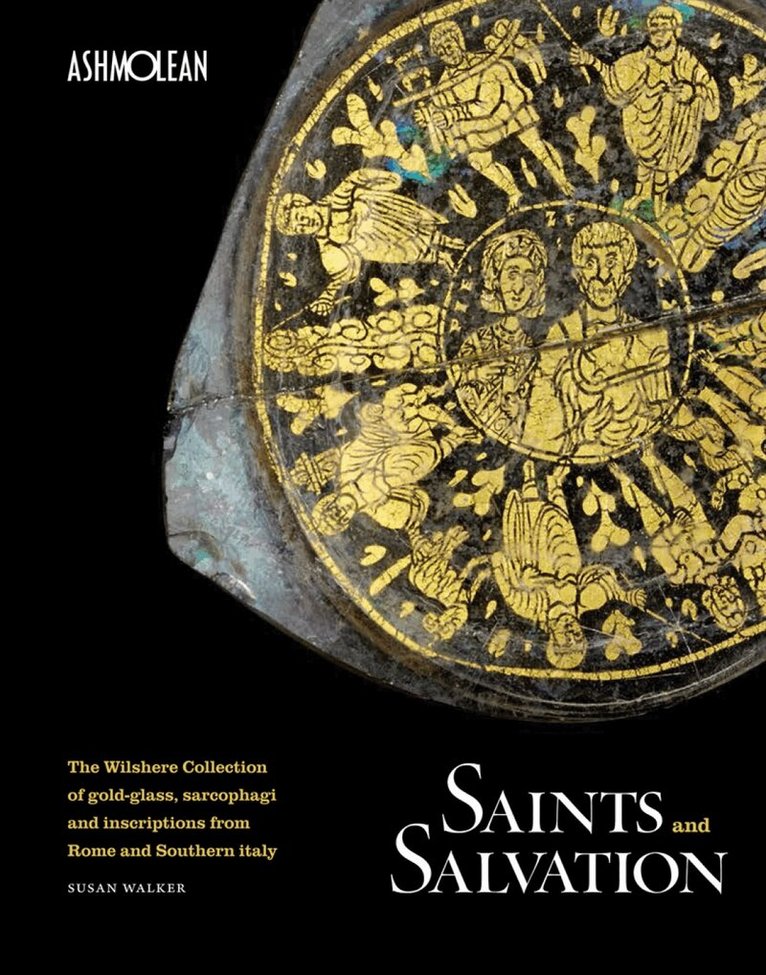
Saints and Salvation
The Wilshere Collection
Av Susan Walker
Häftad, 2017
259 kr
Lägg i varukorg
The Wilshere Collection offers a remarkable insight into one Englishman's enthusiasm for the early Christian church. A wealthy landowner travelling frequently to Italy, Charles Wilshere (1814-1906) saw it as his mission to acquaint the British with the then brand-new subject of early Christian …
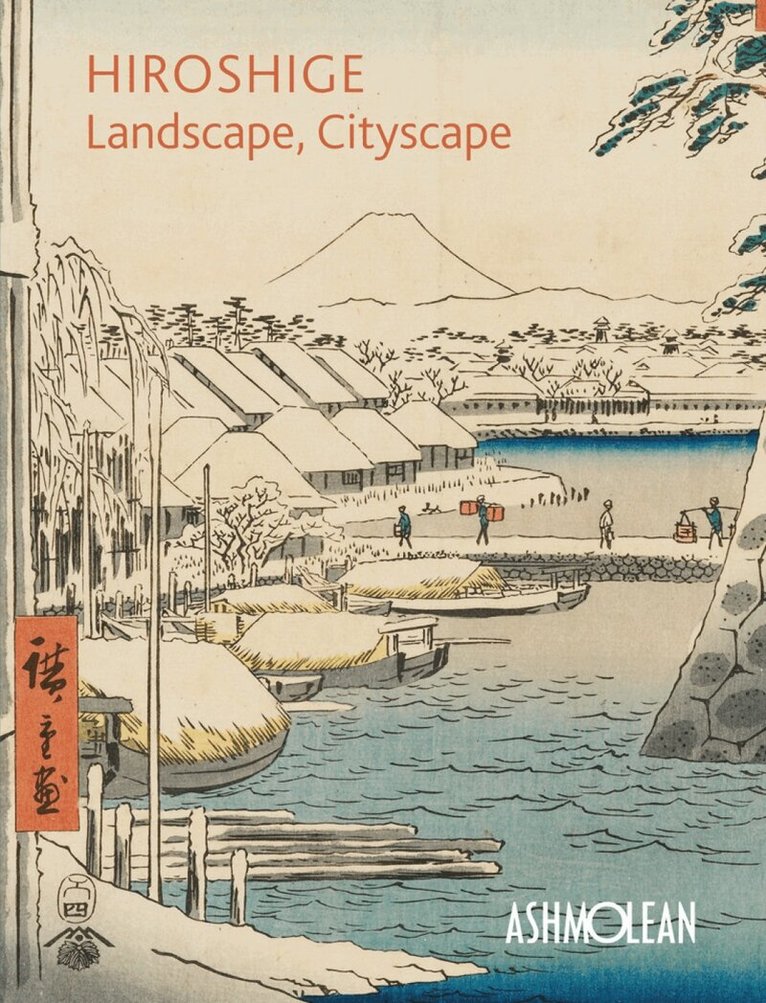
Hiroshige: Landscape, Cityscape
Woodblock Prints in the Ashmolean Museum
Av Clare Pollard, Mitsuko Watanabe
Häftad, 2018
192 kr
Lägg i varukorg
Utagawa Hiroshige (1797-1858) is one of the best known of all Japanese woodblock print designers. He is particularly renowned for his landscape prints, which are among the most frequently reproduced of all Japanese works of art. Hiroshige's landscape prints were hugely successful both in Japan and …
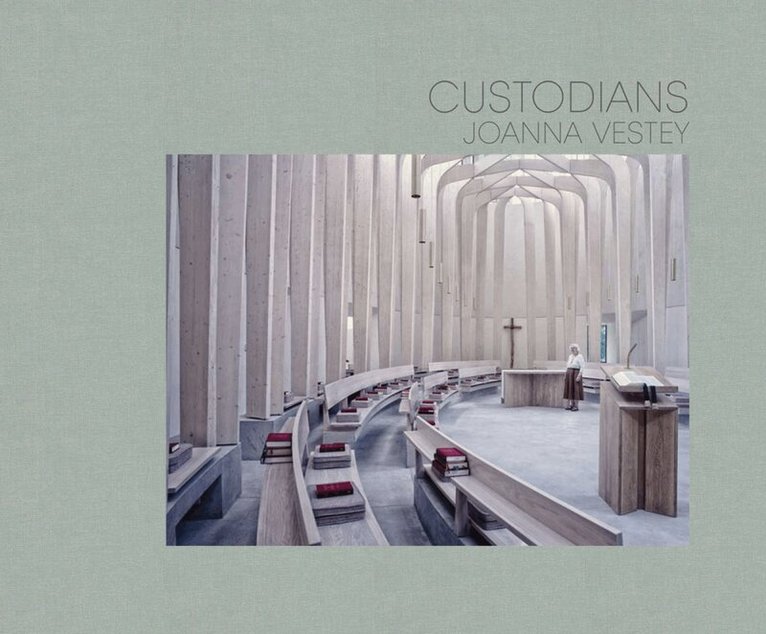
Custodians
Av Joanna Vestey, Russell Roberts m. fl.
Inbunden, 2015
322 kr
Lägg i varukorg
Custodians brings together for the first time, in this beautifully compiled collection, images of many of Oxford's most prestigious buildings along with some rarely seen, but wonderful venues and their 'Custodians'. Photographer Joanna Vestey set out to explore the extraordinary colleges and …
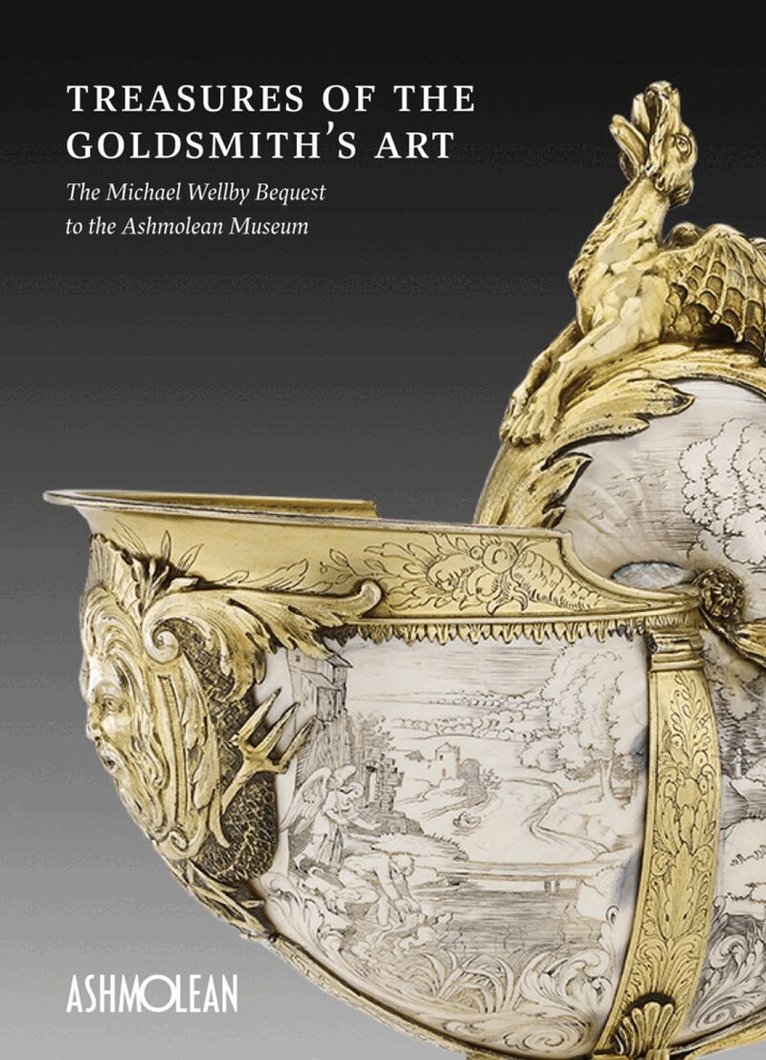
Treasures of the Goldmith's Art
The Michael Wellby Bequest to the Ashmolean Museum
Häftad, 2015
196 kr
Lägg i varukorg
The Wellby Bequest, received by the Ashmolean Museum in 2013, consists of some 500 precious and exotic objects, mainly from Continental Europe, from the late medieval to the rococo, and is the most remarkable accession of this kind of material to any museum in the UK since the bequest of Ferdinand …
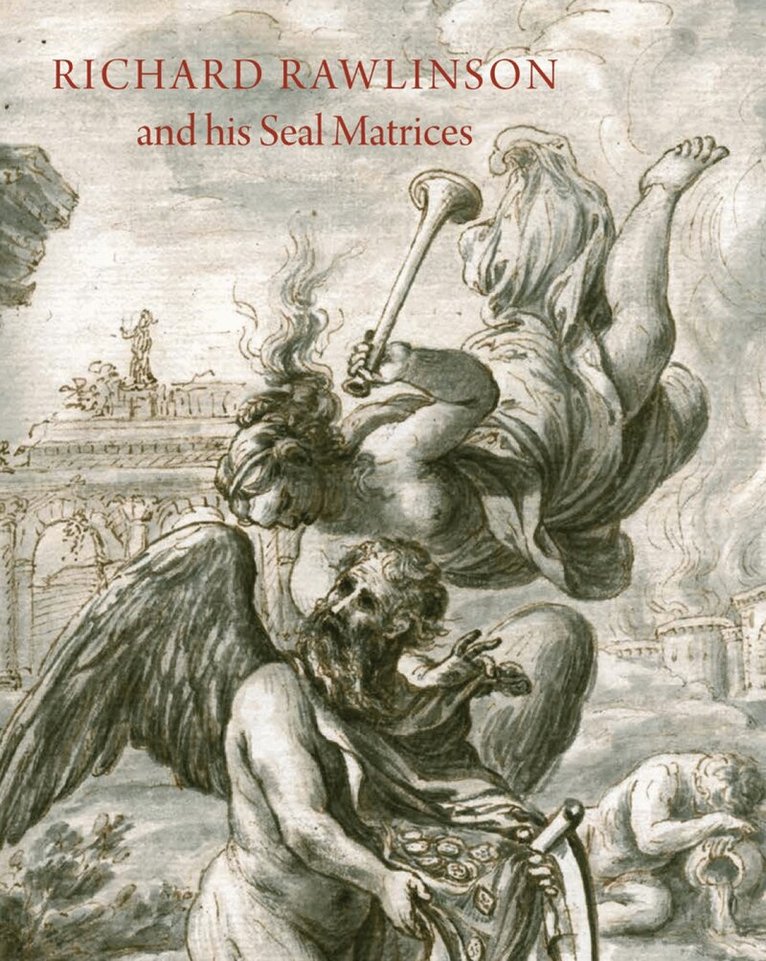
Richard Rawlinson & His Seal Matrices
Collecting in the Early Eighteenth Century
Av John Cherry
Inbunden, 2016
511 kr
Lägg i varukorg
The Rawlinson collection of seal matrices in the University of Oxford is the most important early collection of European seal matrices to survive. Created by Dr Richard Rawlinson (1690-1755) in the first half of the eighteenth century, it consists of 830 matrices ranging in date from the 13th to …
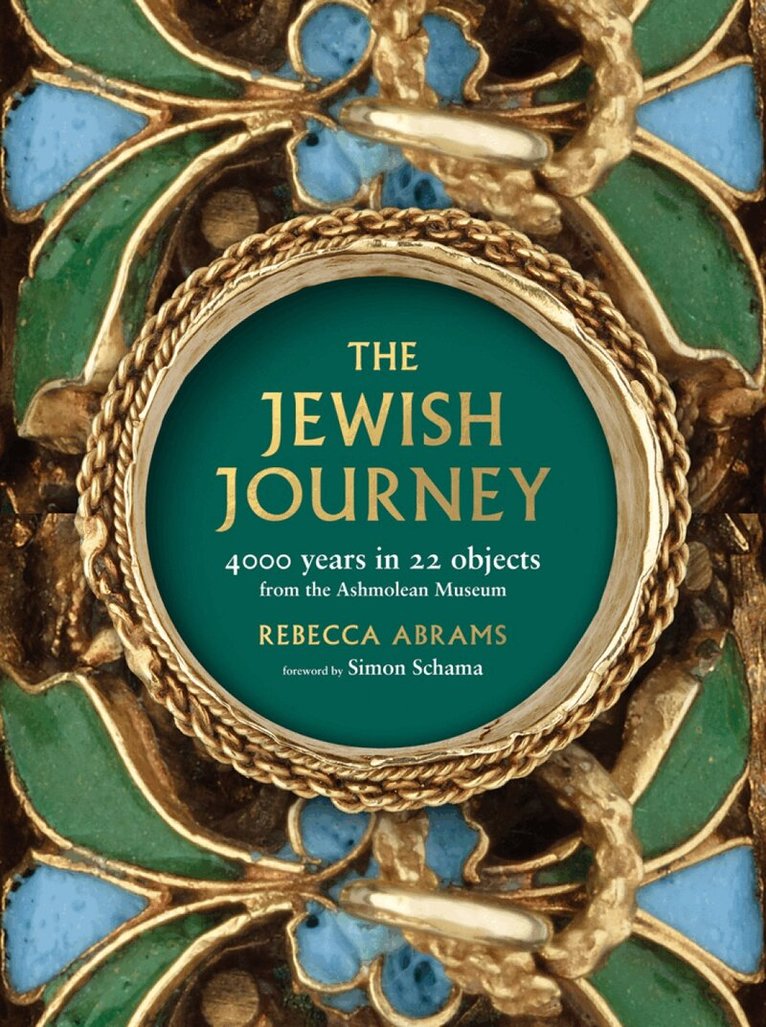
Jewish Journey
4000 Years in 22 Objects from the Ashmolean Museum
Häftad, 2018
196 kr
Lägg i varukorg
The Jewish Journey tells the history of the Jewish people from antiquity to modern times through 22 objects from the Ashmolean Museum in Oxford, brought together here for the first time. Many of the objects are little-known treasures and all 22 have remarkable stories. Spanning 4000 years of …
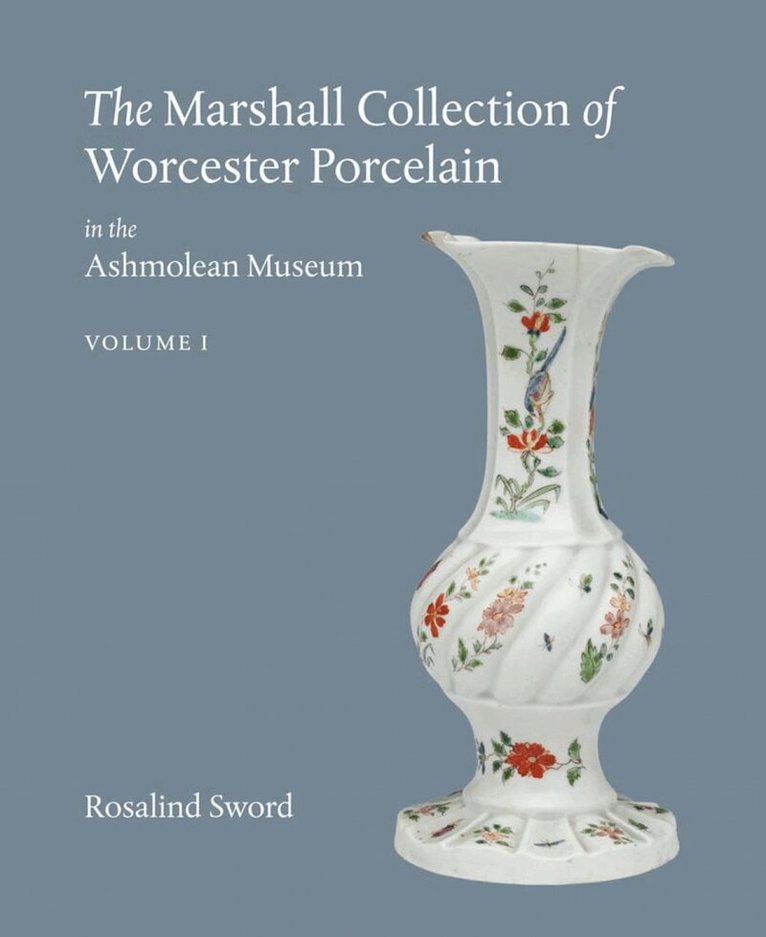
Marshall Collection of Worcester Porcelain in the Ashmolean Museum
Inbunden, 2017
1203 kr
Lägg i varukorg
This catalogue describes what is probably the most encyclopaedic collection of early coloured Worcester porcelain in existence. Henry Marshall assembled the collection between the two World Wars. In the years that followed, he sought to represent as comprehensive a range of patterns as possible, …
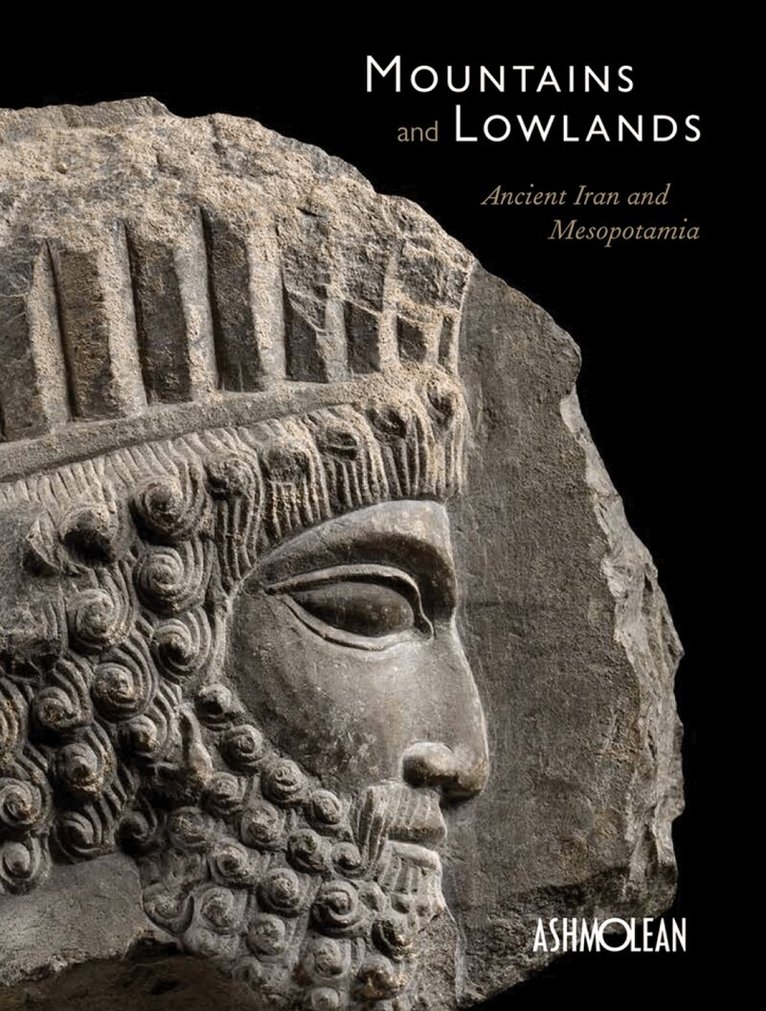
Mountains and Lowlands
Ancient Iran and Mesopotamia
Av Paul Collins
Häftad, 2016
5,0 utav 5 stjärnor. Totalt antal röster: (1)
190 kr
Lägg i varukorg
Ancient Mesopotamia and Iran are usually treated separately or as part of a much broader 'Ancient Near East'. However, the developments that lie at the root of our own world - farming, cities, writing, organised religion, warfare - were forged in the tensions and relations between the inhabitants …
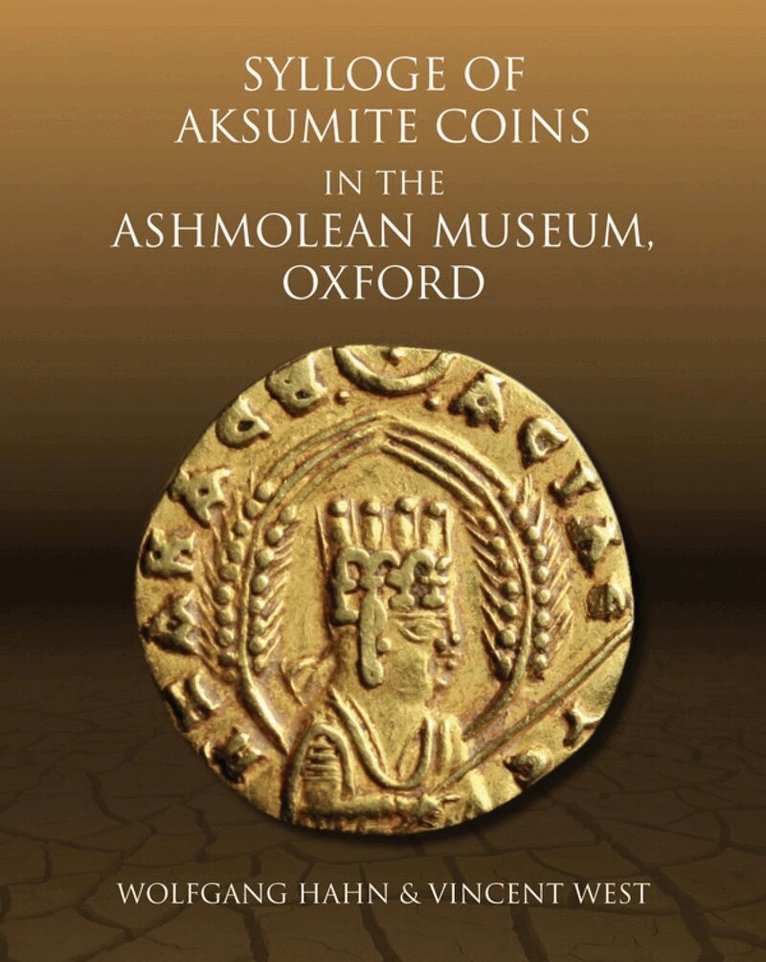
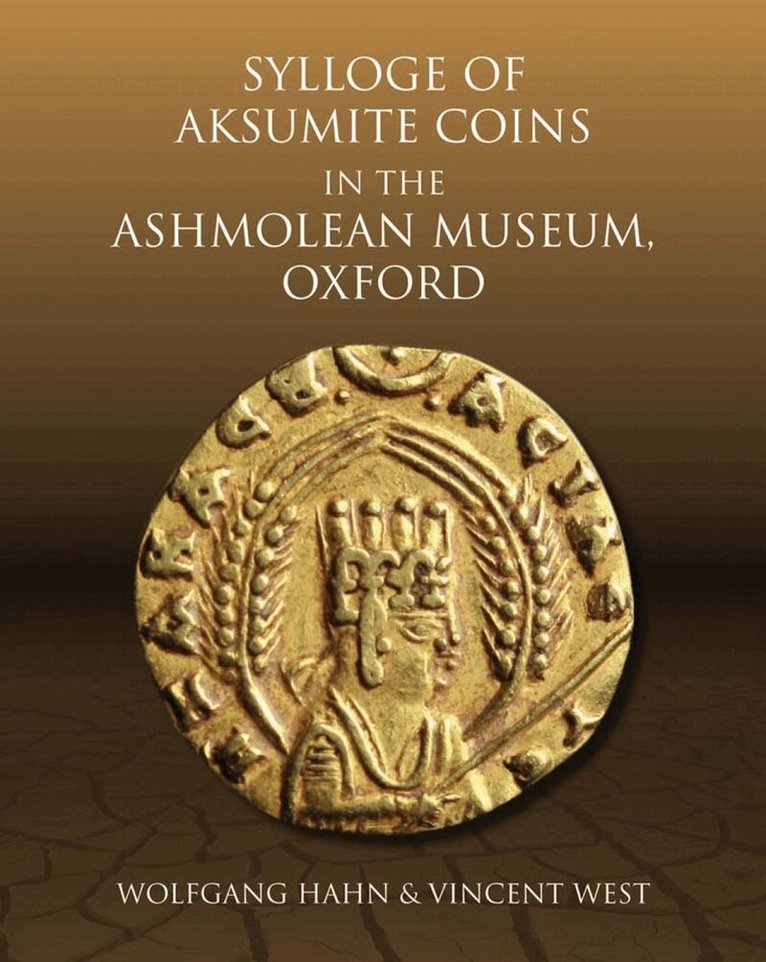
Sylloge of Aksumite Coins in the Ashmolean Museum, Oxford
Av Wolfgang Hahn, Vincent West
Inbunden, 2017
508 kr
Lägg i varukorg
These essays by Hahn and West will deal respectively with the formation of the collection and the figure of Bent Juel-Jensen, the seminal Aksumite coin collector in Oxford (as well as a medical doctor, academic, and traveller). They will also discuss recent problems that have emerged regarding the …
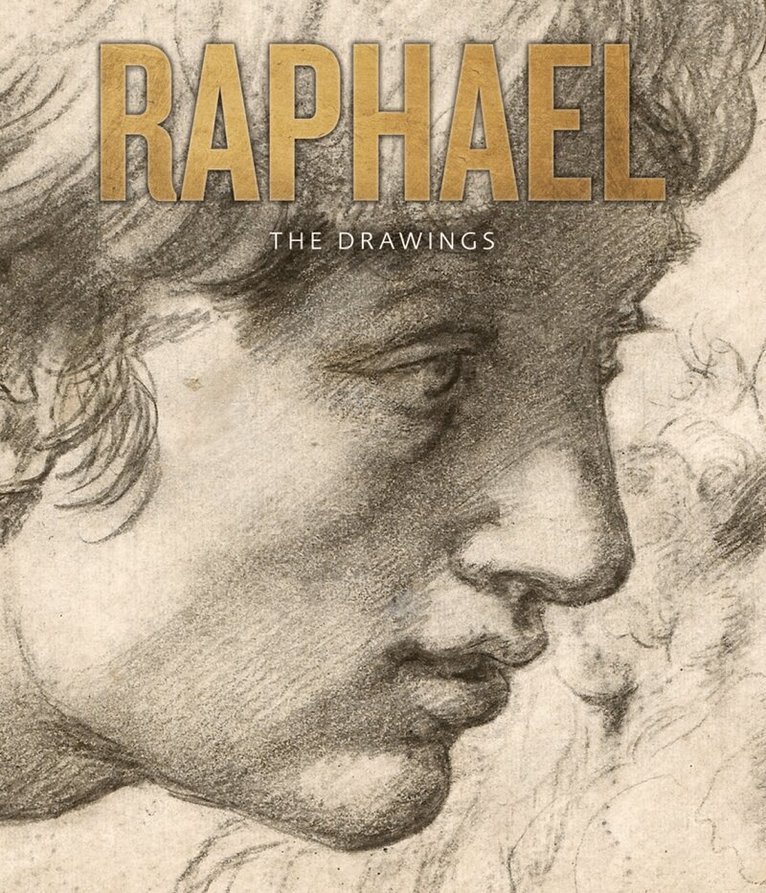
Raphael
The Drawing
Häftad, 2018
384 kr
Lägg i varukorg
The Ashmolean Museum and the Albertina are collaborating on a two-part exhibition project that will examine anew the role and the significance of drawing in Raphael's career. The Ashmolean holds the greatest collection of Raphael drawings in the world, and the Albertina is the custodian of a major …
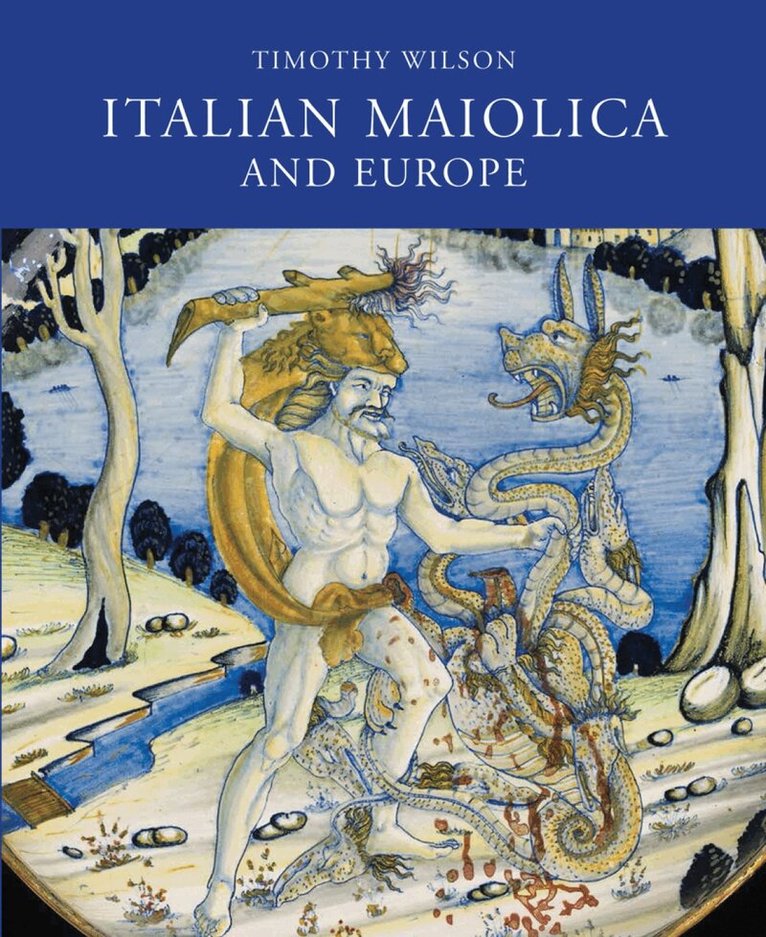
Italian Maiolica and Europe
Medieval and Later Italian Pottery in the Ashmolean Museum
Inbunden, 2017
763 kr
Lägg i varukorg
This book is the culmination of nearly 30 years' work in caring for, studying, and developing the collections in this Museum by Timothy Wilson, long-time Keeper of Western Art. Wilson is well-known as a specialist in the study of European Renaissance ceramics. The Ashmolean collections have their …
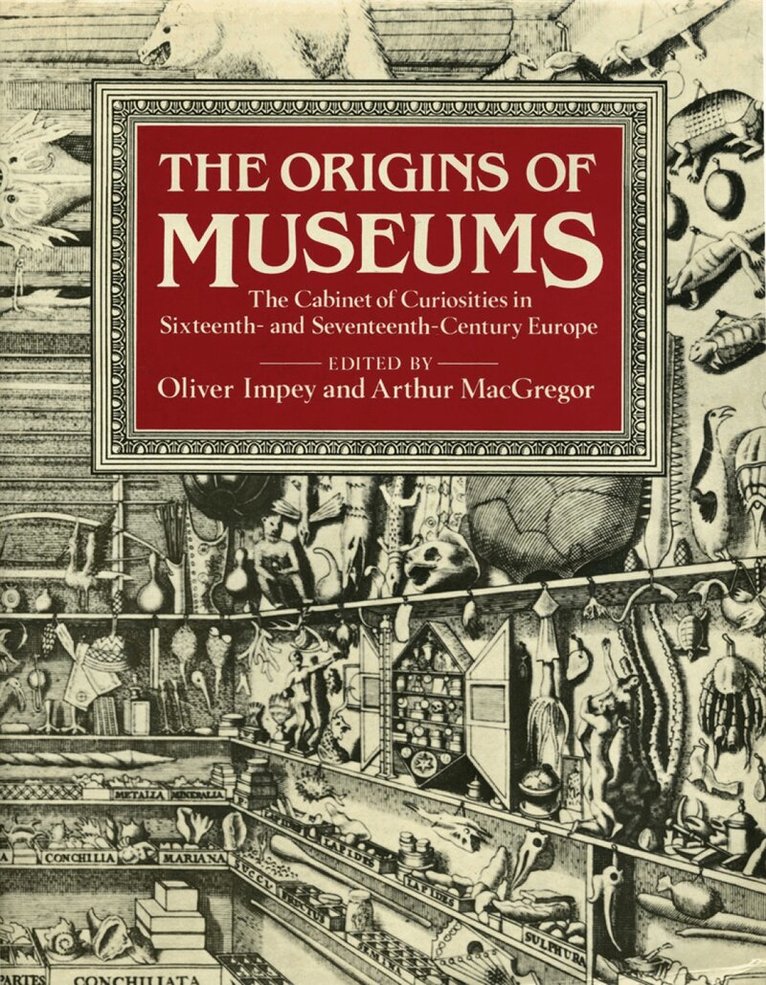
Origins of Museums
The Cabinet of Curiosities in Sixteenth-and-Seventeenth-Century Europe
Av Oliver Impey, Arthur MacGregor
Inbunden, 2017
637 kr
Lägg i varukorg
History Today carried a feature in 2015, describing The Origin of Museums as "a cult book [that] spawned a new discipline in the history of collecting". Indeed, the first publication of this book in 1985 undoubtedly marked a propitious moment in the development of interest, in what has since grown …
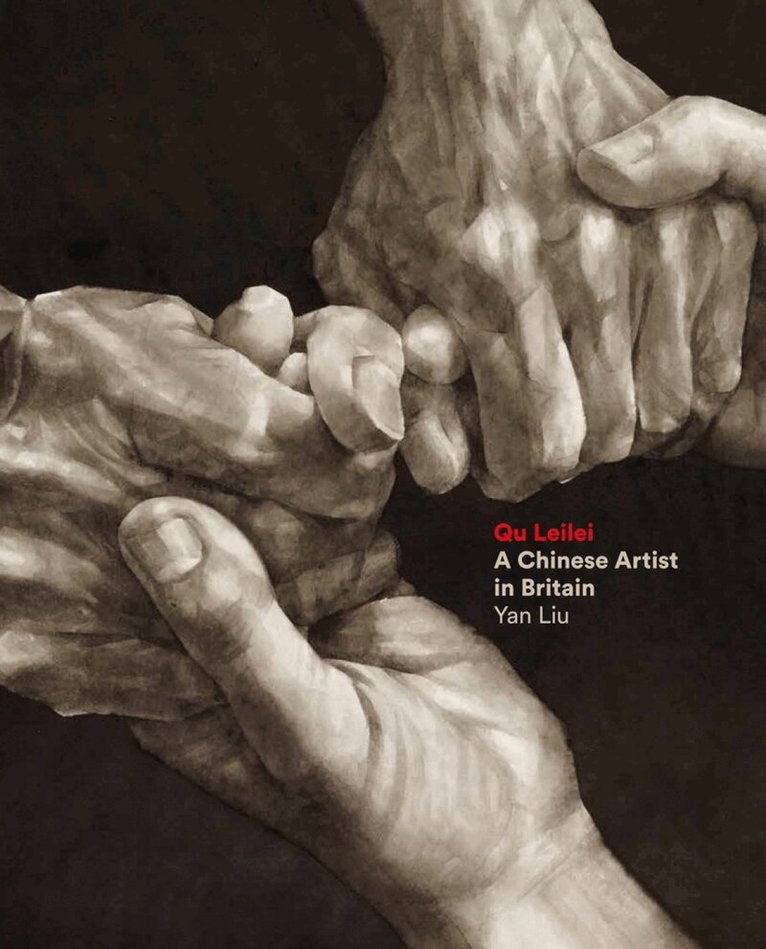
Qu Leilei
A Chinese Artist in Britain
Av Yan Liu
Häftad, 2017
196 kr
Lägg i varukorg
Qu Leilei now stands as a technically accomplished master, capable of handling brush and ink with the utmost competency and photographic-like quality. His visual language is well established, and it represents a fusion of east and west. Some ink painters have chosen to push boundaries by making …
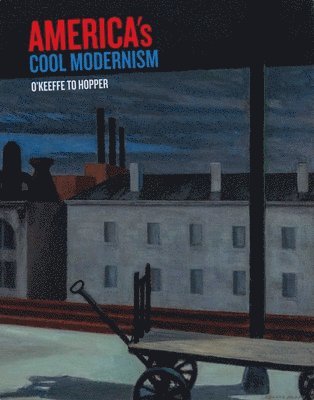
America's Cool Modernism
O'Keeffe to Hopper
Häftad, 2018
322 kr
Lägg i varukorg
As some American artists began to eliminate people and remove extraneous details from their compositions, they often employed neat, orderly brushwork or close-up, unemotional photography. Artists as diverse as Patrick Henry Bruce, John Covert, Georgia O'Keeffe, Paul Strand and Arthur Dove navigated …
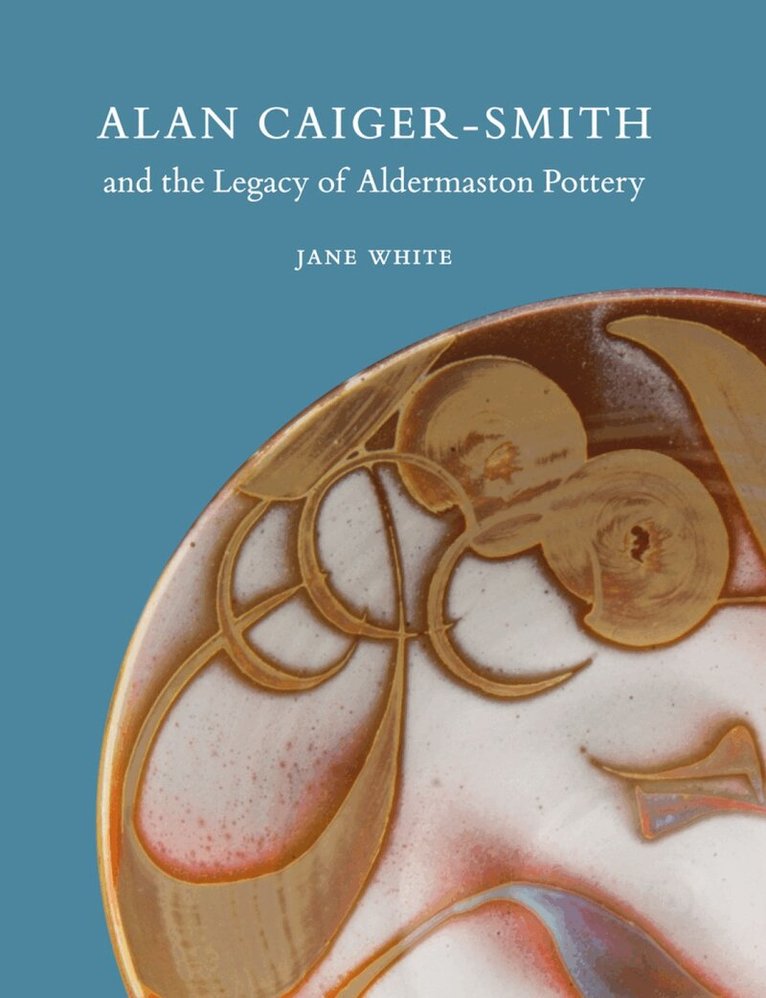
Alan Caiger-Smith and the Legacy of the Aldermaston Pottery
Av Jane White
Häftad, 2018
259 kr
Lägg i varukorg
Interviewing nearly 30 of the Aldermaston potters, many of whom have written some fascinating submissions about this incredible workshop. The book features a wonderful, previously unpublished, account from Geoffrey Eastop's memoirs, about how he came to Aldermaston and helped to establish the …
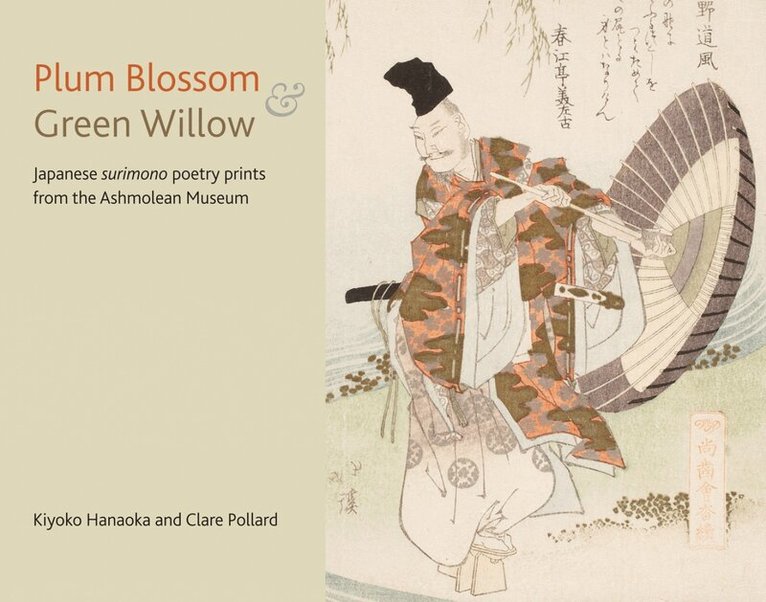
Plum Blossom and Green Willow
Japanese Surimono Poetry Prints from the Ashmolean Museum
Av Clare Pollard, Kiyoko Hanaoka
Häftad, 2018
191 kr
Lägg i varukorg
Surimono poetry prints are among the finest examples of Japanese woodblock printmaking of the late eighteenth and early nineteenth centuries. Consisting of witty poetry combined with related images, surimono were often designed by leading print artists and were exquisitely produced using the best …
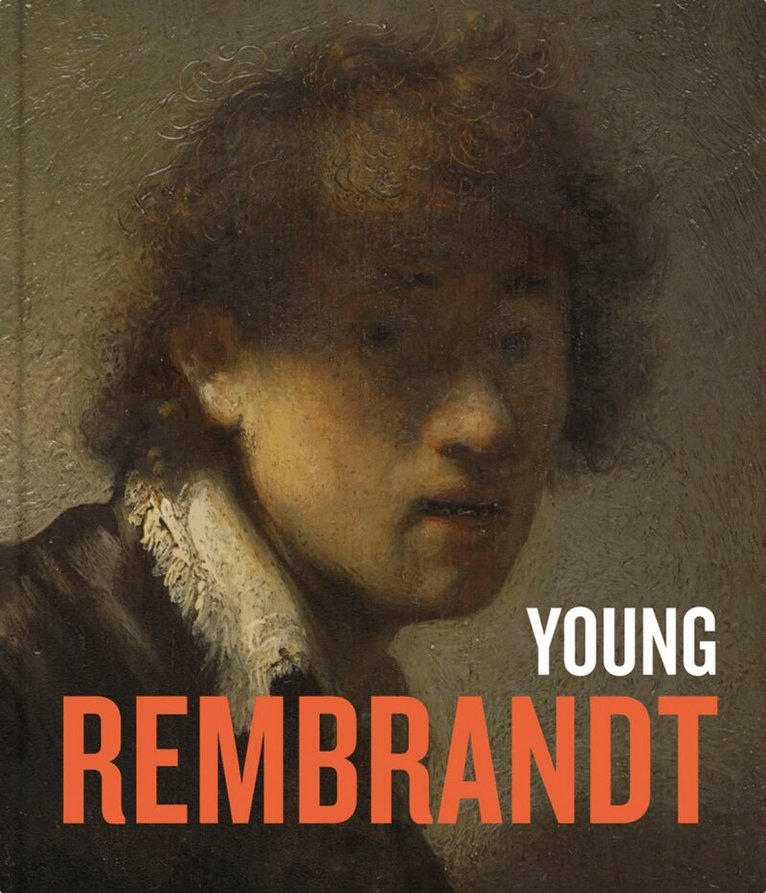
Young Rembrandt
Av An Van Camp, Christopher Brown m. fl.
Häftad, 2019
322 kr
Lägg i varukorg
Young Rembrandt concentrates on the first ten years of the career of Rembrandt van Rijn (1606-1669). Born in Leiden, he trained there with Isaac van Swanenburg and in Amsterdam with Pieter Lastman. After a short stay in Amsterdam he returned to Leiden and set up a studio where he began his …
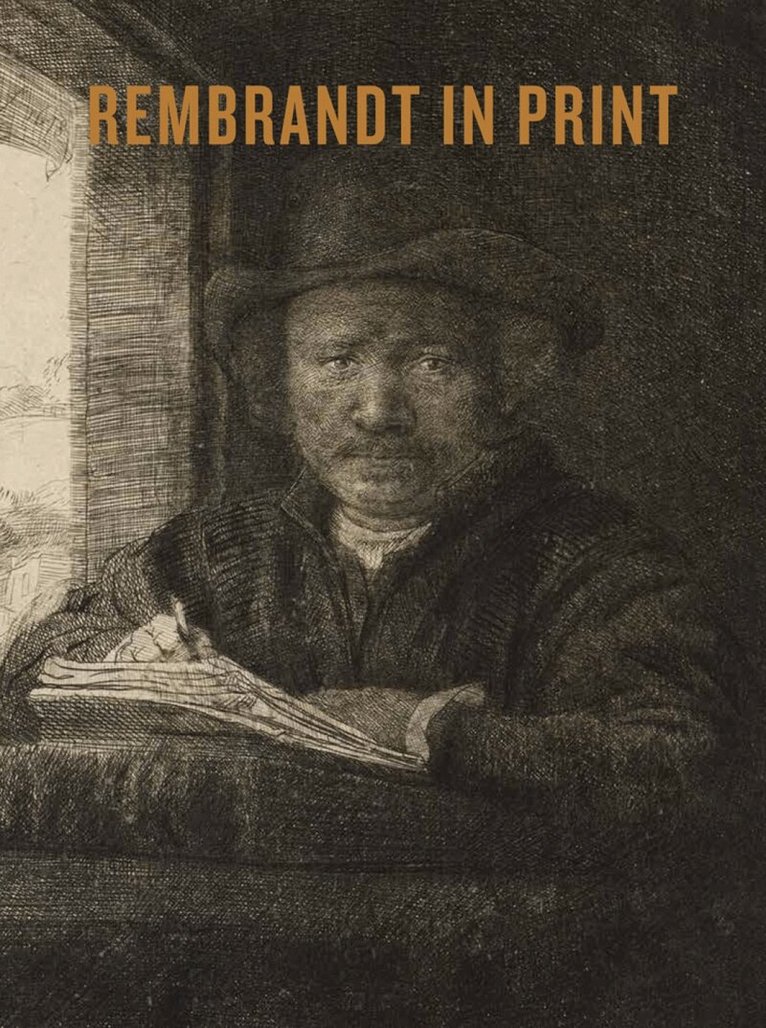
Rembrandt in Print
Av A. Camp
Häftad, 2019
196 kr
Lägg i varukorg
The Ashmolean Museum holds a world-class collection of over 200 prints made by Rembrandt Harmensz van Rijn (1606-1669). Widely hailed as the greatest painter of the Dutch Golden Age, Rembrandt was also one of the most innovative and experimental printmakers of the seventeenth century. Rembrandt was …