Biolegalities – serie
Visar alla böcker i serien Biolegalities. Handla med fri frakt och snabb leverans.
6 produkter
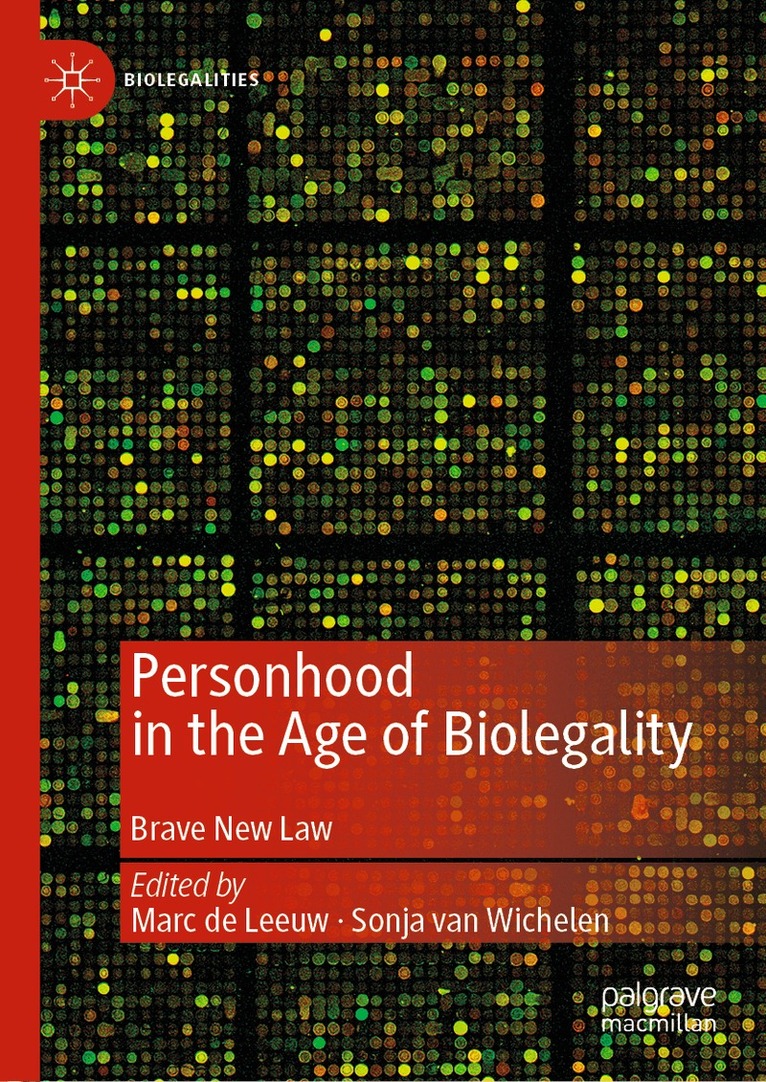
Personhood in the Age of Biolegality
Brave New Law
Av Marc de Leeuw, Sonja van Wichelen
Inbunden, 2019
1311 kr
Lägg i varukorg
This volume showcases emerging interdisciplinary scholarship that captures the complex ways in which biological knowledge is testing the nature and structure of legal personhood. Key questions include: What do the new biosciences do to our social, cultural, and legal conceptions of personhood? How …
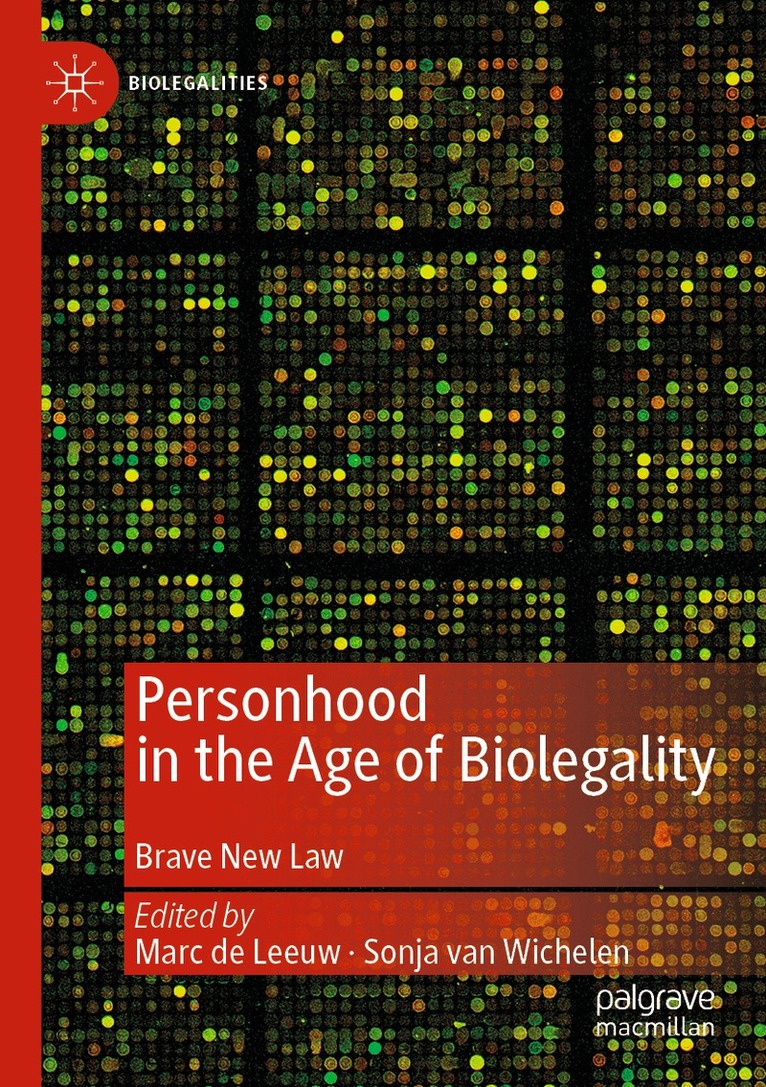
Personhood in the Age of Biolegality
Brave New Law
Av Marc de Leeuw, Sonja van Wichelen
Häftad, 2020
1311 kr
Lägg i varukorg
This volume showcases emerging interdisciplinary scholarship that captures the complex ways in which biological knowledge is testing the nature and structure of legal personhood. Key questions include: What do the new biosciences do to our social, cultural, and legal conceptions of personhood? How …
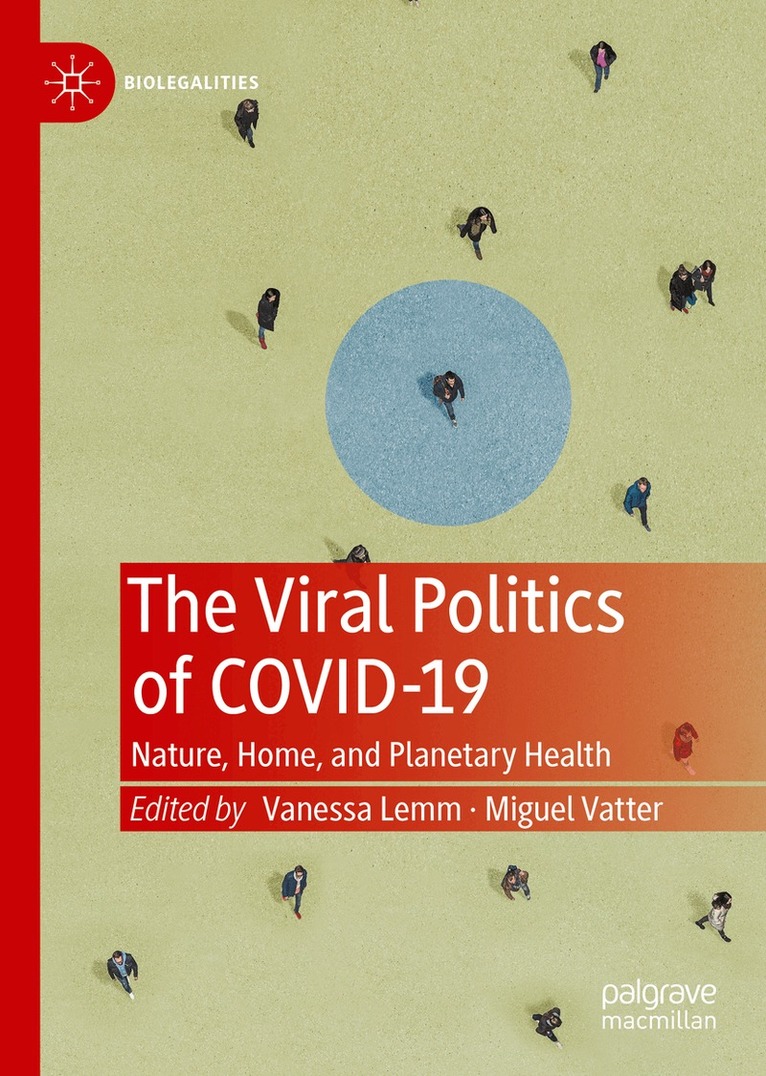
Viral Politics of Covid-19
Nature, Home, and Planetary Health
Av Vanessa Lemm, Miguel Vatter
Inbunden, 2022
1010 kr
Lägg i varukorg
This book critically examines the COVID-19 pandemic and its legal and biological governance using a multidisciplinary approach. The perspectives reflected in this volume investigate the imbrications between technosphere and biosphere at social, economic, and political levels. The biolegal …
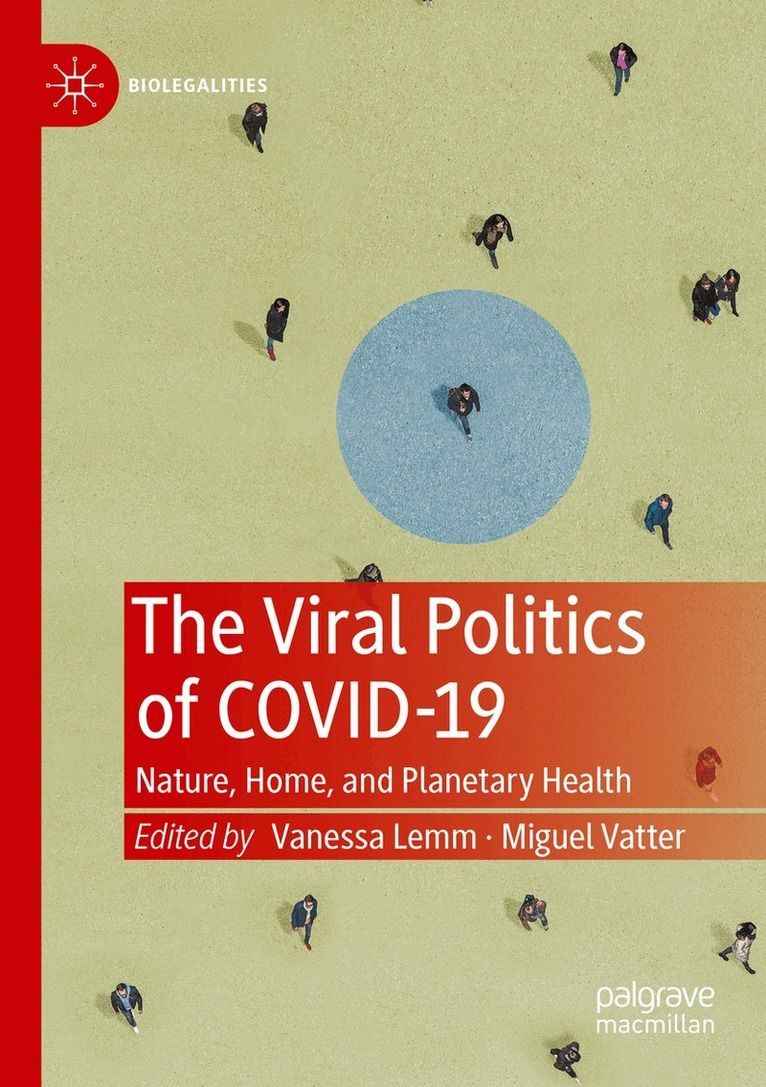
Viral Politics of Covid-19
Nature, Home, and Planetary Health
Av Vanessa Lemm, Miguel Vatter
Häftad, 2023
1010 kr
Lägg i varukorg
This book critically examines the COVID-19 pandemic and its legal and biological governance using a multidisciplinary approach. The perspectives reflected in this volume investigate the imbrications between technosphere and biosphere at social, economic, and political levels. The biolegal …
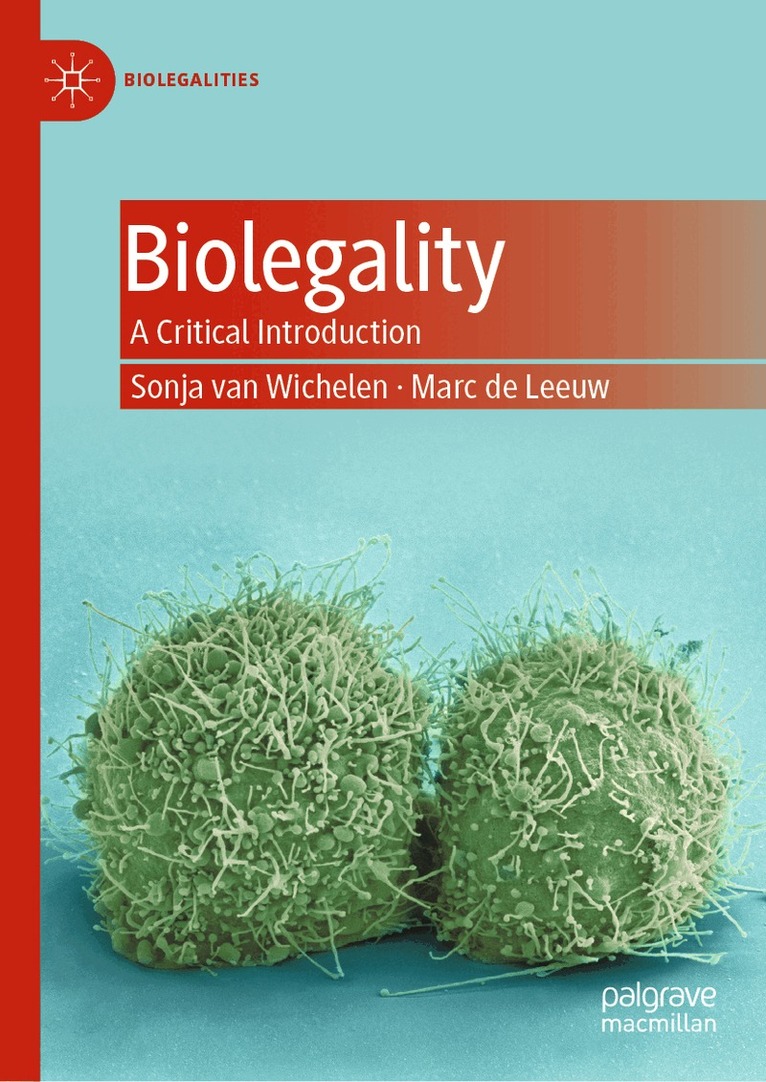
Biolegality
A Critical Introduction
Av Sonja van Wichelen, Marc de Leeuw
Inbunden, 2024
809 kr
Lägg i varukorg
This book provides a comprehensive analysis of the empirical and theoretical problems posed by the encounter between law and biology in the twenty-first century. How does biotechnology and new bioscientific knowledge affect our legal institutions, our sense of justice, and our ways of relating to …
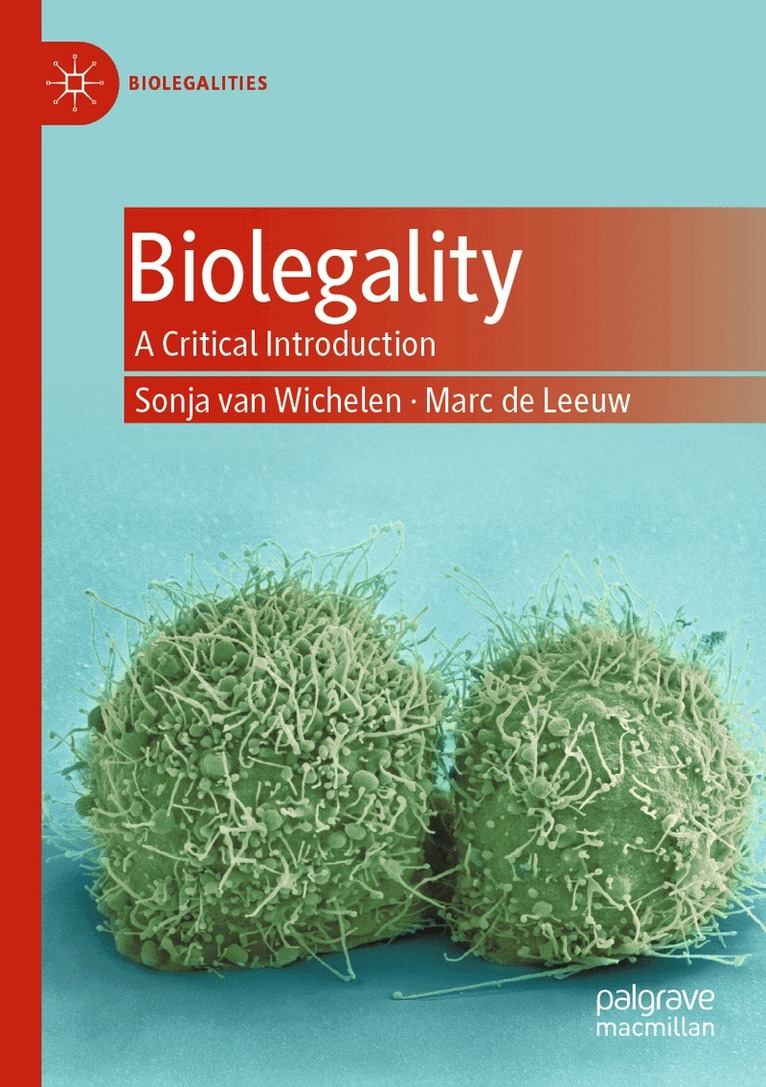
Biolegality
A Critical Introduction
Av Sonja van Wichelen, Marc de Leeuw
Häftad, 2025
809 kr
Lägg i varukorg
This book provides a comprehensive analysis of the empirical and theoretical problems posed by the encounter between law and biology in the twenty-first century. How does biotechnology and new bioscientific knowledge affect our legal institutions, our sense of justice, and our ways of relating to …