Brill Research Perspectives in International Legal Theory and Practice – serie
Visar alla böcker i serien Brill Research Perspectives in International Legal Theory and Practice. Handla med fri frakt och snabb leverans.
6 produkter
Organisation of the Anthropocene
In Our Hands?
Häftad, 2018
1141 kr
Lägg i varukorg
In The Organisation of the Anthropocene, J. E. Viñuales explores the legal dimensions of the currently advocated new geological epoch called the Anthropocene, in which humans are the defining force. He examines in this context two basic propositions. First, law as a technology of social …
Political Theology and International Law
Av John Haskell
Häftad, 2018
1141 kr
Lägg i varukorg
In Political Theology and International Law, John D. Haskell offers an account of the intellectual debates surrounding the term ‘political theology’ in academic literature concerning international law. Beneath these differences is a shared tradition, or genre, within the literature that reinforces …
Re-Situating Utopia
Häftad, 2019
1141 kr
Lägg i varukorg
In Re-Situating Utopia Matthew Nicholson argues that international law and international legal theory are dominated by a ‘blueprint’ utopianism that presents international law as the means of achieving a better global future. Contesting the dominance of this blueprintism, Nicholson argues that this …
Critical Attitude and the History of International Law
Häftad, 2019
1141 kr
Lägg i varukorg
This book questions the critical attitude that is informing the critical histories that have been flourishing since the ‘historical turn’ in international law. It makes the argument that the ‘historical turn’ falls short of being radically critical as the abounding critical histories which have …
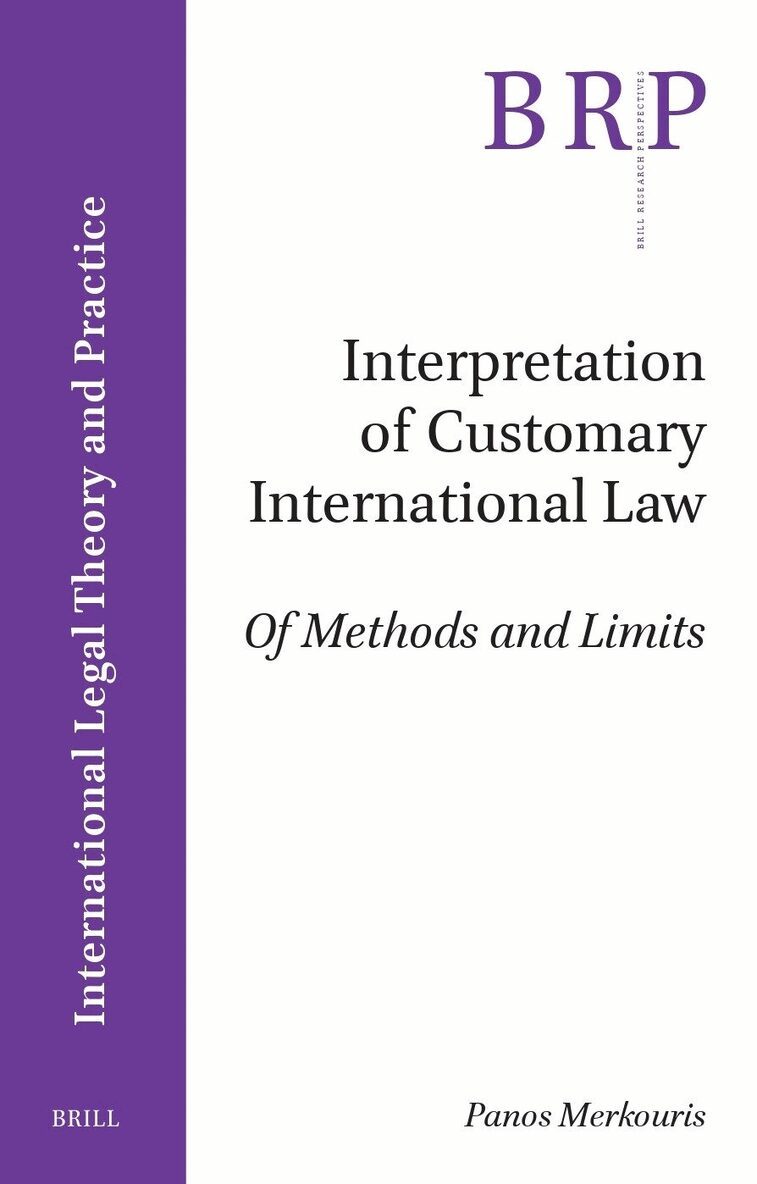
Interpretation of Customary International Law
Of Methods and Limits
Häftad, 2024
1081 kr
Lägg i varukorg
In international law interpretation is ubiquitous. However, whereas in the case of treaty interpretation, this process has been codified in Articles 31-33 of the Vienna Convention on the Law of Treaties, the interpretation of rules of customary international law has remained largely unexplored. …
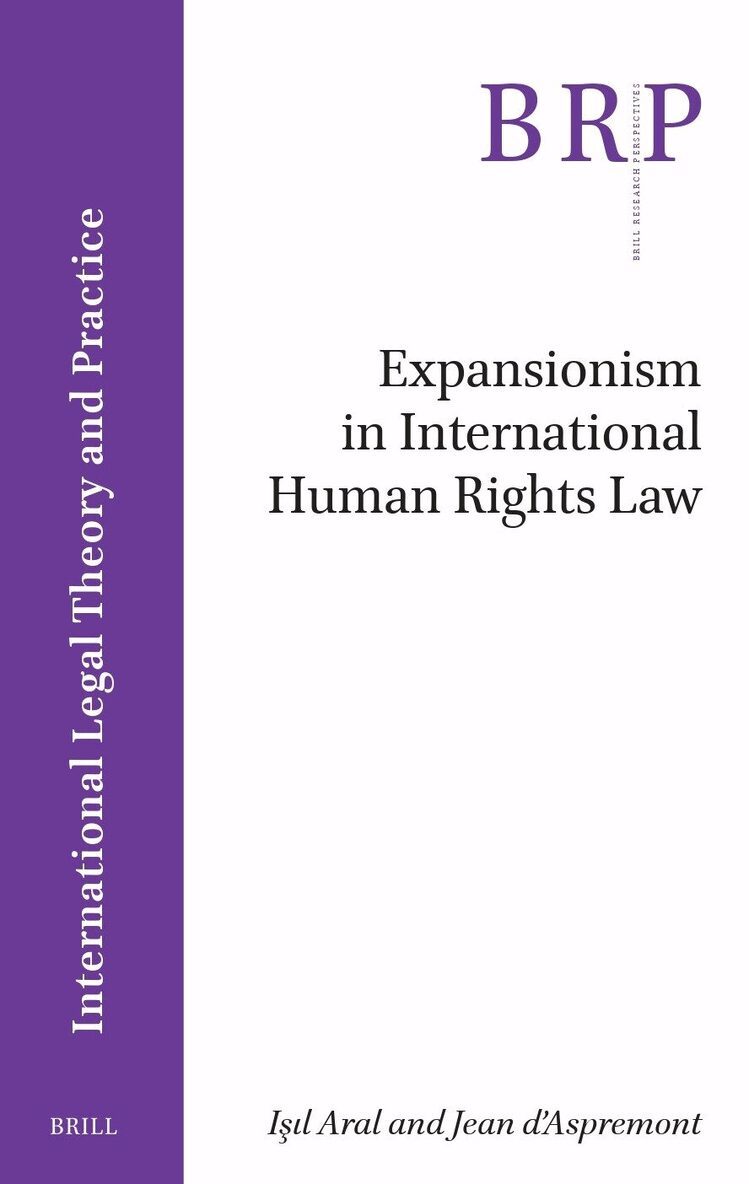
Expansionism in International Human Rights Law
Av Işıl Aral, Jean D'Aspremont
Häftad, 2024
1021 kr
Lägg i varukorg
This book explores a specific discursivity at work in international human rights law. It examines the ways in which the discourse on international human rights law constantly expands its domain while preserving its distinctiveness from general international law. It particularly exposes the …