Bucknell Lectures in Literary Theory – serie
Visar alla böcker i serien Bucknell Lectures in Literary Theory. Handla med fri frakt och snabb leverans.
6 produkter
Philosophical Passages
Wittgenstein, Emerson, Austin, Derrida
Häftad, 1994
664 kr
Lägg i varukorg
In this most recent collection of his writing, Cavell provides extraordinary careful and sustained readings of Emerson's "Fate", Derrida's response to J. L. Austin in "Signature Event Context", and Wittgenstein's Philosophical Investigations .
Significance of Theory
Av Terry Eagleton, Michael Payne
Häftad, 1989
667 kr
Lägg i varukorg
Terry Eagleton's work has had a powerful influence in debates about the politics of literature and culture. This book reflects the breadth of his interests. It offers a view of his career to date, raising a number of central issues in literature, culture and politics.
Spinoza and the Origins of Modern Critical Theory
Häftad, 1990
635 kr
Lägg i varukorg
This book offers a detailed account of Spinoza's influence on various schools of present-day critical thought. That influence extends from Althusserian Marxism to hermeneutics, deconstruction, narrative poetics, new historicism, and the unclassifiable writings of a thinker like Giles Deleuze. The …
Feminist Revision and the Bible
The Unwritten Volume
Häftad, 1992
636 kr
Lägg i varukorg
What happens when women writers re-imagine culture? How do feminists need that ur-text of patriarchy, the Bible? Unwritten volume: Re-thinking teh Bible attempts to re-think certain customary assumptions about feminism and about the Bible, in the light of poetic "readings" of biblical texts by 19th …
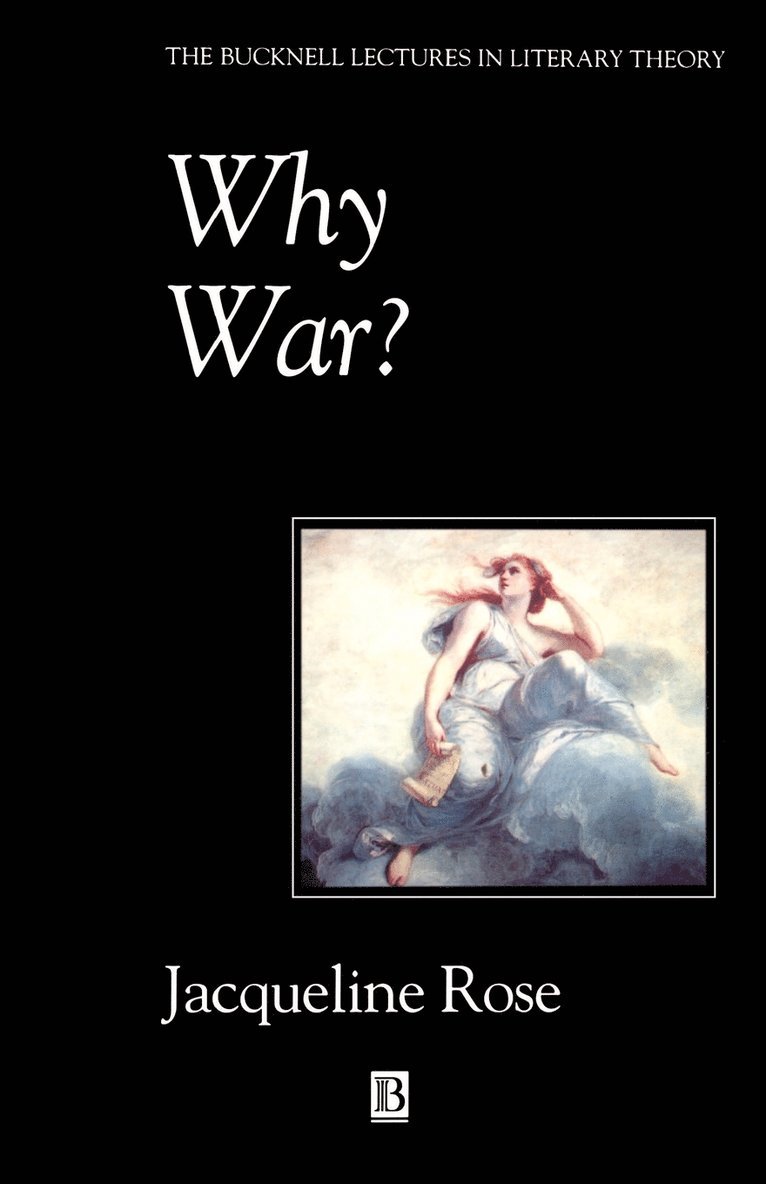
Why War?
Psychoanalysis, Politics and the Return to Melanie Klein
Av Jacqueline Rose, Harold Schweizer
Häftad, 1993
564 kr
Lägg i varukorg
Over the past decade, psychoanalysis has been a focus of continuing controversy for feminism, and at the centre of debates in the humanities about how we read literature and culture. In these essays, Jacqueline Rose continues her engagement with these issues while arguing for a shift of attention - …
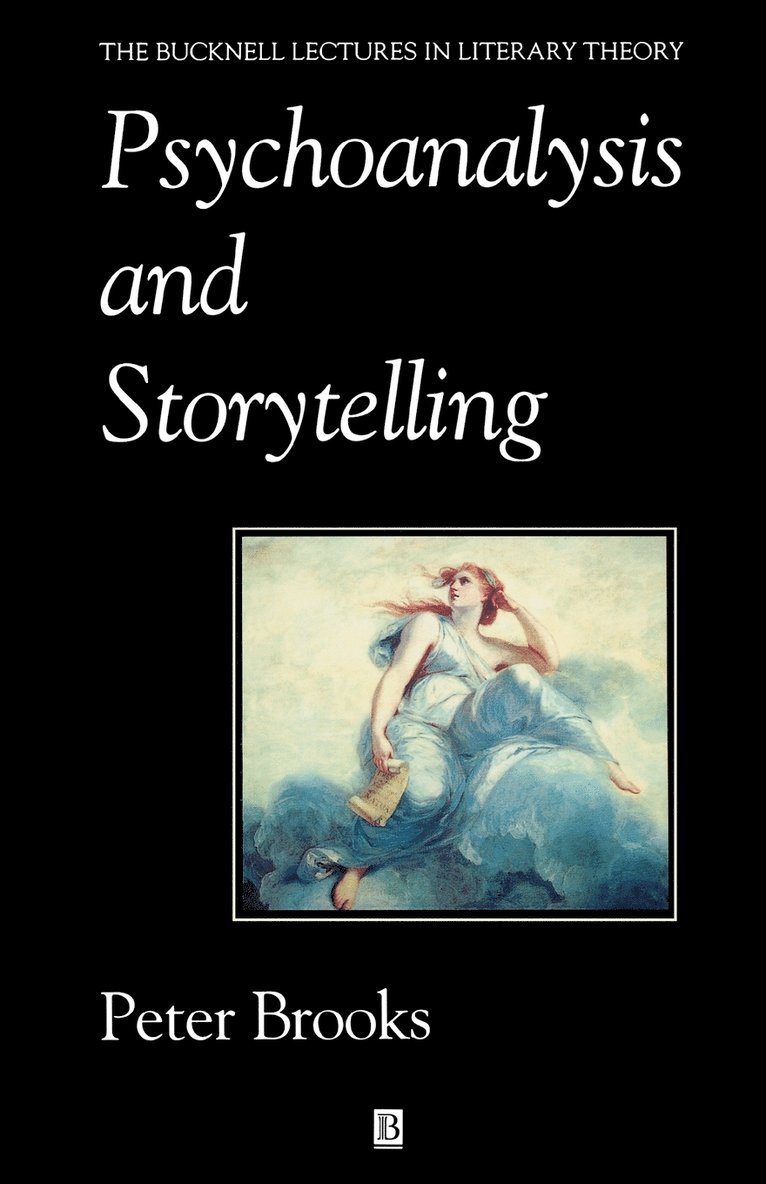
Psychoanalysis and Storytelling
Av Peter Brooks
Häftad, 1993
748 kr
Lägg i varukorg
Psychoanalysis and Narrative is a clear and exemplary demonstration of the ways in which the vital connections between psychoanalysis and literature can be articulated without reductive simplification. Following Freud's assumption that sexuality and narrative form are analogous, Brooks proposes …