Center for Ethics and Culture Solzhenitsyn Series – Serie
Visar alla böcker i serien Center for Ethics and Culture Solzhenitsyn Series. Handla med fri frakt och snabb leverans.
16 produkter
16 produkter
473 kr
Skickas inom 3-6 vardagar
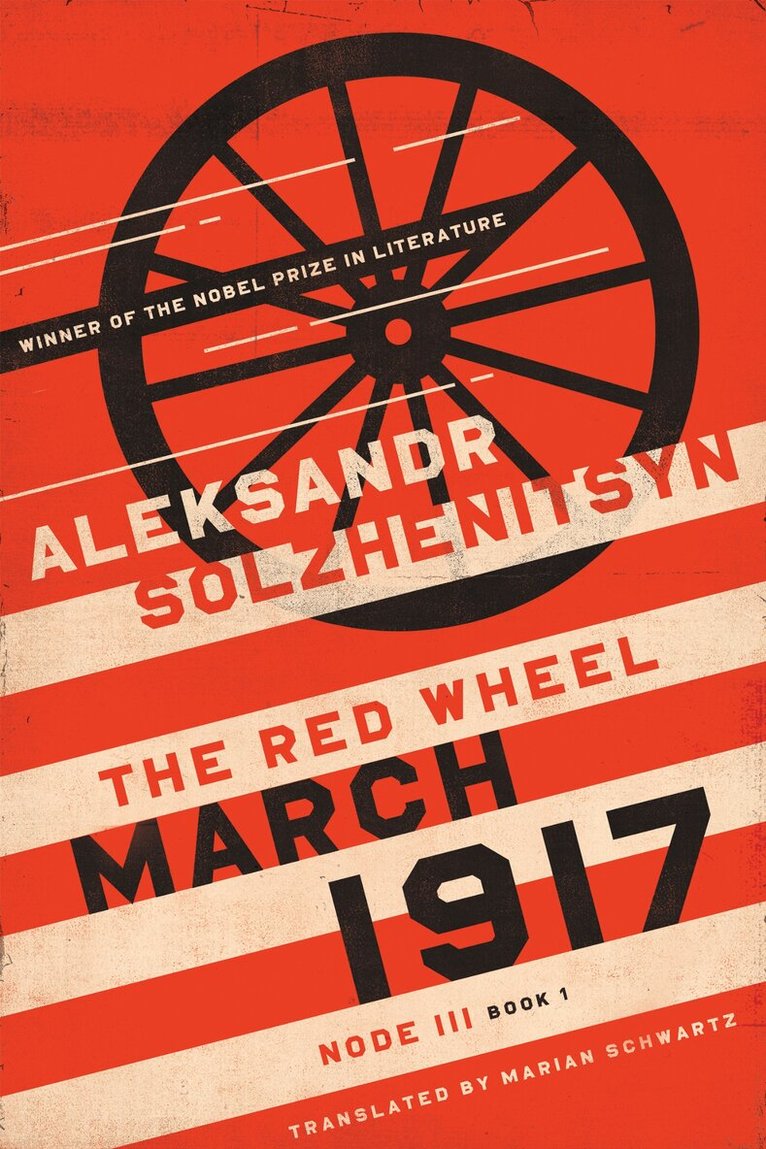
To commemorate the 100th anniversary of the Russian Revolution, the University of Notre Dame Press is proud to publish Nobel Prize–winner Aleksandr Solzhenitsyn's epic work March 1917, Node III, Book 1, of The Red Wheel.The Red Wheel is Solzhenitsyn's magnum opus about the Russian Revolution. Solzhenitsyn tells this story in the form of a meticulously researched historical novel, supplemented by newspaper headlines of the day, fragments of street action, cinematic screenplay, and historical overview. The first two nodes—August 1914 and November 1916—focus on Russia's crises and recovery, on revolutionary terrorism and its suppression, on the missed opportunity of Pyotr Stolypin's reforms, and how the surge of patriotism in August 1914 soured as Russia bled in World War I.March 1917—the third node—tells the story of the Russian Revolution itself, during which not only does the Imperial government melt in the face of the mob, but the leaders of the opposition prove utterly incapable of controlling the course of events. The action of Book 1 (of four) of March 1917 is set during March 8–12. The absorbing narrative tells the stories of more than fifty characters during the days when the Russian Empire begins to crumble. Bread riots in the capital, Petrograd, go unchecked at first, and the police are beaten and killed by mobs. Efforts to put down the violence using the army trigger a mutiny in the numerous reserve regiments housed in the city, who kill their officers and rampage. The anti-Tsarist bourgeois opposition, horrified by the violence, scrambles to declare that it is provisionally taking power, while socialists immediately create a Soviet alternative to undermine it. Meanwhile, Emperor Nikolai II is away at military headquarters and his wife Aleksandra is isolated outside Petrograd, caring for their sick children. Suddenly, the viability of the Russian state itself is called into question.The Red Wheel has been compared to Tolstoy's War and Peace, for each work aims to narrate the story of an era in a way that elevates its universal significance. In much the same way as Homer's Iliad became the representative account of the Greek world and therefore the basis for Greek civilization, these historical epics perform a parallel role for our modern world.
346 kr
Skickas inom 10-15 vardagar
To commemorate the 100th anniversary of the Russian Revolution, the University of Notre Dame Press is proud to publish Nobel Prize–winner Aleksandr Solzhenitsyn's epic work March 1917, Node III, Book 1, of The Red Wheel.The Red Wheel is Solzhenitsyn's magnum opus about the Russian Revolution. Solzhenitsyn tells this story in the form of a meticulously researched historical novel, supplemented by newspaper headlines of the day, fragments of street action, cinematic screenplay, and historical overview. The first two nodes—August 1914 and November 1916—focus on Russia's crises and recovery, on revolutionary terrorism and its suppression, on the missed opportunity of Pyotr Stolypin's reforms, and how the surge of patriotism in August 1914 soured as Russia bled in World War I.March 1917—the third node—tells the story of the Russian Revolution itself, during which not only does the Imperial government melt in the face of the mob, but the leaders of the opposition prove utterly incapable of controlling the course of events. The action of Book 1 (of four) of March 1917 is set during March 8–12. The absorbing narrative tells the stories of more than fifty characters during the days when the Russian Empire begins to crumble. Bread riots in the capital, Petrograd, go unchecked at first, and the police are beaten and killed by mobs. Efforts to put down the violence using the army trigger a mutiny in the numerous reserve regiments housed in the city, who kill their officers and rampage. The anti-Tsarist bourgeois opposition, horrified by the violence, scrambles to declare that it is provisionally taking power, while socialists immediately create a Soviet alternative to undermine it. Meanwhile, Emperor Nikolai II is away at military headquarters and his wife Aleksandra is isolated outside Petrograd, caring for their sick children. Suddenly, the viability of the Russian state itself is called into question.The Red Wheel has been compared to Tolstoy's War and Peace, for each work aims to narrate the story of an era in a way that elevates its universal significance. In much the same way as Homer's Iliad became the representative account of the Greek world and therefore the basis for Greek civilization, these historical epics perform a parallel role for our modern world.
399 kr
Skickas inom 7-10 vardagar
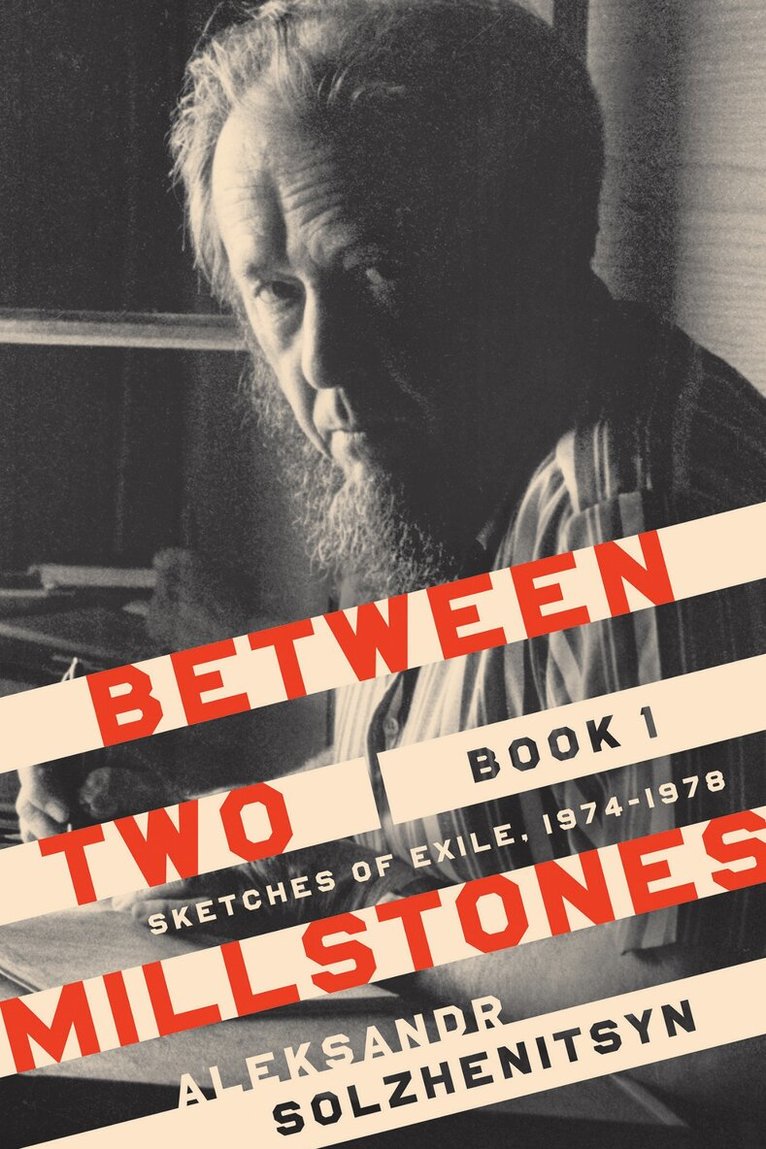
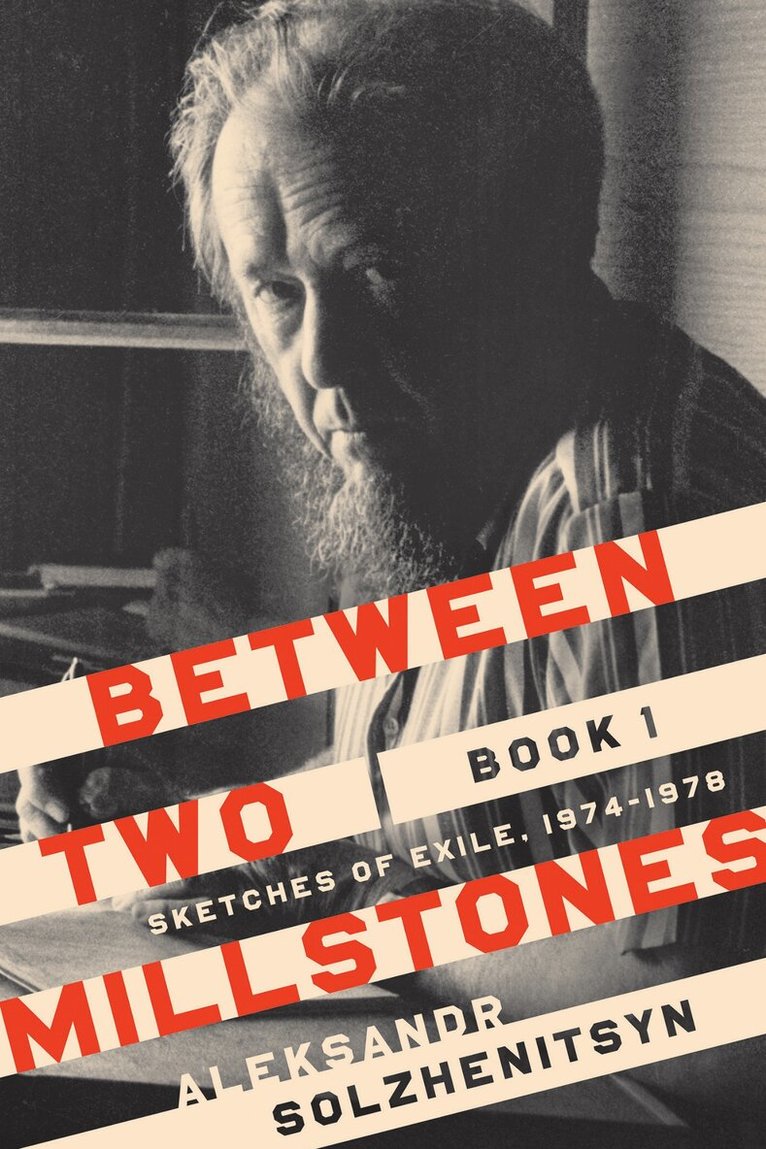
Russian Nobel prize–winner Aleksandr Solzhenitsyn (1918–2008) is widely acknowledged as one of the most important figures—and perhaps the most important writer—of the last century. To celebrate the centenary of his birth, the first English translation of his memoir of the West, Between Two Millstones, Book 1, is being published. Fast-paced, absorbing, and as compelling as the earlier installments of his memoir The Oak and the Calf (1975), Between Two Millstones begins on February 13, 1974, when Solzhenitsyn found himself forcibly expelled to Frankfurt, West Germany, as a result of the publication in the West of The Gulag Archipelago. Solzhenitsyn moved to Zurich, Switzerland, for a time and was considered the most famous man in the world, hounded by journalists and reporters. During this period, he found himself untethered and unable to work while he tried to acclimate to his new surroundings.Between Two Millstones contains vivid descriptions of Solzhenitsyn's journeys to various European countries and North American locales, where he and his wife Natalia ("Alya") searched for a location to settle their young family. There are fascinating descriptions of one-on-one meetings with prominent individuals, detailed accounts of public speeches such as the 1978 Harvard University commencement, comments on his television appearances, accounts of his struggles with unscrupulous publishers and agents who mishandled the Western editions of his books, and the KGB disinformation efforts to besmirch his name. There are also passages on Solzhenitsyn's family and their property in Cavendish, Vermont, whose forested hillsides and harsh winters evoked his Russian homeland, and where he could finally work undisturbed on his ten-volume dramatized history of the Russian Revolution, The Red Wheel. Stories include the efforts made to assure a proper education for the writer's three sons, their desire to return one day to their home in Russia, and descriptions of his extraordinary wife, editor, literary advisor, and director of the Russian Social Fund, Alya, who successfully arranged, at great peril to herself and to her family, to smuggle Solzhenitsyn's invaluable archive out of the Soviet Union.Between Two Millstones is a literary event of the first magnitude. The book dramatically reflects the pain of Solzhenitsyn's separation from his Russian homeland and the chasm of miscomprehension between him and Western society.
287 kr
Skickas inom 7-10 vardagar
Russian Nobel prize–winner Aleksandr Solzhenitsyn (1918–2008) is widely acknowledged as one of the most important figures—and perhaps the most important writer—of the last century. To celebrate the centenary of his birth, the first English translation of his memoir of the West, Between Two Millstones, Book 1, is being published. Fast-paced, absorbing, and as compelling as the earlier installments of his memoir The Oak and the Calf (1975), Between Two Millstones begins on February 13, 1974, when Solzhenitsyn found himself forcibly expelled to Frankfurt, West Germany, as a result of the publication in the West of The Gulag Archipelago. Solzhenitsyn moved to Zurich, Switzerland, for a time and was considered the most famous man in the world, hounded by journalists and reporters. During this period, he found himself untethered and unable to work while he tried to acclimate to his new surroundings.Between Two Millstones contains vivid descriptions of Solzhenitsyn's journeys to various European countries and North American locales, where he and his wife Natalia ("Alya") searched for a location to settle their young family. There are fascinating descriptions of one-on-one meetings with prominent individuals, detailed accounts of public speeches such as the 1978 Harvard University commencement, comments on his television appearances, accounts of his struggles with unscrupulous publishers and agents who mishandled the Western editions of his books, and the KGB disinformation efforts to besmirch his name. There are also passages on Solzhenitsyn's family and their property in Cavendish, Vermont, whose forested hillsides and harsh winters evoked his Russian homeland, and where he could finally work undisturbed on his ten-volume dramatized history of the Russian Revolution, The Red Wheel. Stories include the efforts made to assure a proper education for the writer's three sons, their desire to return one day to their home in Russia, and descriptions of his extraordinary wife, editor, literary advisor, and director of the Russian Social Fund, Alya, who successfully arranged, at great peril to herself and to her family, to smuggle Solzhenitsyn's invaluable archive out of the Soviet Union.Between Two Millstones is a literary event of the first magnitude. The book dramatically reflects the pain of Solzhenitsyn's separation from his Russian homeland and the chasm of miscomprehension between him and Western society.
473 kr
Skickas inom 3-6 vardagar
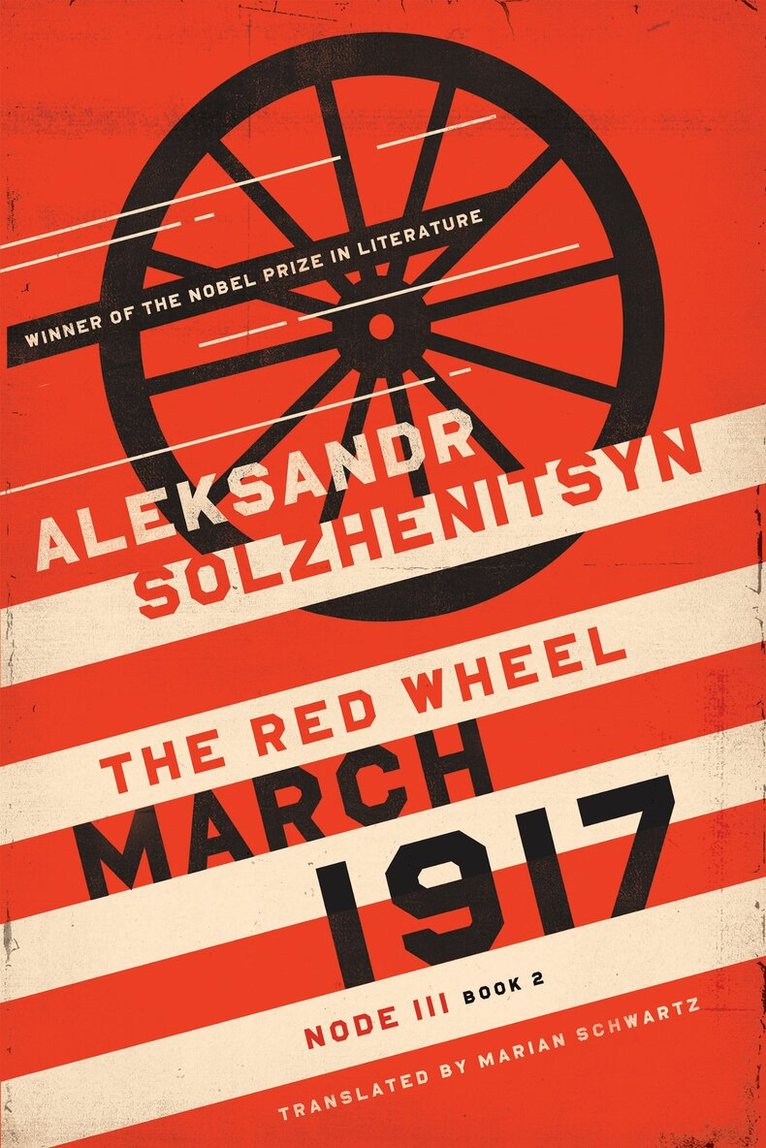
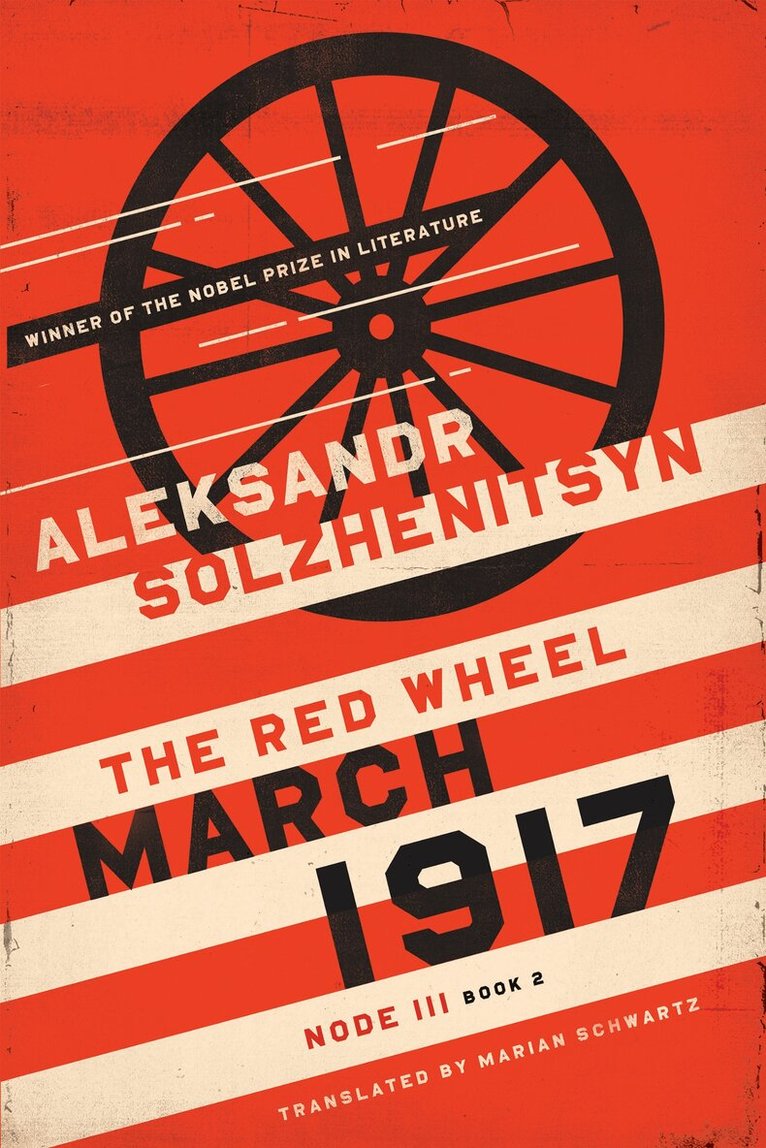
Aleksandr Solzhenitsyn's March 1917, Book 2, covers three days of the February Revolution when the nation unraveled, leading to the Bolshevik takeover eight months later.The Red Wheel is Nobel Prize–winner Aleksandr Solzhenitsyn's multivolume epic work about the Russian Revolution. He spent decades writing about just four of the most important periods, or "nodes." This is the first time that the monumental March 1917—the third node—has been translated into English. It tells the story of the Russian Revolution itself, during which the Imperial government melts in the face of the mob, and the giants of the opposition also prove incapable of controlling the course of events.The action of Book 2 (of four) of March 1917 is set during March 13–15, 1917, the Russian Revolution's turbulent second week. The revolution has already won inside the capital, Petrograd. News of the revolution flashes across all Russia through the telegraph system of the Ministry of Roads and Railways. But this is wartime, and the real power is with the army. At Emperor Nikolai II's order, the Supreme Command sends troops to suppress the revolution in Petrograd. Meanwhile, victory speeches ring out at Petrograd's Tauride Palace. Inside, two parallel power structures emerge: the Provisional Government and the Executive Committee of the Petrograd Soviet of Workers' and Soldiers' Deputies, which sends out its famous "Order No. 1," presaging the destruction of the army. The troops sent to suppress the Petrograd revolution are halted by the army's own top commanders. The Emperor is detained and abdicates, and his ministers are jailed and sent to the Peter and Paul Fortress. This sweeping, historical novel is a must-read for Solzhenitsyn's many fans, as well as those interested in twentieth-century history, Russian history and literature, and military history.
341 kr
Skickas
Aleksandr Solzhenitsyn's March 1917, Book 2, covers three days of the February Revolution when the nation unraveled, leading to the Bolshevik takeover eight months later.The Red Wheel is Nobel Prize–winner Aleksandr Solzhenitsyn's multivolume epic work about the Russian Revolution. He spent decades writing about just four of the most important periods, or "nodes." This is the first time that the monumental March 1917—the third node—has been translated into English. It tells the story of the Russian Revolution itself, during which the Imperial government melts in the face of the mob, and the giants of the opposition also prove incapable of controlling the course of events.The action of Book 2 (of four) of March 1917 is set during March 13–15, 1917, the Russian Revolution's turbulent second week. The revolution has already won inside the capital, Petrograd. News of the revolution flashes across all Russia through the telegraph system of the Ministry of Roads and Railways. But this is wartime, and the real power is with the army. At Emperor Nikolai II's order, the Supreme Command sends troops to suppress the revolution in Petrograd. Meanwhile, victory speeches ring out at Petrograd's Tauride Palace. Inside, two parallel power structures emerge: the Provisional Government and the Executive Committee of the Petrograd Soviet of Workers' and Soldiers' Deputies, which sends out its famous "Order No. 1," presaging the destruction of the army. The troops sent to suppress the Petrograd revolution are halted by the army's own top commanders. The Emperor is detained and abdicates, and his ministers are jailed and sent to the Peter and Paul Fortress. This sweeping, historical novel is a must-read for Solzhenitsyn's many fans, as well as those interested in twentieth-century history, Russian history and literature, and military history.
1 219 kr
Skickas inom 5-8 vardagar
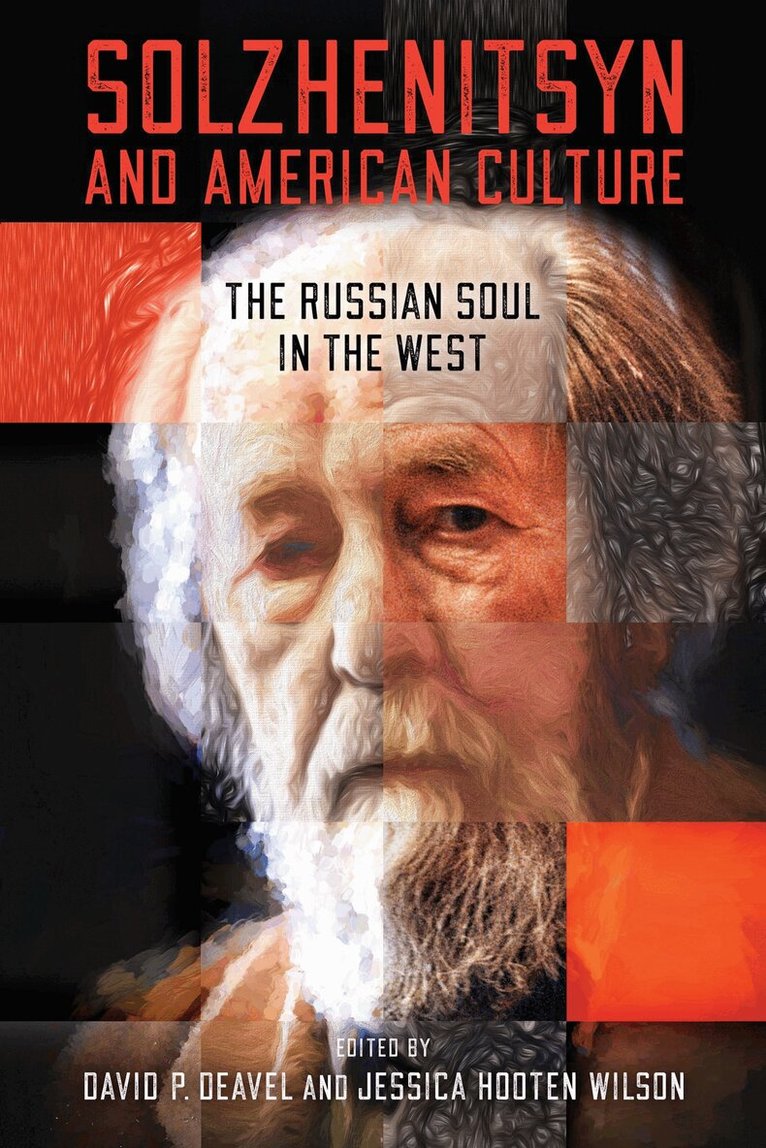
These essays will interest readers familiar with the work of Nobel Prize–winner Aleksandr Solzhenitsyn and are a great starting point for those eager for an introduction to the great Russian's work.When people think of Russia today, they tend to gravitate toward images of Soviet domination or, more recently, Vladimir Putin's war against Ukraine. The reality, however, is that, despite Russia's political failures, its rich history of culture, religion, and philosophical reflection—even during the darkest days of the Gulag—have been a deposit of wisdom for American artists, religious thinkers, and political philosophers probing what it means to be human in America. Aleksandr Solzhenitsyn stands out as the key figure in this conversation, as both a Russian literary giant and an exile from Russia living in America for two decades. This anthology reconsiders Solzhenitsyn's work from a variety of perspectives—his faith, his politics, and the influences and context of his literature—to provide a prophetic vision for our current national confusion over universal ideals.In Solzhenitsyn and American Culture: The Russian Soul in the West, David P. Deavel and Jessica Hooten Wilson have collected essays from the foremost scholars and thinkers of comparative studies who have been tracking what Americans have borrowed and learned from Solzhenitsyn and his fellow Russians. The book offers a consideration of what we have in common—the truth, goodness, and beauty America has drawn from Russian culture and from masters such as Solzhenitsyn—and will suggest to readers what we can still learn and what we must preserve. The last section expands the book's theme and reach by examining the impact of other notable Russian authors, including Pushkin, Dostoevsky, and Gogol.Contributors: David P. Deavel, Jessica Hooten Wilson, Nathan Nielson, Eugene Vodolazkin, David Walsh, Matthew Lee Miller, Ralph C. Wood, Gary Saul Morson, Edward E. Ericson, Jr., Micah Mattix, Joseph Pearce, James F. Pontuso, Daniel J. Mahoney, William Jason Wallace, Lee Trepanier, Peter Leithart, Dale Peterson, Julianna Leachman, Walter G. Moss, and Jacob Howland.
546 kr
Skickas inom 10-15 vardagar
These essays will interest readers familiar with the work of Nobel Prize–winner Aleksandr Solzhenitsyn and are a great starting point for those eager for an introduction to the great Russian's work.When people think of Russia today, they tend to gravitate toward images of Soviet domination or, more recently, Vladimir Putin's war against Ukraine. The reality, however, is that, despite Russia's political failures, its rich history of culture, religion, and philosophical reflection—even during the darkest days of the Gulag—have been a deposit of wisdom for American artists, religious thinkers, and political philosophers probing what it means to be human in America. Aleksandr Solzhenitsyn stands out as the key figure in this conversation, as both a Russian literary giant and an exile from Russia living in America for two decades. This anthology reconsiders Solzhenitsyn's work from a variety of perspectives—his faith, his politics, and the influences and context of his literature—to provide a prophetic vision for our current national confusion over universal ideals.In Solzhenitsyn and American Culture: The Russian Soul in the West, David P. Deavel and Jessica Hooten Wilson have collected essays from the foremost scholars and thinkers of comparative studies who have been tracking what Americans have borrowed and learned from Solzhenitsyn and his fellow Russians. The book offers a consideration of what we have in common—the truth, goodness, and beauty America has drawn from Russian culture and from masters such as Solzhenitsyn—and will suggest to readers what we can still learn and what we must preserve. The last section expands the book's theme and reach by examining the impact of other notable Russian authors, including Pushkin, Dostoevsky, and Gogol.Contributors: David P. Deavel, Jessica Hooten Wilson, Nathan Nielson, Eugene Vodolazkin, David Walsh, Matthew Lee Miller, Ralph C. Wood, Gary Saul Morson, Edward E. Ericson, Jr., Micah Mattix, Joseph Pearce, James F. Pontuso, Daniel J. Mahoney, William Jason Wallace, Lee Trepanier, Peter Leithart, Dale Peterson, Julianna Leachman, Walter G. Moss, and Jacob Howland.
436 kr
Skickas inom 3-6 vardagar
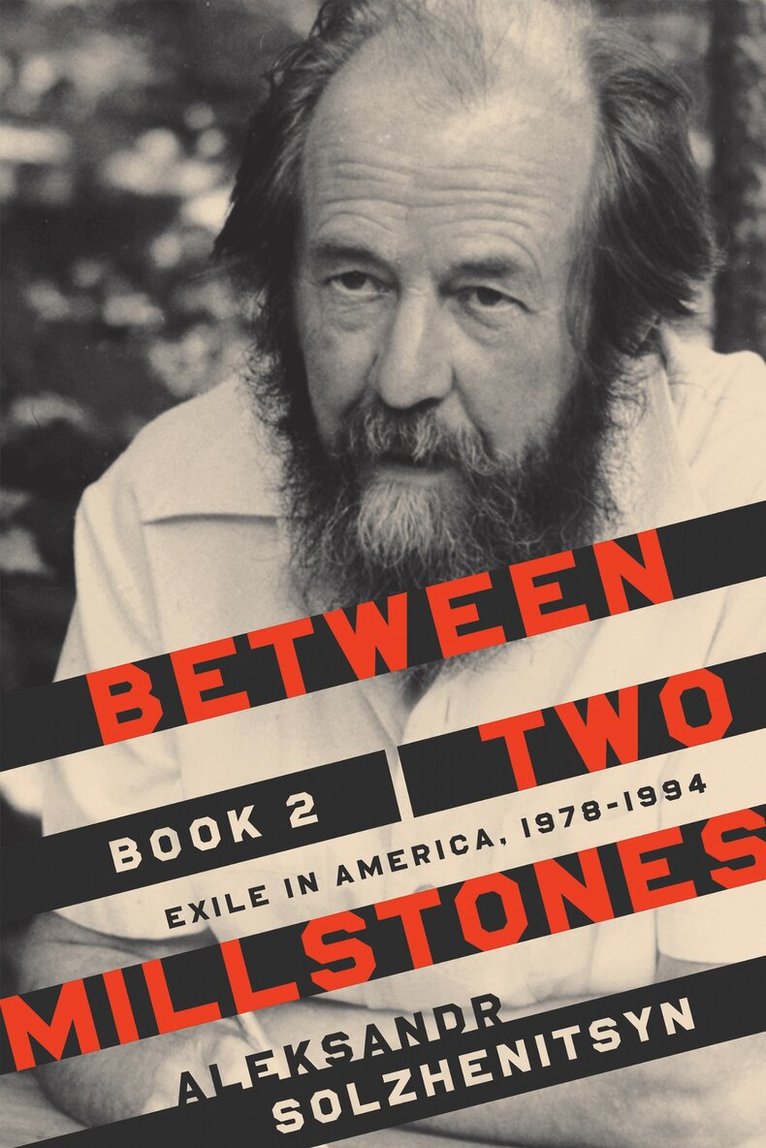
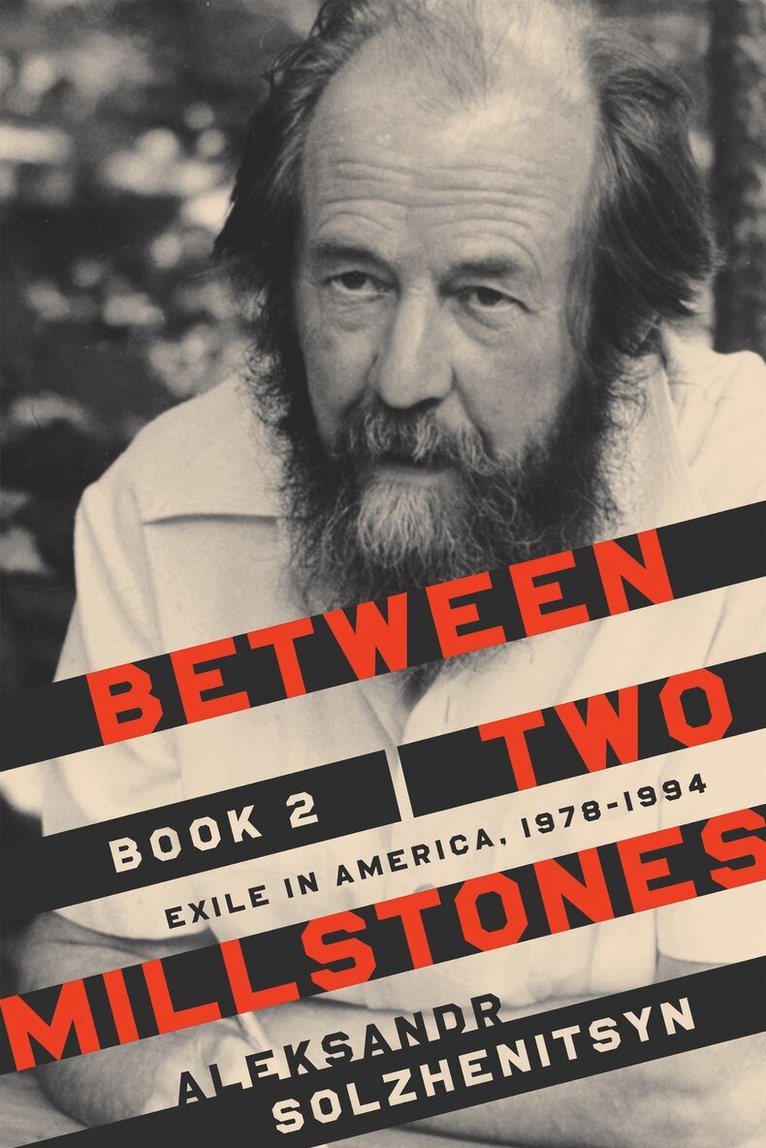
"Aleksandr Solzhenitsyn delineates his idyllic time in rural Vermont, where he had the freedom to work, spend time with his family, and wage a war of ideas against the Soviet Union and other detractors from afar. At his quiet retreat . . . the Nobel laureate found . . . 'a happiness in free and uninterrupted work.'" —Kirkus ReviewsThis compelling account concludes Nobel Prize–winner Aleksandr Solzhenitsyn's literary memoirs of his years in the West after his forced exile from the USSR following the publication of The Gulag Archipelago. The book reflects both the pain of separation from his Russian homeland and the chasm of miscomprehension between him and Western opinion makers. In Between Two Millstones, Solzhenitsyn likens his position to that of a grain that becomes lodged between two massive stones, each grinding away—the Soviet Communist power with its propaganda machine on the one hand and the Western establishment with its mainstream media on the other. Book 2 picks up the story of Solzhenitsyn's remarkable life after the raucous publicity over his 1978 Harvard Address has died down. The author parries attacks from the Soviet state (and its many fellow-travelers in the Western press) as well as from recent émigrés who, according to Solzhenitsyn, defame Russian culture, history, and religion. He shares his unvarnished view of several infamous episodes, such as a sabotaged meeting with Ronald Reagan, aborted Senate hearings regarding Radio Liberty, and Gorbachev's protracted refusal to allow The Gulag Archipelago to be published back home. There is also a captivating chapter detailing his trips to Japan, Taiwan, and Great Britain, including meetings with Margaret Thatcher and Prince Charles and Princess Diana. Meanwhile, the central themes of Book 1 course through this volume, too—the immense artistic quandary of fashioning The Red Wheel, staunch Western hostility to the historical and future Russia (and how much can, or should, the author do about it), and the challenges of raising his three sons in the language and spirit of Russia while cut off from the homeland in a remote corner of rural New England. The book concludes in 1994, as Solzhenitsyn bids farewell to the West in a valedictory series of speeches and meetings with world leaders, including John Paul II, and prepares at last to return home with his beloved wife Natalia, full of misgivings about what use he can be in the first chaotic years of post-Communist Russia, but never wavering in his conviction that, in the long run, his books would speak, influence, and convince. This vibrant, faithful, and long-awaited first English translation of Between Two Millstones, Book 2, will fascinate Solzhenitsyn's many admirers, as well as those interested in twentieth-century history, Russian history, and literature in general.
320 kr
Skickas inom 10-15 vardagar
"Aleksandr Solzhenitsyn delineates his idyllic time in rural Vermont, where he had the freedom to work, spend time with his family, and wage a war of ideas against the Soviet Union and other detractors from afar. At his quiet retreat . . . the Nobel laureate found . . . 'a happiness in free and uninterrupted work.'" —Kirkus ReviewsThis compelling account concludes Nobel Prize–winner Aleksandr Solzhenitsyn's literary memoirs of his years in the West after his forced exile from the USSR following the publication of The Gulag Archipelago. The book reflects both the pain of separation from his Russian homeland and the chasm of miscomprehension between him and Western opinion makers. In Between Two Millstones, Solzhenitsyn likens his position to that of a grain that becomes lodged between two massive stones, each grinding away—the Soviet Communist power with its propaganda machine on the one hand and the Western establishment with its mainstream media on the other. Book 2 picks up the story of Solzhenitsyn's remarkable life after the raucous publicity over his 1978 Harvard Address has died down. The author parries attacks from the Soviet state (and its many fellow-travelers in the Western press) as well as from recent émigrés who, according to Solzhenitsyn, defame Russian culture, history, and religion. He shares his unvarnished view of several infamous episodes, such as a sabotaged meeting with Ronald Reagan, aborted Senate hearings regarding Radio Liberty, and Gorbachev's protracted refusal to allow The Gulag Archipelago to be published back home. There is also a captivating chapter detailing his trips to Japan, Taiwan, and Great Britain, including meetings with Margaret Thatcher and Prince Charles and Princess Diana. Meanwhile, the central themes of Book 1 course through this volume, too—the immense artistic quandary of fashioning The Red Wheel, staunch Western hostility to the historical and future Russia (and how much can, or should, the author do about it), and the challenges of raising his three sons in the language and spirit of Russia while cut off from the homeland in a remote corner of rural New England. The book concludes in 1994, as Solzhenitsyn bids farewell to the West in a valedictory series of speeches and meetings with world leaders, including John Paul II, and prepares at last to return home with his beloved wife Natalia, full of misgivings about what use he can be in the first chaotic years of post-Communist Russia, but never wavering in his conviction that, in the long run, his books would speak, influence, and convince. This vibrant, faithful, and long-awaited first English translation of Between Two Millstones, Book 2, will fascinate Solzhenitsyn's many admirers, as well as those interested in twentieth-century history, Russian history, and literature in general.
473 kr
Skickas inom 3-6 vardagar
In March 1917, Book 3 the forces of revolutionary disintegration spread out from Petrograd all the way to the front lines of World War I, presaging Russia's collapse.One of the masterpieces of world literature, The Red Wheel is Nobel prize–winner Aleksandr Solzhenitsyn's multivolume epic work about the Russian Revolution told in the form of a historical novel. March 1917—the third node—tells the story, day by day, of the Russian Revolution itself. Until recently, the final two nodes have been unavailable in English. The publication of Book 1 of March 1917 (in 2017) and Book 2 (in 2019) has begun to rectify this situation.The action of Book 3 (out of four) is set during March 16–22, 1917. In Book 3, the Romanov dynasty ends and the revolution starts to roll out from Petrograd toward Moscow and the Russian provinces. The dethroned Emperor Nikolai II makes his farewell to the Army and is kept under guard with his family. In Petrograd, the Provisional Government and the Soviet of Workers' and Soldiers' Deputies continue to exercise power in parallel. The war hero Lavr Kornilov is appointed military chief of Petrograd. But the Soviet's "Order No. 1" reaches every soldier, undermining the officer corps and shaking the Army to its foundations. Many officers, including the head of the Baltic Fleet, the progressive Admiral Nepenin, are murdered. Black Sea Fleet Admiral Kolchak holds the revolution at bay; meanwhile, Grand Duke Nikolai Nikolaevich, the emperor's uncle, makes his way to military headquarters, naïvely thinking he will be allowed to take the Supreme Command.
346 kr
Skickas inom 10-15 vardagar
In March 1917, Book 3 the forces of revolutionary disintegration spread out from Petrograd all the way to the front lines of World War I, presaging Russia's collapse.One of the masterpieces of world literature, The Red Wheel is Nobel prize–winner Aleksandr Solzhenitsyn's multivolume epic work about the Russian Revolution told in the form of a historical novel. March 1917—the third node—tells the story, day by day, of the Russian Revolution itself. Until recently, the final two nodes have been unavailable in English. The publication of Book 1 of March 1917 (in 2017) and Book 2 (in 2019) has begun to rectify this situation.The action of Book 3 (out of four) is set during March 16–22, 1917. In Book 3, the Romanov dynasty ends and the revolution starts to roll out from Petrograd toward Moscow and the Russian provinces. The dethroned Emperor Nikolai II makes his farewell to the Army and is kept under guard with his family. In Petrograd, the Provisional Government and the Soviet of Workers' and Soldiers' Deputies continue to exercise power in parallel. The war hero Lavr Kornilov is appointed military chief of Petrograd. But the Soviet's "Order No. 1" reaches every soldier, undermining the officer corps and shaking the Army to its foundations. Many officers, including the head of the Baltic Fleet, the progressive Admiral Nepenin, are murdered. Black Sea Fleet Admiral Kolchak holds the revolution at bay; meanwhile, Grand Duke Nikolai Nikolaevich, the emperor's uncle, makes his way to military headquarters, naïvely thinking he will be allowed to take the Supreme Command.
We Have Ceased to See the Purpose
Essential Speeches of Aleksandr Solzhenitsyn
Inbunden, Engelska, 2025
346 kr
Skickas inom 10-15 vardagar
This collection brings together ten of Nobel Prize–winner Aleksandr Solzhenitsyn's most memorable and consequential speeches, delivered in the West and in Russia between 1972 and 1997.Following his exile from the USSR in 1974, Aleksandr Solzhenitsyn lived and traveled in the West for twenty years before the fall of Communism allowed him to return home to Russia. The majority of the speeches collected in this volume straddle this period of exile, contemplating the materialism prevalent worldwide—forcibly imposed in the socialist East, freely chosen in the capitalist West—and searching for humanity's possible paths forward. In beautiful yet haunting and prophetic prose, Solzhenitsyn explores the mysterious purpose of art, the two-edged nature of limitless freedom, the decline of faith in favor of legalistic secularism, and—perhaps most centrally—the power of literature, art, and culture to elevate the human spirit.These annotated speeches, including his timeless "Nobel Lecture" and "Harvard Address," have been rendered in English by skilled translators, including Solzhenitsyn's sons. The volume includes an introduction to the speeches, brief background information about each speech, and a timeline of the key dates in Solzhenitsyn's life.
473 kr
Skickas inom 3-6 vardagar
In March 1917, Book 4 the willing and unwilling participants of the Russian Revolution try to make sense of their next steps amidst unraveling chaos.One of the masterpieces of world literature, The Red Wheel is Nobel prize–winner Aleksandr Solzhenitsyn's multivolume epic work about the Russian Revolution told in the form of a historical novel. March 1917—the third node—chronicles the mayhem, day by day, of the Russian Revolution. Book 4 presents, for the first time in English, the conclusion of this four-volume revolutionary saga.The action of Book 4 is set during March 23–31, 1917. Book 4 portrays a cast of thousands in motion and agitation as every stratum of Russian society—the army on the front lines, the countryside, the Volga merchants, the Don Cossacks, the Orthodox Church—is racked by the confusing new reality. Soldiers start to fraternize across trenches with the enemy. The Grand Duke Nikolai Nikolaevich, the emperor's uncle, arrives at military headquarters to assume the supreme command but is promptly dismissed by the new Provisional Government. Even this government holds no power, for at every step it is cowed and hemmed in by a self-proclaimed and unaccountable Executive Committee acting in the name of the Soviets—councils of workers and soldiers. Yet the Soviets themselves are divided—on whether to call for an end to the war or for its continuation, on whether to topple the Provisional Government or to let it try to govern. Meanwhile, in Switzerland, Lenin quietly dictates his own terms to the German General Staff, setting the stage for his return to Russia.
326 kr
Kommande
In March 1917, Book 4 the willing and unwilling participants of the Russian Revolution try to make sense of their next steps amidst unraveling chaos.One of the masterpieces of world literature, The Red Wheel is Nobel prize–winner Aleksandr Solzhenitsyn's multivolume epic work about the Russian Revolution told in the form of a historical novel. March 1917—the third node—chronicles the mayhem, day by day, of the Russian Revolution. Book 4 presents, for the first time in English, the conclusion of this four-volume revolutionary saga.The action of Book 4 is set during March 23–31, 1917. Book 4 portrays a cast of thousands in motion and agitation as every stratum of Russian society—the army on the front lines, the countryside, the Volga merchants, the Don Cossacks, the Orthodox Church—is racked by the confusing new reality. Soldiers start to fraternize across trenches with the enemy. The Grand Duke Nikolai Nikolaevich, the emperor's uncle, arrives at military headquarters to assume the supreme command but is promptly dismissed by the new Provisional Government. Even this government holds no power, for at every step it is cowed and hemmed in by a self-proclaimed and unaccountable Executive Committee acting in the name of the Soviets—councils of workers and soldiers. Yet the Soviets themselves are divided—on whether to call for an end to the war or for its continuation, on whether to topple the Provisional Government or to let it try to govern. Meanwhile, in Switzerland, Lenin quietly dictates his own terms to the German General Staff, setting the stage for his return to Russia.
473 kr
Skickas inom 3-6 vardagar
April 1917, Book 1, captures the division and helplessness of Russia's first Revolutionary rulers, paving the way for the victory of the ruthless Bolsheviks later that year.One of the masterpieces of world literature, The Red Wheel is Nobel prize–winner Aleksandr Solzhenitsyn's multivolume epic work about the Russian Revolution told in the form of a historical novel. April 1917—the fourth node—shows the intractable divisions that would lead Russia to catastrophic Communist dictatorship and civil war. Whereas the first three nodes of The Red Wheel form its first act, "The Revolution," April 1917 opens its second act, "The Rule of the People."The action of Book 1 (of two) is set during April 11–May 5, 1917. Book 1 presents an early showdown, just seven weeks into the revolution, between its various wings. The Provisional Government comes under fire for its "bourgeois" capitalism and continuing commitment to World War I. Bolshevik leader Vladimir Lenin returns from exile and delivers his April Theses in Petrograd, actively sowing seeds of division. He declares that the revolution is not complete and openly calls for civil war, outlining a radical plan to overthrow the Provisional Government and seize power for the Soviets. Amid the chaos and rising tide of Bolshevism, the elements of resistance, and decency, slowly begin to awaken.