CERI: Comparative Politics and International Studies Series – Serie
Visar alla böcker i serien CERI: Comparative Politics and International Studies Series. Handla med fri frakt och snabb leverans.
5 produkter
5 produkter
448 kr
Skickas inom 7-10 vardagar
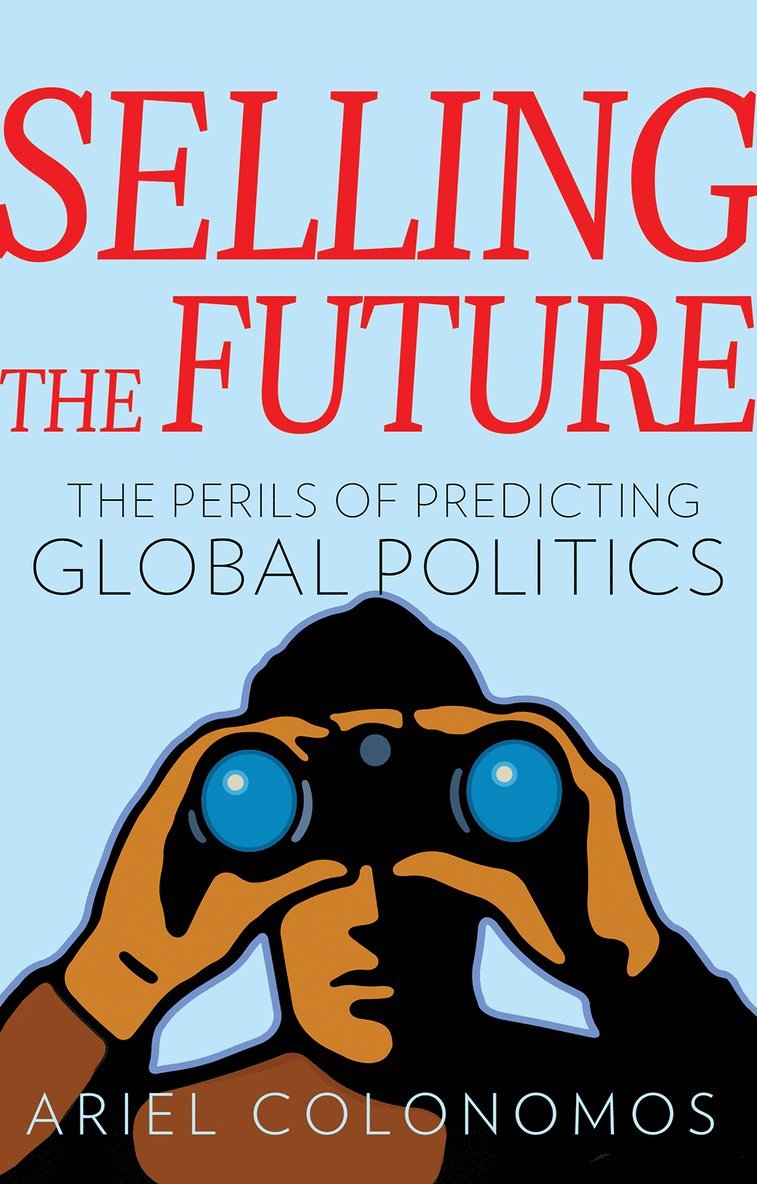
*** Winner of the 2017 ISA Ethics Book Award 2017*** In an age of uncertainty, those who can anticipate revolution, the outbreak of wars, or which states might default are much in demand. The marketplace of ideas about the future is huge, and includes 'wonks', scholars and pundits who produce scenarios, predictions and ratings. The more opaque the future seems to be, so the relation between knowledge and power intensifies, above all the nexus between those who sell their expertise and those who consume it. In his investigation of the paradoxes of fore--casting, Ariel Colonomos interrogates today's knowledge factories to reveal how our futures are shaped by social scientists, think tanks and rat--ing agencies. He explains why conservative and linear predictions prevail, and why the future, especially when linked to national interest, re--flects a systematic search for stability. The notion of a globalised world whose main characteristic is speed, and where predictions have accelerat--ing, self-fulfilling effects, is obsolete. Those who are supposed to know, reassure those who are supposed to act. Their preferences converge, and thus the industry of the future has a decelerating effect on world politics. These 'lords of knowledge' reinforce pre-existing beliefs, create expectations about the future, while obstructing its vision when - inevitably - it diverges from its orderly path.
322 kr
Skickas inom 7-10 vardagar
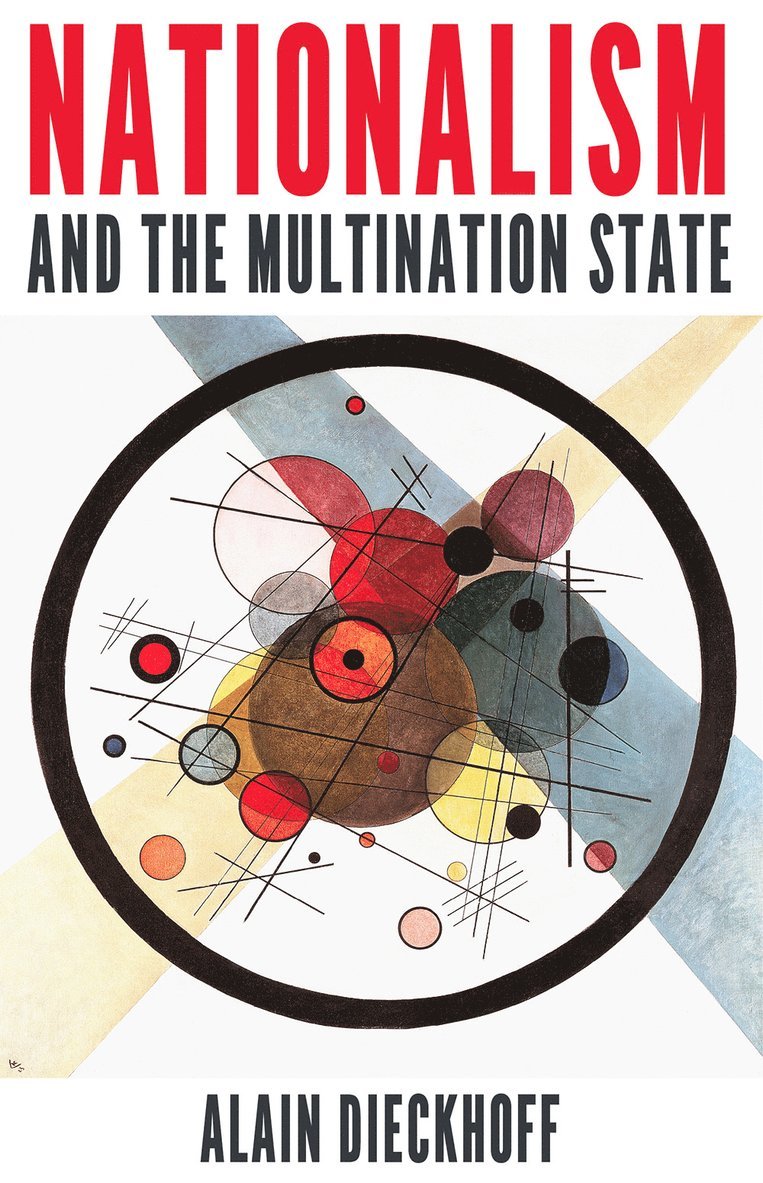
Published in English for the first time, this book defends the idea that nationhood remains a central aspect of modernity. After the breakup of the Soviet Union and Yugoslavia in the 1990s, the following decade confirmed this hypothesis with the rise of independence movements in Europe (in Scotland and Flanders) and the persistence of claims to nationhood the world over (for example, in Kurdistan and Tibet). A dual perspective informs Dieckhoff's analysis: to understand the hidden social and cultural underpinnings of post-Cold War identity dynamics, from Kosovo to Catalonia and from Flanders to Corsica, and to examine how societies can meet the challenge of national pluralism. Finding liberalism, republicanism and multiculturalism unequal to this task, he argues that only by building 'multi-nation' democratic states can the issues be properly addressed and secessions prevented. Contemporary liberal discourse often treats nationalism as an archaic aberration -- as a primitive form of tribalism astray in the modern world.Dieckhoff's sensitive and clear-headed analysis shows why nationalism is in fact a fundamental facet of modernity, which must be dealt with as such by states vulnerable to breakup.
331 kr
Skickas inom 7-10 vardagar
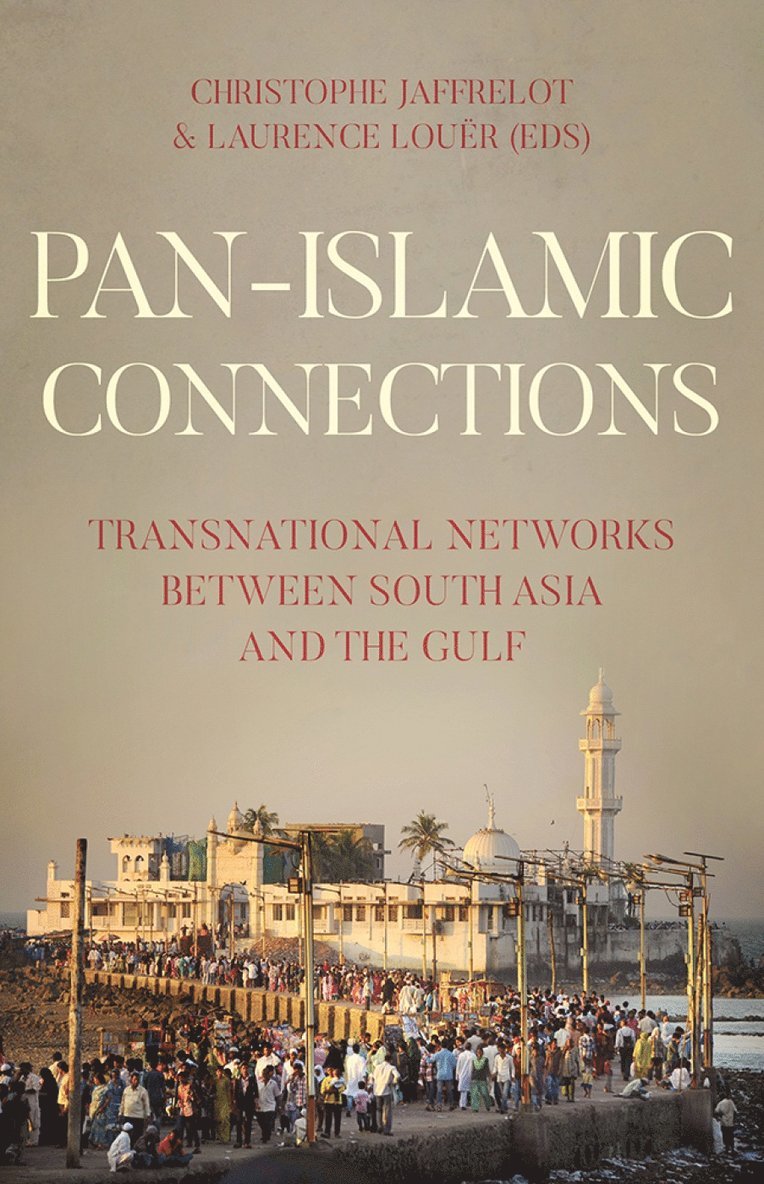
South Asia is today the region inhabited by the largest number of Muslims--roughly 500 million. In the course of the Islamisation process begun in the eighth century, it developed a distinct Indo-Islamic civilisation that culminated in the Mughal Empire. While paying lip service to the power centres of Islam in the Gulf, including Mecca and Medina, this civilisation has cultivated its own variety of Islam, based on Sufism. Over the last fifty years, pan-Islamic ties have intensified between these two regions. Gathering together some of the best specialists on the subject, this volume explores these ideological, educational and spiritual networks, which have gained momentum due to political strategies, migration flows and increased communications. At stake are both the resilience of the civilisation that imbued South Asia with a specific identity, and the relations between Sunnis and Shias in a region where Saudi Arabia and Iran are fighting a cultural proxy war, as evident in the foreign ramifications of sectarianism in Pakistan. Islamic Connections investigates the nature and implications of the cultural, spiritual and socio-economic rapprochement between these two Islams.
461 kr
Skickas inom 7-10 vardagar
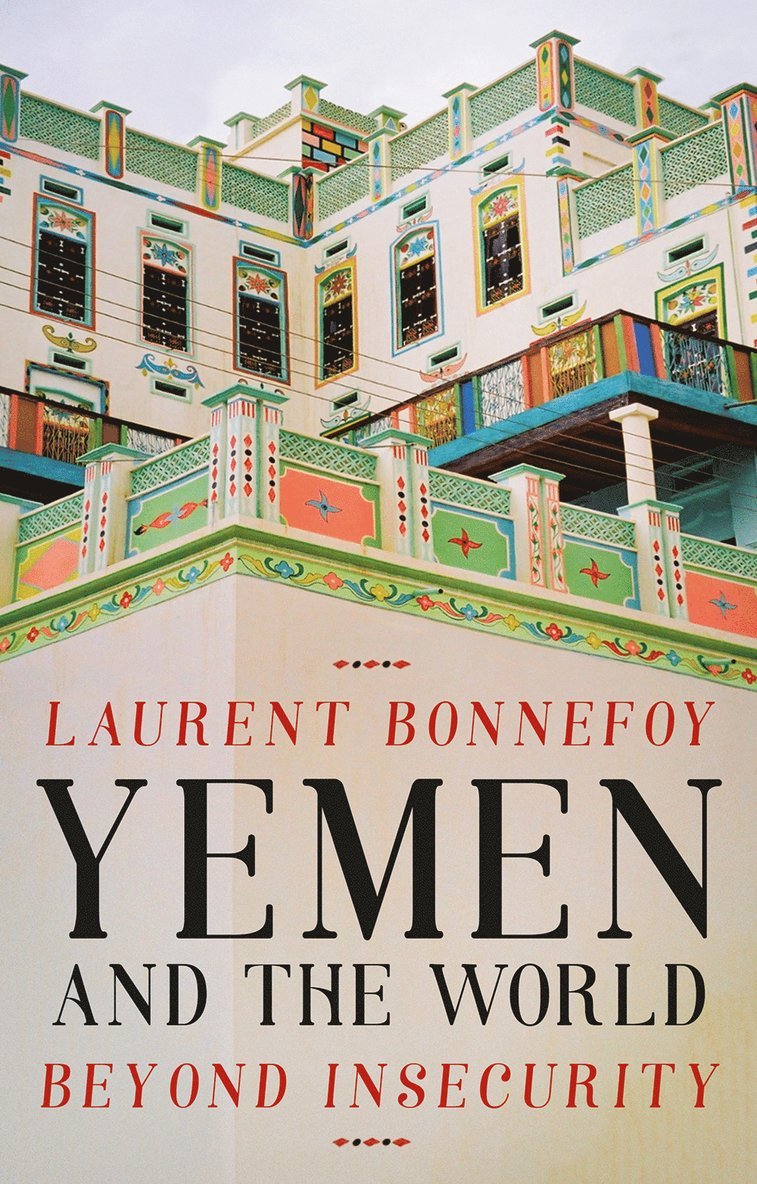
Contemporary Yemen has an image problem. It has long fascinated travellers and artists, and to many embodies both Arab and Muslim authenticity; it stands at important geostrategic and commercial crossroads. Yet, strangely, global perceptions of Yemen are of an entity that is somehow both marginal and passive, yet also dangerous and problematic. The Saudi offensive launched in 2015 has made Yemen a victim of regional power struggles, while the global ‘war on terror’ has labelled it a threat to international security. This perception has had disastrous effects without generating real interest in the country or its people. On the contrary, Yemen’s complex political dynamics have been largely ignored by international observers—resulting in problematic, if not counterproductive, international policies. Yemen and the World offers a corrective to these misconceptions and omissions, putting aside the nature of the world’s interest in Yemen to focus on Yemen’s role on the global stage. Laurent Bonnefoy uses six areas of modern international exchange—globalisation, diplomacy, trade, migration, culture and militant Islamism—to restore Yemen to its place at the heart of contemporary affairs. To understand Yemen, he argues, is to understand the Middle East as a whole.
573 kr
Skickas inom 7-10 vardagar
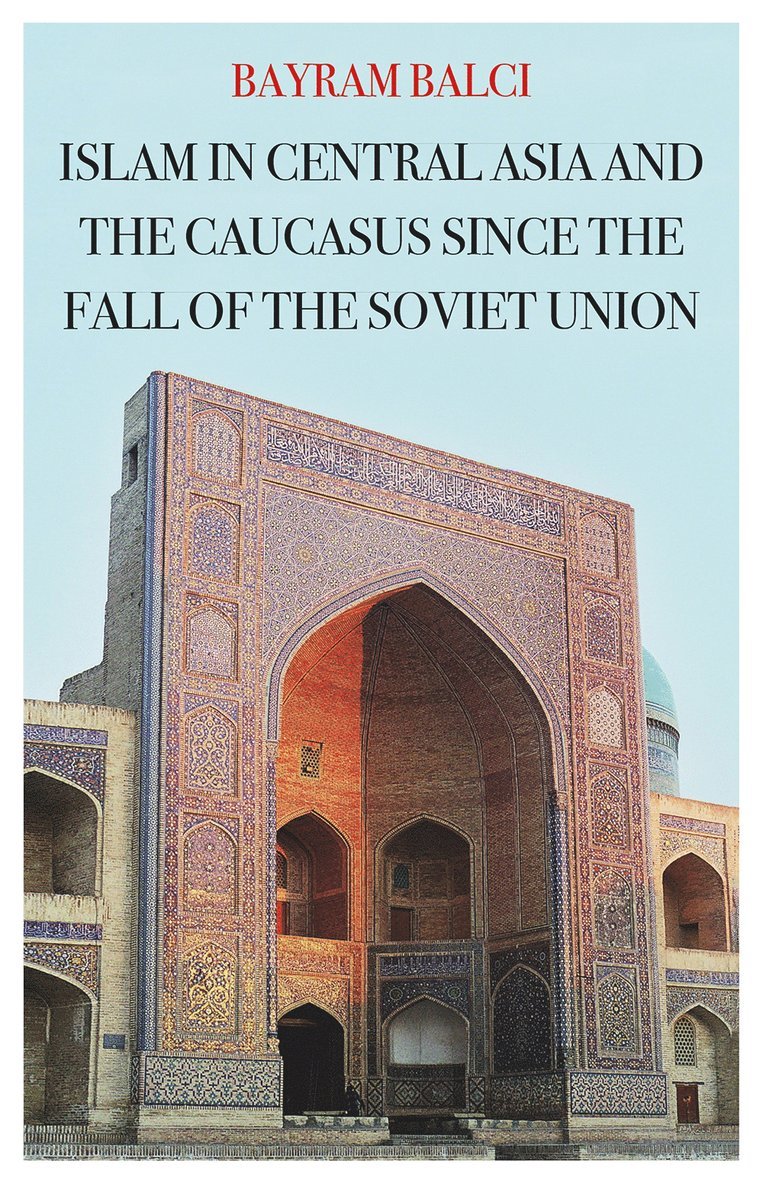
With the end of the Soviet Union in 1991, a major turning point in all former Soviet republics, Central Asian and Caucasian countries began to reflect on their history and identities. As a consequence of their opening up to the global exchange of ideas, various strains of Islam and trends in Islamic thought have nourished the Islamic revival that had already started in the context of glasnost and perestroika -- from Turkey, Iran, the Arabian Peninsula, and from the Indian subcontinent; the four regions with strong ties to Central Asian and Caucasian Islam in the years before Soviet occupation.Bayram Balci seeks to analyse how these new Islamic influences have reached local societies and how they have interacted with pre-existing religious belief and practice. Combining exceptional erudition with rare first-hand research, Balci’s book provides a sophisticated account of both the internal dynamics and external influences in the evolution of Islam in the region.