Critical Studies in Latin American and Iberian Culture – serie
Visar alla böcker i serien Critical Studies in Latin American and Iberian Culture. Handla med fri frakt och snabb leverans.
5 produkter
5 produkter
361 kr
Skickas inom 3-6 vardagar
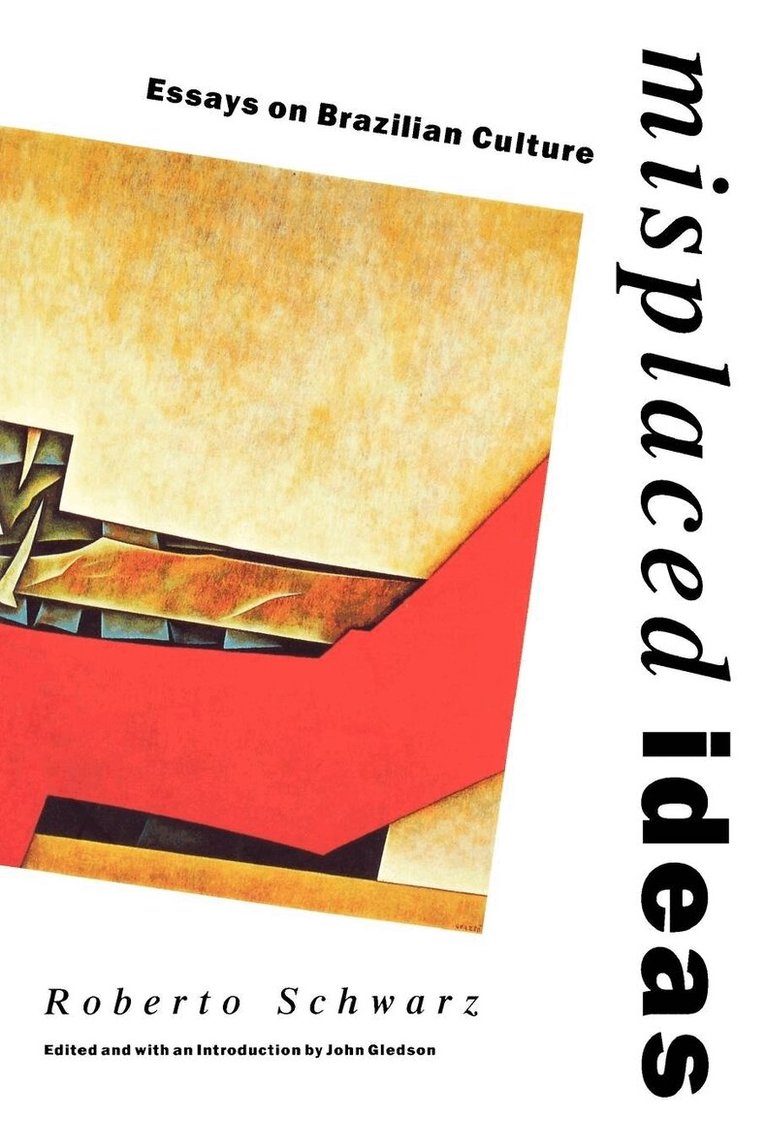
How can Latin Americans understand their past? Do ideologies which have been imported from Europe necessarily distort their view, or is that to underrate the power and objectivity of the ideas themselves? These questions are at the heart of this selection of essays, spanning twenty years of critical work on history, culture and identity, by one of the foremost Latin American intellectuals of our time. Roberto Schwarz's writings have had a profound effect throughout Latin America. This is the first volume of those writings to appear in English.Taking its title from what has probably been Schwarz's most influential essay, Misplaced Ideas first examines the slave-owning Brazil of the nineteenth century, to show the persistent gap between liberal ideology based on the free market, and the reality of forced labour. The essays which follow range across the nineteenth and twentieth centuries, and across film and fiction, theatre and music. They include four pieces on the great novelist Machado de Assis, and a powerful essay on the sometimes bizarre ways Brazilian culture reacted to the imposition of military rule. Throughout, Schwarz continually demonstrates the wit and sharpness which make his writings both a challenge and a pleasure to read.
469 kr
Skickas inom 3-6 vardagar
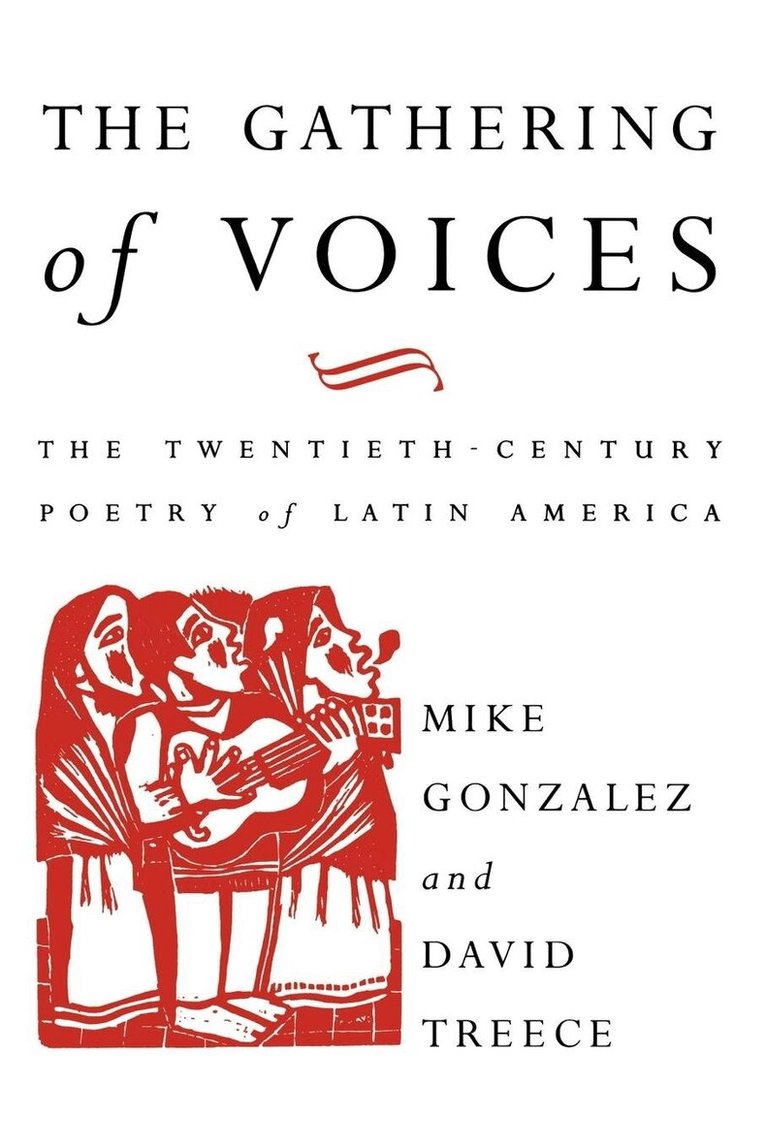
During the last hundred years, the private and public voices of Latin American poetry have offered a wealth of imaginative responses to the region's social and political experiences. In the face of capitalist modernization, dictatorship and imperialist domination, poets have fought back. The Gathering of Voices argues that the best of Latin American poetry has set out to rediscover its roots in local experience and to enter a dialogue with the "ordinary" discourses of popular culture and tradition. The implication is that an alternative response to oppression is possible, one inspired by the shared global experiences of alienation, exclusion and exploitation. The possibility of a universal emancipation is evoked in the transformation of language. Each chapter of the volume explores a crucial moment in this dialogue of voices, focusing on key texts, including works by Cardenal, Neruda, Vallejo and the Andrades. With extensive studies of the previously neglected tradition of Brazilian verse, the book provides a guide to the history of poetic debate and practice in 20th-century Latin America. The book includes complete poems of the artists discussed and should appeal to a general readership interested in Latin American culture. It is also a useful text for courses in literature and poetry.
314 kr
Skickas inom 3-6 vardagar
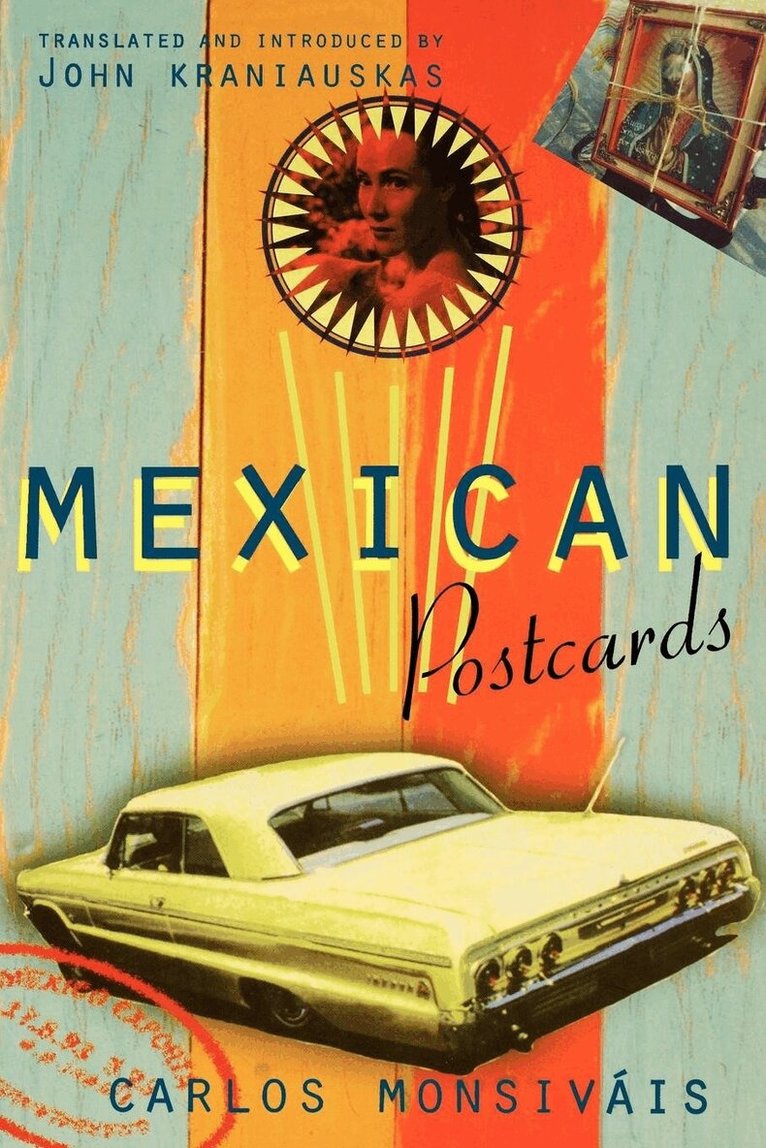
Carlos Monsiváis is one of Latin America's most prescient and prolific social commentators. In this, the first English translation of his work, he presents an extraordinary chronicle of contemporary life south of the Rio Grande, which ranges over pop music, Latino hip hop, film stars such as Cantinflas and Dolores del Rio, the writer Juan Rulfo, life on the border with the United States, boleros and melodrama.Monsiváis's chronicles are theoretically informed but are crammed with people rather than abstractions. They make points of deadly seriousness in a voice which is laconic, satirical and humorous, and which is often written in the register of his subjects. Monsiváis draws on a deep understanding of Mexico's cultural histories-popular, mass and high-and notes the fascinating ways in which they interact to transform each other. The conflicts between Mexican and North American culture and between modern and traditional ways of life are constant themes of his investigations.A dazzling mixture of reportage, narrative and biting social criticism, Mexican Postcards is certain to establish Monsiváis's rightful place in the pantheon of Latin America's greatest writers.
275 kr
Skickas inom 3-6 vardagar
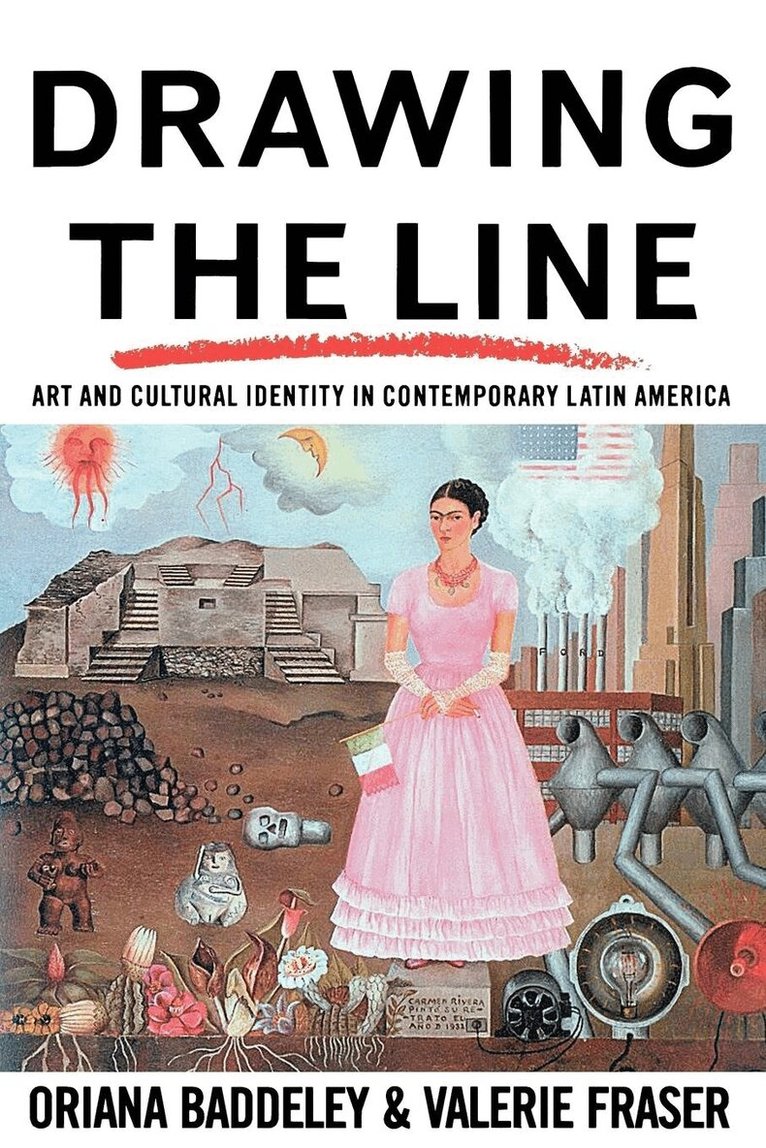
Recent international interest in the painters of the Mexican mural movement, such as Rivera and Orozco, has brought Latin American art to a wider audience than ever before but has often failed to confront its continuing marginalization within art criticism.Drawing the Line is an exploration of the areas occupied by Latin American art and culture between the ongoing traditions of its indigenous inhabitants, its colonial heritage and its contemporary relationship to the cultural politics of North America and Europe. It looks at the way cultural identity has been constructed by artists from the 1940s to the present day and challenges the way art criticism has hitherto dealt with Latin American art.Established stereotypes of Latin American culture are discussed in terms of their relevance to contemporary artists. The book looks at the frequent subversion of dominant images and conventions of European art-such as the political significance of landscape painted as an attempt to define a specifically Latin American reality, or the constant reworking of familiar icons of European art-and explores the importance of Latin America to the European surrealist movement. The authors examine the significance of popular art-such as the Chilean arpilleras which commemorate the "disappeared" of Pinochet's regime-and relate it to the traditional "high art/low art" dichotomy.Including new perspectives on race and gender, Drawing the Line is the most comprehensive account of contemporary Latin American art ever to appear in English.
361 kr
Skickas inom 3-6 vardagar
Jorge Luis Borges is generally acknowledged to be one of the twentieth century's most significant writers. Yet in all the critical debates on his work, the fact that he is Argentinian is rarely discussed, as if his international reputation had somehow cleansed him of nationality. In this brilliant introduction to his work, Sarlo challenges these "universalist" readings, arguing that they leave aside vital aspects of Borges' writing, including his powerful vision of Argentina's past and its traditions, which placed both the writer and his country at the intersection of European and Latin American culture.