Valerie Fraser - Böcker
Visar alla böcker från författaren Valerie Fraser. Handla med fri frakt och snabb leverans.
3 produkter
3 produkter
441 kr
Skickas inom 7-10 vardagar
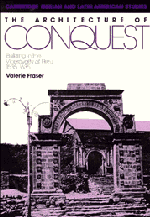
The Architecture of Conquest deals with the practice and ideology of colonial architecture in Latin America, referring particularly to the Viceroyalty of Peru during the period 1535-1635. Colonial building has generally been regarded as being merely a provincial reflection of mainstream European art. Valerie Fraser argues that, on the contrary, it had its own distinct identity and architectural projects were a powerful tool in the subjugation of the native peoples of South America by the Spaniards. Although the majority of labourers and craftsmen responsible for the churches, towns and cities of the Spaniards were natives, very little evidence of their own traditions of craftsmanship can be found in this colonial architecture. Thus, while the architecture forms employed by the early conquistadores are clearly derived from the European tradition, their purpose and meaning are completely different, being defined by the colonial context. The deliberate display of architectural motifs, the organisation of building practice and labour are all shown to have served the ends of the political, religious and economic conquest.
275 kr
Skickas inom 3-6 vardagar
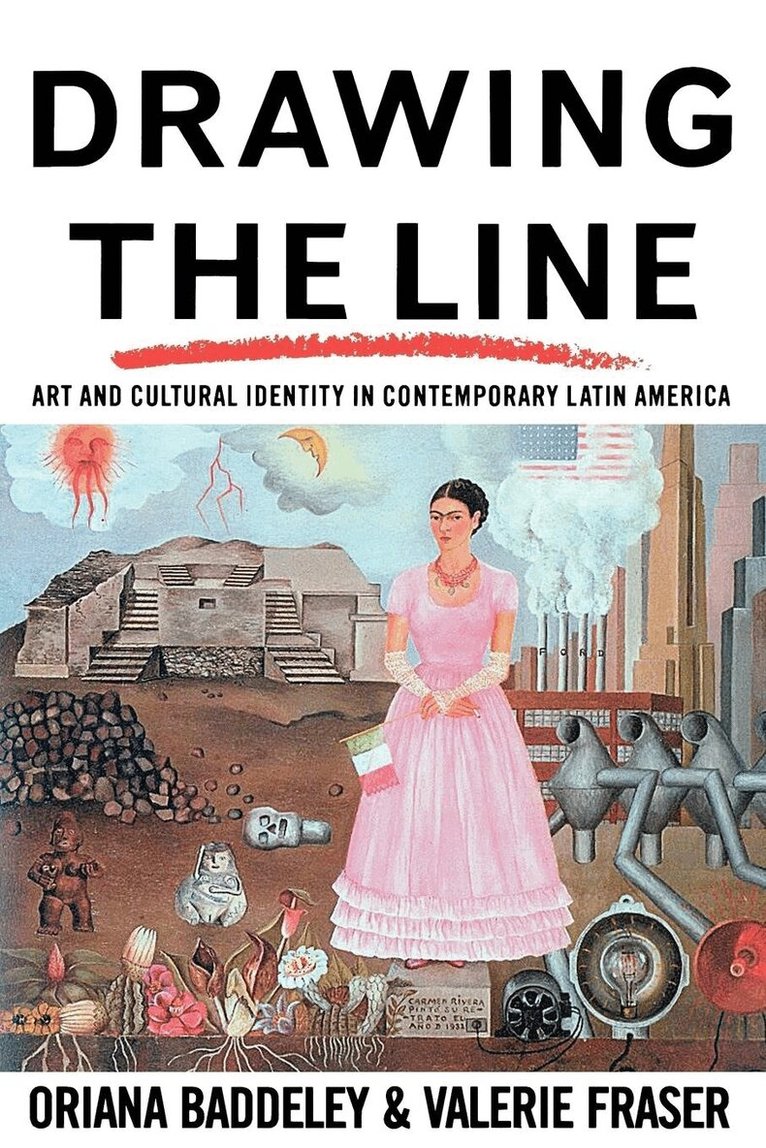
Recent international interest in the painters of the Mexican mural movement, such as Rivera and Orozco, has brought Latin American art to a wider audience than ever before but has often failed to confront its continuing marginalization within art criticism.Drawing the Line is an exploration of the areas occupied by Latin American art and culture between the ongoing traditions of its indigenous inhabitants, its colonial heritage and its contemporary relationship to the cultural politics of North America and Europe. It looks at the way cultural identity has been constructed by artists from the 1940s to the present day and challenges the way art criticism has hitherto dealt with Latin American art.Established stereotypes of Latin American culture are discussed in terms of their relevance to contemporary artists. The book looks at the frequent subversion of dominant images and conventions of European art-such as the political significance of landscape painted as an attempt to define a specifically Latin American reality, or the constant reworking of familiar icons of European art-and explores the importance of Latin America to the European surrealist movement. The authors examine the significance of popular art-such as the Chilean arpilleras which commemorate the "disappeared" of Pinochet's regime-and relate it to the traditional "high art/low art" dichotomy.Including new perspectives on race and gender, Drawing the Line is the most comprehensive account of contemporary Latin American art ever to appear in English.
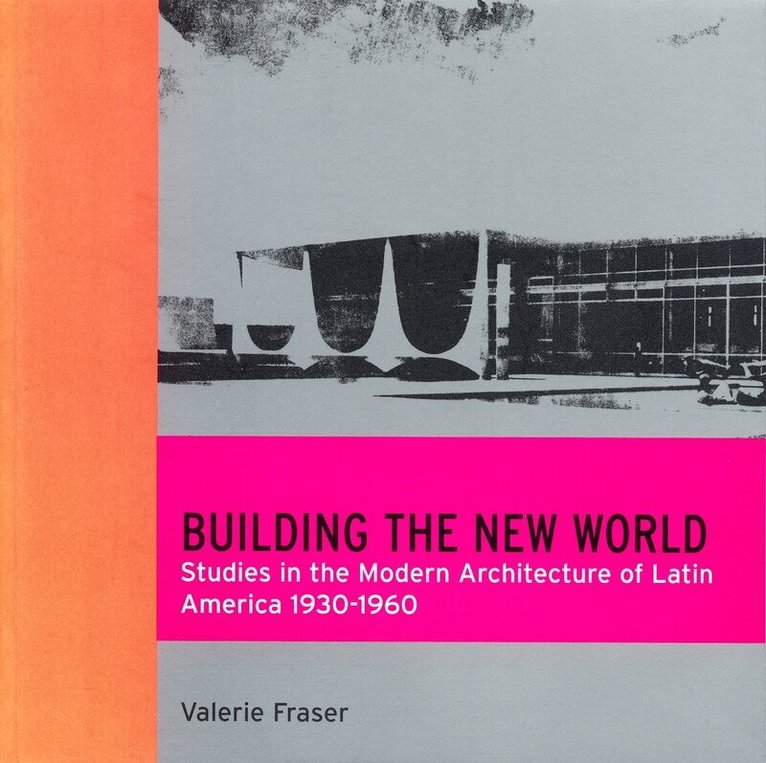
Building the New World
Studies in the Modern Architecture of Latin America 1930-1960
Häftad, Engelska, 2001
354 kr
Skickas
The period between 1930 and 1960 in particular saw a dramatic upsurge in Latin American modern architecture as the various governments strove to make public their modernising intentions. After 1960, however, the year in which Brasilia was inaugurated, economic growth in the region slowed and the modernist project faltered. The English-speaking world, which had previously admired Latin American buildings, began to write them out of the history of twentieth-century architecture. Building the New World attempts to redress the balance. It surveys the most important examples of state-funded modernism in Latin America during a period of almost unimaginable optimism, when politicians and architects such as Pani, Costa, Reidy and Niemeyer sought ways, literally, to build their societies out of underdevelopment.