Culinary Canvas: a Series on Integrating the Arts and Food Into Higher Education – serie
Visar alla böcker i serien Culinary Canvas: a Series on Integrating the Arts and Food Into Higher Education. Handla med fri frakt och snabb leverans.
3 produkter
3 produkter
455 kr
Skickas inom 7-10 vardagar
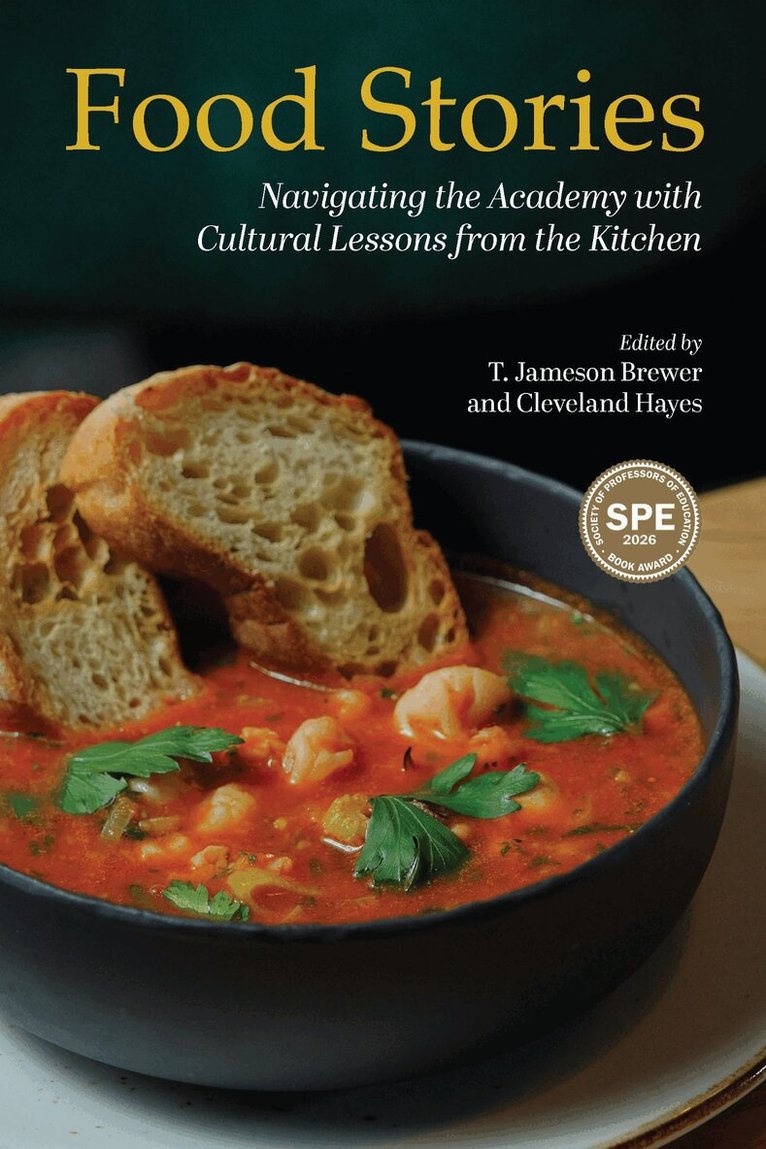
Food Stories: Navigating the Academy with Cultural Lessons from the Kitchen is the first volume in the series Culinary Canvas: A Series on Integrating the Arts and Food into Higher Education. The purpose of the series is to explore the innovative integration of arts and food into higher education. Each volume aims to inspire a paradigm shift in academia, advocating for a more holistic, creative, and inclusive approach to learning, teaching, researching, serving, and existing in the academy. In the present volume, Food Stories makes the case that food, and the culture surrounding food, is a closely held--and powerful--reality that shapes who we are as individuals, as members of varied communities, and invariably, informs who we are as educators and researchers. This book gives space for the authors to explore not only the impact that food and culture have had, and continue to have, on them as individuals, how that culture and experiences impact them as members of the academy (in teaching, research, and service), but also in providing some guidance to graduate students and junior faculty. In effect, chapters explore navigating academic work (teaching, research, and service) through the lens of food and the transferable lessons that can be gleaned from our grandmothers', mothers', fathers', and our own kitchens. It is often the case that higher education fosters both imposter syndrome and a workaholic disposition that can be detrimental to teaching and research. What this book does, then, is to not only explore the ways in which what may seem as non-academic work such as cooking a meal can have on our work/life balance but, also, how to incorporate the very lessons of food into who we are as educators, how we teach, and how we can approach the work we do more broadly. Through carefully curated chapters, this text presents a wide array of perspectives across food and cultural regions, as well as imparting insights from the academy from authors spanning the spectrum of the career. It is an important book full of valuable lessons for graduate students, faculty and teachers who wish to use its content in their classrooms. Perfect for courses such as: Cultural Studies; Culturally-Responsive Pedagogy
501 kr
Kommande
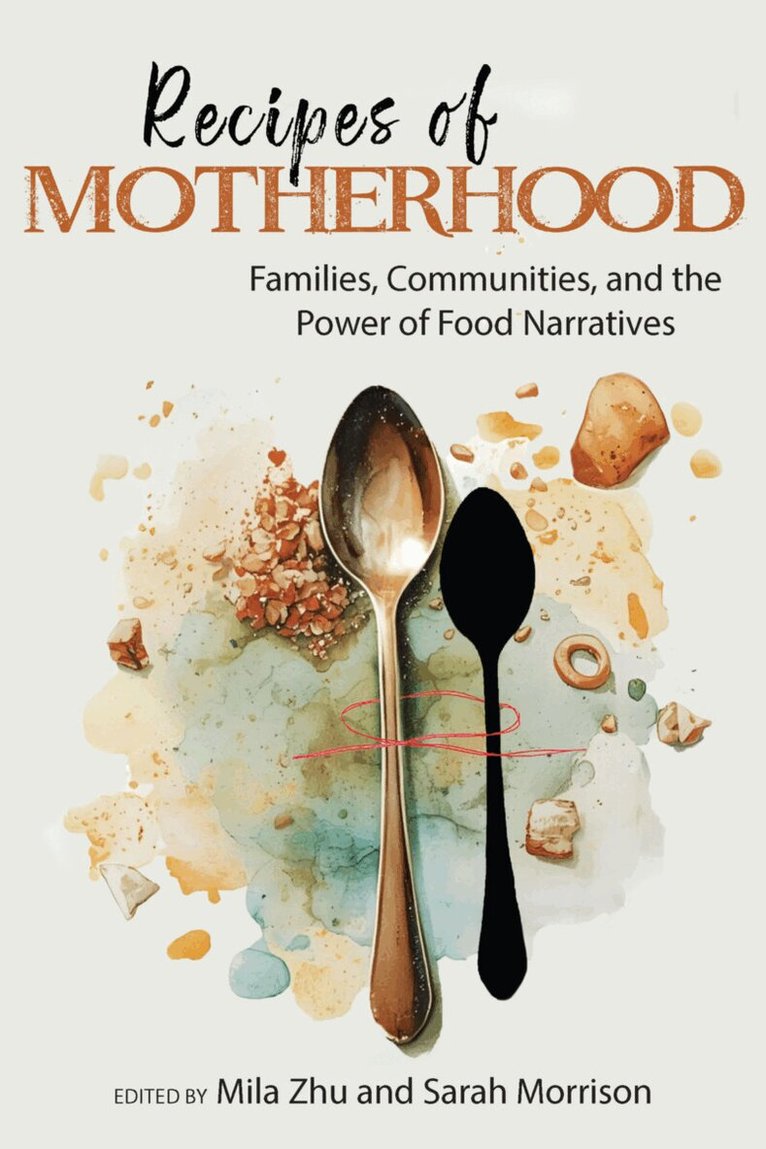
Recipes of Motherhood: Families, Communities, and the Power of Food Narratives delves into the powerful connections between food, culture, and motherhood within the demanding context of higher education. This thought-provoking volume, edited by Mila Zhu and Sarah Morrison, brings together diverse voices of academic mothers who share how food practices shape, sustain, and empower their lives as they navigate the complex terrain of career, family, and cultural identity. Drawing from personal narratives, case studies, and interdisciplinary research, Recipes of Motherhood illuminates the ways in which food serves as more than sustenance; it becomes a source of resilience, a tool for community-building, and a means of preserving cultural heritage. The academic mothers in this volume reveal how food acts as a metaphor and medium for navigating life's challenges, allowing them to bridge their personal and professional identities. From adapting family recipes to sharing meals that create community, each story uncovers the unique strategies academic mothers use to sustain themselves and those around them in an environment that can often feel isolating. Grounded in feminist theory, food studies, and cultural memory, this book highlights how food stories are deeply intertwined with questions of gender, tradition, and self-identity. Chapters explore themes such as the symbolic role of food in cultural heritage, food as a form of resistance to institutional expectations, and culinary traditions as a way to build solidarity among women in academia. Through these narratives, Recipes of Motherhood provides a nuanced understanding of how food can act as both a grounding force and a form of empowerment in academic mothers' lives. With its interdisciplinary approach, the book appeals not only to scholars in cultural studies, food studies, and gender studies but also to students, educators, and anyone interested in the transformative power of food. Readers will find in these pages a rich tapestry of stories that inspire, educate, and challenge traditional ideas about motherhood and academia. Perfect for academic courses and personal reading alike, the volume offers insight into how food serves as a vital element in the journey of academic mothers, helping them navigate the intersections of personal identity, professional resilience, and cultural expression. This volume invites readers to savor the complexities of academic motherhood through the lens of food and to consider how everyday acts of cooking and sharing meals can hold deep significance in our lives and our communities. Whether you are a mother, an educator, or simply someone interested in the stories that food can tell, Recipes of Motherhood is a captivating exploration of how culinary practices shape our relationships, our work, and our sense of self. Join us in celebrating the resilience, creativity, and heritage of academic mothers whose food stories nourish not only their families but also the broader academic community. Perfect for courses such as: Gender Studies / Women's Studies – Motherhood and Identity; Food Studies – Cultural Narratives in Food Practices; Education Studies – Women in Academia: Challenges and Resilience; Sociology – Family and Society: Gender Roles and Cultural Heritage; Anthropology – Food, Culture, and Identity; Cultural Studies – Folklore, Tradition, and Modern Identities; Parenting and Family Studies – Motherhood and Work-Life Balance; Interdisciplinary Studies – Food as Narrative and Social Practice; Feminist Theory – Intersectionality of Motherhood, Career, and Culture; Psychology of Women – Resilience and Identity in Motherhood
Tasting Education
Viewing Curriculum, Pedagogy, Learning, and Educational Research Through the Sense of Taste
Häftad, Engelska, 2026
487 kr
Skickas inom 11-20 vardagar
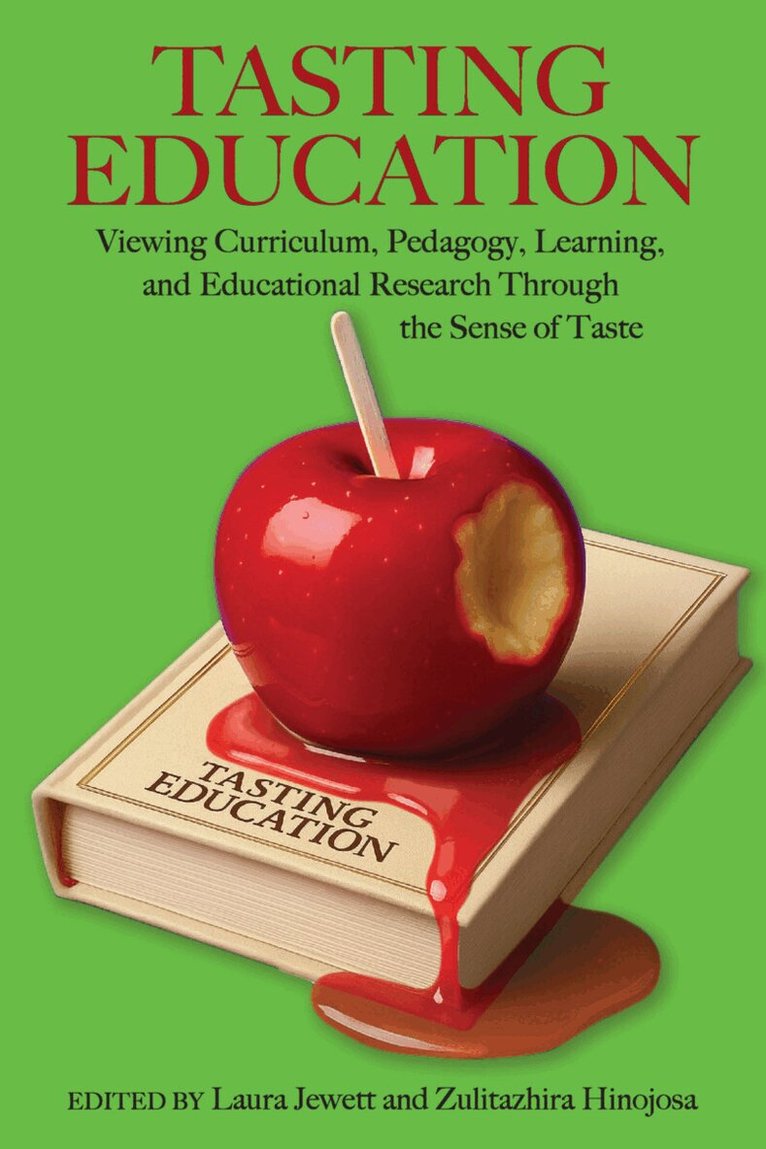
Why is the sense of taste so conspicuously absent from contemporary educational research and so severely rationed in the ways it is lived in universities and schools? After all, in the world, taste is a perceptual and epistemological powerhouse in the complicated process of staying alive as well as living a life. Taste is also a process of world making. It's a way of reading, naming, mapping, imagining, remembering, and making worlds and connecting to the worlds of others—therefore it is curricular. In attending to how taste matters and matters of taste, chapters in Tasting Education: Viewing Curriculum, Pedagogy, Learning, and Educational Research Through the Sense of Taste invite participants to think about taste as a sense, and/or the sense of taste, as it plays out in the thinking and doing of education and its inquiry. This book takes up taste as an embodied set of meanings that are sensuous, pragmatic, and political: as a key part of the sensorium, and as engagement with the sensuosity of the olfactory, the nose, the mouth, the tongue as a way of making meaning of food, but also ways for making meaning from the food for thought and action that theory can provide. It also asks us to take into account the culture of food as it relates to education; whose palates are catered to and whose remain marginalized, deliberately destroyed, or are left-unfed? Taste, then, also becomes a way of resisting, challenging, and reimagining such modes as they play themselves out in curriculum and pedagogy and reveal collective commitments that include shared pleasure alongside political and social action (Siniscalchi, 2018). This book offers a space for deeper conversations around taste in curriculum and elsewhere, and how taste is being used to dismantle oppression in these spaces. The slow-food movement argues that "taste and pleasure" must return to the table (Siniscalchi, 2018). Tasting Education invites the mixed pleasures and problematics of taste to the table of educational research as well. Tasting Education will appeal to faculty and students in graduate-level courses related to curriculum, instruction, social foundations and leadership studies, as well as those involved with food studies courses.