Community, Culture and Change – serie
Visar alla böcker i serien Community, Culture and Change. Handla med fri frakt och snabb leverans.
27 produkter
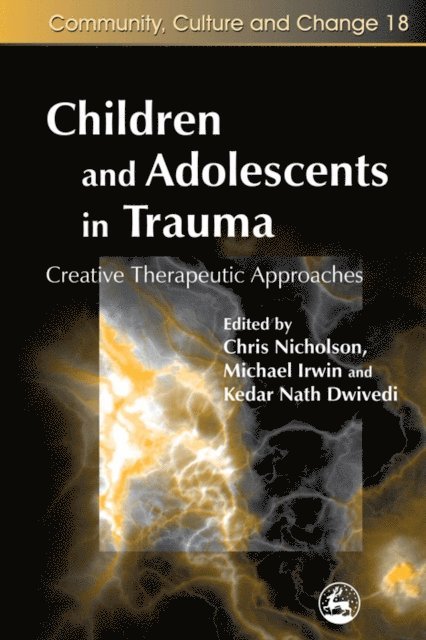
Children and Adolescents in Trauma
Creative Therapeutic Approaches
Av Kedar Nath Dwivedi, Chris Nicholson m. fl.
E-bok, 2010
509 kr
Lägg i varukorg
Children and Adolescents in Trauma presents a variety of creative approaches to working with young people in residential children's homes, secure or psychiatric units, and special schools. The contributors describe a wide range of approaches, including art therapy and literature, and how creative …
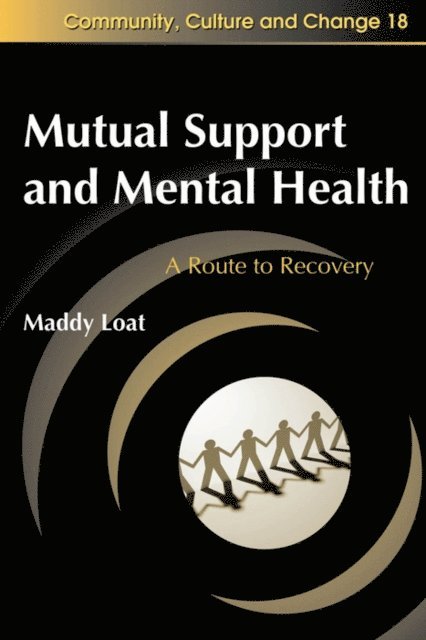
Mutual Support and Mental Health
A Route to Recovery
Av Maddy Loat
E-bok, 2011
420 kr
Lägg i varukorg
Mental health services tend to view and treat mental health problems in an individual-centric way. This book argues for an alternative route to recovery that is cognizant of our social nature, needs and difficulties. Focusing on the therapeutic value of meeting others with similar experiences, it …
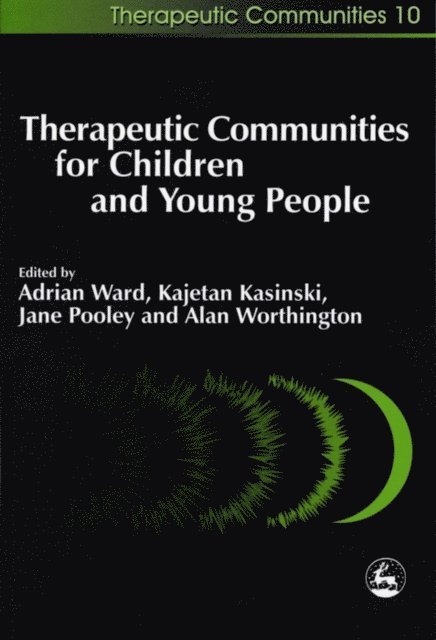
Therapeutic Communities for Children and Young People
Av Adrian Ed Ward, Kajetan Kasinski m. fl.
Häftad, 2003
666 kr
Lägg i varukorg
Tackling the difficult issues facing those who work with traumatized and sometimes dangerous young people and their families, this new volume shows how professionals can bring about positive change and growth through the creation of "holding" and healing therapeutic environments. This collection of …
Setting Up New Services in the NHS
‘Just Add Water!'
Häftad, 2006
594 kr
Lägg i varukorg
This guide for setting up a clinical service in the National Health Service is based on the author's experience of leading a nationally funded project to develop two new specialist services in different parts of the country and involving three separate NHS Trusts.The project successfully delivered …
Therapeutic Approaches in Work with Traumatised Children and Young People
Theory and Practice
Häftad, 2004
546 kr
Lägg i varukorg
This book gives extensive coverage to work by staff at the Cotswold Community, a therapeutic community of working with the psychodynamic principle, from 1994 to 2000.It Covers every aspect of the therapeutic way of working in great detail and gives good examples of practice and theory. It also lays …
Children and Adolescents in Trauma
Creative Therapeutic Approaches
Av Kedar Nath Dwivedi, Chris Nicholson m. fl.
Häftad, 2010
559 kr
Lägg i varukorg
Children and Adolescents in Trauma presents a variety of creative approaches to working with young people in residential children's homes, secure or psychiatric units, and special schools. The contributors describe a wide range of approaches, including art therapy and literature, and how creative …
Mutual Support and Mental Health
A Route to Recovery
Av Maddy Loat
Häftad, 2011
380 kr
Lägg i varukorg
Mental health services tend to view and treat mental health problems in an individual-centric way. This book argues for an alternative route to recovery that is cognizant of our social nature, needs and difficulties. Focusing on the therapeutic value of meeting others with similar experiences, it …
Dangerous and Severe - Process, Programme and Person
Grendon's Work
Av Mark Morris
E-bok, 2004
414 kr
Lägg i varukorg
HMP Grendon hosts the UK's only prison-based therapeutic community, inhabited by around 200 residents, almost all convicted of crimes against the person, and about half of whom have killed. This is an inside account of the work, and the theory behind the work, carried out at a prison which not only …
Therapeutic Approaches in Work with Traumatised Children and Young People
Theory and Practice
E-bok, 2004
457 kr
Lägg i varukorg
'This book gives extensive coverage to work by staff at the Cotswold Community, a therapeutic community of working with the psychodynamic principle, from 1994 to 2000.It Covers every aspect of the therapeutic way of working in great detail and gives good examples of practice and theory. It also …
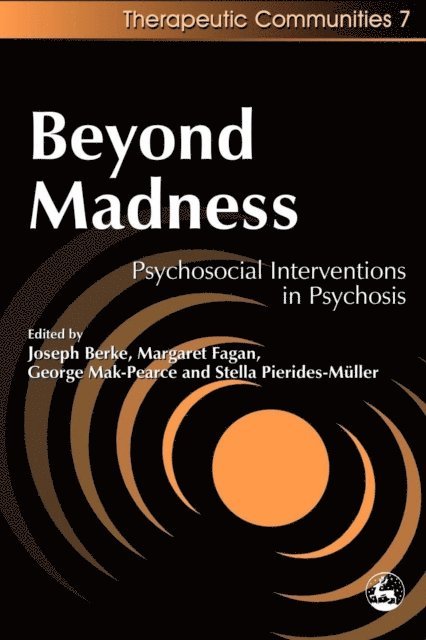
Beyond Madness
Psychosocial Interventions in Psychosis
Av Stella Pierides-Muller, Margaret Fagan m. fl.
E-bok, 2001
840 kr
Lägg i varukorg
'This is the seventh volume in the therapeutic communities series and a highly informative and reassuring read for anyone interested in psychodynamic applications, or working with individuals with a mental illness.'- Therapeutic Communities Journal'Having no first hand experience of working with …
Life Well Lived
Maxwell Jones - A Memoir
E-bok, 2002
408 kr
Lägg i varukorg
Beginning with their first meeting in 1956 and ending with Maxwell Jones' death in 1990, A Life Well Lived follows the growth of a friendship between two key figures in social psychiatry and tracks the evolution of therapeutic communities from their experimental beginnings to the established …
Therapeutic Communities for Children and Young People
Av Kajetan Kasinski, Jane Pooley m. fl.
E-bok, 2003
586 kr
Lägg i varukorg
Tackling the difficult issues facing those who work with traumatized and sometimes dangerous young people and their families, this new volume shows how professionals can bring about positive change and growth through the creation of "holding" and healing therapeutic environments. This collection of …
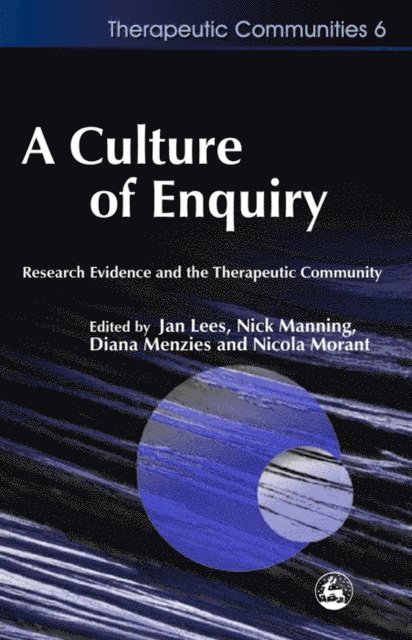
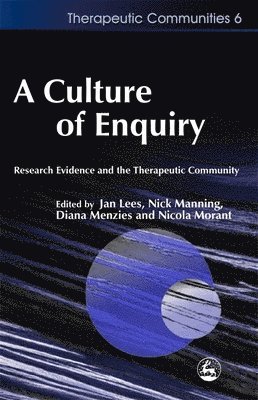
Culture of Enquiry
Research Evidence and the Therapeutic Community
Av Nick Manning, Diana Menzies m. fl.
E-bok, 2003
488 kr
Lägg i varukorg
Research is an increasing priority for workers throughout the mental health sector, and therapeutic communities are no exception. Those working in TCs increasingly have to justify the success and efficiency of their methods to outside bodies, and the prime means of doing so is through research. …
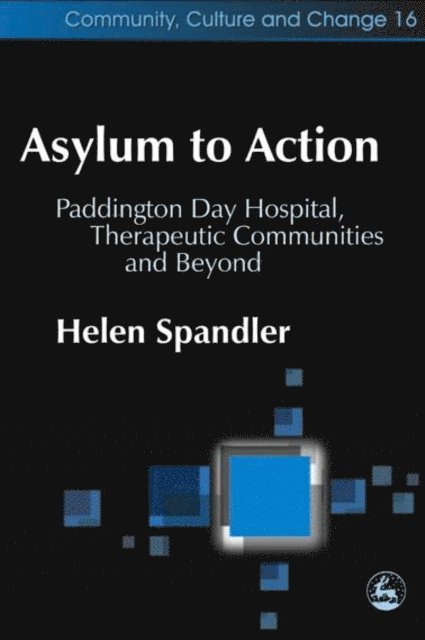
Asylum to Action
Paddington Day Hospital, Therapeutic Communities and Beyond
E-bok, 2006
486 kr
Lägg i varukorg
Asylum to Action offers an alternative history of a libertarian therapeutic community at Paddington Day Hospital in West London in the 1970s. Helen Spandler recaptures the radical aspirations, as well as the conflicts, of the early therapeutic community movement, radical psychiatry and the …
Setting Up New Services in the NHS
`Just Add Water!'
E-bok, 2006
502 kr
Lägg i varukorg
This guide for setting up a clinical service in the National Health Service is based on the author's experience of leading a nationally funded project to develop two new specialist services in different parts of the country and involving three separate NHS Trusts.The project successfully delivered …
Dynamic Security
The Democratic Therapeutic Community in Prison
E-bok, 2006
459 kr
Lägg i varukorg
'This book is well thought out and thorough examination of the challenges and opportunities of dynamic security. I would recommend this book to those who work with prisoners in the hope that some of the obvious good practice can be shared more widely and not simply retained in therapeutic-style …
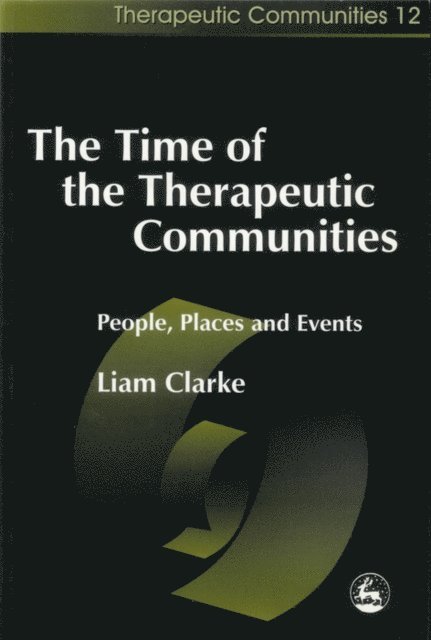
Time of the Therapeutic Communities
People, Places and Events
Av Liam Clarke
E-bok, 2003
502 kr
Lägg i varukorg
From the 1950s onwards different movements, ideas and key figures have contributed to the initiative which is now recognized as Therapeutic Communities (TCs). This book follows these post-war changes (such as "libertarianism" and the "open door movement") through to the present day and discusses …
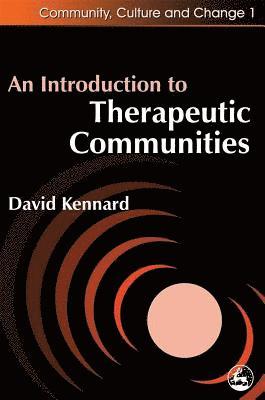
Introduction to Therapeutic Communities
Häftad, 1998
671 kr
Lägg i varukorg
Therapeutic communities provide, in addition to safe accommodation and twenty-four hour care, a highly structured environment with set rules and timetables. Within this environment they establish a set of relationships and meetings that provides a safe emotional container for distress. Members play …
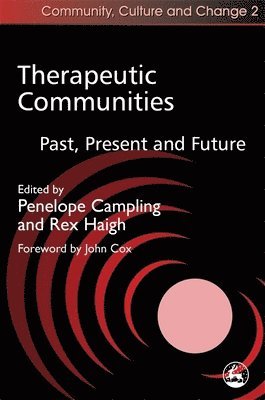
Therapeutic Communities
Past, Present and Future
Av Penelope Campling, Rex Haigh
Häftad, 1999
671 kr
Lägg i varukorg
Examining the tradition of therapeutic communities, their principles and their context, Therapeutic Communities: Past, Present and Future is a wide-ranging introduction to both theory and practice. Including contributions by some of the most eminent figures working in therapeutic communities, the …
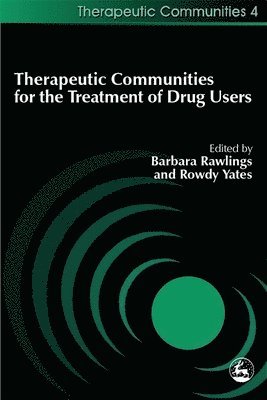
Therapeutic Communities for the Treatment of Drug Users
Av Rody Yates, Barbara Rawlings m. fl.
Häftad, 2001
599 kr
Lägg i varukorg
Concept-based therapeutic communities emerged out of the informal group meetings of Charles Dederich and a number of former Alcoholics Anonymous members in California in the late 1950s. The model was exported worldwide and has not only become the most widely used approach to residential treatment …
Bion, Rickman, Foulkes and the Northfield Experiments
Advancing on a Different Front
Av Tom Harrison
Häftad, 2000
905 kr
Lägg i varukorg
Northfield was referred to in tones of awe when one joined Group Relations work of the Tavistock Institute in the mid sixties, but there was never any detailed discussion, no flesh to the bones of the story. It was a mystery. Now, Tom Harrison has written of the myth and given it a substance that …
Beyond Madness
Psychosocial Interventions in Psychosis
Av Stella Pierides-Muller, Margaret Fagan m. fl.
Häftad, 2001
905 kr
Lägg i varukorg
A major question facing therapists today is how to treat psychosis effectively while maintaining patients' dignity, self-respect and, as far as possible, their psychological and social functioning. The authors of Beyond Madness have all been associated with the Arbours Crisis Centre in London, a …
Thinking About Institutions
Milieux and Madness
Häftad, 2001
644 kr
Lägg i varukorg
This book not only documents how a therapeutic community functions, it also contributes to understanding how people can be influenced by their social setting and how individuals can form coherent social organizations together.'- Administration & Policy in Mental Health'Hinshelwood is a leading …
Dangerous and Severe - Process, Programme and Person
Grendon's Work
Av Mark Morris
Häftad, 2004
304 kr
Tillfälligt slut
HMP Grendon hosts the UK's only prison-based therapeutic community, inhabited by around 200 residents, almost all convicted of crimes against the person, and about half of whom have killed. This is an inside account of the work, and the theory behind the work, carried out at a prison which not only …
Asylum to Action
Paddington Day Hospital, Therapeutic Communities and Beyond
Häftad, 2006
339 kr
Tillfälligt slut
Asylum to Action offers an alternative history of a libertarian therapeutic community at Paddington Day Hospital in West London in the 1970s. Helen Spandler recaptures the radical aspirations, as well as the conflicts, of the early therapeutic community movement, radical psychiatry and the …
Life Well Lived
Maxwell Jones - A Memoir
Häftad, 2002
269 kr
Tillfälligt slut
Beginning with their first meeting in 1956 and ending with Maxwell Jones' death in 1990, A Life Well Lived follows the growth of a friendship between two key figures in social psychiatry and tracks the evolution of therapeutic communities from their experimental beginnings to the established …
Culture of Enquiry
Research Evidence and the Therapeutic Community
Av Nick Manning, Diana Menzies m. fl.
Häftad, 2003
374 kr
Tillfälligt slut
Research is an increasing priority for workers throughout the mental health sector, and therapeutic communities are no exception. Those working in TCs increasingly have to justify the success and efficiency of their methods to outside bodies, and the prime means of doing so is through research. …