Culture and the Moving Image - Böcker
Visar alla böcker i serien Culture and the Moving Image. Handla med fri frakt och snabb leverans.
10 produkter
10 produkter
375 kr
Skickas inom 7-10 vardagar
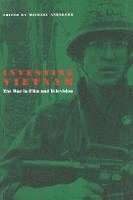
Testimony of the unique relationship between the U.S.-Vietnam War and the images and sounds that have been employed to represent it
382 kr
Skickas inom 7-10 vardagar
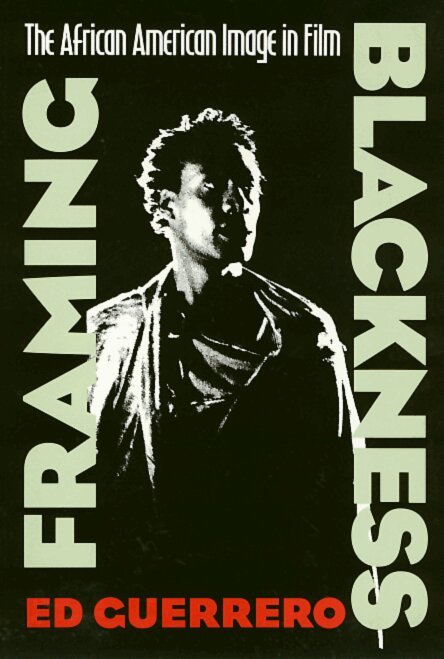
From D.W. Griffith's The Birth of a Nation to Spike Lee's Malcolm X, Ed Guerrero argues, the commercial film industry reflects white domination of American society. Written with the energy and conviction generated by the new black film wave, Framing Blackness traces an ongoing epic—African Americans protesting screen images of blacks as criminals, servants, comics, athletes, and sidekicks.These images persist despite blacks' irrepressible demands for emancipated images and a role in the industry. Although starkly racist portrayals of blacks in early films have gradually been replaced by more appealing characterizations, the legacy of the plantation genre lives on in Blaxpoitation films, the fantastic racialized imagery in science fiction and horror films, and the resubordination of blacks in Reagan-era films. Probing the contradictions of such images, Guerrero recalls the controversies surrounding role choices by stars like Sidney Poitier, Eddie Murphy, Whoopie Goldberg, and Richard Pryor.Throughout his study, Guerrero is attentive to the ways African Americans resist Hollywood's one-dimensional images and superficial selling of black culture as the latest fad. Organizing political demonstrations and boycotts, writing, and creating their own film images are among the forms of active resistance documented.The final chapter awakens readers to the artistic and commercial breakthrough of black independent filmmakers who are using movies to channel their rage at social injustice. Guerrero points out their diverse approaches to depicting African American life and hails innovative tactics for financing their work. Framing Blackness is the most up-to-date critical study of how African Americans are acquiring power once the province of Hollywood alone: the power of framing blackness.In the series Culture and the Moving Image, edited by Robert Sklar.
354 kr
Skickas inom 7-10 vardagar
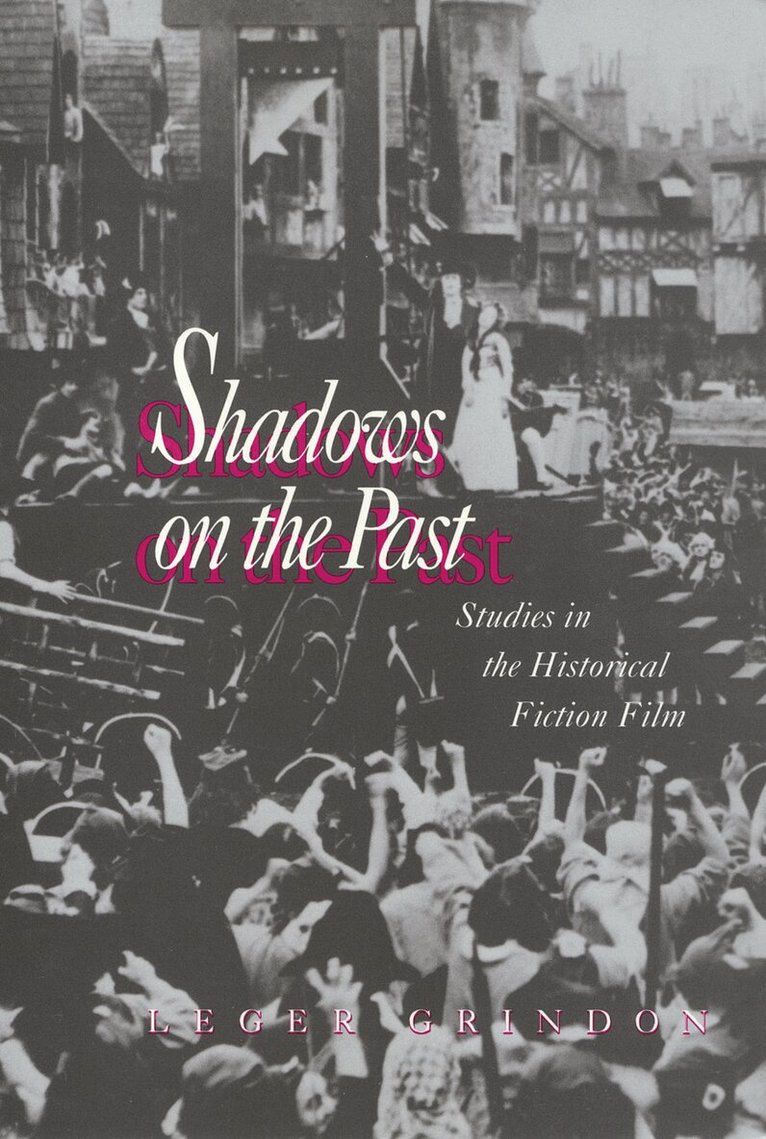
Studying popular Hollywood films from "Gone With the Wind" to "Reds" and such distinguished European films as "La Marseillaise" and "The Rise to Power of Louis XIV", Leger Grindon examines how historical fiction films interpret the present through a representation of the past. The historical fiction film is characterized by a set of motives and, Grindon argues, deserves to be considered a genre unto itself. Appropriation of historical events can insinuate a film's authority of its subject, veil an intention, provide an escape into nostalgia, or direct a search for knowledge and origins. Utilizing the past as a way of responding to social conflicts in the present, Grindon shows how the genre promotes a political agenda, superseding the influence of scholarship on the public's perception and interpretation of history. Leger Grindon is Assistant Professor of Film and Television Studies at Middlebury College.
968 kr
Skickas inom 11-20 vardagar
Perhaps the most vital, emotionally complex, and lasting attachments between women occur between sisters. Whether as best friends or antagonists, \u0022sisters remain entangled in a common tapestry of mutual experience and remembrance, family and history,\u0022 according to author Eva Ruschmann. Although many of the women-centered films in the last three decades depict the relationship between sisters as a pivotal aspect of a character's psychological development, the now substantial body of feminist film criticism has not taken up this theme in any sustained way. In Sisters on Screen, Eva Rueschmann explores the sister bond in a wide range of modernist feature films that depart from the conventional cinematic rendering of women's lives. Drawing on the psychoanalytic concept of intersubjectivity, this book emphasizes the role of a woman's relationship and inner world in her continual quest for self-knowledge.Offering an original and absorbing perspective on women's filmic images, Sisters on Screen reveals how post-1960s cinema has articulated the way sin which biological sisters negotiate mutuality and difference, co-author family histories, and profoundly shape each other's political and personal identities. The films in focus question standards of femininity as they probe in to memory, fantasy, and desire, bringing women's realities into view in the process. Structuring her discussion in terms of life-cycle stages -- adolescence and adulthood -- Rueschmann offers an in-depth discussion of such films as An Angel at my Table, Double Happiness, Eve's Bayou, Gas Food Lodging, Heavenly Creatures, Little Women, Marianne and Juliane, Paura e amore, Peppermint Soda, The Silence, Sweetie, and Welcome to the Dollhouse. Rueschmann draws upon the works of filmmakers from the 1970s to the 1990s. Some of the directors included in her study are Allison Anders, Gillian Armstrong, Ingmar Bergman, Jane Campion, Peter Jackson, Mina Shum, Diane Kurys, Kasi Lemmons, Todd Solondz, and Margarethe von Trotta.Sisters on Screen will appeal to anyone interested in women's studies, film studies, psychoanalytic readings of cinema, women directors, and international modern film.
350 kr
Skickas inom 7-10 vardagar
Perhaps the most vital, emotionally complex, and lasting attachments between women occur between sisters. Whether as best friends or antagonists, \u0022sisters remain entangled in a common tapestry of mutual experience and remembrance, family and history,\u0022 according to author Eva Ruschmann. Although many of the women-centered films in the last three decades depict the relationship between sisters as a pivotal aspect of a character's psychological development, the now substantial body of feminist film criticism has not taken up this theme in any sustained way. In Sisters on Screen, Eva Rueschmann explores the sister bond in a wide range of modernist feature films that depart from the conventional cinematic rendering of women's lives. Drawing on the psychoanalytic concept of intersubjectivity, this book emphasizes the role of a woman's relationship and inner world in her continual quest for self-knowledge.Offering an original and absorbing perspective on women's filmic images, Sisters on Screen reveals how post-1960s cinema has articulated the way sin which biological sisters negotiate mutuality and difference, co-author family histories, and profoundly shape each other's political and personal identities. The films in focus question standards of femininity as they probe in to memory, fantasy, and desire, bringing women's realities into view in the process. Structuring her discussion in terms of life-cycle stages -- adolescence and adulthood -- Rueschmann offers an in-depth discussion of such films as An Angel at my Table, Double Happiness, Eve's Bayou, Gas Food Lodging, Heavenly Creatures, Little Women, Marianne and Juliane, Paura e amore, Peppermint Soda, The Silence, Sweetie, and Welcome to the Dollhouse. Rueschmann draws upon the works of filmmakers from the 1970s to the 1990s. Some of the directors included in her study are Allison Anders, Gillian Armstrong, Ingmar Bergman, Jane Campion, Peter Jackson, Mina Shum, Diane Kurys, Kasi Lemmons, Todd Solondz, and Margarethe von Trotta.Sisters on Screen will appeal to anyone interested in women's studies, film studies, psychoanalytic readings of cinema, women directors, and international modern film.
305 kr
Skickas inom 11-20 vardagar
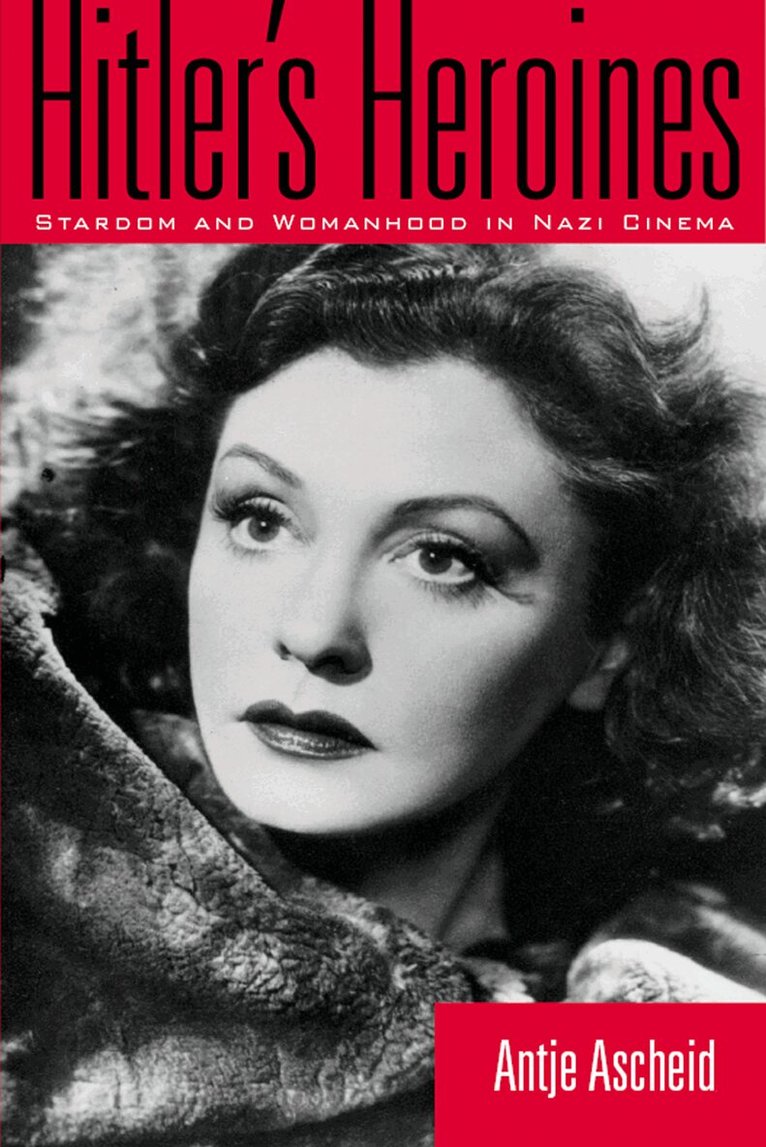
German film-goers flocked to see musicals and melodramas during the Nazi era. Although the Nazis seemed to require that every aspect of ordinary life advance the fascist project, even the most popular films depicted characters and desires that deviated from the politically correct ideal. Probing into the contradictory images of womanhood that surfaced in these films, Antje Ascheid shows how Nazi heroines negotiated the gender conflicts that confronted contemporary women. The careers of Kristina Soderbaum, Lilian Harvey, and Zarah Leander speak to the Nazis' need to address and contain the "woman question," to redirect female subjectivity and desires to self sacrifice for the common good (i.e., national socialism). Hollywood's new women and glamorous dames were out; the German wife and mother were in. The roles and star personas assigned to these actresses, though intended to entertain the public in a politically conformist way, point to the difficulty of yoking popular culture to ideology. Author note: Antje Ascheid is Assistant Professor in the Department of Drama and Theater at the University of Georgia.
399 kr
Skickas inom 7-10 vardagar
A new anthology from one of America's foremost critics of movies and culture
902 kr
Tillfälligt slut
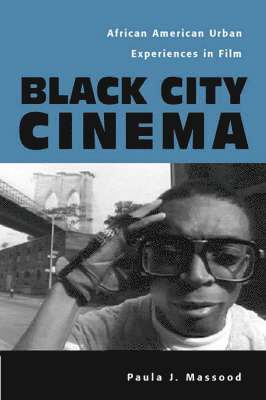
In "Black City Cinema", Paula Massood shows how popular films reflected the massive social changes that resulted from the Great Migration of African Americans from the rural South to cities in the North, West, and Mid-West during the first three decades of the twentieth century. By the onset of the Depression, the Black population had become primarily urban, transforming individual lives as well as urban experience and culture. Massood probes into the relationship of place and time, showing how urban settings became an intrinsic element of African American film as Black people became more firmly rooted in urban spaces and more visible as historical and political subjects.Illuminating the intersections of film, history, politics, and urban discourse, she considers the chief genres of African American and Hollywood narrative film: the black cast musicals of the 1920s and the "race" films of the early sound era to blaxploitation and hood films, as well as the work of Spike Lee toward the end of the century. As it examines such a wide range of films over much of the twentieth century, this book offers a unique map of Black representations in film. Paula J.Massood is Assistant Professor of Film Studies at Brooklyn College, City University of New York.
290 kr
Skickas inom 7-10 vardagar
In Black City Cinema, Paula Massood shows how popular films reflected the massive social changes that resulted from the Great Migration of African Americans from the rural South to cities in the North, West, and Mid-West during the first three decades of the twentieth century. By the onset of the Depression, the Black population had become primarily urban, transforming individual lives as well as urban experience and culture. Massood probes into the relationship of place and time, showing how urban settings became an intrinsic element of African American film as Black people became more firmly rooted in urban spaces and more visible as historical and political subjects. Illuminating the intersections of film, history, politics, and urban discourse, she considers the chief genres of African American and Hollywood narrative film: the black cast musicals of the 1920s and the "race" films of the early sound era to blaxploitation and hood films, as well as the work of Spike Lee toward the end of the century. As it examines such a wide range of films over much of the twentieth century, this book offers a unique map of Black representations in film. Author note: Paula J.Massood is Assistant Professor of Film Studies at Brooklyn College, City University of New York.
321 kr
Skickas inom 7-10 vardagar
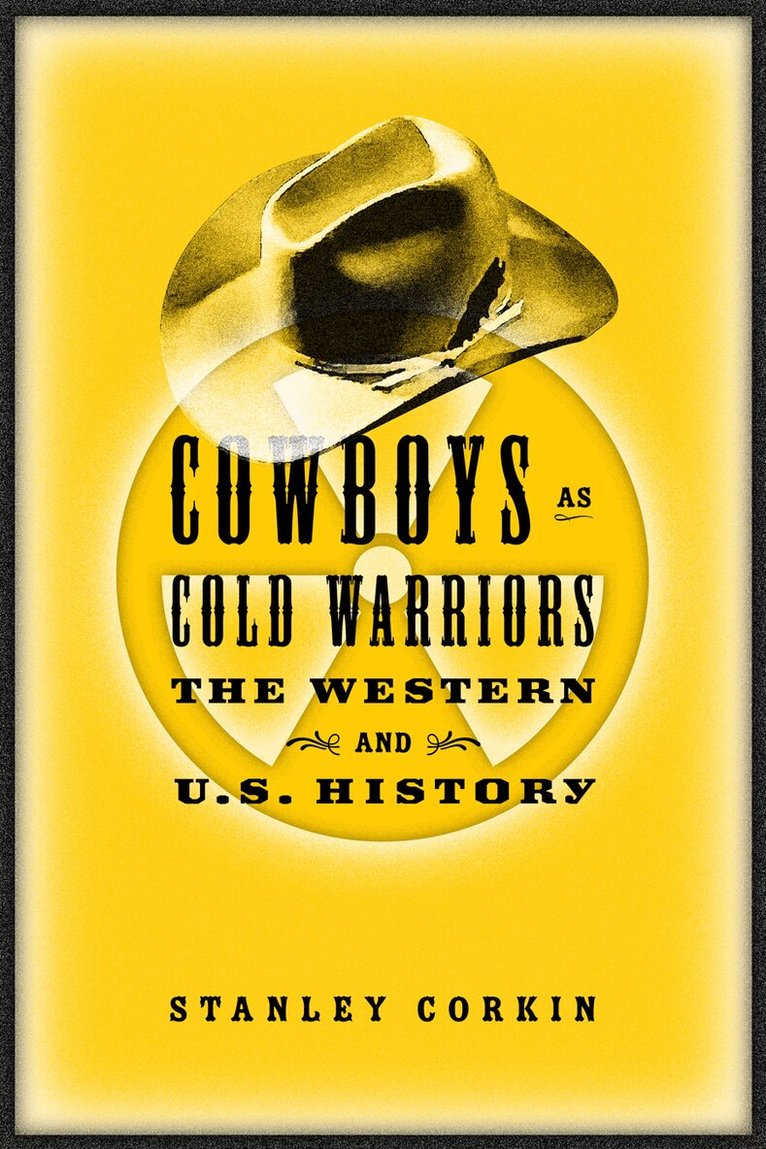
Though the United States emerged from World War II with superpower status and quickly entered a period of economic prosperity, the stresses and contradictions of the Cold War nevertheless cast a shadow over American life. The same period marked the heyday of the western film. Cowboys as Cold Warriors shows that this was no coincidence. It examines many of the significant westerns released between 1946 and 1962, analyzing how they responded to and influenced the cultural climate of the country. Author Stanley Corkin discusses a dozen films in detail, connecting them to each other and to numerous others. He considers how these cultural productions both embellished the myth of the American frontier and reflected the era in which they were made. Films discussed include: My Darling Clementine, Red River, Duel in the Sun, Pursued, Fort Apache, Broken Arrow, The Gunfighter, High Noon, Shane, The Searchers, Gunfight at the OK Corral, The Magnificent Seven, The Alamo, Lonely Are the Brave, Ride the High Country, and The Man Who Shot Liberty Valance.