Cutaways - Böcker
Visar alla böcker i serien Cutaways. Handla med fri frakt och snabb leverans.
8 produkter
8 produkter
744 kr
Skickas inom 7-10 vardagar
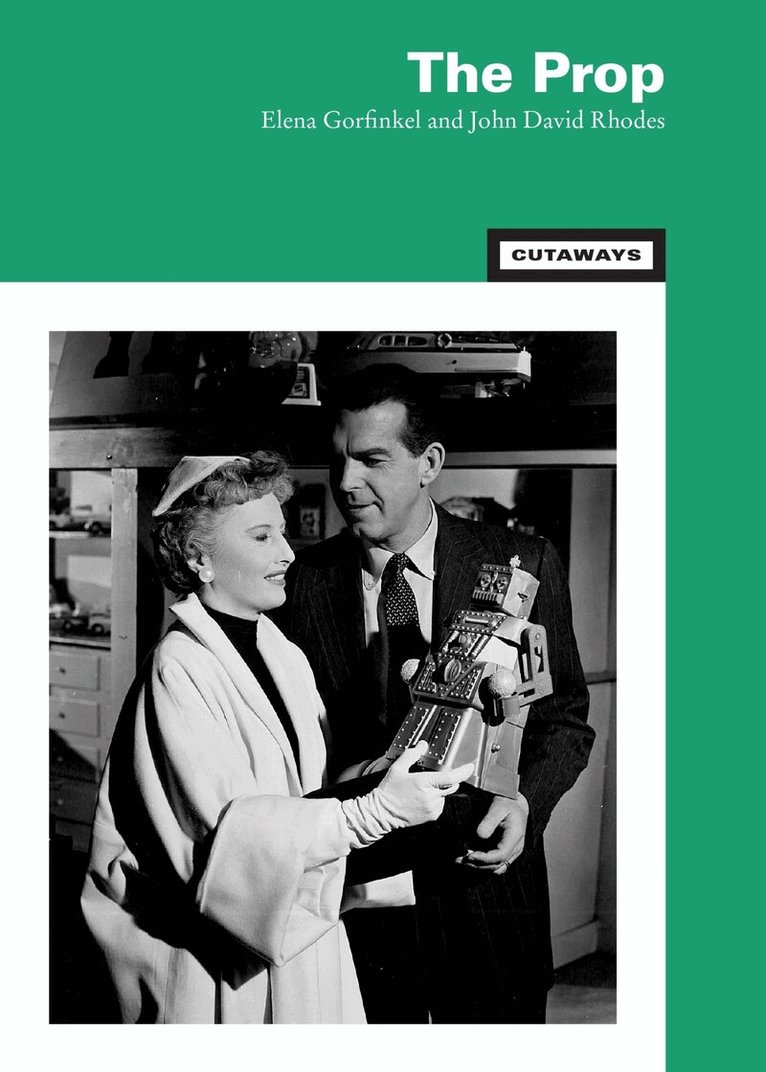
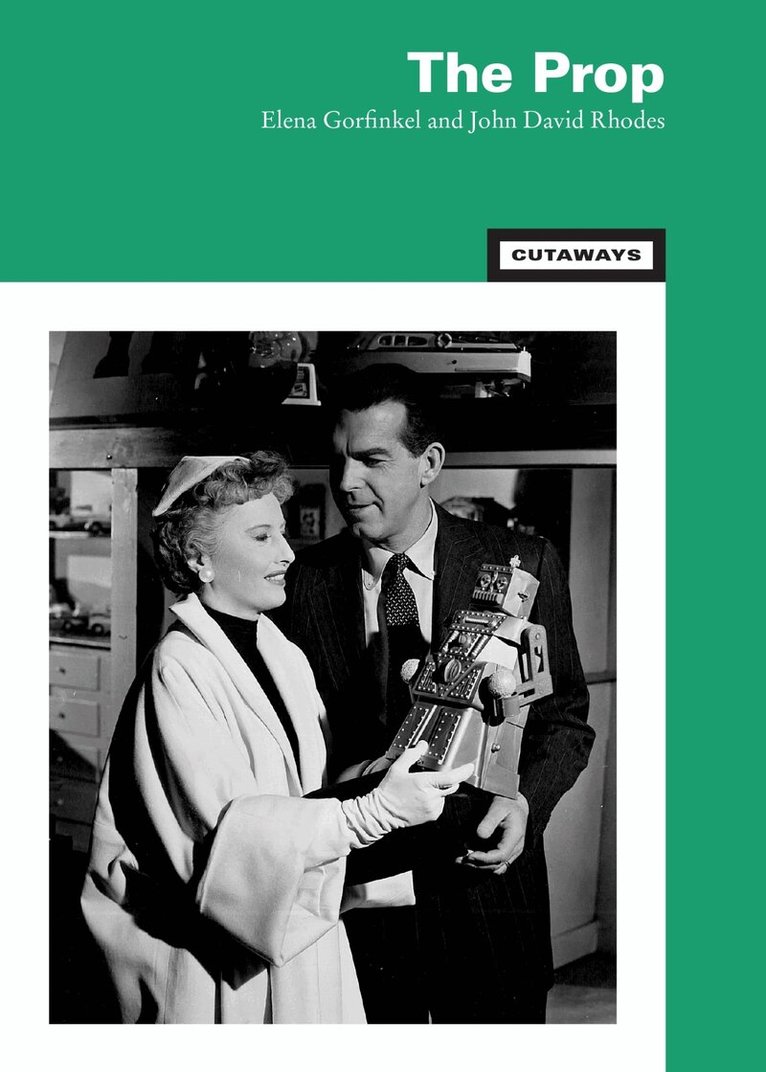
What are film props? What do they do? This book answers these questions by a close attention to those material objects that are used to construct cinematic worlds. The term "prop" is short for property. This truncated term's etymology belies the expansiveness of the concept and indicates the micro and macro scales at which the prop operates. Props are the material—often literal—furniture of cinema's diegetic reality. Props are also narrative agents: think of the animacy of objects in Jean Epstein's account of photogénie, the crystal egg in Risky Business, or the domestic bric-à-brac of Sirk's melodramas. The prop is central to production design and the construction of mise-en-scène. And yet, the prop has rarely—almost never—been taken as an object of analysis and theorization in its own right. This book begins by tracing the prop's curious but unacknowledged role in film theory, before proceeding to a series of theoretical speculations and close readings that bring the prop into focus. Analyses of scenes of "prop mastery" demonstrate the labor that props perform and enable, as well as the interpretive work they make possible. Across a variety of genres, modes, and historical contexts—studio filmmaking, art cinema, adult and avant-garde films—The Prop introduces readers to the notion of "prop value," a quality that puts the prop in proximity to the capitalist commodity, but also provides an ironic distance from the commodity's subjection to exchange value. Gorfinkel and Rhodes argue that the prop is nothing less than a condensation of how labor, subjection, value, and instrumentality underwrite the very conditions of cinema.
207 kr
Skickas inom 10-15 vardagar
What are film props? What do they do? This book answers these questions by a close attention to those material objects that are used to construct cinematic worlds. The term "prop" is short for property. This truncated term's etymology belies the expansiveness of the concept and indicates the micro and macro scales at which the prop operates. Props are the material—often literal—furniture of cinema's diegetic reality. Props are also narrative agents: think of the animacy of objects in Jean Epstein's account of photogénie, the crystal egg in Risky Business, or the domestic bric-à-brac of Sirk's melodramas. The prop is central to production design and the construction of mise-en-scène. And yet, the prop has rarely—almost never—been taken as an object of analysis and theorization in its own right. This book begins by tracing the prop's curious but unacknowledged role in film theory, before proceeding to a series of theoretical speculations and close readings that bring the prop into focus. Analyses of scenes of "prop mastery" demonstrate the labor that props perform and enable, as well as the interpretive work they make possible. Across a variety of genres, modes, and historical contexts—studio filmmaking, art cinema, adult and avant-garde films—The Prop introduces readers to the notion of "prop value," a quality that puts the prop in proximity to the capitalist commodity, but also provides an ironic distance from the commodity's subjection to exchange value. Gorfinkel and Rhodes argue that the prop is nothing less than a condensation of how labor, subjection, value, and instrumentality underwrite the very conditions of cinema.
744 kr
Skickas inom 7-10 vardagar
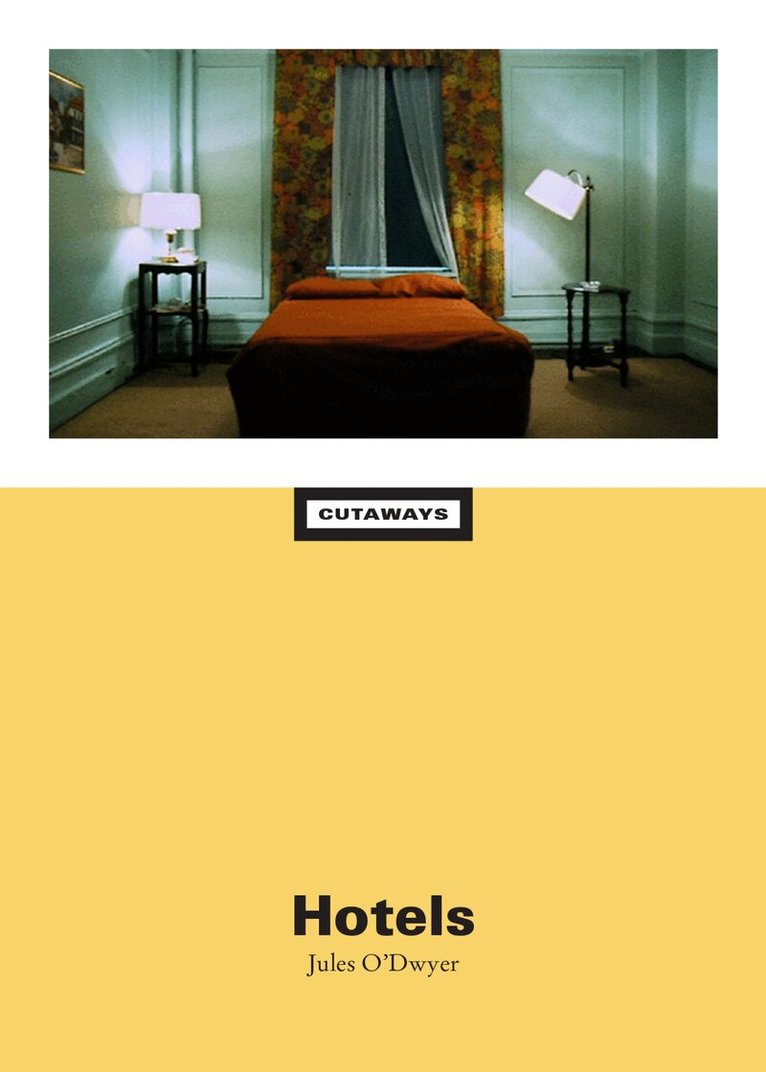
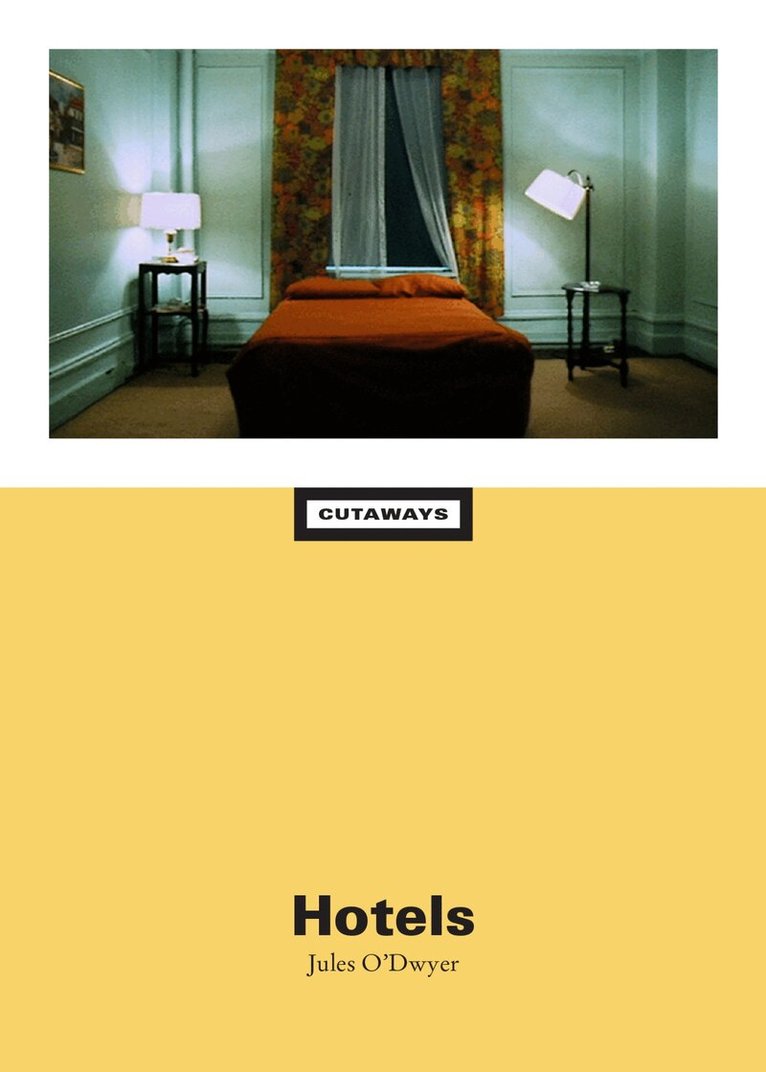
From Marienbad to the Bates Motel, cinematic hotels are more than a mere backdrop to a film's action. They actively scaffold the formal, aesthetic, and narrative possibilities of cinema. This book takes a journey through spaces of temporary dwelling—hotels, inns, and motels—to delve into the dynamics and contradictions that structure modern life.Along the way, O'Dwyer considers questions of plot and eroticism, labor and globalization, and the ethics and economics of hospitality. Drawing on a broad array of films from European art cinema to experimental adult media, and placing cinema into dialogue with film theory and media history, Hotels explores both how and why the hotel has such a strong purchase on the cinematic imaginary.
204 kr
Skickas inom 7-10 vardagar
From Marienbad to the Bates Motel, cinematic hotels are more than a mere backdrop to a film's action. They actively scaffold the formal, aesthetic, and narrative possibilities of cinema. This book takes a journey through spaces of temporary dwelling—hotels, inns, and motels—to delve into the dynamics and contradictions that structure modern life.Along the way, O'Dwyer considers questions of plot and eroticism, labor and globalization, and the ethics and economics of hospitality. Drawing on a broad array of films from European art cinema to experimental adult media, and placing cinema into dialogue with film theory and media history, Hotels explores both how and why the hotel has such a strong purchase on the cinematic imaginary.
204 kr
Skickas inom 7-10 vardagar
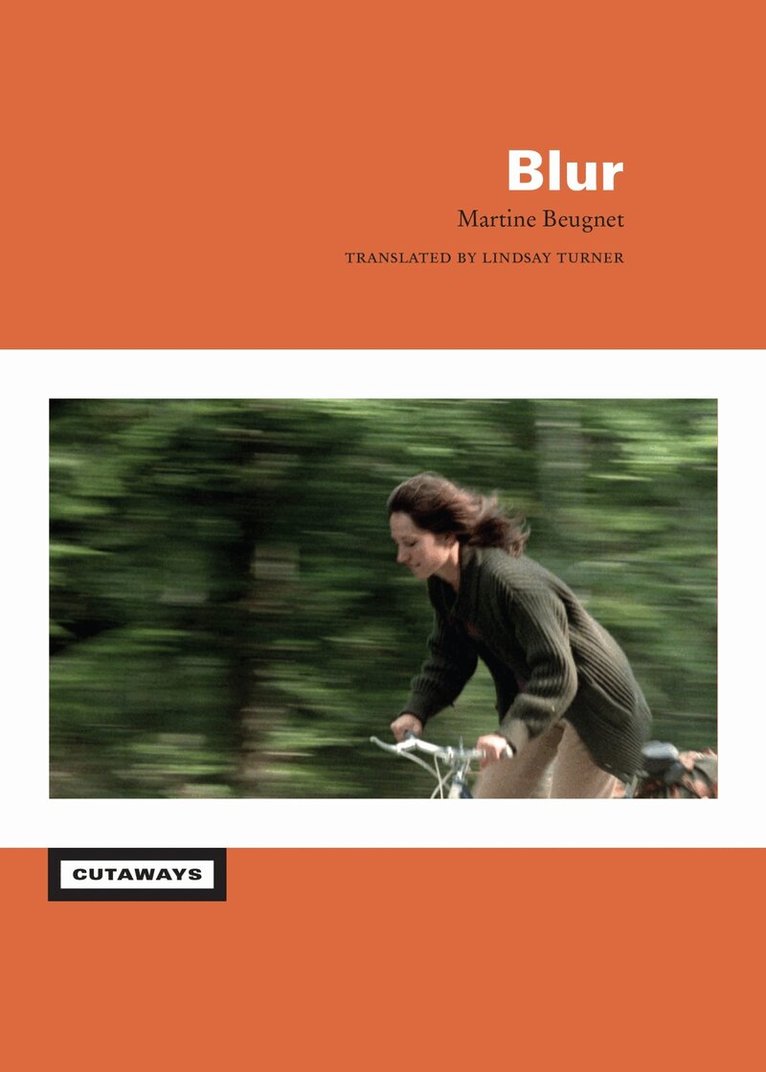
In cinema, blurriness is usually intended to go unnoticed. When it appears it is either considered an error — a mistake of focus or a technological failure — or a background effect of shallow focus intended to offset a defined image. As Martine Beugnet argues, however, blur is an essential feature of the cinema, possessing its own properties and affordances, and capable of powerful effects. Examining an array of notable examples of blurriness from horror to art cinema and experimental film, and including the works of the Lumière brothers, Josef von Sternberg, Agnès Varda and many others, she develops a taxonomy of blurs, from speed and motion blur to the hand-held, "shaky camera" blur common in contemporary digital cinema. These wide-ranging instances all return the viewer to the sensorial and material qualities of the moving image.In the face of technological developments that valorize sharpness as an indicator of progress, blur stands as a provocative reminder of the value of uncertainty—a sign of the irreducible mystery at the heart of the filmic image.
744 kr
Skickas inom 7-10 vardagar
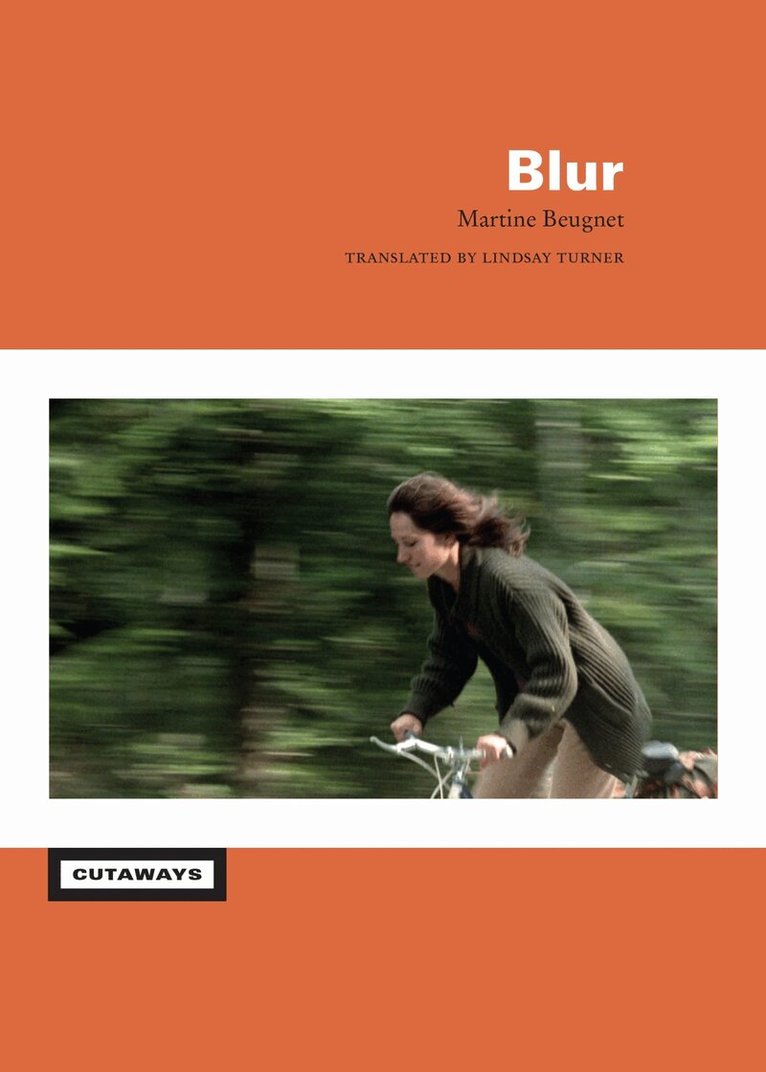
In cinema, blurriness is usually intended to go unnoticed. When it appears it is either considered an error – a mistake of focus or a technological failure – or a background effect of shallow focus intended to offset a defined image. As Martine Beugnet argues, however, blur is an essential feature of the cinema, possessing its own properties and affordances, and capable of powerful effects. Examining an array of notable examples of blurriness from horror to art cinema and experimental film, and including the works of the Lumière brothers, Josef von Sternberg, Agnès Varda and many others, she develops a taxonomy of blurs, from speed and motion blur to the hand-held, "shaky camera" blur common in contemporary digital cinema. These wide-ranging instances all return the viewer to the sensorial and material qualities of the moving image.In the face of technological developments that valorize sharpness as an indicator of progress, blur stands as a provocative reminder of the value of uncertainty—a sign of the irreducible mystery at the heart of the filmic image.
1 003 kr
Kommande
From the Lumière brothers’ legendary locomotive to today, trains have shaped the language and imagination of film. In this book, Genevieve Yue offers an original and evocative meditation on this enduring cinematic motif, charting how railways have served not only as engines of narrative momentum but as spaces of reflection and quiet transformation.Across a range of filmic genres and geographies, Yue traces the many ways trains structure cinematic experience. Rather than focusing solely on the spectacle and technological wonder traditionally associated with railways on screen, she considers departures and reunions, romances, reveries, and encounters with strangers. With a feminist politics in mind, Trains explores how movement through space becomes movement through memory, fantasy, and thought.Central to Yue’s exploration is the experience of being a woman on a train. In such instances, trains become places where desire, vulnerability, and possibility coincide. The book also reflects on broader questions of infrastructure, ecology, and state power, revealing how railways shape both collective histories and individual lives.Written with clarity and wit, Trains invites readers aboard a richly idiosyncratic itinerary through film history. At once critical and personal, it offers a fresh way of seeing the moving image – through the sensations and stories of travel by rail.
250 kr
Kommande
From the Lumière brothers’ legendary locomotive to today, trains have shaped the language and imagination of film. In this book, Genevieve Yue offers an original and evocative meditation on this enduring cinematic motif, charting how railways have served not only as engines of narrative momentum but as spaces of reflection and quiet transformation.Across a range of filmic genres and geographies, Yue traces the many ways trains structure cinematic experience. Rather than focusing solely on the spectacle and technological wonder traditionally associated with railways on screen, she considers departures and reunions, romances, reveries, and encounters with strangers. With a feminist politics in mind, Trains explores how movement through space becomes movement through memory, fantasy, and thought.Central to Yue’s exploration is the experience of being a woman on a train. In such instances, trains become places where desire, vulnerability, and possibility coincide. The book also reflects on broader questions of infrastructure, ecology, and state power, revealing how railways shape both collective histories and individual lives.Written with clarity and wit, Trains invites readers aboard a richly idiosyncratic itinerary through film history. At once critical and personal, it offers a fresh way of seeing the moving image – through the sensations and stories of travel by rail.