End-of-Life Care: A Series – serie
Visar alla böcker i serien End-of-Life Care: A Series. Handla med fri frakt och snabb leverans.
17 produkter
17 produkter
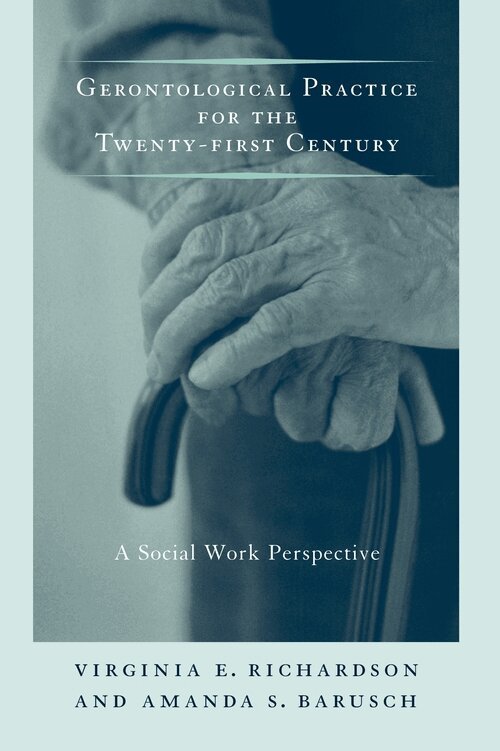
Gerontological Practice for the Twenty-first Century
A Social Work Perspective
Inbunden, Engelska, 2005
2 712 kr
Skickas inom 3-6 vardagar
Gerontological Practice for the Twenty-first Century meets the need for state-of-the-art information on practice approaches with older patients that are age-specific and empirically based, blend "micro" and "macro" views, and reflect current themes in the aging and social work fields. The book is designed as a text for students and as a professional resource for practitioners. Clearly written, the book offers an expert and comprehensive review of the current literature and focuses on issues relating to the most vulnerable older people. Gerontological Practice for the Twenty-first Century also features case illustrations throughout and brief end-of-chapter questions for review. The book has four parts. Part 1 reviews current and classic theories of aging and proposes an original framework for an integrative approach to practice with older people that incorporates both individual and policy-level interventions. The approach is based on current themes such as a life course perspective, heterogeneity, diversity, and inequality.Part 2 covers such common and important psychological problems among older individuals, as anxiety, depression, suicide, substance abuse, and dementia, and describes appropriate, evidence-based interventions. Part 3 considers the social psychological picture by discussing working with older families, end-of-life care, bereavement, and work and retirement. Part 4 focuses on core sociopolitical issues in the lives of older people: economic policy, poverty, health policy, quality-of-life concerns, and social services. Current, authoritative, and original, this single-volume gerontology resource will be of valuable use to graduate students and practitioners.
363 kr
Skickas inom 7-10 vardagar
Gerontological Practice for the Twenty-first Century meets the need for state-of-the-art information on practice approaches with older patients that are age-specific and empirically based, blend "micro" and "macro" views, and reflect current themes in the aging and social work fields. The book is designed as a text for students and as a professional resource for practitioners. Clearly written, the book offers an expert and comprehensive review of the current literature and focuses on issues relating to the most vulnerable older people. Gerontological Practice for the Twenty-first Century also features case illustrations throughout and brief end-of-chapter questions for review. The book has four parts. Part 1 reviews current and classic theories of aging and proposes an original framework for an integrative approach to practice with older people that incorporates both individual and policy-level interventions. The approach is based on current themes such as a life course perspective, heterogeneity, diversity, and inequality.Part 2 covers such common and important psychological problems among older individuals, as anxiety, depression, suicide, substance abuse, and dementia, and describes appropriate, evidence-based interventions. Part 3 considers the social psychological picture by discussing working with older families, end-of-life care, bereavement, and work and retirement. Part 4 focuses on core sociopolitical issues in the lives of older people: economic policy, poverty, health policy, quality-of-life concerns, and social services. Current, authoritative, and original, this single-volume gerontology resource will be of valuable use to graduate students and practitioners.
944 kr
Skickas inom 7-10 vardagar
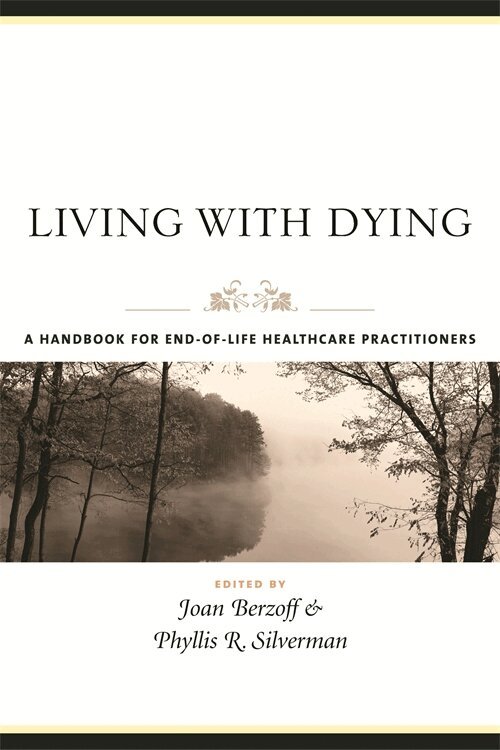
The first resource on end-of-life care for healthcare practitioners who work with the terminally ill and their families, Living with Dying begins with the narratives of five healthcare professionals, who, when faced with overwhelming personal losses altered their clinical practices and philosophies. The book provides ways to ensure a respectful death for individuals, families, groups, and communities and is organized around theoretical issues in loss, grief, and bereavement and around clinical practice with individuals, families, and groups. Living with Dying addresses practice with people who have specific illnesses such as AIDS, bone marrow disease, and cancer and pays special attention to patients who have been stigmatized by culture, ability, sexual orientation, age, race, or homelessness. The book includes content on trauma and developmental issues for children, adults, and the aging who are dying, and it addresses legal, ethical, spiritual, cultural, and social class issues as core factors in the assessment of and work with the dying. It explores interdisciplinary teamwork, supervision, and the organizational and financing contexts in which dying occurs.Current research in end-of-life care, ways to provide leadership in the field, and a call for compassion, insight, and respect for the dying makes this an indispensable resource for social workers, healthcare educators, administrators, consultants, advocates, and practitioners who work with the dying and their families.
1 589 kr
Skickas inom 7-10 vardagar
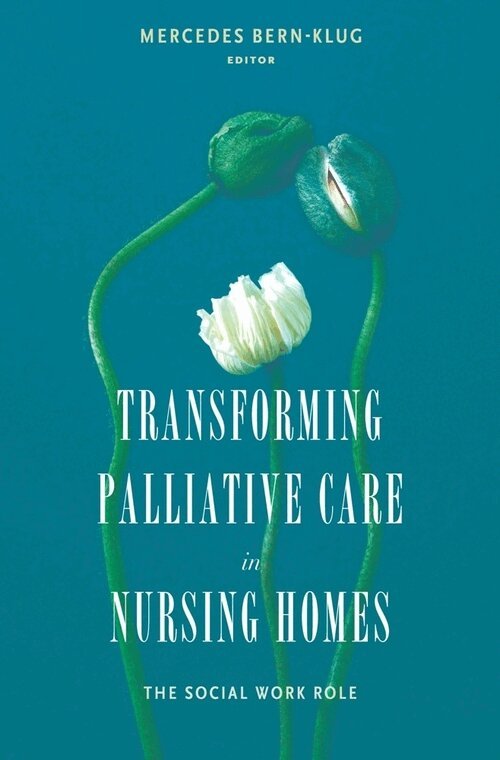
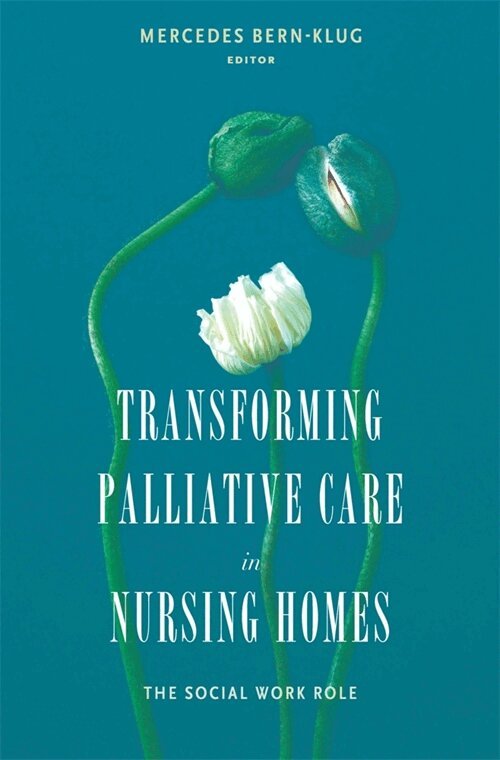
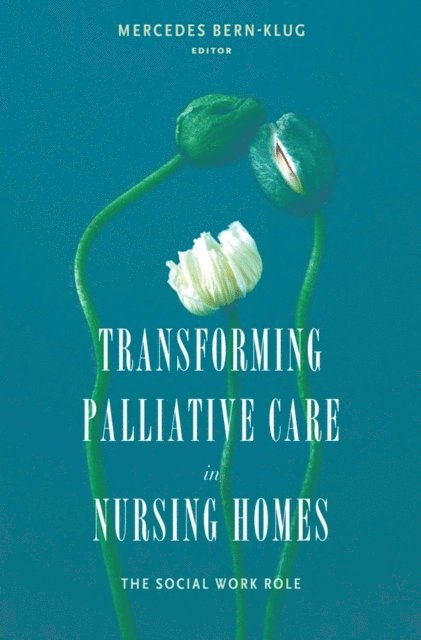
The teacher and gerontological social work scholar Mercedes Bern-Klug joins experts on nursing, law, medicine, sociology, and social work to provide a thorough understanding of nursing home palliative care. Their broad definition of palliative care treats comfort care as appropriate across the illness experience, not just at the end of life. Because a majority of nursing home residents are older adults facing multiple, advanced chronic conditions, this book is grounded in the provision of palliative care-especially palliative psychosocial care. Yet its practice recommendations can also be applied to other long-term care settings, such as assisted living. The contributors combine scholarship with practical wisdom in each chapter, mixing reviews of scholarly literature with insights gleaned from clinical practice. Chapter topics comply with the eight domains of palliative care developed by the National Consensus Project for Quality Palliative Care. Some focus on care of the resident, while others concern the resident's family. A special section addresses self-care for nursing home staff members, and another discusses nursing home rituals to mark the death of a resident.Bern-Klug concludes with an overview of the factors that will shape the future of palliative care for advanced chronic illness.
885 kr
Skickas inom 3-6 vardagar
The teacher and gerontological social work scholar Mercedes Bern-Klug joins experts on nursing, law, medicine, sociology, and social work to provide a thorough understanding of nursing home palliative care. Their broad definition of palliative care treats comfort care as appropriate across the illness experience, not just at the end of life. Because a majority of nursing home residents are older adults facing multiple, advanced chronic conditions, this book is grounded in the provision of palliative care-especially palliative psychosocial care. Yet its practice recommendations can also be applied to other long-term care settings, such as assisted living. The contributors combine scholarship with practical wisdom in each chapter, mixing reviews of scholarly literature with insights gleaned from clinical practice. Chapter topics comply with the eight domains of palliative care developed by the National Consensus Project for Quality Palliative Care. Some focus on care of the resident, while others concern the resident's family. A special section addresses self-care for nursing home staff members, and another discusses nursing home rituals to mark the death of a resident.Bern-Klug concludes with an overview of the factors that will shape the future of palliative care for advanced chronic illness.
2 044 kr
Skickas inom 11-20 vardagar
The first text to explore the history, characteristics, and challenges of hospice social work, this volume weaves leading research into an underlying framework for practice and care. A longtime practitioner, Dona J. Reese describes the hospice social work role in assessment and intervention with individuals, families, groups, organizations, and the community, while honestly confronting the personal and professional difficulties of such life-changing work. She introduces a well-tested model of psychosocial and spiritual variables that predict hospice client outcomes, and she advances a social work assessment tool to document their occurrence. Operating at the center of national leaders' coordinated efforts to develop and advance professional organizations and guidelines for end-of-life care, Reese reaches out with support and practice information, helping social workers understand their significance in treating the whole person, contributing to the cultural competence of hospice settings, and claiming a definitive place within the hospice team.
812 kr
Skickas inom 3-6 vardagar
The first text to explore the history, characteristics, and challenges of hospice social work, this volume weaves leading research into an underlying framework for practice and care. A longtime practitioner, Dona J. Reese describes the hospice social work role in assessment and intervention with individuals, families, groups, organizations, and the community, while honestly confronting the personal and professional difficulties of such life-changing work. She introduces a well-tested model of psychosocial and spiritual variables that predict hospice client outcomes, and she advances a social work assessment tool to document their occurrence. Operating at the center of national leaders' coordinated efforts to develop and advance professional organizations and guidelines for end-of-life care, Reese reaches out with support and practice information, helping social workers understand their significance in treating the whole person, contributing to the cultural competence of hospice settings, and claiming a definitive place within the hospice team.
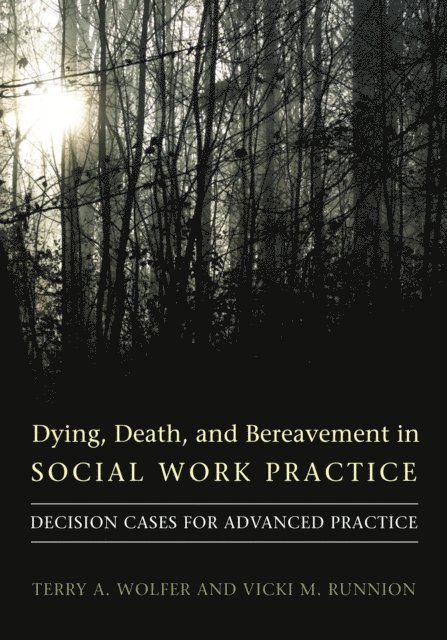
Dying, Death, and Bereavement in Social Work Practice
Decision Cases for Advanced Practice
Häftad, Engelska, 2008
519 kr
Skickas inom 3-6 vardagar
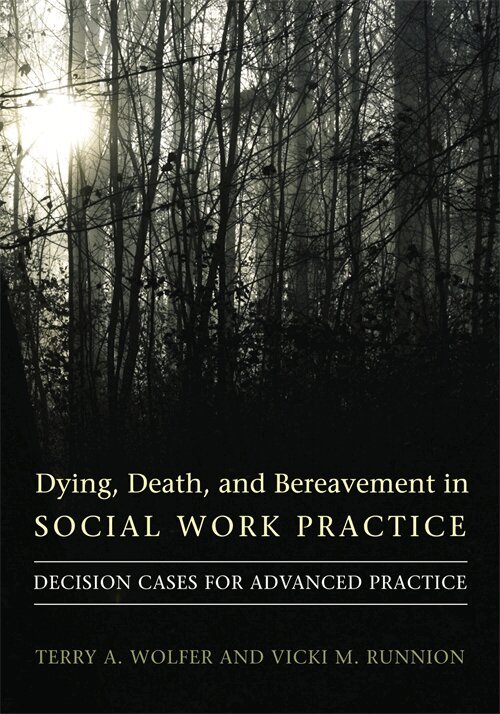
Practitioners who work with clients at the end of their lives face difficult decisions concerning the client's self-determination, the kind of death he or she will have, and the prolongation of life. They must also remain sensitive to the beliefs and needs of family members and the legal, ethical, and spiritual ramifications of the client's death. Featuring twenty-three decision cases based on interviews with professional social workers, this unique volume allows students to wrestle with the often incomplete and conflicting information, ethical issues, and time constraints of actual cases. Instead of offering easy solutions, this book provides detailed accounts that provoke stimulating debates among students, enabling them to confront their own responses, beliefs, and uncertainties to hone their critical thinking and decision making skills for professional practice. *Please note: Teaching Notes for this volume will be available from Electronic Hallway in Spring 2010. To access the Teaching Notes, you must first become a member of the Electronic Hallway. The main Electronic Hallway web page is at https://hallway.org/index.php.To join, click Become a Hallway Member in the Get Involved category or point your browser directly to https://hallway.org/involved/join.php and provide the required information. After your instructor status has been confirmed, you will receive an e-mail granting access to the Electronic Hallway. Once logged on to Electronic Hallway as a member, click Case Search in the Cases and Resources category on themain web page. Enter "death, dying, bereavement" (without the quotation marks) in the search box, select "all of the words" in the drop down menu, and click Submit. The search process will generate a list of Teaching Notes for cases from Dying, Death, and Bereavement in Social Work Practice: Decision Cases for Advanced Practice.
801 kr
Tillfälligt slut
In the summer of 1996, Ruth Ray, a gerontologist in her forties, befriended an eighty-two-year-old man suffering from Parkinson's. The two remained close until the end of his life, sharing stories and memories while building a deep relationship. Part memoir, part biography, Endnotes explores how people construct meaning through their interactions with others. With grace and wit, Ray situates her friend's past experiences and present relationships within the theories and literature of gerontology, providing a deeper understanding of autonomy at the end of life. She also delves into the complexities of sexuality and intimacy in old age, communication across disabilities and age groups, the disabling nature of nursing homes, and the trials of death and dying. Writing as both a woman and a gerontologist, Ray finds that the "quality of care" we provide for others requires not only an understanding of the relationships that have given a person's life meaning but also a willingness to accept and share deeply in the emotional process of physical and mental decline.
236 kr
Skickas inom 7-10 vardagar
In the summer of 1996, Ruth Ray, a gerontologist in her forties, befriended an eighty-two-year-old man suffering from Parkinson's. The two remained close until the end of his life, sharing stories and memories while building a deep relationship. Part memoir, part biography, Endnotes explores how people construct meaning through their interactions with others. With grace and wit, Ray situates her friend's past experiences and present relationships within the theories and literature of gerontology, providing a deeper understanding of autonomy at the end of life. She also delves into the complexities of sexuality and intimacy in old age, communication across disabilities and age groups, the disabling nature of nursing homes, and the trials of death and dying. Writing as both a woman and a gerontologist, Ray finds that the "quality of care" we provide for others requires not only an understanding of the relationships that have given a person's life meaning but also a willingness to accept and share deeply in the emotional process of physical and mental decline.
2 274 kr
Skickas inom 3-6 vardagar
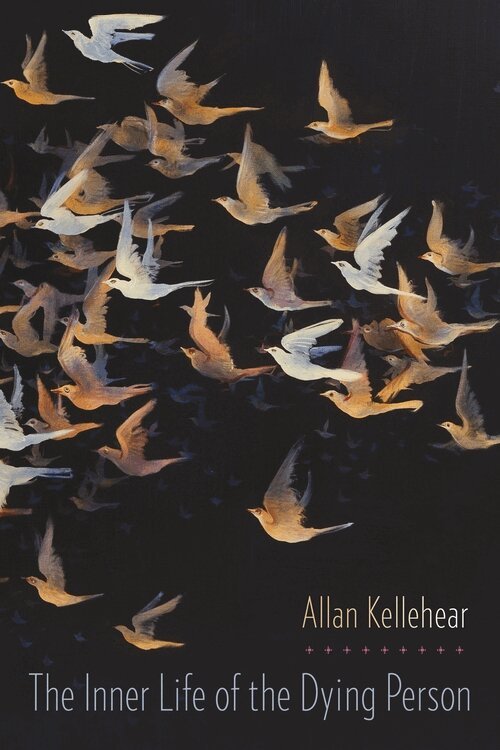
This unique book recounts the experience of facing one's death solely from the dying person's point of view rather than from the perspective of caregivers, survivors, or rescuers. Such unmediated access challenges assumptions about the emotional and spiritual dimensions of dying, showing readers that-along with suffering, loss, anger, sadness, and fear-we can also feel courage, love, hope, reminiscence, transcendence, transformation, and even happiness as we die. A work that is at once psychological, sociological, and philosophical, this book brings together testimonies of those dying from terminal illness, old age, sudden injury or trauma, acts of war, and the consequences of natural disasters and terrorism. It also includes statements from individuals who are on death row, in death camps, or planning suicide. Each form of dying addressed highlights an important set of emotions and narratives that often eclipses stereotypical renderings of dying and reflects the numerous contexts in which this journey can occur outside of hospitals, nursing homes, and hospices.Chapters focus on common emotional themes linked to dying, expanding and challenging them through first-person accounts and analyses of relevant academic and clinical literature in psycho-oncology, palliative care, gerontology, military history, anthropology, sociology, cultural and religious studies, poetry, and fiction. The result is an all-encompassing investigation into an experience that will eventually include us all and is more surprising and profound than anyone can imagine.
308 kr
Skickas inom 7-10 vardagar
This unique book recounts the experience of facing one's death solely from the dying person's point of view rather than from the perspective of caregivers, survivors, or rescuers. Such unmediated access challenges assumptions about the emotional and spiritual dimensions of dying, showing readers that-along with suffering, loss, anger, sadness, and fear-we can also feel courage, love, hope, reminiscence, transcendence, transformation, and even happiness as we die. A work that is at once psychological, sociological, and philosophical, this book brings together testimonies of those dying from terminal illness, old age, sudden injury or trauma, acts of war, and the consequences of natural disasters and terrorism. It also includes statements from individuals who are on death row, in death camps, or planning suicide. Each form of dying addressed highlights an important set of emotions and narratives that often eclipses stereotypical renderings of dying and reflects the numerous contexts in which this journey can occur outside of hospitals, nursing homes, and hospices.Chapters focus on common emotional themes linked to dying, expanding and challenging them through first-person accounts and analyses of relevant academic and clinical literature in psycho-oncology, palliative care, gerontology, military history, anthropology, sociology, cultural and religious studies, poetry, and fiction. The result is an all-encompassing investigation into an experience that will eventually include us all and is more surprising and profound than anyone can imagine.
447 kr
Skickas
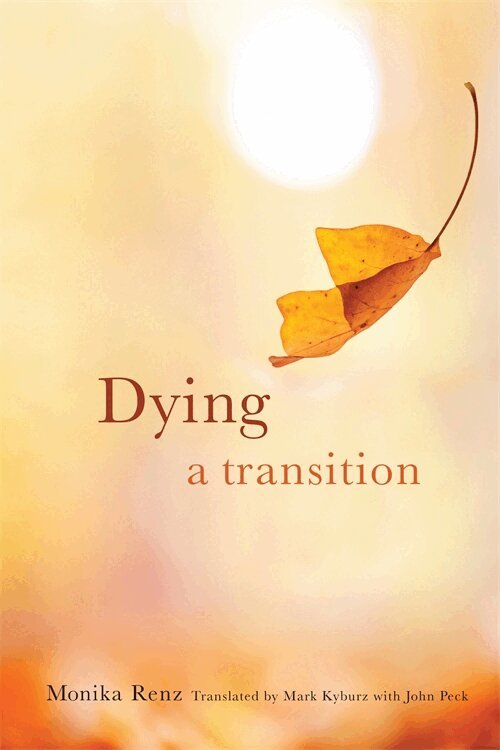
This book introduces a process-based, patient-centered approach to palliative care that substantiates an indication-oriented treatment and radical reconsideration of our transition to death. Drawing on decades of work with terminally ill cancer patients and a trove of research on near-death experiences, Monika Renz encourages practitioners to not only safeguard patients' dignity as they die but also take stock of their verbal, nonverbal, and metaphorical cues as they progress, helping to personalize treatment and realize a more peaceful death. Renz divides dying into three parts: pre-transition, transition, and post-transition. As we die, all egoism and ego-centered perception fall away, bringing us to another state of consciousness, a different register of sensitivity, and an alternative dimension of spiritual connectedness. As patients pass through these stages, they offer nonverbal signals that indicate their gradual withdrawal from everyday consciousness. This transformation explains why emotional and spiritual issues become enhanced during the dying process. Relatives and practitioners are often deeply impressed and feel a sense of awe.Fear and struggle shift to trust and peace; denial melts into acceptance. At first, family problems and the need for reconciliation are urgent, but gradually these concerns fade. By delineating these processes, Renz helps practitioners grow more cognizant of the changing emotions and symptoms of the patients under their care, enabling them to respond with the utmost respect for their patients' dignity.
1 193 kr
Skickas inom 7-10 vardagar
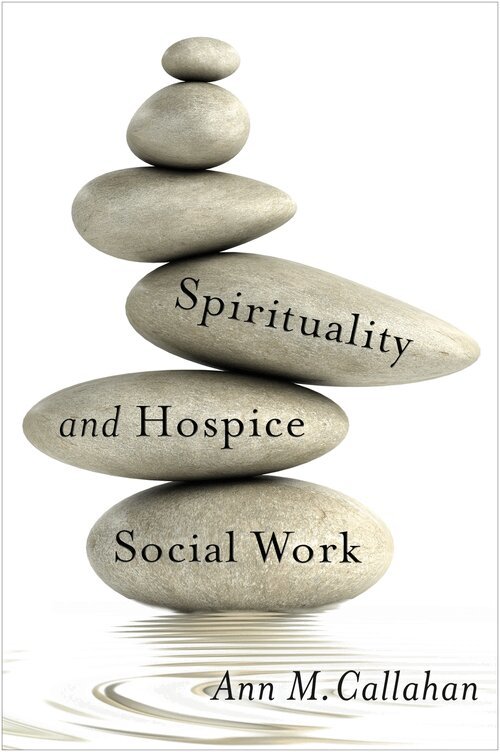
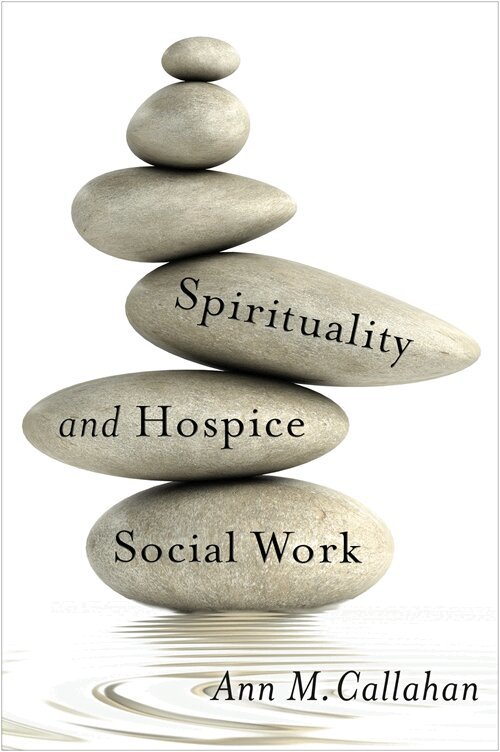
Many hospice social workers must address spiritual issues with their clients, but do not feel competent to do so effectively. This targeted volume draws upon multidisciplinary theory and research to advance a relational model of spiritually sensitive hospice care. The book will help readers elevate their spiritual competence and foster a relationship with their clients that will enrich the experience for all involved. Spirituality and Hospice Social Work helps practitioners understand various forms of spiritual assessment for use with their clients. The book teaches practitioners to recognize a client's spiritual needs and resources, as well as signs of spiritual suffering. It also discusses religious and spiritual practices that clients may use to enhance their spiritual coping. Spirituality and Hospice Social Work stresses the need for interdisciplinary collaboration with other members of the hospice team, along with the value of maintaining professional ethical standards when addressing spiritual issues. Throughout, the importance of spiritual sensitivity and its effect upon client well-being is emphasized.
300 kr
Skickas inom 7-10 vardagar
Many hospice social workers must address spiritual issues with their clients, but do not feel competent to do so effectively. This targeted volume draws upon multidisciplinary theory and research to advance a relational model of spiritually sensitive hospice care. The book will help readers elevate their spiritual competence and foster a relationship with their clients that will enrich the experience for all involved. Spirituality and Hospice Social Work helps practitioners understand various forms of spiritual assessment for use with their clients. The book teaches practitioners to recognize a client's spiritual needs and resources, as well as signs of spiritual suffering. It also discusses religious and spiritual practices that clients may use to enhance their spiritual coping. Spirituality and Hospice Social Work stresses the need for interdisciplinary collaboration with other members of the hospice team, along with the value of maintaining professional ethical standards when addressing spiritual issues. Throughout, the importance of spiritual sensitivity and its effect upon client well-being is emphasized.
2 040 kr
Skickas inom 3-6 vardagar
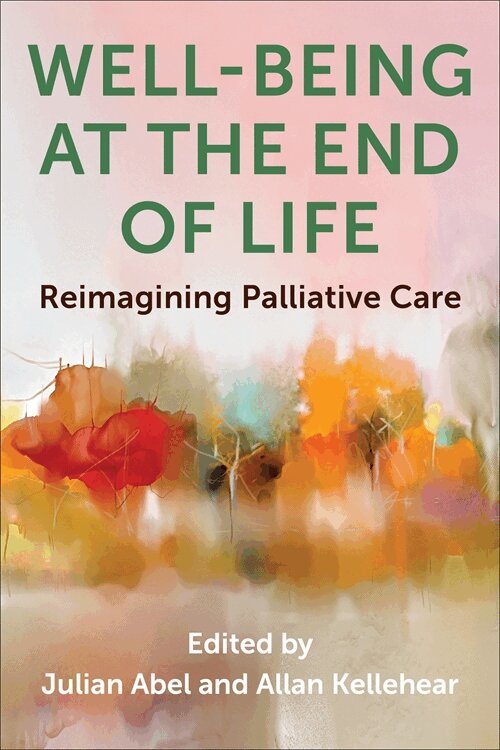
The field of palliative care promises support for a dying person’s physical, psychological, social, and spiritual needs, as well as the needs of family and community. Has this powerful vision been achieved? This state-of-the-field book argues that palliative care has drifted away from its transformative goals—and shows what to do about it.Bringing together leading international scholars and practitioners, Well-Being at the End of Life demonstrates how contemporary palliative care has slowly but surely strayed from its original values and practices. The provision of palliative care now reflects institutional, medicalized, and health-service priorities. Increasingly, it has become solely clinical, confined and constrained by clinical service considerations and limitations. Those at the end of life are all too often viewed as patients to be treated instead of people with whom care providers must create collaboration, participation, and partnerships.Contributors call for a paradigm shift in the values and priorities of palliative care to emphasize the importance of community to personal well-being. Drawing on the concept of health promotion, they advance a shared vision that merges the principles of public health with those of palliative care. Reimagining the field to foreground compassion and interdependence, Well-Being at the End of Life offers a new approach that puts community and professional partnerships at the heart of its practice.
321 kr
Skickas
The field of palliative care promises support for a dying person’s physical, psychological, social, and spiritual needs, as well as the needs of family and community. Has this powerful vision been achieved? This state-of-the-field book argues that palliative care has drifted away from its transformative goals—and shows what to do about it.Bringing together leading international scholars and practitioners, Well-Being at the End of Life demonstrates how contemporary palliative care has slowly but surely strayed from its original values and practices. The provision of palliative care now reflects institutional, medicalized, and health-service priorities. Increasingly, it has become solely clinical, confined and constrained by clinical service considerations and limitations. Those at the end of life are all too often viewed as patients to be treated instead of people with whom care providers must create collaboration, participation, and partnerships.Contributors call for a paradigm shift in the values and priorities of palliative care to emphasize the importance of community to personal well-being. Drawing on the concept of health promotion, they advance a shared vision that merges the principles of public health with those of palliative care. Reimagining the field to foreground compassion and interdependence, Well-Being at the End of Life offers a new approach that puts community and professional partnerships at the heart of its practice.