Essays in Art and Culture – Serie
Visar alla böcker i serien Essays in Art and Culture. Handla med fri frakt och snabb leverans.
7 produkter
7 produkter
246 kr
Skickas inom 7-10 vardagar
In this classic Reaktion title, Norman Bryson analyses the origins, history and logic of still-life, one of the most enduring forms of Western painting. From Roman wall-painting to Cubism, and from seventeenth-century Dutch still-life to Bryson’s conclusion that the persisting tendency to downgrade the genre of still-life is profoundly rooted in the historical oppression of women, Looking at the Overlooked is Norman Bryson is at his brilliant best.
320 kr
Skickas inom 7-10 vardagar
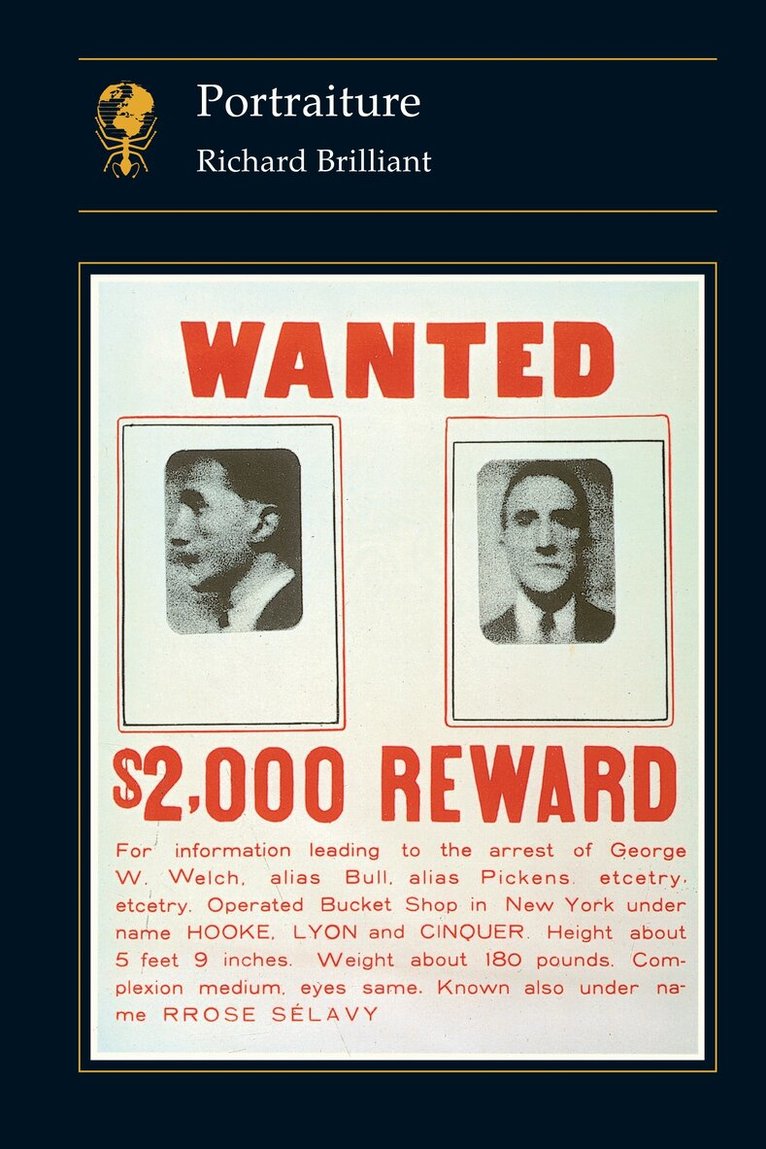
This is the first general and theoretical study devoted entirely to portraiture. Drawing on a broad range of images from Antiquity to the twentieth century, which includes paintings, sculptures, prints, cartoons, postage stamps, medals, documents and photographs, Richard Brilliant investigates the genre as a particular phenomenon in Western art that is especially sensitive to changes in the perceived nature of the individual in society.The author’s argument on behalf of portraiture (and he draws on examples by such artists as Botticelli, Rembrandt, Matisse, Warhol and Hockney) does not comprise a mere survey of the genre, nor is it a straightforward history of its reception. Instead, Brilliant presents a thematic and cogent analysis of the connections between the subject-matter of portraits and the beholder's response - the response he or she makes to the image itself and to the person it represents. Portraiture's extraordinary longevity and resilience as a genre is a testament to the power of this imaginative transaction between the subject, the artist and the beholder.
126 kr
Skickas inom 7-10 vardagar
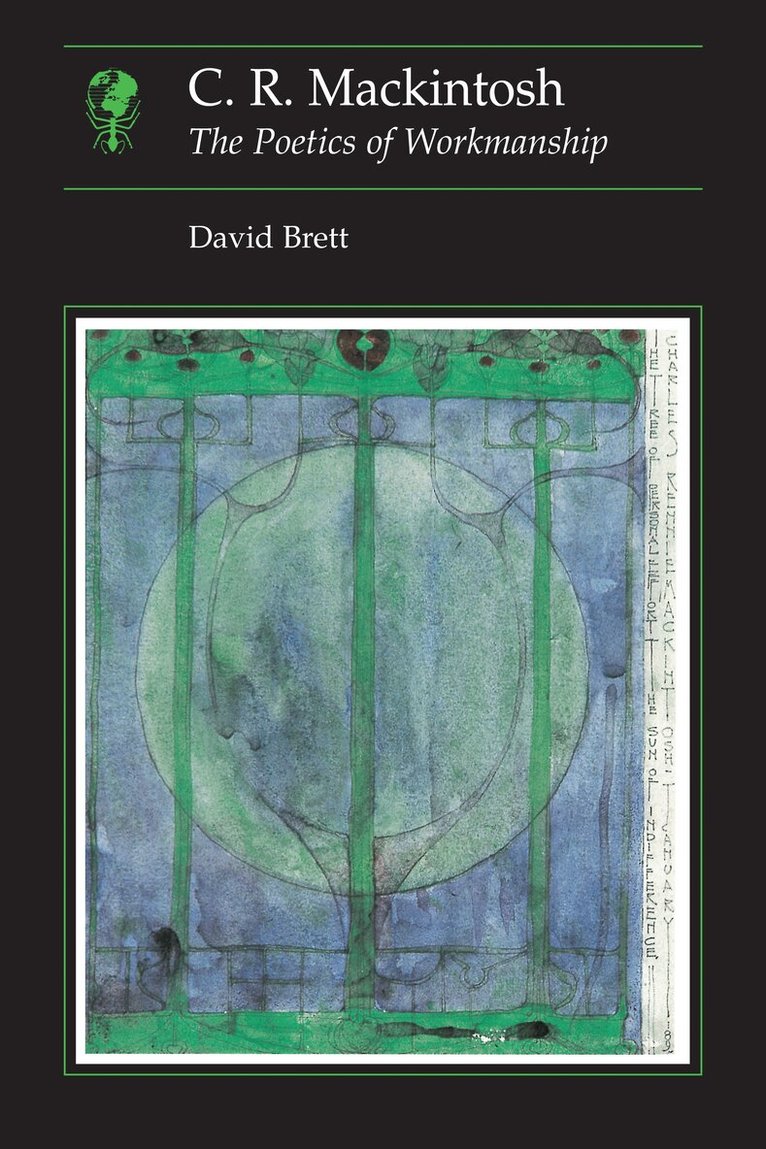
Between 1896 and 1906, Charles Rennie Mackintosh (1868-1928) produced a series of buildings and interiors in and around Glasgow of such startling invention that he immediately established himself as one of the truly great figures in early twentieth-century architecture and design. David Brett argues that Mackintosh’s originality was grounded in a highly subjective ‘poetics of workmanship’, in which the structure, features, interiors and furnishings of each individual building became subject to a unifying system of forms, metaphors and unconscious associations. The system Mackintosh evolved allowed the formulation of an almost infinite series of ensembles.After focusing on the various decorative details and interior spaces of Mackintosh's buildings the author reaches to the heart of Mackintosh's poetic system – the suffused eroticism of the sleek, ‘feminine’ and intensely private ‘white interiors’. A notable feature of this persuasive reappraisal of Mackintosh’s work is the wealth of photographs by the author showing rarely featured details of buildings, interiors and furnishings.
288 kr
Skickas inom 7-10 vardagar
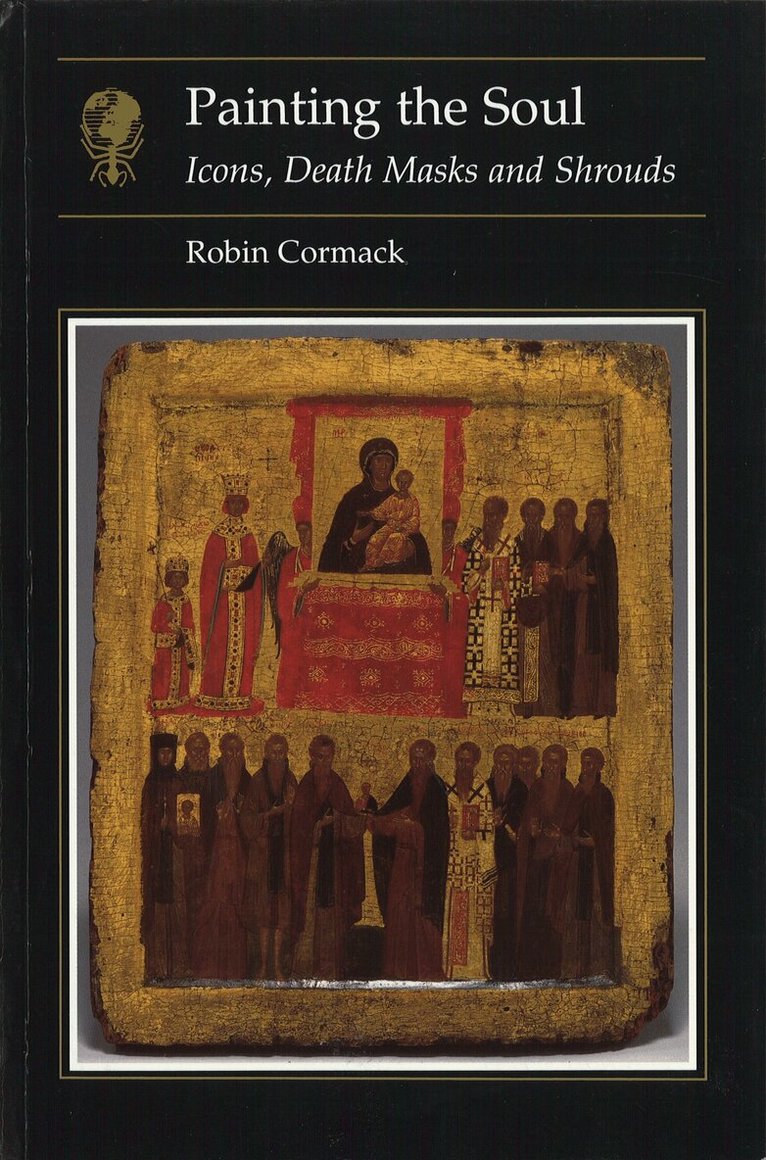
Icons are among the most elusive subjects in the history of art, but at the same time their study constitutes possibly its fastest expanding field, and with the opening-up of the former Soviet Union many new objects are being discovered, studied and exhibited. In this book, Robin Cormack considers the icon as an integral document of society and gives us new insights into the nature of Byzantine art.Painting the Soul explores both the creation and the development of the icon. After the early Christians - like the pagans before them - had come to expect their god to be visually present among them, endless questions confronted both the artist and the Church. What did Christ look like? How should Christ be represented? Should Christ be represented (as he is for example on the Turin Shroud)?Appropriately, Cormack’s study ends with Venetian Crete, where the icon underwent its final development and transformation into the art of the Renaissance. Here, established Byzantine forms of religious art confronted developing Renaissance modes of expression: the first ‘icons’ of El Greco were painted in Crete.Painting the Soul is beautifully illustrated, featuring many little-known works of art. Even so, Cormack treats the icon not as a mere artistic product, but as the symbolic face of medieval Europe. He shows how this new field within the history of art - the study of the icon - will transform our understanding of European art and culture.
288 kr
Skickas inom 7-10 vardagar
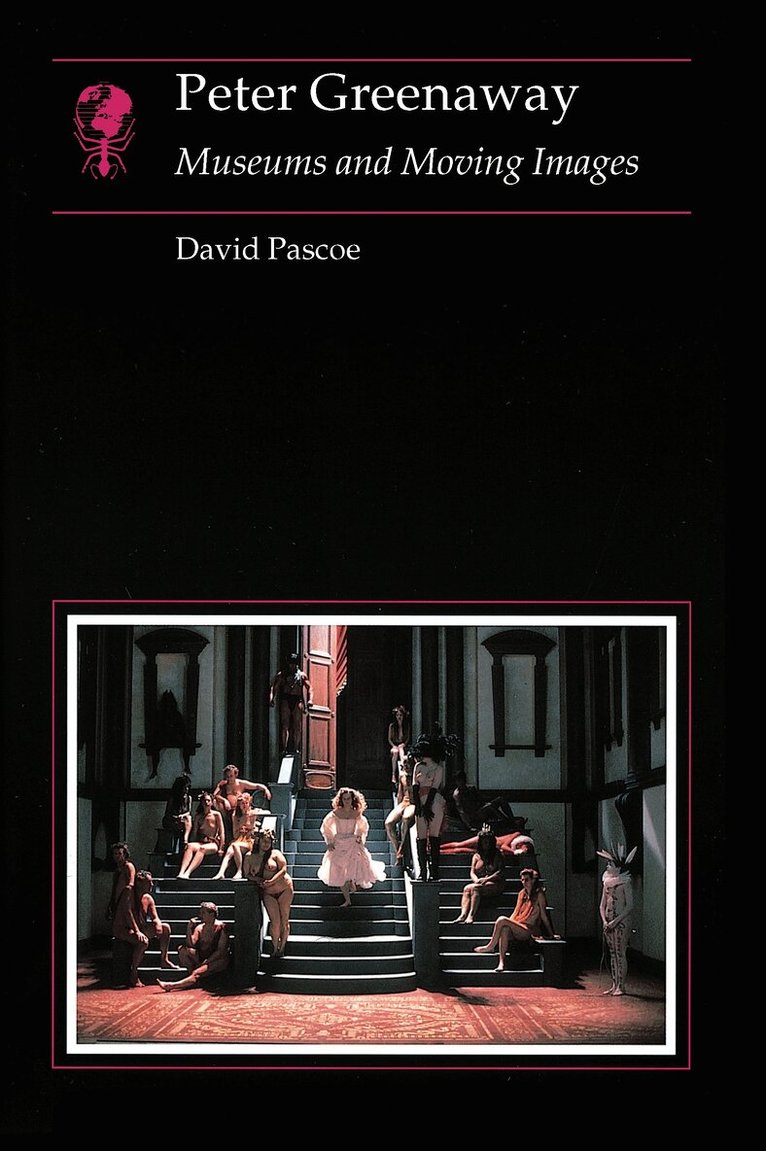
In all his films, Peter Greenaway shows obsessive attention to detail, exaggerating the archaic and fabricating his plots out of an artificial realm of caricature and pastiche. This book examines his vision from a number of perspectives and traces a shift of sensibility in his work. A painter by training, Greenaway has made his reputation as a controversial film-maker with a strong visual style. The book focuses on his work as an artist, curator and writer, as well as a film-maker, and is illustrated with stills from his films.
298 kr
Skickas inom 7-10 vardagar
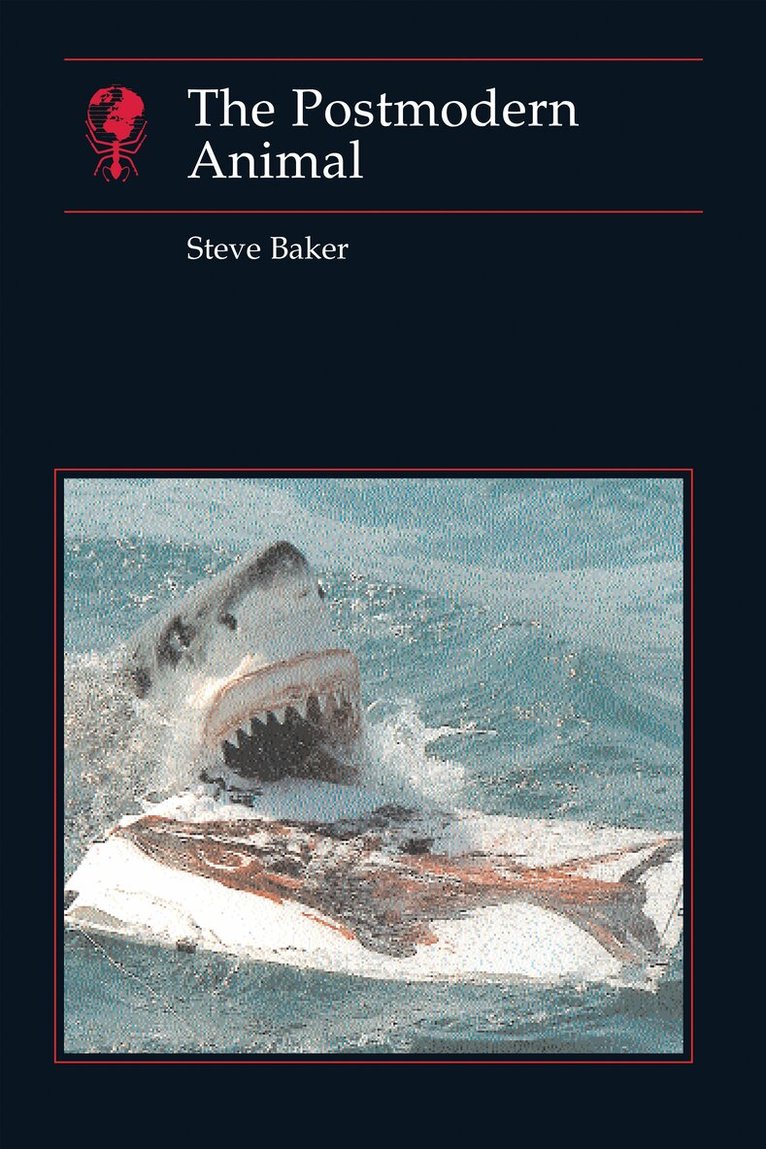
In The Postmodern Animal, Steve Baker explores how animal imagery has been used in modern and contemporary art and performance, and in postmodern philosophy and literature, to suggest and shape ideas about identity and creativity. Baker cogently analyses the work of such European and American artists as Olly and Suzi, Mark Dion, Paula Rego and Sue Coe, at the same time looking critically at the constructions, performances and installations of Robert Rauschenberg, Louise Bourgeois, Joseph Beuys and other significant late twentieth-century artists. Baker's book draws parallels between the animal’s place in postmodern art and poststructuralist theory, drawing on works as diverse as Jacques Derrida’s recent analysis of the role of animals in philosophical thought and Julian Barnes’s best-selling Flaubert’s Parrot.
170 kr
Skickas inom 7-10 vardagar
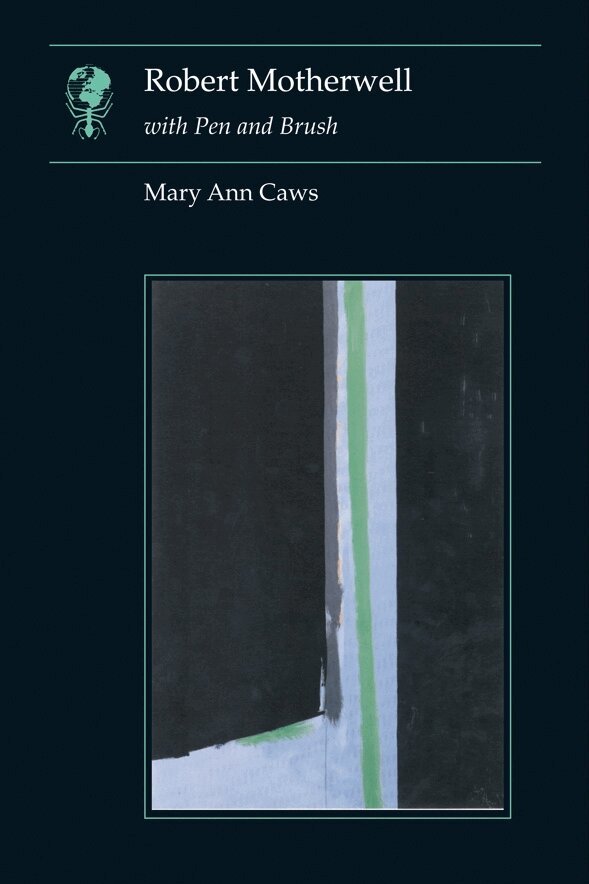
Robert Motherwell was by far the most intellectual and articulate of the Abstract Expressionists. This book, written by a friend of the artist, the well-known writer and critic Mary Ann Caws, examines Motherwell’s way of thinking and writing in relation to his paintings. The artist, American by birth, yet simultaneously American and European in his way of visualizing and vocalizing artistic and philosophical traditions, always worked between these two poles, and it is this tension that imbues his œuvre with its particular intensity.The author bases her analysis of Motherwell on the artist’s own writings and readings, as well as on extensive conversations and interviews with him. She considers his work and interests in relation to those of other Abstract Expressionists as well as to the work of the Surrealists. Her book highlights his deep attraction to France and French literature and art, and his concern with the idea of elegy and the tragedy of the Spanish Civil War. His singularly American spirit provided him with a manner of painting and thinking unique among the Abstract Expressionists, as well as with a distinctive and highly personal filter through which to interpret his fascination with European literature and history.